
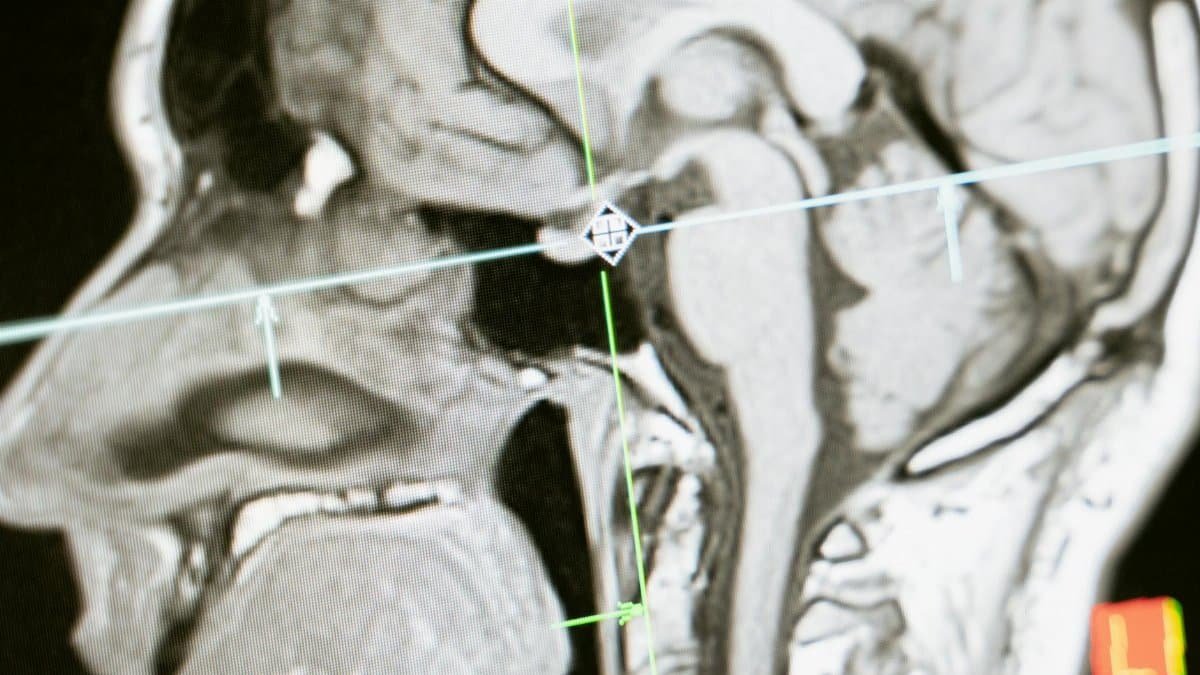
In the dim glow of an operating room a patient rests under the influence of powerful medications while surgeons focus on their task. Monitors beep softly and the atmosphere feels hushed and routine. To every outward sign the person has slipped into total oblivion. Yet a pioneering investigation has shown that the brain under anesthesia processes overheard words even if those impressions do not translate into conscious recall afterward. This revelation upends comfortable notions of complete mental shutdown during surgery and stirs fresh curiosity about the hidden layers of human awareness. Scientists observed distinct neural responses to spoken language played through headphones while volunteers remained unresponsive. The study expands our map of auditory perception and raises profound questions about the boundary between being awake and truly absent. For many middle aged readers who have undergone medical procedures or supported family members through them these findings hit close to home. They invite reflection on what the mind continues to register when we assume it has switched off entirely.
What Recent Experiments Show About Hidden Brain Functions
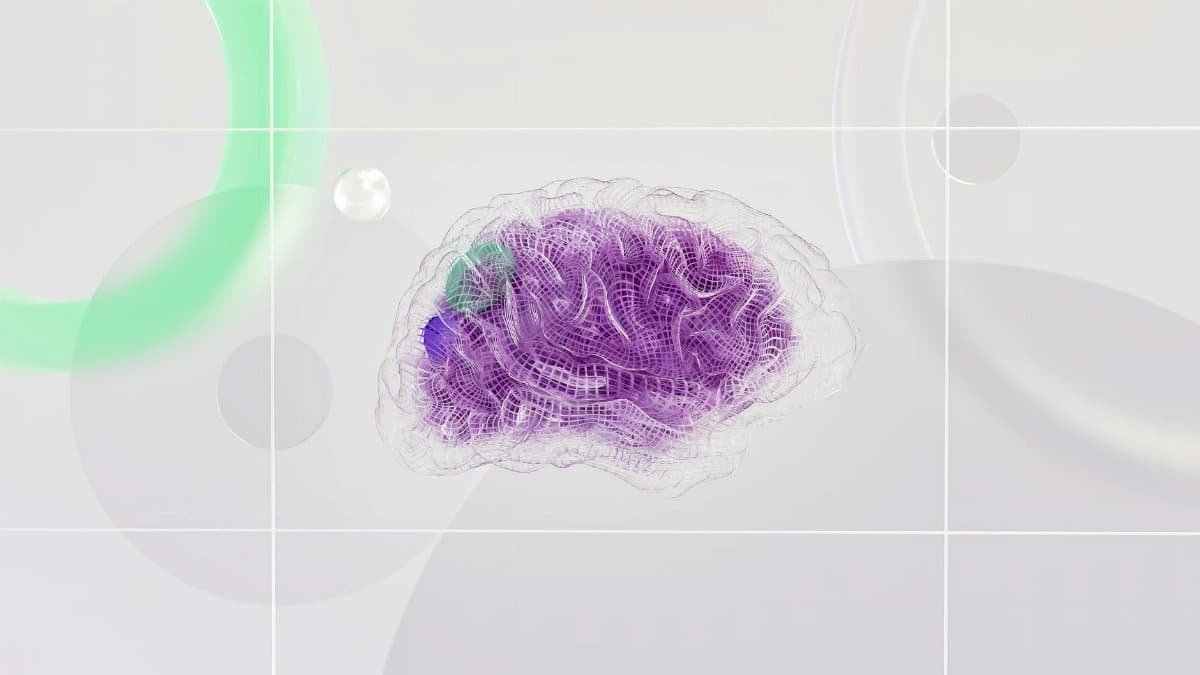
Researchers recruited volunteers scheduled for elective operations and introduced carefully chosen words and sentences during the period when anesthesia had taken full effect. Brain imaging and electrode recordings captured clear signs of linguistic processing including differentiation between meaningful phrases and nonsense. The neural signatures resembled patterns seen in fully alert listeners though the patients showed no behavioral response at the time. This demonstrates that primary auditory areas and even some higher order language networks remain active. The work builds on earlier observations that the brain never fully powers down. Instead it shifts into a different mode where certain inputs still receive attention while others are filtered away. Such results align with a growing scientific consensus that anesthesia creates a selective disconnection rather than a blanket shutdown.
Methods Used to Test Auditory Processing During Medical Procedures

The experimental design relied on playing prerecorded audio clips at specific moments after anesthesia induction but before the actual surgery began. Electroencephalography sensors tracked electrical activity across the scalp while functional imaging provided spatial detail in some cases. After recovery participants underwent memory tests both explicit and implicit. They could not consciously remember the words yet subtle behavioral cues hinted that exposure had left faint traces. Control groups who heard the same material while awake showed strong recall as expected. The contrast highlights how anesthesia selectively impairs the transfer from short term registration to durable episodic storage. These protocols required close collaboration between anesthesiologists neuroscientists and psychologists ensuring both patient safety and scientific rigor.
Why Memory Formation Fails Even When Words Register
Although the brain under anesthesia can decode speech it appears to lose the ability to stamp those experiences with the contextual tags that later allow voluntary retrieval. Hippocampal activity which normally binds events to time and place becomes suppressed. Without this binding mechanism the information dissolves once the drugs wear off. This dissociation between perception and memory echoes certain spiritual teachings that describe levels of consciousness operating beyond ordinary awareness. Some traditions speak of a deeper knowing that persists when the everyday self recedes. The scientific data now lends empirical weight to age old intuitions that the mind is far more than the sum of its conscious reports.
Practical Changes That Could Improve Patient Outcomes
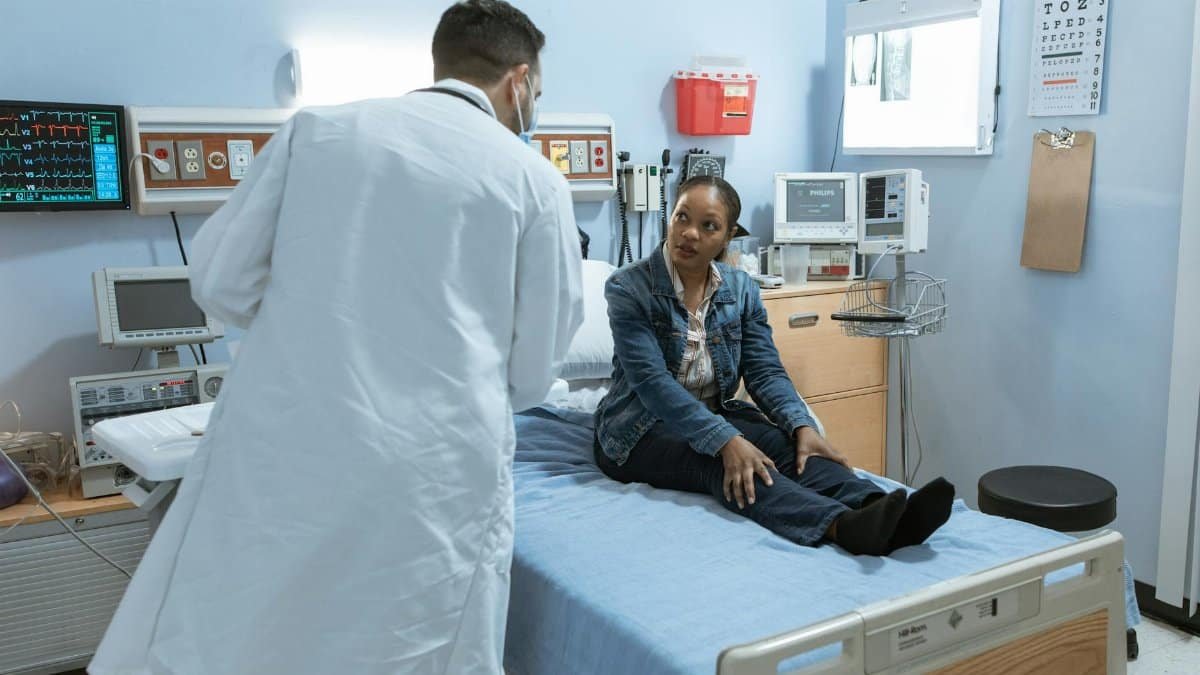
Operating room teams might reconsider ambient conversation knowing that patients could be registering tone and content even if they cannot remember it later. Gentle reassuring language may reduce underlying stress responses that occasionally surface as postoperative anxiety. Some hospitals already pilot positive suggestion protocols delivered during anesthesia with encouraging early results. Avoiding negative or alarming talk becomes more than a courtesy; it emerges as a meaningful part of care. These adjustments require minimal effort yet could enhance recovery and patient satisfaction. For middle aged adults who often face increased medical interventions such refinements represent welcome progress grounded in fresh understanding of mental life during seemingly unconscious states.
Connections to Broader Debates on the Essence of Mind

The latest data feeds directly into longstanding philosophical arguments about the nature of consciousness. If the brain continues to parse complex language without any reportable experience what does that say about the self? Materialist views interpret the findings as proof that awareness arises strictly from neural computation. Others see evidence of a more layered architecture in which observing awareness and automatic processing coexist. Spiritual perspectives frequently describe a witnessing presence that remains intact across states of waking dreaming and deep sleep. This research offers a bridge allowing empirical observation to illuminate territories once reserved for contemplative inquiry. The convergence feels timely as society grapples with questions of identity artificial intelligence and the prospects of extended lifespans.
Patient Accounts That Hint at Deeper Awareness
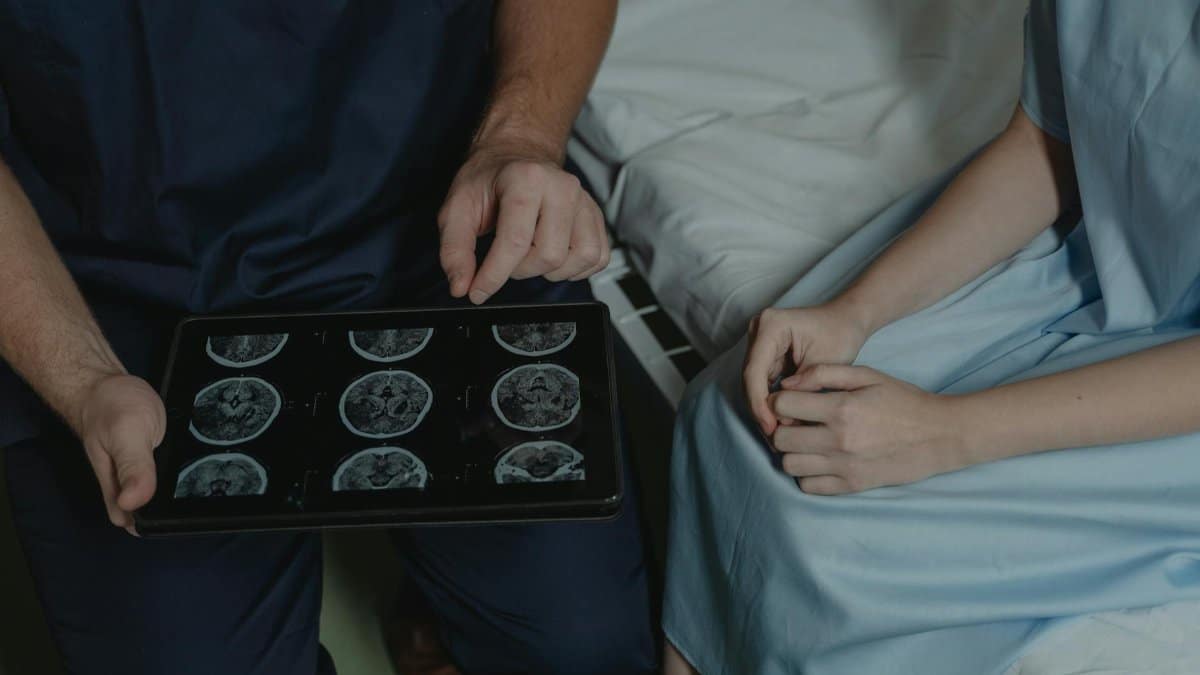
Though the study itself found no conscious recall informal reports have accumulated over decades from people convinced they overheard fragments of conversation or sensed the mood in the room. One woman described an inexplicable calm after her surgeon murmured words of encouragement during a lengthy procedure. Another spoke of a vague sense of having been accompanied even though anesthesia records showed complete unresponsiveness. Such anecdotes do not satisfy laboratory standards yet they accumulate in enough volume to warrant respectful attention. They resonate with spiritual traditions that emphasize the soul or subtle body maintaining continuity when ordinary cognition fades. Science and subjective experience need not stand in opposition; together they paint a richer portrait of human existence.
How This Research Aligns With Spiritual Perspectives on Consciousness
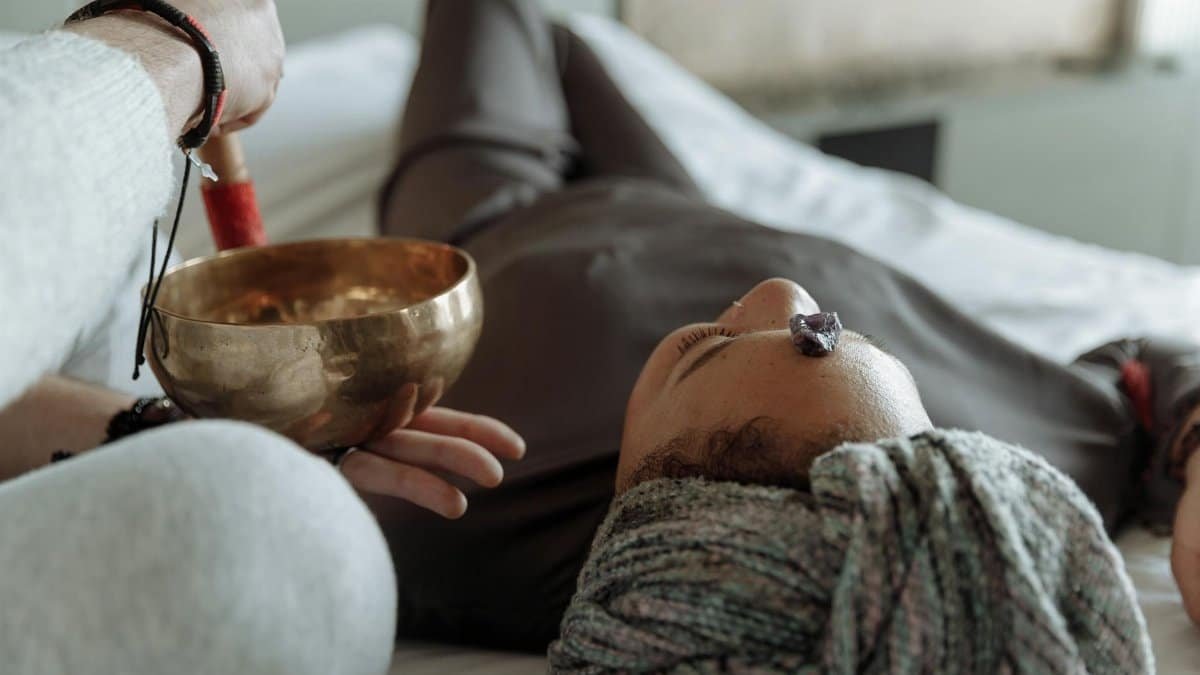
Many contemplative paths teach that consciousness is not identical with thinking or remembering. Practices of meditation aim to rest in awareness itself independent of mental content. The observation that language processing continues under anesthesia lends unexpected support to these claims by showing that sophisticated mental activity can occur without the usual scaffolding of personal narrative. Some spiritual teachers interpret the data as confirmation that the deepest aspect of self transcends temporary states of unconsciousness. Rather than fearing medical procedures that induce unconsciousness individuals might view them as opportunities to release rigid identification with surface awareness. This reframing can reduce preoperative anxiety and foster a more peaceful relationship with medical care. The trend toward integrating contemplative principles into healthcare settings gains credibility from these neuroscientific insights.
Technological Advances for Real Time Brain Monitoring
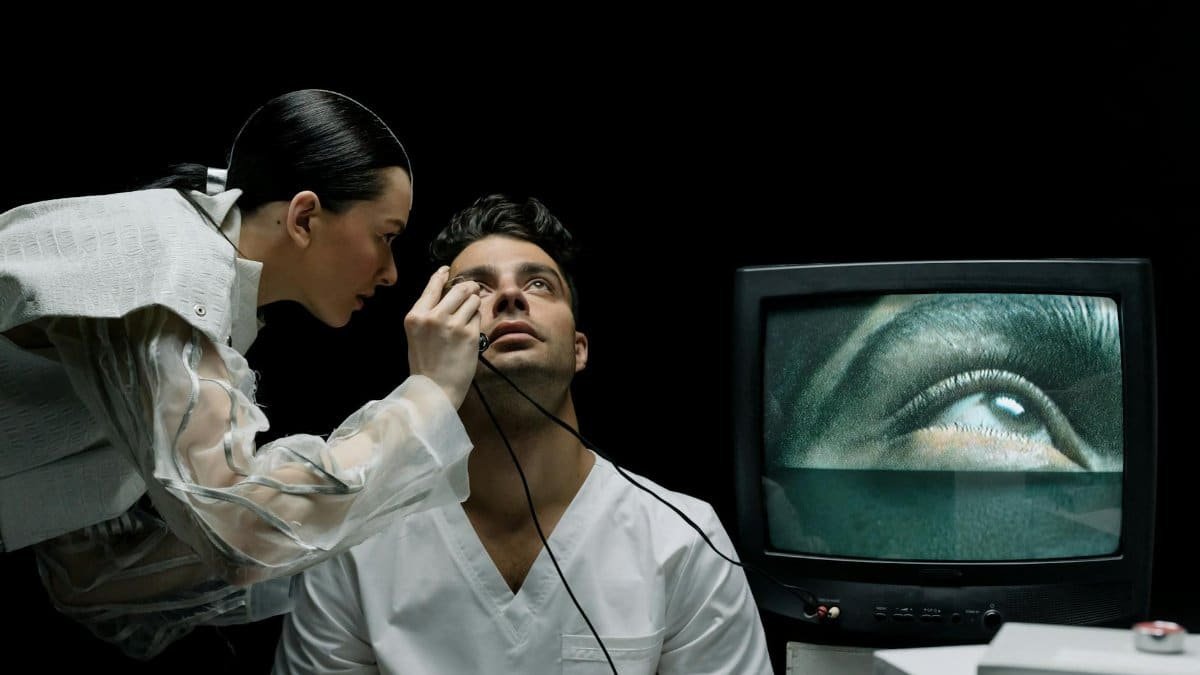
Improved sensors and machine learning algorithms now allow anesthesiologists to track subtle shifts in brain dynamics with greater precision than ever before. Closed loop systems could one day adjust medication levels to maintain the exact depth required while preserving beneficial auditory processing or blocking unwanted stress signals. Such tools promise to move anesthesia from an art toward a more tailored science. For patients this could mean fewer side effects and greater confidence entering the operating room. The spiritual implication lies in the growing capacity to respect the full spectrum of consciousness rather than assuming a simple on or off switch. Technology and wisdom traditions both point toward nuance and careful stewardship of inner experience.
Potential Risks and Ethical Considerations for Practitioners

With greater knowledge comes greater responsibility. If medical staff know that linguistic content reaches the brain they must consider the moral weight of every utterance. Jokes complaints or offhand remarks once considered harmless now appear potentially impactful. Training programs may need to incorporate modules on mindful speech in the operating theater. Informed consent conversations could expand to mention that auditory processing persists and that teams will strive to create a supportive auditory environment. These steps protect patient dignity and reflect an evolving ethical framework that honors the whole person even when consciousness appears absent. The discussion also invites input from bioethicists spiritual care providers and patient advocates ensuring diverse viewpoints shape future protocols.
Looking Ahead to New Discoveries in Cognitive Science

Future studies will likely explore whether other sensory channels such as touch or smell remain active and what kinds of learning might be possible without conscious participation. Researchers also plan to investigate individual differences linked to age meditation experience or spiritual practice. Could someone who has cultivated heightened awareness for decades show distinct patterns under anesthesia? The question opens exciting avenues where neuroscience and personal development intersect. As the findings circulate through both scientific journals and spiritual communities they encourage a more humble appreciative stance toward the vast unknown territory within each of us. The brain under anesthesia it turns out still listens still processes and still participates in the mystery of being alive.
The accumulating evidence urges a gentle reconsideration of how we approach medical unconsciousness. Rather than viewing anesthesia as a temporary erasure we might see it as a shift in emphasis among different modes of mind. This perspective honors both the remarkable precision of modern medicine and the enduring sense many hold that something essential within us remains continuous. For readers navigating their own health journeys or accompanying loved ones these insights offer reassurance that the self is more resilient and multifaceted than we often assume. Ongoing collaboration across disciplines will continue to illuminate the subtle workings of cognition and consciousness ensuring that future care becomes ever more attuned to the full spectrum of human experience.