
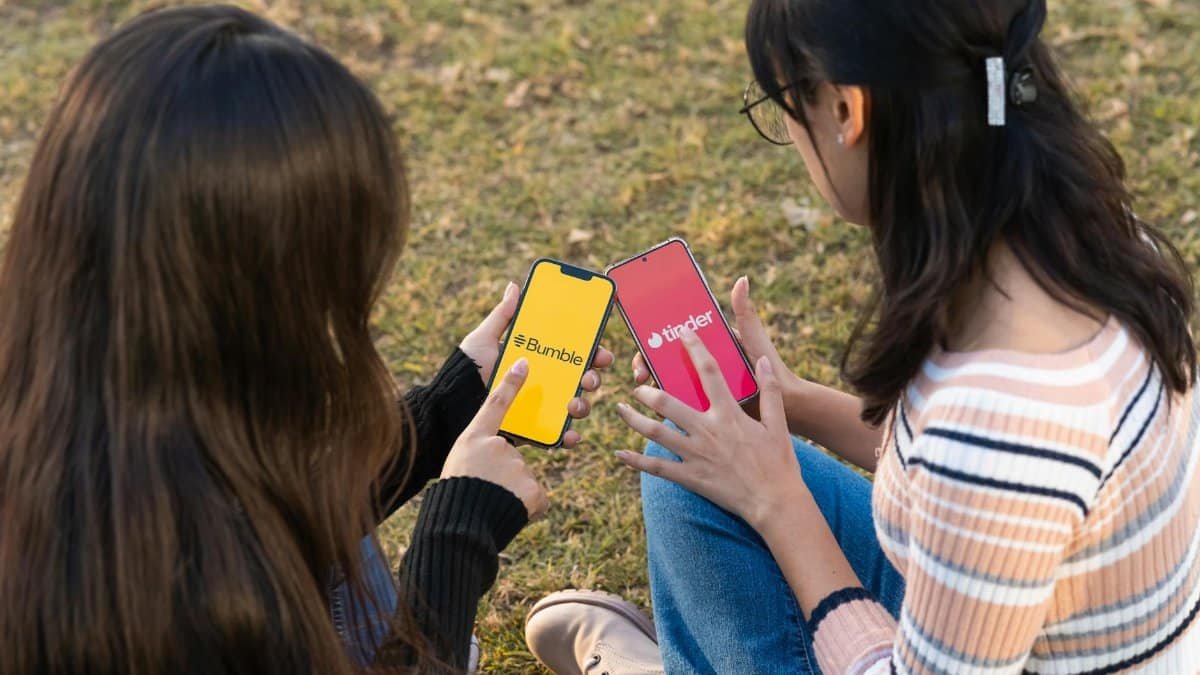
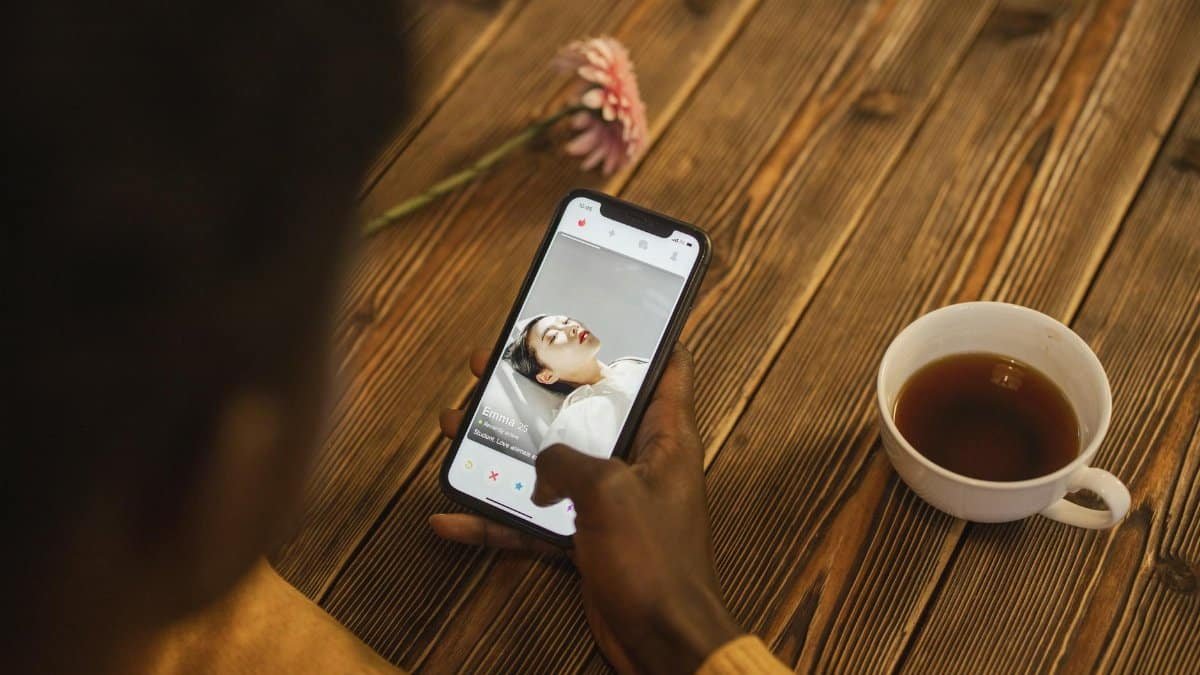
In the soft glow of her living room lamp Maria Thompson a 48 year old librarian swiped left on yet another profile. She had been on the apps for nearly a year now and what began as hopeful exploration had turned into something colder. Faces blurred together decisions took seconds and the thought of investing time in getting to know someone felt exhausting. This growing trend experts say reflects the dating apps replaceability that many users experience today. Instead of seeing potential partners as unique individuals with rich inner lives daters are conditioned to treat them as disposable options in an overflowing digital marketplace.
Recent discussions in psychology circles have highlighted how these platforms may be reshaping not only how we date but how we value human connection itself. As new research suggests constant swiping on dating apps may train users to view romantic partners as easily replaceable increasing burnout. For a generation raised on the idea that commitment is sacred this shift carries profound implications.
The Allure Of Infinite Choices
Dating apps thrive on the promise of endless variety. With thousands of profiles ready for review users gain the sense that a better match is always one swipe away. This environment of abundance can feel liberating at first particularly for those reentering the dating scene after divorce or long periods of singledom. Yet the constant exposure to options often leads to a subtle devaluation of each individual profile. What starts as excitement can evolve into a restless search for perfection that no real person can satisfy.
Relationship coaches report that many clients describe a strange emotional numbness after prolonged app use. The thrill of possibility gives way to a transactional mindset where people are judged and discarded in moments. This dynamic forms the core of dating apps replaceability and it raises uncomfortable questions about what we lose when romance becomes so easily quantifiable.
Rewiring The Brain For Quick Judgments
Neuroscientists have observed that repeated swiping activates the same reward circuits associated with gambling. Each match delivers a small dopamine hit reinforcing the habit of rapid evaluation. Over time the brain adapts to this high speed decision making making it harder to engage in the slower more deliberate process of truly knowing another person. Attention spans shrink and patience for complexity fades.
For middle aged users who grew up without these tools the contrast feels especially stark. Many remember courtship as a gradual unfolding filled with handwritten letters and long phone conversations. The apps strip away that texture replacing it with curated images and algorithmic suggestions. The result is a form of cognitive training that prioritizes surface level traits over character depth or shared values.
Understanding The Burnout Factor
The exhaustion many daters describe is not simply fatigue but a deeper emotional depletion. When every interaction carries the implicit knowledge that either party can vanish with minimal effort investment feels risky. Users begin to withhold parts of themselves protecting against inevitable disappointment. This guarded approach further reduces the chances of genuine connection creating a self perpetuating cycle.
Burnout manifests differently across age groups but middle aged singles often express a particular sadness. After years of focusing on careers and children they hoped technology would simplify finding companionship. Instead many feel more isolated than before. The promise of efficiency has delivered the opposite leaving hearts weary and spirits dimmed.
Spiritual Perspectives On Soul Connections
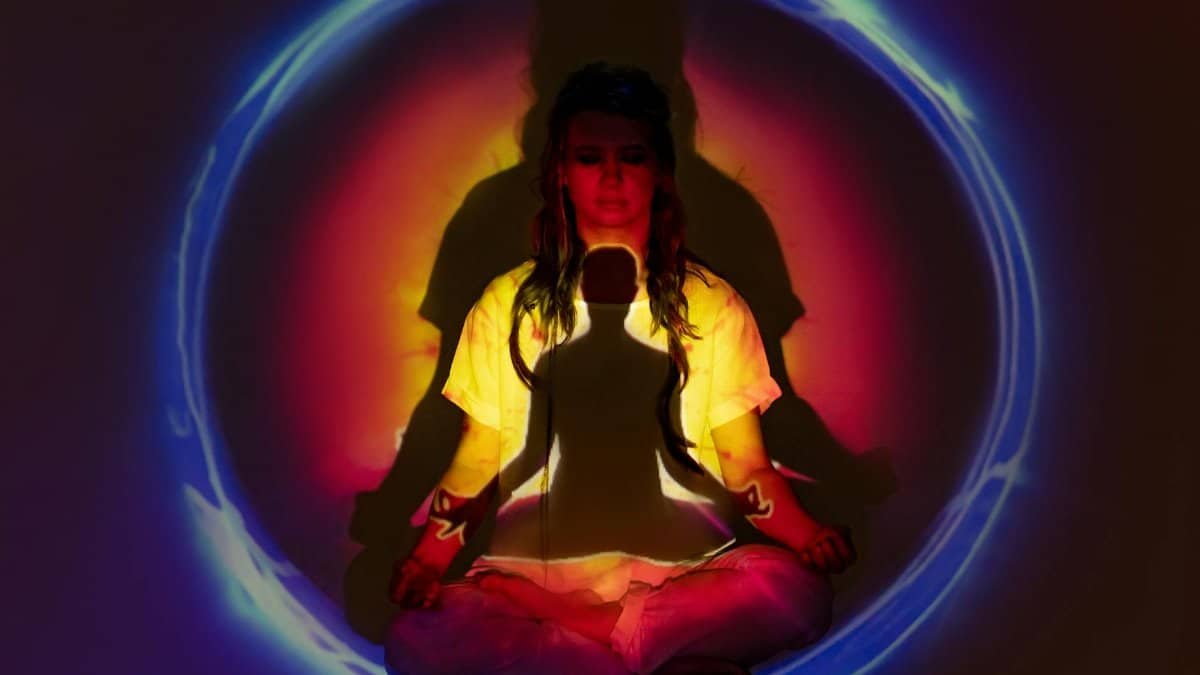
From a spiritual viewpoint the concept of dating apps replaceability clashes with ancient wisdom about human dignity. Many faith traditions teach that each person carries a divine spark worthy of reverence rather than quick dismissal. When we reduce others to interchangeable profiles we diminish not only them but ourselves. Mindfulness teachers suggest this mindset erodes our capacity for presence the very quality that allows deep bonds to form.
In spiritual communities across the country leaders are noticing increased interest in discussions about technology and the soul. Some describe modern dating as a test of values asking whether we will honor the sacred in one another or succumb to convenience. This perspective resonates strongly with readers seeking more than casual advice. It invites reflection on what it truly means to see and be seen.
Real Experiences From Longtime Users
David Chen a 55 year old architect from Seattle used dating apps for three years before stepping away. He recalls the strange sensation of waking up to dozens of new matches yet feeling profoundly lonely. Conversations that seemed promising would abruptly end when someone found a more appealing option. The ease of replacement left him questioning his own worth.
Similar stories emerge from women in their forties and fifties who describe the apps as both empowering and dehumanizing. The ability to set preferences and filter prospects offers control but at the cost of mystery and serendipity. Many eventually delete the apps not because they stop wanting connection but because the process began to erode their sense of hope.
What The Research Reveals
A study published in Psychology Today explores exactly this terrain suggesting that dating apps may be training users to see people as replaceable. The article available at https://www.psychologytoday.com/us/blog/the-architecture-of-desire/202605/are-dating-apps-training-us-to-see-people-as-replaceable examines the psychological mechanisms at work. Other research from the Pew Research Center (https://www.pewresearch.org/internet/2023/02/08/the-virtues-and-downsides-of-online-dating/) confirms that while online dating opens doors it also correlates with higher levels of frustration among users over 40.
These findings align with broader psychological literature on choice overload. When the brain perceives unlimited alternatives commitment becomes psychologically costly. The studies do not suggest abandoning technology entirely but they do call for greater awareness of its influence on our relational habits.
Challenges For Middle Aged Singles

Middle aged daters face unique obstacles in the app environment. Many carry responsibilities from previous relationships whether co parenting aging parents or demanding careers. The mental load makes the superficial nature of app interactions feel particularly draining. Additionally societal messages that equate youth with desirability can deepen insecurity when profiles seem to prioritize physical appearance above all else.
Yet this same life experience also grants perspective. Many in this age group have learned what truly matters in relationships. They seek compatibility in values humor and emotional maturity. The tension arises when the apps seem designed for shorter attention spans and more casual encounters making the search for substance feel uphill.
Practicing Mindfulness In Digital Dating

Some users are attempting to bring spiritual practices into their app experience. Before opening the apps they set intentions focusing on curiosity rather than judgment. They limit time spent swiping to prevent numbness. A few even treat profile reading as a form of meditation seeking the humanity behind carefully chosen photos and witty bios.
Therapists specializing in mindfulness based approaches report modest success with these techniques. By slowing down and observing their own reactions users can interrupt the automatic pattern of rapid replacement. The goal is not to reject technology but to engage with it more consciously preserving the capacity for wonder and connection.
Exploring Alternatives To App Based Romance
Many who have grown disillusioned with dating apps are returning to older methods of meeting people. Community events volunteering classes and mutual friends once again serve as pathways to connection. These settings allow personality and values to emerge naturally over time rather than through split second assessments.
Some innovative approaches blend the best of both worlds. Niche platforms focused on shared spiritual practices or long term commitment goals have gained popularity. Others organize app free dating challenges encouraging participants to practice vulnerability and patience. These experiments suggest that while technology offers convenience it cannot replace the richness of embodied real world interaction.
Rebuilding The Capacity For Commitment
Reversing the effects of dating apps replaceability requires deliberate effort. Experts recommend periods of digital detox combined with activities that strengthen attention and empathy. Reading fiction volunteering and deep conversation all help retrain the brain to value sustained engagement over novelty.
Couples who meet through apps but succeed long term often describe making conscious choices to resist the abundance mentality. They delete the apps together and invest fully in the relationship before allowing doubt to creep in. Their stories offer hope that the conditioning can be overcome with awareness and practice.
Pathways To Deeper Lasting Bonds

Ultimately the conversation about dating apps replaceability points toward larger questions about what we want from love and life. For those in midlife the search often transcends romance touching on purpose belonging and spiritual growth. When we approach dating as a sacred journey rather than a shopping expedition we create space for connections that nourish the soul.
The path forward may involve more honest public conversations about the emotional costs of convenience. It may require developers to reconsider how their platforms shape behavior. Most importantly it calls on each of us to examine our own habits and choose with intention. In doing so we honor both the remarkable tools technology provides and the irreplaceable depth of truly seeing one another.
(Word count: 1248)