
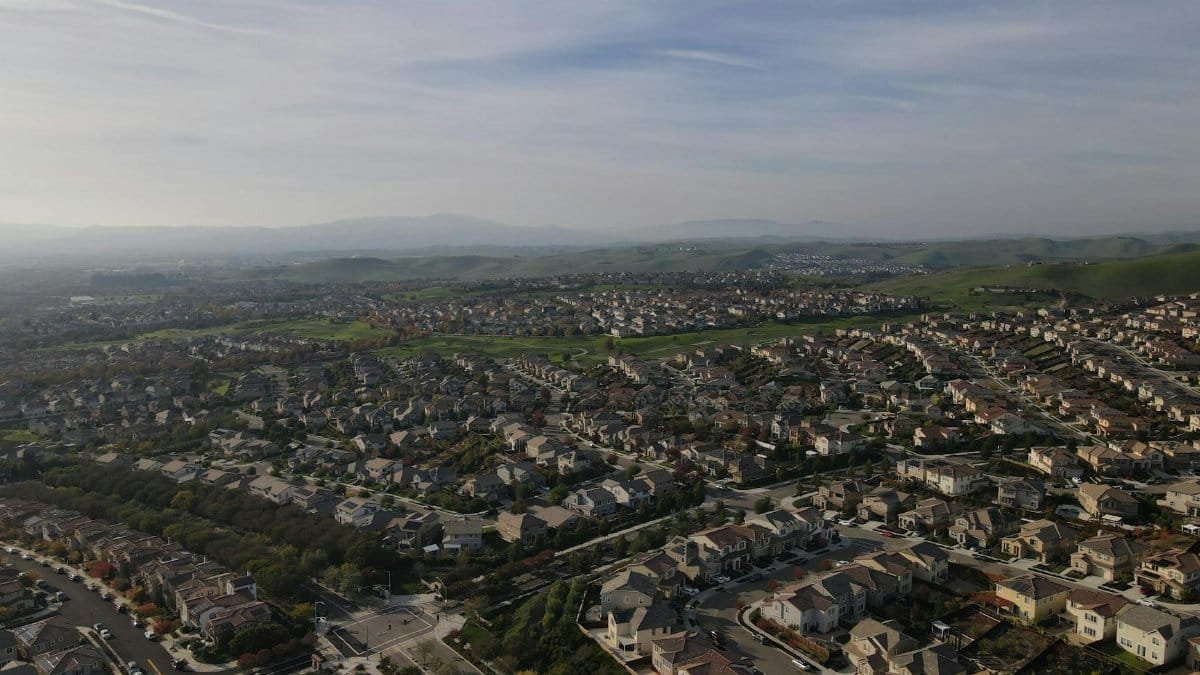
**In the heart of the Bay Area a major tech company is making a surprising move that could reshape how businesses think about their physical presence. Meta has decided to pause its enormous Willow Village project in Menlo Park a development that was poised to become a prime example of modern tech real estate. This decision arrives amid a wave of layoffs and a cooling economy that has many firms rethinking their commitments to large scale office spaces. For residents and workers alike it raises important questions about the future of these ambitious corporate environments and what they mean for the communities that surround them. As companies confront new realities the pause at Willow Village may signal a larger trend toward more measured approaches in the industry. Those who have followed the rise of Silicon Valley understand that this moment is about more than one project. It touches on fundamental issues of how we live work and find meaning in an increasingly digital world.**
The Ambitious Plans Behind Willow Village
When Meta first unveiled its plans for Willow Village the project stood out even in a region accustomed to grand gestures. The proposal called for millions of square feet of office space along with housing retail and public areas all designed to create a self contained ecosystem. The goal was to attract and retain top talent by offering a work environment that blurred the lines between professional and personal life. Planners drew inspiration from traditional town centers aiming to build a sense of community among employees. The campus would have included extensive green spaces walking paths and facilities intended to promote both physical and mental health.
This kind of investment in physical infrastructure had become a hallmark of leading tech firms seeking to solidify their presence in the Bay Area. The campus was expected to accommodate the equivalent of several thousand workers in one location fostering the kind of spontaneous interactions that fuel creativity and drive innovation. It represented a significant commitment to the idea that the right physical setting can enhance productivity and employee satisfaction. For a company that had grown at extraordinary speed Willow Village was meant to serve as both headquarters and home base a place where ideas could flow freely without the friction of daily commutes.
Initial reactions from city officials and business groups were largely positive with many viewing it as a vote of confidence in the local economy even as quieter voices called for careful consideration of the potential downsides including impacts on traffic and housing prices.
Economic Realities Forcing a Rethink


The technology sector has faced significant challenges in recent years. After a period of rapid expansion many companies encountered headwinds including slower growth in advertising revenue for Meta specifically. Layoffs have affected thousands of employees across the industry as firms seek to streamline operations and reduce costs. These adjustments though painful have become necessary for maintaining financial health in a more competitive landscape.
In this context the decision to pause a multibillion dollar real estate project makes sense from a financial perspective. Experts point to rising interest rates and a more cautious investment climate as key factors. According to a report from CBRE a leading commercial real estate services firm office vacancy rates in the Bay Area have climbed notably in the past year. One can find more details at CBRE Insights. Such data underscores the shifting dynamics that are influencing decisions at the highest levels.
Meta itself has reported declining revenues in some quarters prompting a focus on efficiency. The company leadership has emphasized the need to adapt to these conditions while still investing in core areas like artificial intelligence and virtual reality technologies. The result is a more disciplined approach to capital allocation that puts previously untouchable prestige projects back on the table for reconsideration.
Impact on Menlo Park and Surrounding Areas
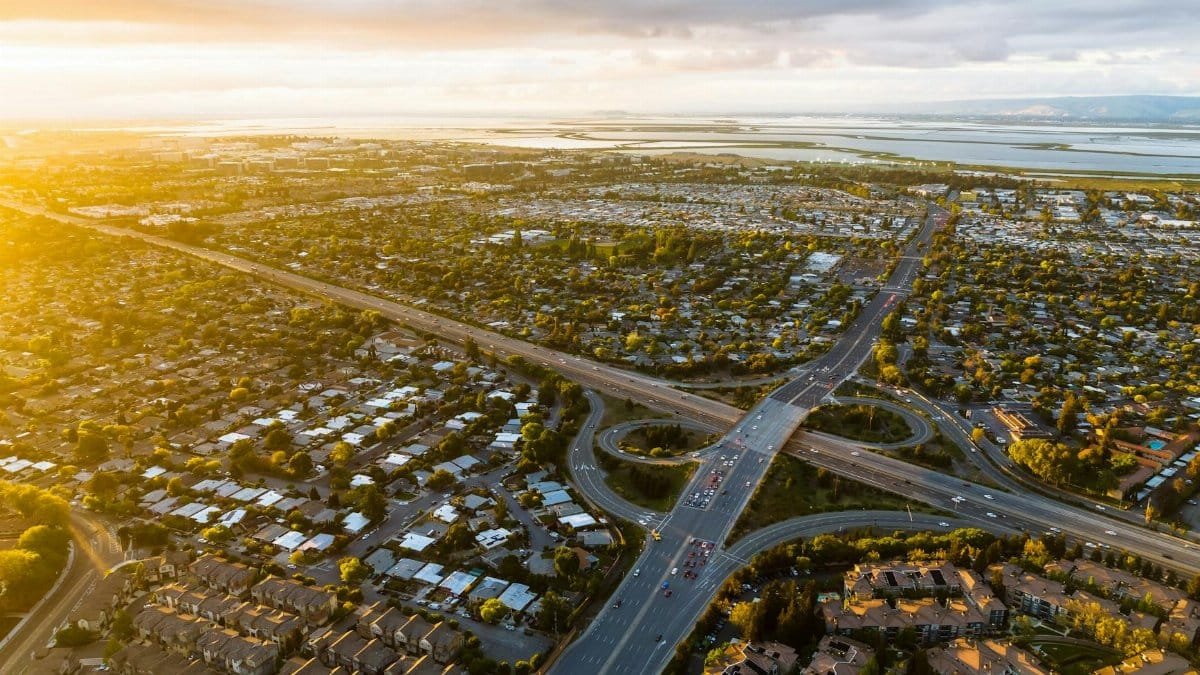
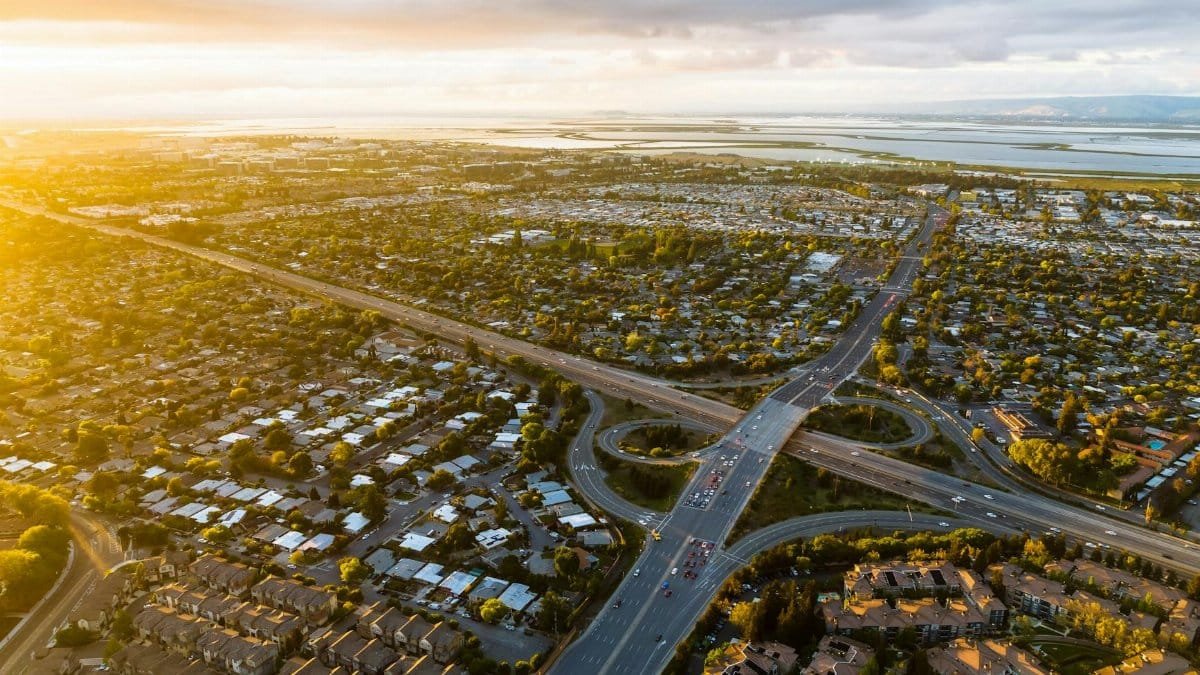
For the city of Menlo Park the news brings a mix of relief and disappointment. The project promised economic benefits including increased tax revenue and job opportunities. Yet it also raised concerns about traffic congestion strain on public services and the character of the community. Local leaders had been in discussions with Meta to ensure the development aligned with resident priorities and long term visions for the area.
With the pause those discussions are on hold. Some residents express hope that the delay will allow for more thoughtful planning that prioritizes sustainability and livability over sheer size. Others worry about the loss of potential economic stimulus at a time when many local businesses are still recovering from earlier disruptions. The situation highlights the complex relationship between large tech companies and the towns they inhabit. While these firms bring wealth and prestige they can also disrupt established ways of life in ways that feel overwhelming to longtime residents.
Shifts in the World of Tech Real Estate


This development reflects evolving patterns in tech real estate. For years companies competed to build ever more impressive campuses complete with amenities like free meals fitness centers and even nap pods. These spaces were meant to keep employees on site and engaged for long hours. The belief was that such investments would yield returns through increased loyalty and output.
However the rise of remote work after the pandemic has altered those assumptions. Many workers especially those in their middle years with families have come to value flexibility over fancy office perks. As a result firms are reconsidering the amount of space they truly need and how best to use it. This marks a significant departure from previous strategies that favored massive builds. The industry appears to be moving toward smaller more intentional spaces that complement rather than replace home environments.
Seeking a Deeper Sense of Purpose in Business


Beyond the financial calculations there is a spiritual dimension to these changes. The relentless pursuit of growth and expansion has left many in the tech world questioning the ultimate value of their efforts. Is it possible to build companies that not only innovate but also contribute to the wellbeing of employees and the larger community in a meaningful way? These questions echo ancient wisdom about the dangers of hubris and the importance of balance.
This pause at Willow Village might offer an opportunity for introspection. In a region known for its fast pace taking time to reflect on what truly matters could lead to more balanced approaches that honor the human spirit alongside business objectives. Trends in mindfulness programs and ethical leadership are gaining traction even in competitive tech environments as people search for greater fulfillment. Some executives have begun speaking openly about these issues describing a desire to create workplaces that nurture creativity without burning out the individuals who drive it. This shift could represent a quiet revolution in how success is defined moving from quantity of space to quality of experience.
How Other Tech Giants Are Responding
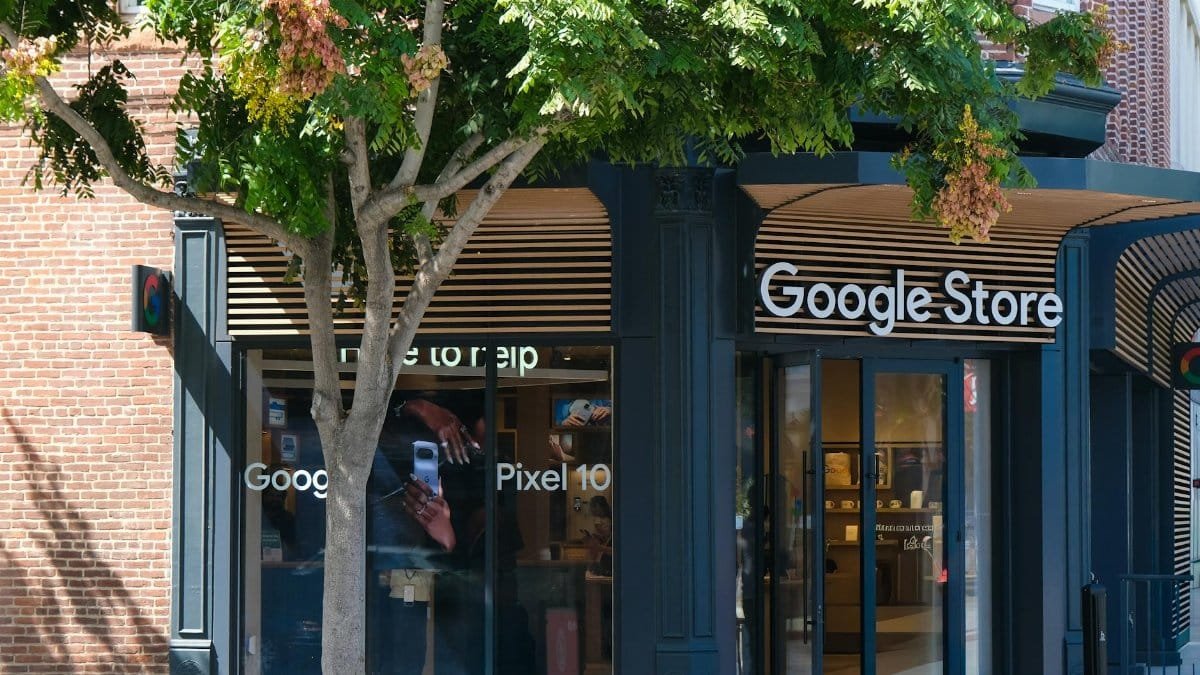
Meta is not alone in adjusting its real estate strategy. Several other major players have also scaled back or repurposed their expansion plans. Google parent Alphabet has made changes to some of its projects while Amazon has focused more on efficiency in its office usage. These examples illustrate that the challenges are widespread across the sector.
Industry observers suggest that we may be entering a new phase where collaboration and adaptability become more important than individual corporate monuments. By learning from one another companies can avoid repeating past mistakes and build in ways that are more resilient to economic cycles. The collective pullback suggests a maturing industry that is beginning to recognize the limits of perpetual expansion.
Environmental Factors in Corporate Decisions


Another important consideration is the environmental impact of large scale developments. Constructing massive office complexes requires significant resources and can increase carbon emissions through both building processes and the commuting they encourage. As awareness of climate issues grows tech companies are under pressure to demonstrate commitment to sustainability in all aspects of their operations.
By pausing Willow Village Meta may be buying time to redesign the project with stronger green features or to explore alternatives that require less new construction such as upgrading existing buildings. This approach could set a positive example for the industry showing that profitability and environmental responsibility can go hand in hand. The decision resonates with a growing desire among both consumers and employees to align with organizations that take their broader impact seriously.
The Future of Corporate Campuses in the Bay Area
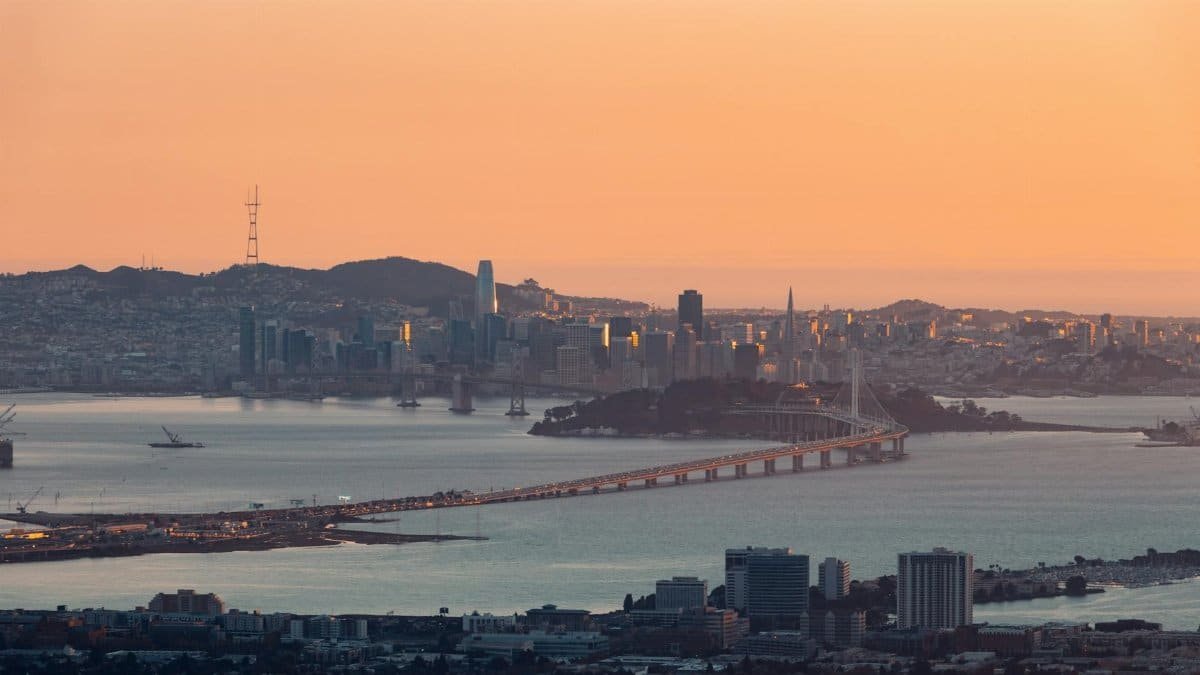
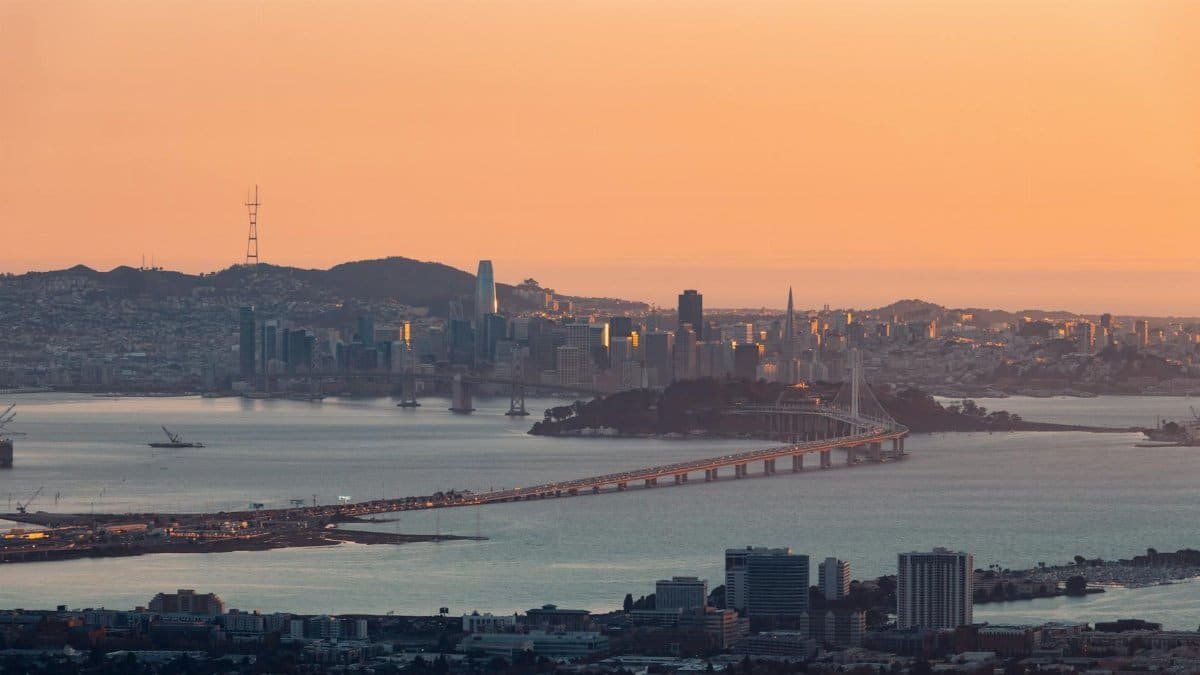
What does this mean for the longterm trajectory of tech real estate? It is likely that we will see more hybrid models that combine smaller central hubs with support for distributed workforces. The emphasis could shift from monumental architecture to flexible adaptable spaces that evolve with changing needs and contribute positively to their surroundings.
For the Bay Area this could mean a more varied landscape less dominated by enormous corporate footprints and more integrated with the natural and social environment. The region has always been a place of reinvention and this latest chapter fits that pattern perfectly.
Opportunities for Mindful Growth and Reflection


In many ways this moment represents a chance for the tech industry to embrace more mindful approaches to growth. Rather than measuring success solely by size and speed there is potential to focus on quality depth and positive impact. This aligns with broader cultural shifts toward wellness and authenticity that appeal to middle aged professionals seeking more than just a paycheck from their careers.
Spiritual thinkers have long warned against the dangers of unchecked materialism. The current pullback may indicate that some of those messages are resonating within even the most tough minded business circles. There is an opportunity to create environments that support not only the bottom line but also the souls of those who inhabit them. The Willow Village pause invites us to imagine corporate spaces that foster connection creativity and a sense of belonging rather than mere efficiency.
Voices from the Community and Industry


Employees and former employees have shared a range of reactions to the news. Some feel relieved that the company is taking a more cautious approach which could lead to greater stability in the long run. Others worry about what it means for the culture of innovation that has defined the region for generations. Local business owners near the proposed site are watching closely as their own futures are tied to the outcome.
Community groups have used the delay as an opening to advocate for developments that better serve the needs of all residents not just those employed by tech firms. Analysts predict that this decision could influence similar projects across the country. As one prominent consultant noted in a recent interview the era of unchecked expansion in tech real estate may be giving way to a more nuanced era of thoughtful integration.
A Broader Cultural Shift


The story of Meta and Willow Village is part of a larger narrative about the evolving relationship between technology work and human needs. In an age of rapid change many people are looking for anchors of meaning and connection. Companies that recognize this search and respond to it with spaces and policies that promote genuine wellbeing may find themselves better positioned for the future.
This is not to suggest that ambition should be abandoned but rather that it should be tempered with wisdom and compassion. The Bay Area with its unique blend of innovation and idealism is well suited to lead the way in this new direction. As the Willow Village project enters this period of pause it invites all of us to consider what kind of future we want to build together one that values both progress and the deeper qualities that make life meaningful.