
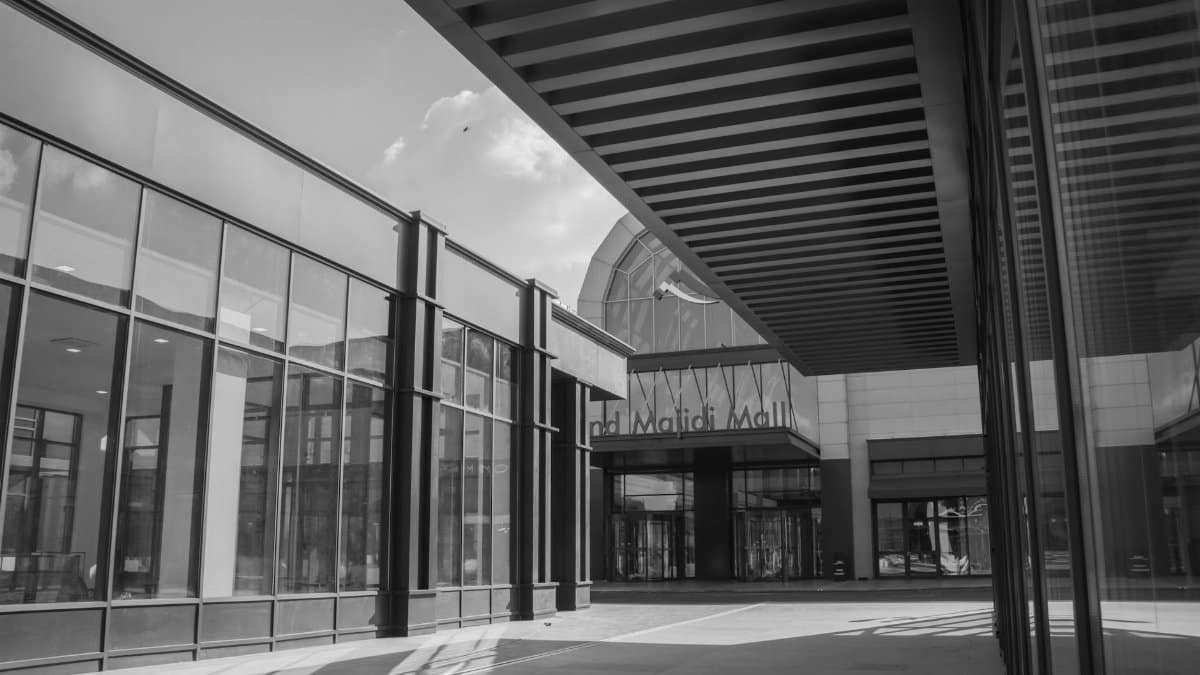
On a bright Saturday afternoon at a redeveloped shopping destination in Huntington, visitors linger at outdoor tables, children chase bubbles across a grassy courtyard, and the scent of fresh bread drifts from a local bakery. These moments feel less like commerce and more like community, a quiet reminder of what draws people together beyond transactions. The LI mall industry is navigating one of its most significant transitions in decades as enclosed shopping centers give way to open air formats that promise both economic survival and renewed public life.
Across Long Island, developers have recognized that the old model of windowless corridors and anchor department stores no longer sustains the traffic or revenue it once did. Instead, they are creating places that blend retail with parks, dining pavilions, offices, and residential units. The shift is neither sudden nor simple, yet it reflects deeper changes in how middle aged Americans want to spend their limited free time.
The Limits of the Classic Enclosed Mall
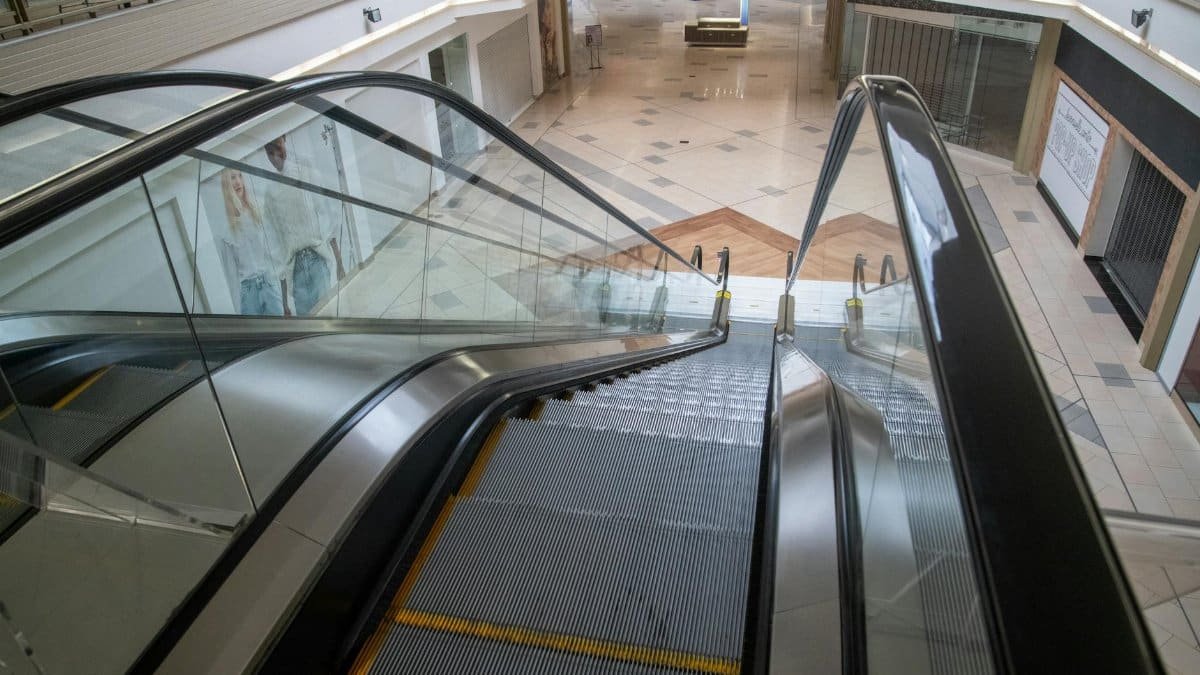
For generations, Long Island malls served as climate controlled town squares where teenagers gathered, families shopped for school clothes, and holiday celebrations unfolded beneath artificial snow. Yet that era has faded. Rising online commerce, shifting demographics, and the simple wear of decades old infrastructure have left many properties struggling. Vacant storefronts and declining foot traffic became common even before the pandemic accelerated these trends.
Property owners watched as younger shoppers, particularly those in their twenties, chose experiences over possessions. The traditional mall, with its predictable layout and lack of natural light, began to feel outdated to a generation raised on social media and outdoor lifestyles. This realization forced executives to reconsider the very purpose of these sprawling real estate assets.
Open Air Designs Meet a New Set of Expectations
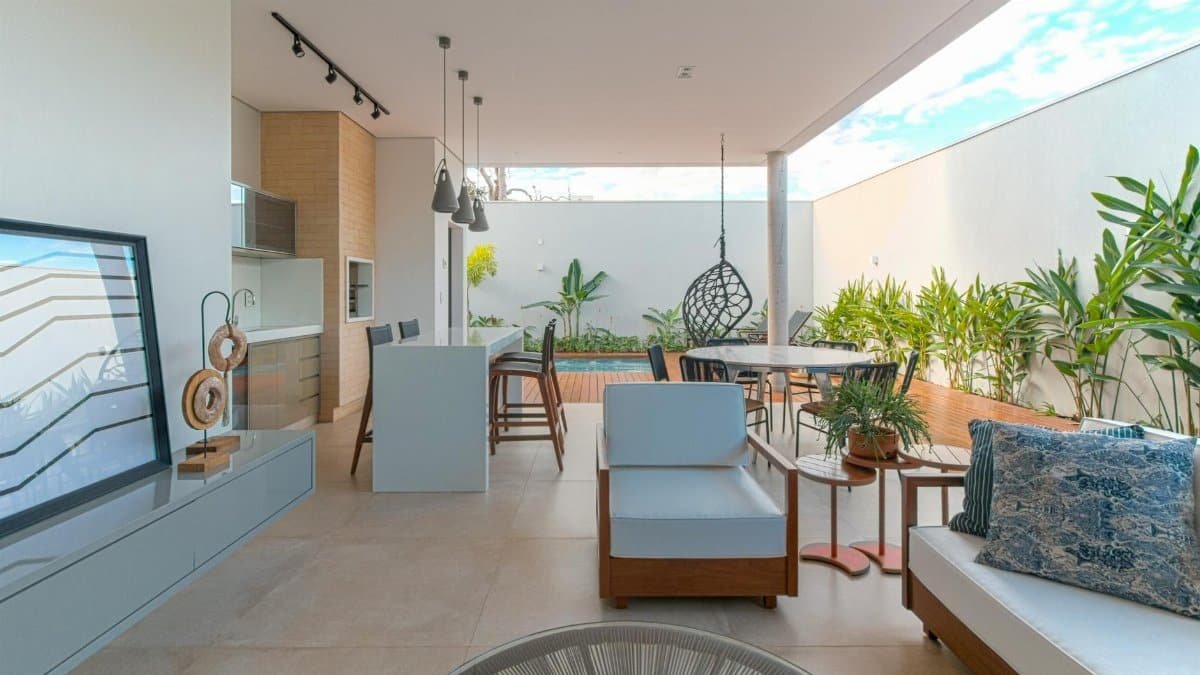
Open air centers replace fluorescent lighting and echoing atriums with sidewalks, trees, and carefully planned gathering spaces. Visitors can move freely between stores without entering a single massive building. On pleasant days the appeal is obvious. Even in colder months, wide walkways and strategic landscaping create a sense of openness that feels contemporary and inviting.
Developers have discovered that these formats encourage longer visits. People stay to eat, attend events, exercise on the grounds, or simply sit and watch others. For middle aged residents balancing careers and family obligations, such flexible destinations offer an easier alternative to rigid shopping trips. The environment itself becomes part of the draw rather than an afterthought.
Economic Forces Reshaping Investment Decisions

Financial pressures have played a decisive role in this evolution. Converting sections of aging malls into mixed use developments allows owners to diversify revenue streams beyond retail rent. Residential units and office space generate steady income even when consumer spending slows. Several major Long Island projects now include hundreds of housing units alongside shops and restaurants, creating miniature neighborhoods where people live, work, and buy groceries in one location.
Local officials have largely welcomed these projects, seeing them as opportunities to increase tax rolls without consuming additional open land. Yet the transformation requires substantial upfront investment at a time when construction costs remain elevated. Success depends on precise execution and an accurate reading of what today’s families truly value.
Community Spaces and the Human Need for Connection

Beyond retail metrics lies a more subtle story about belonging. Many middle aged Long Islanders remember when malls provided one of the few indoor public spaces available during harsh winters or rainy summers. The new open air centers attempt to restore that civic function while addressing contemporary desires for fresh air and nature.
Developers increasingly incorporate programming that serves spiritual and emotional needs: evening concerts, farmers markets, meditation gardens, and holiday celebrations that emphasize togetherness rather than consumption. These elements acknowledge that people seek more than goods. They crave places that nourish relationships and offer moments of reflection amid busy lives. In this sense, the redesign of shopping districts mirrors broader cultural yearnings for community in an increasingly fragmented society.
Generational Preferences Drive Design Choices

While Gen Z shoppers favor Instagram ready backdrops and sustainable practices, their parents and grandparents influence the planning as well. Middle aged consumers still control significant household spending, yet their priorities have evolved toward convenience, health, and shared experiences with adult children and grandchildren.
Successful projects therefore balance youthful energy with accessibility for all ages. Wide pathways accommodate strollers and mobility aids. Seating areas allow older visitors to rest comfortably. The most thoughtful developments avoid alienating any demographic while creating environments where different generations might actually enjoy occupying the same space at the same time.
Environmental Benefits of the New Model
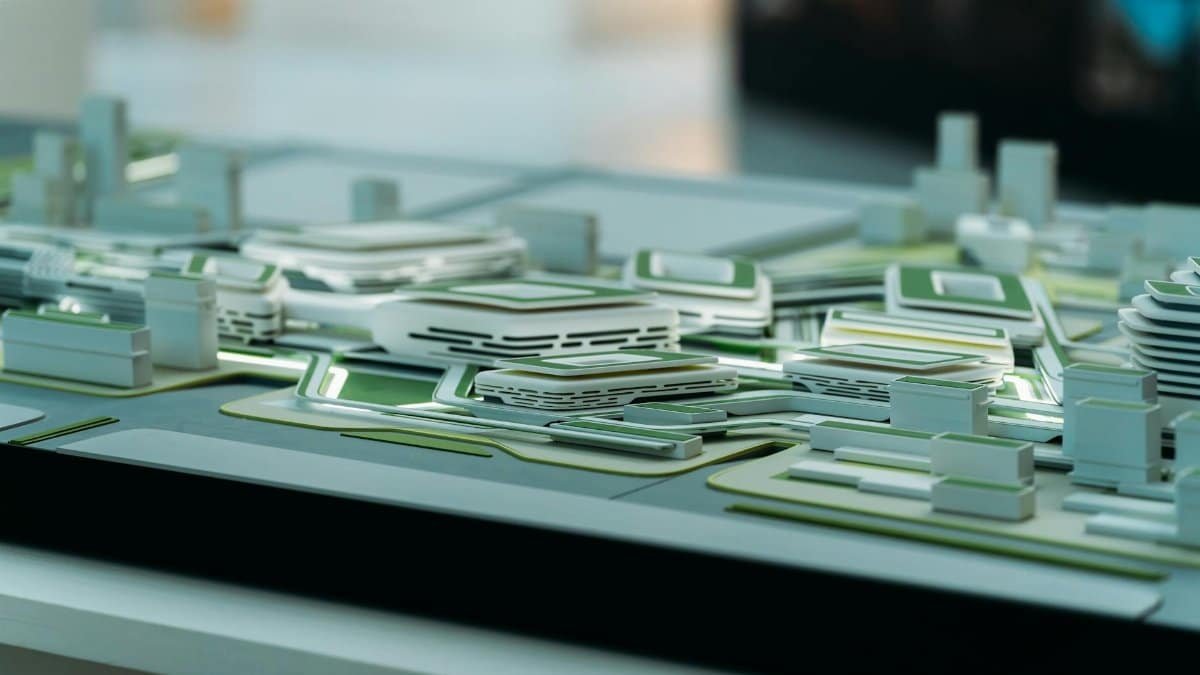
Many new open air projects incorporate sustainable features that would have been impossible in fully enclosed structures. Natural ventilation reduces energy costs. Rain gardens manage stormwater. Solar canopies over parking areas provide both shade and renewable power. These elements appeal to environmentally conscious consumers who increasingly factor ecological impact into their shopping decisions.
Local environmental groups have offered cautious support, noting that thoughtful redevelopment of existing mall sites prevents sprawl into remaining farmland and preserves green space elsewhere. Still, critics point out that increased automobile traffic to these destinations can offset some gains if public transportation options remain limited.
Challenges That Persist in a Northeast Climate

Not every aspect of the open air transition has proven seamless. Long Island winters test the appeal of outdoor walkways, and summer humidity can make even attractive plazas uncomfortable. Developers have responded with flexible programming, heated outdoor areas, and events scheduled during milder seasons. Yet the fundamental question remains whether these formats can maintain consistent visitation year round.
Smaller retailers also express concern about higher operating costs in open air settings where weather affects customer flow more directly. The loss of the guaranteed audience that enclosed malls once provided worries independent business owners who depend on consistent traffic.
Notable Transformations Taking Shape

Several Long Island properties have emerged as test cases for the new approach. Former enclosed malls have added extensive outdoor plazas, removed sections of roofing to allow natural light, and integrated residential buildings into their footprints. The most successful examples function less like shopping centers and more like carefully planned districts where commerce supports a broader lifestyle.
These projects have created construction jobs, attracted new businesses, and in some cases stabilized surrounding property values. Their visibility has encouraged other owners to accelerate renovation plans rather than risk continued decline.
What These Changes Mean for Everyday Shoppers

For residents who have watched these transformations unfold, the experience is bittersweet. Many feel nostalgia for the malls of their youth even as they appreciate the improved aesthetics and amenities of the new formats. The best developments preserve some beloved traditions while introducing fresh possibilities.
Shoppers report that they visit more often when destinations feel like parks rather than retail machines. They linger longer, spend more per visit, and return with family members who previously avoided malls altogether. The psychological shift from obligation to enjoyment may prove the most lasting impact of these physical changes.
The Road Ahead for Regional Retail

The LI mall industry stands at an inflection point. Those who successfully blend commerce with community, sustainability, and adaptability will likely thrive. Others risk gradual irrelevance as consumer preferences continue evolving. What emerges over the next decade will reveal much about how American suburbs redefine public space in an era dominated by digital connection and environmental awareness.
Developers, planners, and local leaders increasingly recognize that mere survival is insufficient. The most promising projects aim to create destinations that enhance quality of life while remaining financially viable. In doing so, they may restore something the old malls once provided: places where strangers become neighbors and commerce serves a larger civic purpose. The coming years will test whether these ambitious open air visions can fulfill that deeper promise.