
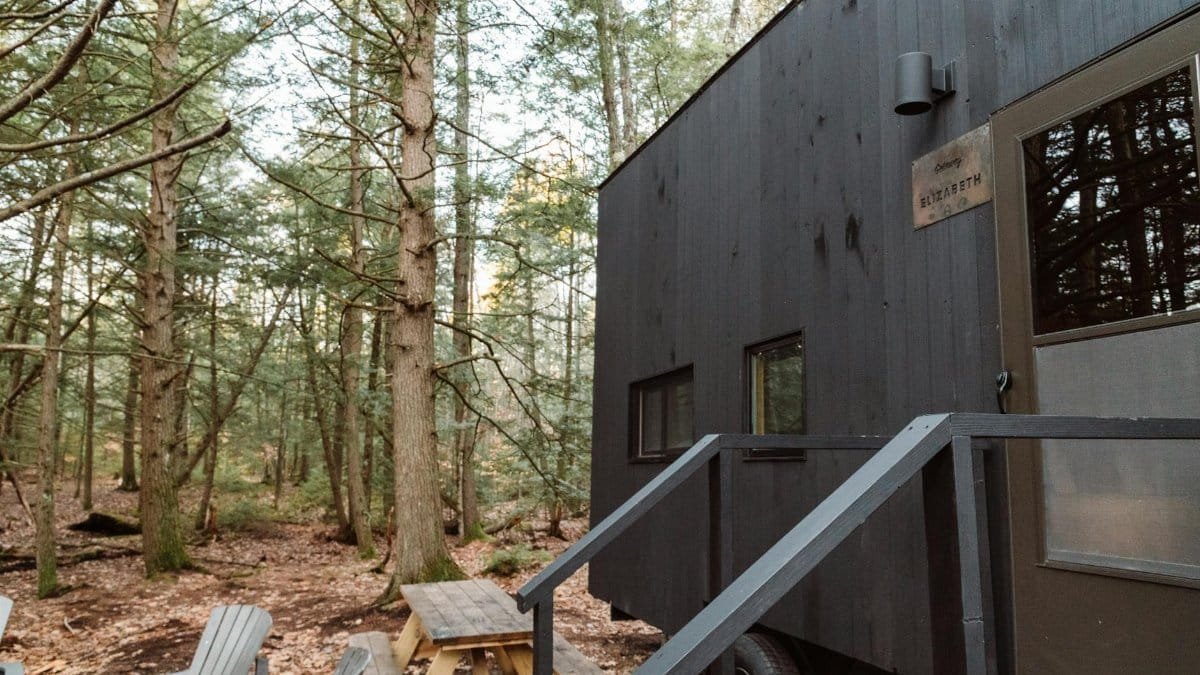
In the serene landscapes of the North Fork of Long Island a profound shift is occurring in how people think about home. Individuals yearning for lives of greater purpose and less clutter are discovering the possibilities in modest dwellings. The tiny home law has ignited an affordable housing boom with developers now planning sustainable compact dwellings throughout Suffolk County. This new regulation does more than ease financial burdens. It taps into a collective desire for harmony with nature and a departure from the relentless pursuit of larger and larger living spaces. What emerges is a quiet reconsideration of what shelter truly means in an era of spiraling costs and environmental strain.
Origins Of The Tiny Home Movement
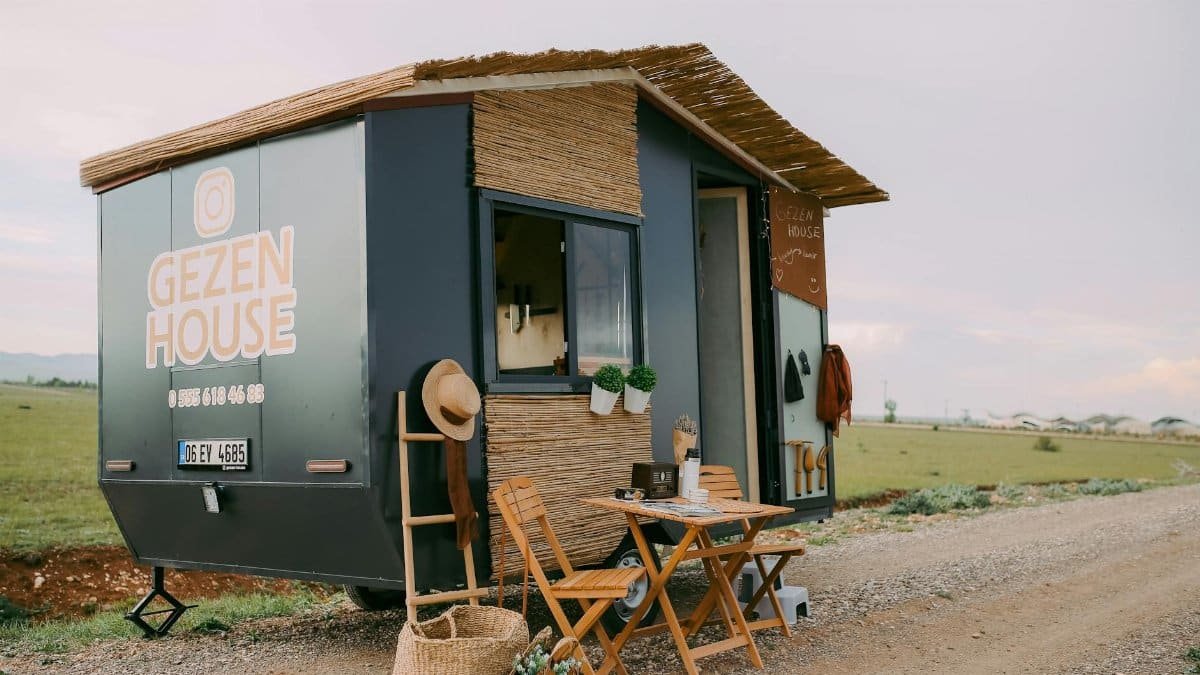
The notion of living in compact shelters reaches far beyond current trends. It connects to longstanding traditions of voluntary simplicity found in spiritual practices across cultures. Monastic cells in early Christian communities and minimalist teachings in Zen Buddhism both point toward the freedom that comes from owning less. On the North Fork these ideas have found fertile ground as local leaders searched for practical answers to a housing shortage that threatens the character of the region.
Developers and residents began to see compact homes not as a step backward but as a return to essential values. The movement gained traction as word spread about successful projects in other states where small dwellings helped young families and retirees alike find stability.
How The Legislation Took Shape
Local officials spent years studying options before the tiny home law took effect. They heard from farmers struggling to house seasonal workers and from adult children unable to afford proximity to aging parents. The resulting rules permit small accessory units on residential lots provided they meet basic safety standards and blend with neighborhood aesthetics. Supporters framed the tiny home law as essential for preserving the working character of the North Fork rather than allowing it to become an enclave for the wealthy alone.
Since implementation interest has surged. Developers report dozens of applications moving forward with several projects already breaking ground. The tiny home law appears to have unlocked pent up demand that conventional housing could never satisfy.
Environmental Advantages Of Compact Living

Smaller homes require fewer resources to build and far less energy to heat and cool. Many of the new North Fork structures incorporate solar panels rainwater collection and natural building materials that minimize ecological impact. Early data from similar projects suggest residents consume significantly less water and generate smaller volumes of waste than those in traditional houses.
Advocates argue this model offers a practical way to address climate concerns while still allowing people to remain in the communities they love. The reduced footprint on the land also helps protect the agricultural heritage that defines the region.
Personal Stories Of Transformation

Sarah Kline a former corporate consultant left her large suburban house two years ago for a compact dwelling overlooking Peconic Bay. She describes an unexpected sense of expansion that came with contraction. Without room for unused possessions she found herself curating a life centered on experiences rather than accumulation. Mornings once spent managing a large property now begin with quiet meditation facing the water.
Similar accounts emerge from other residents. A retired couple spoke of rediscovering conversation and shared projects after decades of inhabiting separate wings of a oversized home. These narratives suggest the physical constraints of tiny homes can foster deeper human connections.
Economic Effects On Suffolk County

The surge in compact construction has created opportunities for local tradespeople at a time when traditional building has slowed. Carpenters electricians and landscapers report steady work as developers race to meet demand. Property values in certain pockets have stabilized as workforce housing becomes available for teachers firefighters and service staff who might otherwise have been forced to commute long distances.
While the units themselves generate modest tax revenue their presence supports local businesses by keeping more residents in the area year round. Restaurants farm stands and shops all benefit when communities remain vibrant rather than seasonal.
Overcoming Local Resistance

Not everyone welcomed the tiny home law with open arms. Some longtime residents expressed fears about changed neighborhood character and potential strain on wells and septic systems. Town meetings grew heated as neighbors debated the visual impact of clusters of small structures on rural roads.
Planners responded by tightening design guidelines and requiring generous setbacks from property lines. Several projects now incorporate shared green spaces that enhance rather than detract from the landscape. Over time many skeptics have softened their stance after seeing thoughtfully designed examples that respect the surrounding environment.
The Spiritual Benefits Of Downsizing

Beyond economics and ecology many residents cite profound inner changes that accompany life in compact homes. Limited space demands mindfulness about every purchase and every habit. This intentionality often spills into other realms creating room for reflection prayer or simply attentive presence with family and nature.
Spiritual leaders in the region have taken notice. Some churches now host discussions about simplicity as a form of stewardship while meditation groups report increased attendance from tiny home residents seeking community beyond their small walls. The dwellings seem to function as modern hermitages that paradoxically deepen connection to the wider world. In an age of distraction these small shelters invite people to examine what truly nourishes the soul.
Innovative Designs Taking Root

Architects have responded to the tiny home law with creative solutions that maximize light and flexibility. Loft sleeping areas fold away to create daytime gathering spaces. Large windows dissolve boundaries between interior and exterior landscapes. Many designs incorporate moveable walls that adapt to changing household needs over decades.
One developer has focused exclusively on structures built from reclaimed barn wood and local stone blending new construction seamlessly into the North Fork aesthetic. These homes feel less like additions and more like natural extensions of the land itself.
Building Community In Small Spaces
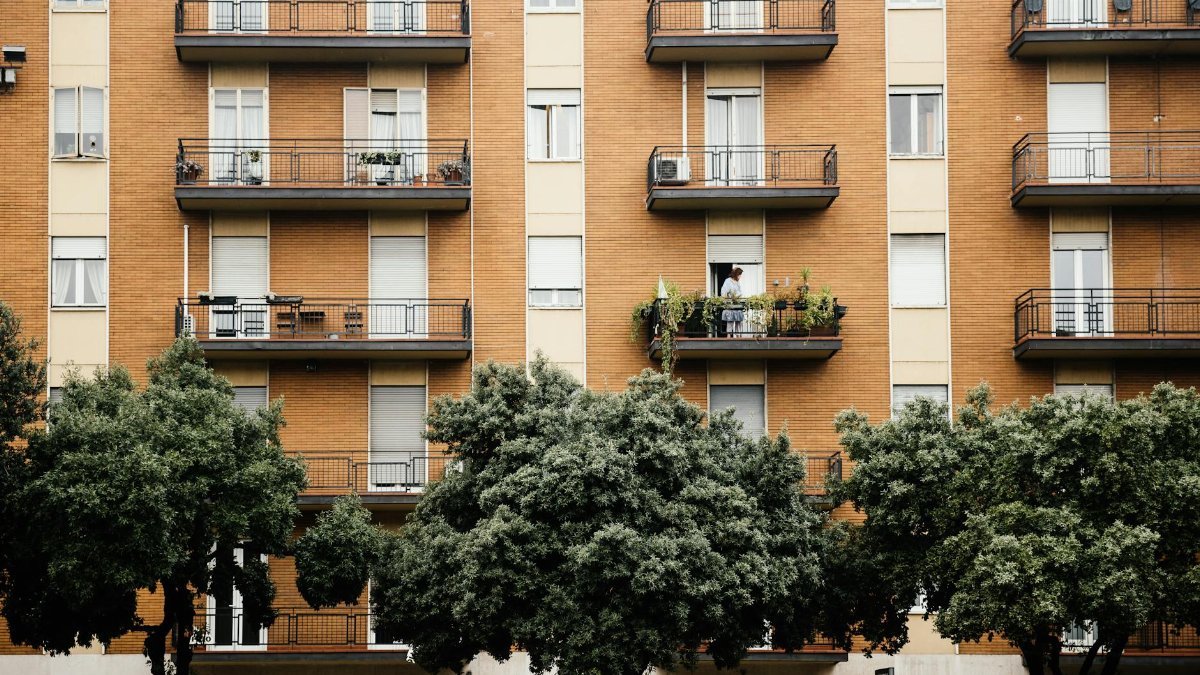
Paradoxically the very smallness of these homes appears to strengthen social bonds. With limited private space residents naturally gravitate toward shared gardens outdoor kitchens and gathering areas. Several new developments have incorporated common houses for group meals and workshops fostering interaction that larger subdivisions often lack.
This pattern mirrors intentional communities rooted in spiritual traditions where shared resources support both individual contemplation and collective care. The North Fork projects suggest a distinctly American expression of these older models adapted to local needs and sensibilities.
Potential Challenges Ahead

Despite early success questions remain about long term durability and resale value. Financing institutions have been slow to embrace tiny homes as collateral which limits options for some buyers. Winter winds sweeping across the bay also test the limits of compact insulation in ways that larger structures might better withstand.
Local governments continue to refine regulations as they learn from initial projects. The coming years will reveal whether the tiny home law represents a lasting solution or merely an interesting experiment in a changing housing landscape.
A Model For The Future

What unfolds on the North Fork may offer lessons for other communities wrestling with affordability and environmental limits. The tiny home law demonstrates that thoughtful regulation can unlock creative approaches while honoring the distinct character of a place. More than housing policy it reflects a cultural moment when many Americans seek lives of greater meaning and lighter impact.
As these compact dwellings multiply across Suffolk County they carry forward an ancient wisdom adapted to modern circumstances. In choosing less residents often report finding more. The structures themselves become vessels for values that transcend square footage reminding us that home ultimately resides less in walls and roofs than in the quality of attention we bring to our days.