
In the crowded plazas of Caracas, where vendors hawk whatever goods remain and families stretch meager supplies, a quiet shift is underway. Former President Trump recently proclaimed that Venezuela is really happy under its present circumstances. The declaration, delivered with characteristic confidence during a gathering of supporters, suggested a nation content with its leadership and direction. Yet fresh polling data reveals a far more complex reality. The survey exposes what analysts now describe as Venezuela fast-growing discontent, a swelling frustration that touches everything from basic services to foreign influence. For a population that has endured years of upheaval, these sentiments reflect not fleeting anger but a profound erosion of hope.
Trump Declares Happiness in Venezuela
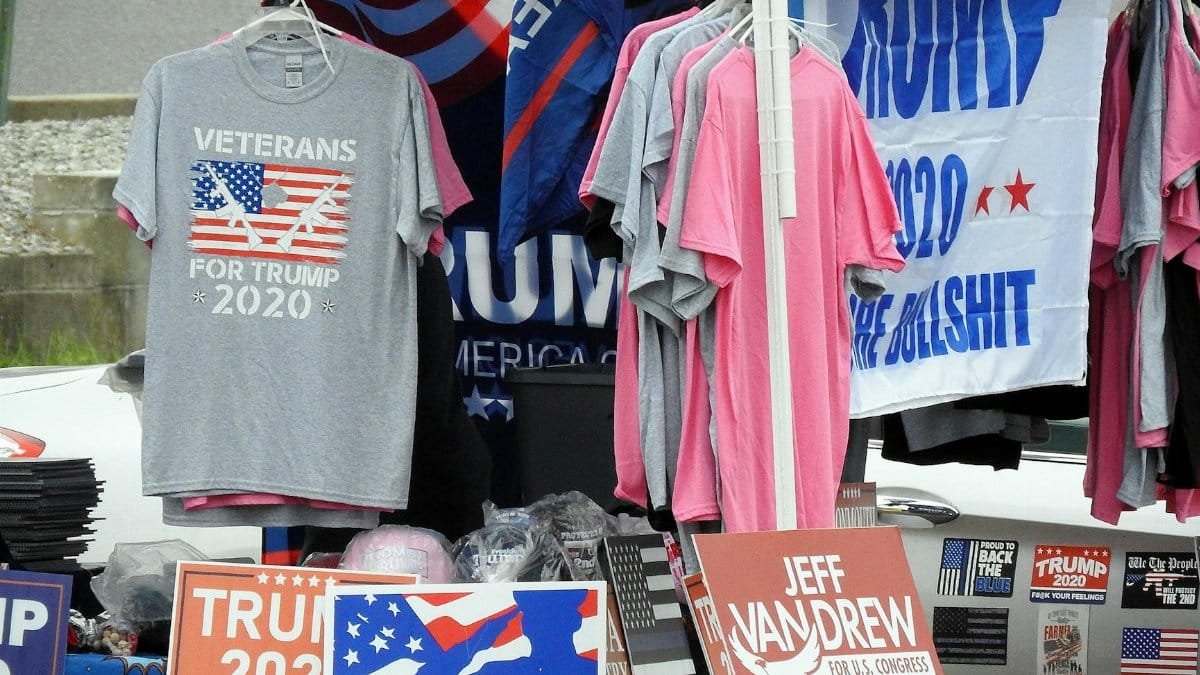
During a recent rally Trump asserted that Venezuelans were grateful for American pressure on their government and were experiencing newfound stability. He pointed to reduced migration flows at the southern border and what he called successful diplomatic maneuvers. The statement aligned with his long held view that tough policies yield positive results. Many listeners in the United States nodded in agreement, seeing the comment as validation of a hard line approach.
Yet those on the ground tell a different tale. Interviews with residents reveal exhaustion rather than satisfaction. Small business owners who once supported opposition figures now express deep reservations. The gap between distant political rhetoric and lived experience has rarely been wider.
The Poll That Tells Another Story
The survey conducted by a respected Latin American research institute and reported in detail by the Miami Herald delivers sobering numbers. More than sixty two percent of respondents indicated growing dissatisfaction with interim opposition leadership. Approval ratings for United States involvement have fallen sharply over the past eighteen months. When asked about their overall direction as a country seventy one percent described conditions as worsening.
These findings arrive at a delicate moment. The poll sampled more than two thousand households across urban and rural zones. Its margin of error remains low enough to inspire confidence among observers. Most striking is the speed of change. Similar surveys from three years ago showed markedly higher optimism about political alternatives. The acceleration of negative sentiment has caught even seasoned analysts by surprise.
Full details of the study can be found at this Miami Herald report.
Understanding Venezuela Fast-Growing Discontent
What exactly drives this surge in frustration? The phenomenon appears rooted in multiple failures that have compounded over time. Citizens expected that international support for opposition leaders would translate into tangible improvements in daily life. Instead many report that conditions have stagnated or deteriorated further. Power outages remain common. Hospitals lack basic medicine. Young people continue to leave in search of opportunities abroad.
This Venezuela fast-growing discontent differs from earlier waves of protest. Previous unrest often centered on specific events or leaders. Current sentiment feels more structural. It reflects a loss of belief that any side currently positioned to govern can deliver meaningful change. Middle aged Venezuelans who raised families during better economic times appear particularly disillusioned.
Years of Economic Turmoil Take Their Toll
The collapse of oil revenues combined with years of mismanagement created conditions few societies could withstand. Hyperinflation at its peak erased lifetimes of savings. Even after partial stabilization the scars remain visible everywhere. Families that once enjoyed modest comforts now navigate survival mode.
Recent attempts at economic reform have produced mixed outcomes. Some sectors show slight recovery while others continue to contract. The uneven nature of progress has fueled skepticism. When political figures on any side promise better days ahead many citizens respond with understandable doubt. They have heard such pledges before.
Small farmers in the interior regions report particular hardship. Without reliable credit or functioning markets they struggle to sustain operations. Their frustration feeds into the larger pattern of national discontent that pollsters have documented.
Interim Leadership Faces Sharp Criticism
Opposition figures who once commanded broad support have seen their credibility diminish. Many Venezuelans initially embraced the idea of transitional governance as a path toward free elections. Yet repeated delays and internal divisions have diminished public confidence.
Critics argue that some leaders became too comfortable with their roles in exile or in international forums. They appeared more focused on maintaining visibility than delivering concrete results at home. This perception has damaged the broader democratic movement. Even committed activists acknowledge that mistakes were made in communication and strategy.
The poll shows particularly low marks for coordination among opposition parties. Fragmentation has left many citizens feeling unrepresented by any faction.
Declining Faith in United States Policies

American approval ratings within Venezuela have dropped to levels not seen in more than a decade. While some still value international attention others view sanctions and statements from Washington as disconnected from their daily struggles. The complex interplay between geopolitical strategy and human consequences has created resentment.
Many express fatigue with being cast as pawns in larger ideological battles. They desire practical solutions rather than rhetorical victories. This sentiment appears strongest among working class neighborhoods where economic pressure feels most acute.
Foreign policy experts note that sustained discontent could complicate future diplomatic efforts. When local populations lose faith in external actors the path toward negotiated settlements becomes narrower.
Voices from Venezuelan Faith Communities
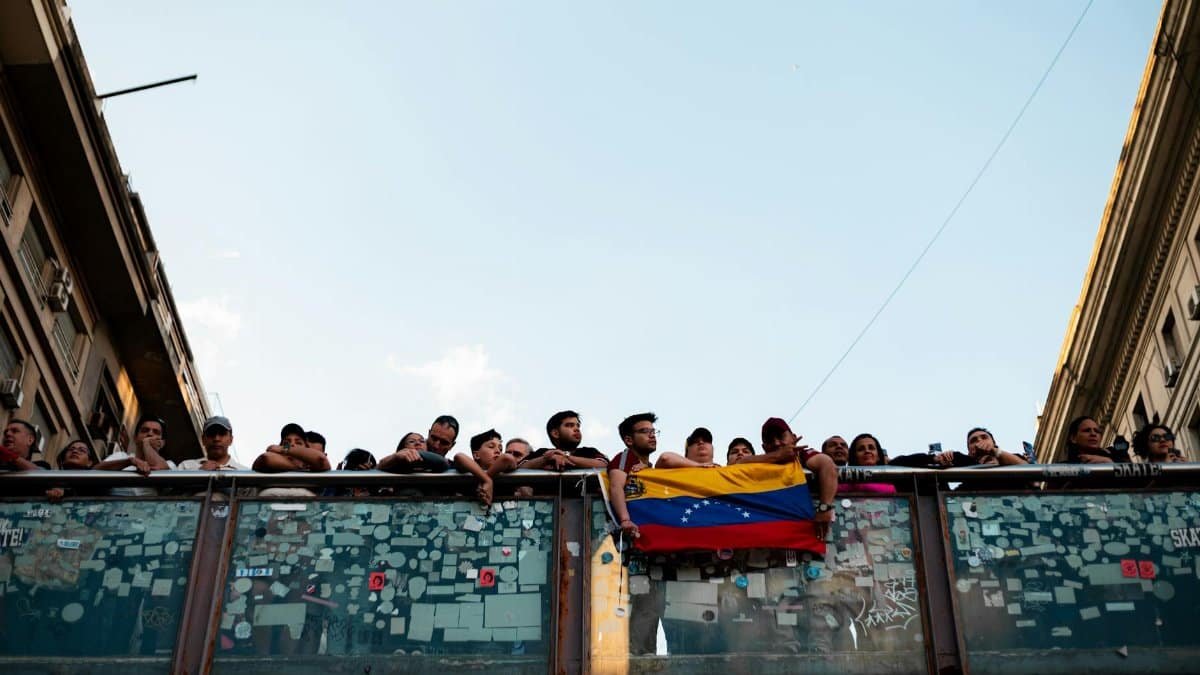
Within this landscape of political disappointment religious leaders have emerged as important interpreters of the national mood. Catholic bishops and Protestant pastors alike describe a spiritual fatigue that accompanies the political variety. Church attendance has risen in some areas as people seek comfort and community amid uncertainty.
Clergy report hearing confessions filled with despair about the future. Many speak of a crisis of hope that transcends simple policy disputes. Sermons increasingly address themes of endurance justice and the moral responsibility of leaders on all sides. Some priests have faced pressure from authorities for addressing these matters too directly.
This spiritual dimension adds depth to the polling data. When citizens lose trust in earthly institutions many turn toward transcendent sources of meaning. The fast growing discontent therefore carries implications that extend beyond politics into the realm of national soul searching.
The Human Cost of Political Stalemate
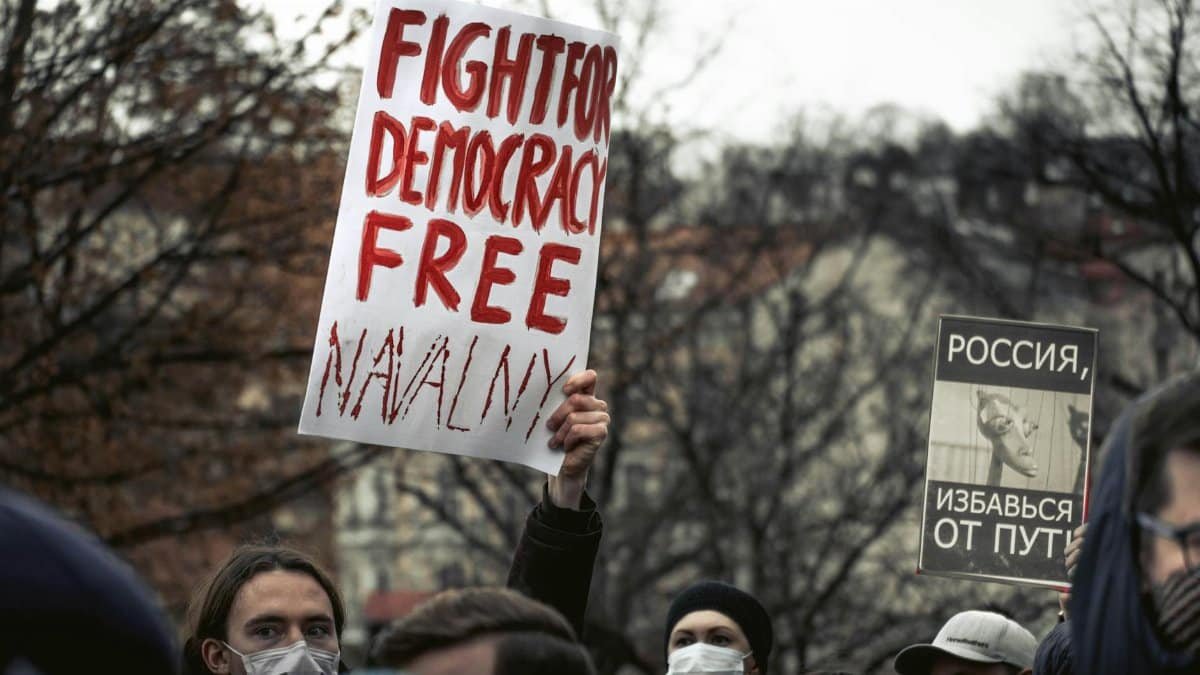
Beyond numbers lie individual stories that illustrate the broader trend. Teachers who have not received consistent pay for months. Doctors practicing without adequate supplies. Grandparents raising grandchildren whose parents have emigrated. These personal narratives rarely make international headlines yet they form the substance of daily life.
One Caracas resident interviewed for the Miami Herald study described watching her neighborhood slowly empty as friends and relatives departed. She expressed tiredness with both government and opposition rhetoric that seemed increasingly removed from such realities. Her sentiment echoes findings across the dataset.
The emigration wave has created additional complications. While it relieves immediate pressure on resources it also drains the country of its most ambitious and educated citizens. Those who remain often shoulder heavier burdens.
Regional Ripple Effects

Neighboring countries watch developments in Venezuela with understandable concern. Colombia Peru and Ecuador continue to host millions of Venezuelan migrants. Any further destabilization could trigger new outflows that strain social services and political stability across the region.
Diplomatic initiatives involving multiple Latin American nations have shown limited success thus far. The complex web of interests makes consensus difficult. Brazil and Mexico have offered alternative mediation approaches that emphasize dialogue over confrontation.
The fast growing discontent within Venezuela therefore represents more than an internal matter. It carries consequences for hemispheric relations and migration patterns that affect millions beyond its borders.
What the Future May Hold

Looking forward analysts suggest several possible trajectories. Some foresee continued stagnation with periodic flare ups of protest. Others hope that mounting pressure from below might force genuine negotiations between competing factions. A third scenario involves the rise of new political actors less tainted by past failures.
Much depends on whether current leaders prove capable of adapting to shifting public sentiment. The poll data offers a warning that time for meaningful course correction may be growing short. Citizens appear less willing to extend indefinite patience to any side.
International actors face their own choices. Continued isolation or increased engagement each carry risks. The most constructive path likely involves careful listening to Venezuelan voices rather than imposing external templates.
Lessons for International Diplomacy
The disconnect between official narratives and ground level reality offers broader instruction for how powerful nations engage with complex societies. Simple declarations of success rarely survive contact with detailed polling data. Sustainable progress requires deeper understanding of local conditions and aspirations.
For the United States in particular the Venezuelan case illustrates both the possibilities and limitations of external influence. While American pressure has shaped events it has not produced the outcomes many hoped to see. Learning from these experiences could inform more effective approaches elsewhere.
Ultimately the story of Venezuela fast-growing discontent reminds us that politics remains intensely human. Behind every percentage point in a survey lie individual lives marked by struggle resilience and an enduring desire for dignity. Any path forward must begin by acknowledging that fundamental truth.