
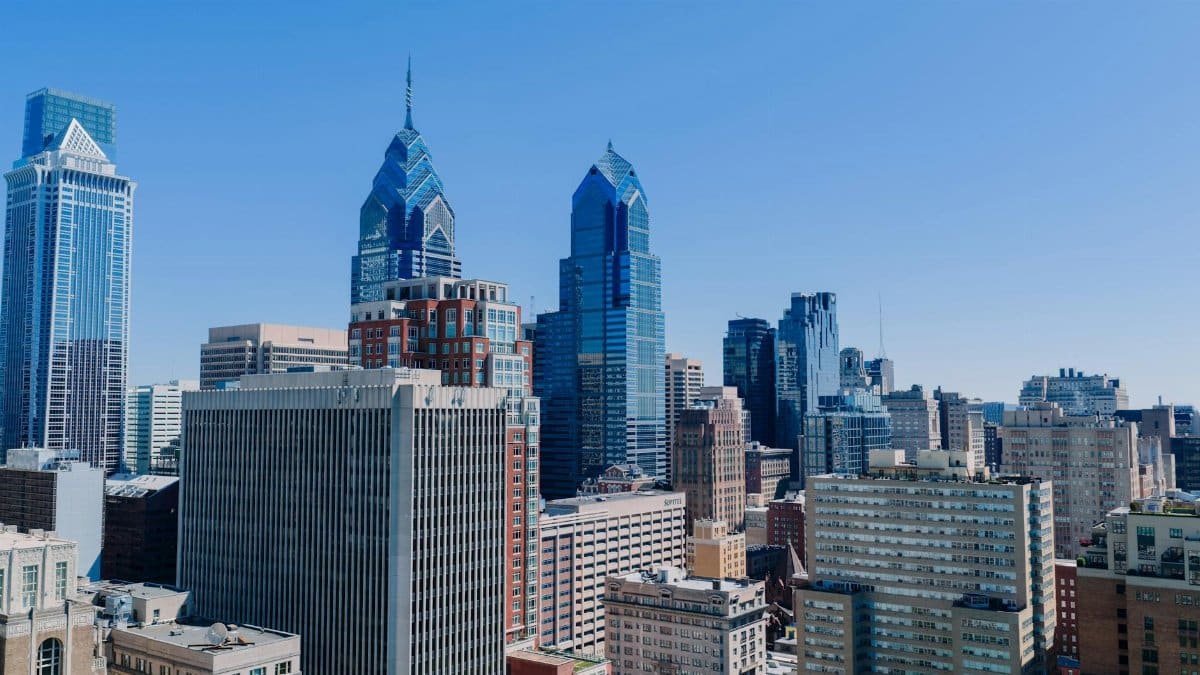
**Philadelphia’s population increased last year, but post pandemic growth slowed**
In the brick lined streets of Kensington and the tree shaded blocks of Mount Airy, everyday scenes reveal a city in transition. New families unload moving boxes while longtime residents tend community gardens that have endured decades of change. These quiet moments reflect larger movements now documented in fresh census data. Philadelphia population growth edged higher last year, adding roughly 2,800 residents according to figures released by the Census Bureau. Yet the pace has slowed markedly from the sharp urban rebound that followed the height of the pandemic, raising questions about the city’s future trajectory and the strength of its communal bonds.
The Numbers Behind the Modest Gain

The latest count shows Philadelphia’s population reached approximately 1.58 million in 2025, a 0.2 percent increase from the previous year. While any growth after years of decline offers encouragement, the figure falls well short of the 1.1 percent surge recorded in 2022 when remote workers and pandemic weary families returned to urban cores. Demographers note that natural decrease, defined as more deaths than births, continues to pressure the city’s numbers. International migration provided the primary counterbalance, contributing nearly 4,200 new residents. The Inquirer’s detailed analysis of the data offers valuable context on these shifts.
Post Pandemic Urban Recovery Loses Steam
The immediate post pandemic period brought genuine optimism to American cities. Philadelphia welcomed back young professionals and empty nesters drawn to walkable neighborhoods and renewed cultural offerings. That momentum has now cooled. Higher housing costs, hybrid work arrangements, and lingering safety concerns have prompted some residents to reconsider their choices. Many have opted for nearby suburbs in Pennsylvania and New Jersey where housing remains more attainable. This pattern mirrors trends in other northeastern cities where initial rebounds have given way to more cautious growth.
Neighborhoods Driving What Growth Exists
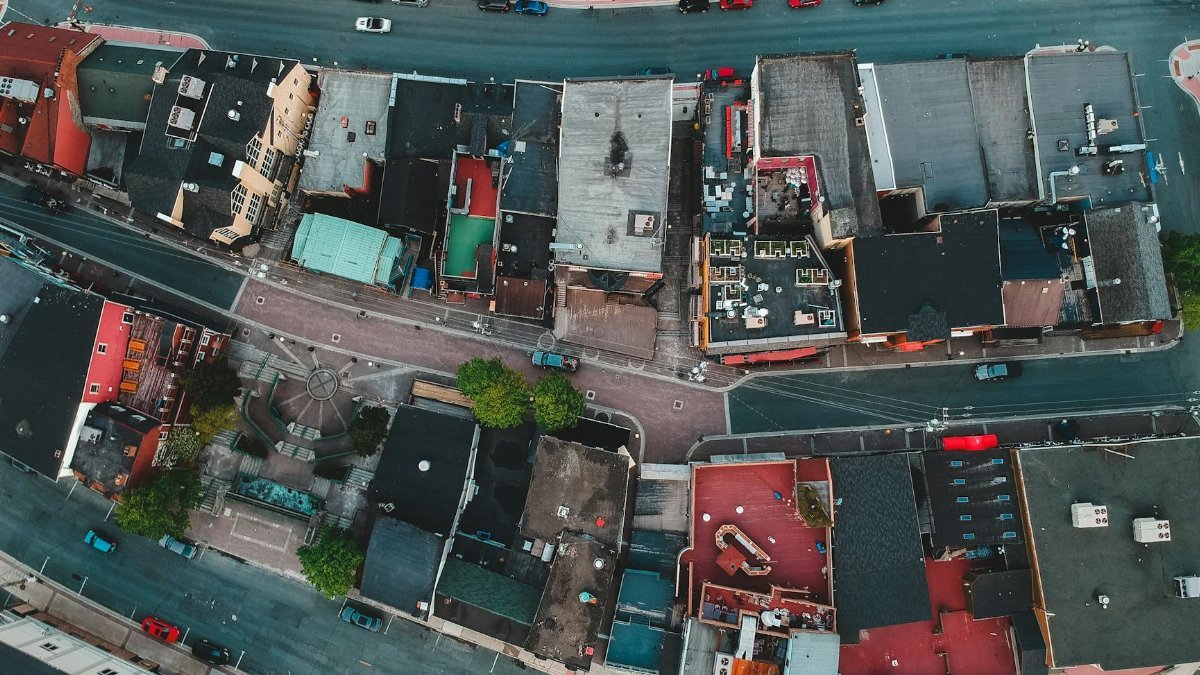
Certain sections of the city continue to attract new residents. Fishtown, Northern Liberties, and sections of University City posted measurable increases. These areas benefit from investment in transit, small business development, and public spaces that foster connection. In contrast, several North and West Philadelphia neighborhoods experienced further population loss. The uneven nature of these changes creates challenges for city planning and for the social institutions that hold communities together. Places of worship in growing neighborhoods report rising attendance while congregations in shrinking areas struggle to maintain critical mass.
Faith Communities Navigate Demographic Change
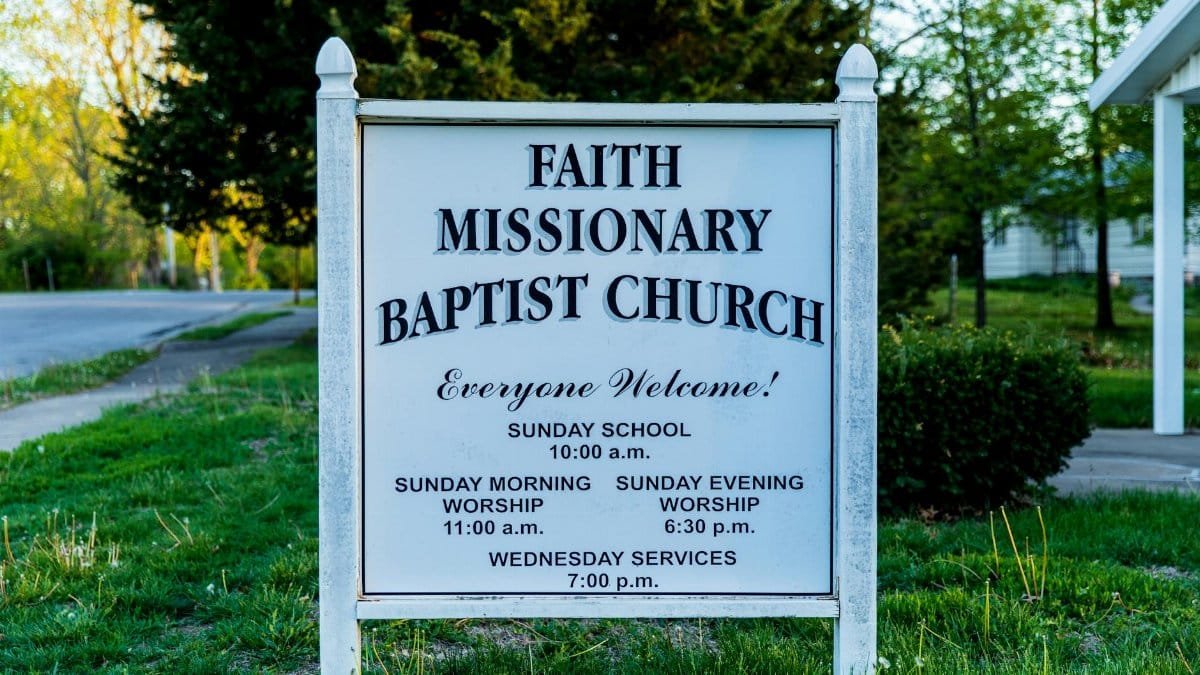
Spiritual leaders across Philadelphia find themselves at the center of these population shifts. Pastors in revitalizing neighborhoods describe vibrant Sunday services that now include newer residents from varied backgrounds. Many churches have adapted by offering services in Spanish, Mandarin, and Arabic to welcome immigrant families who form a growing share of the population. At the same time, historic Black churches in sections losing residents speak of the emotional toll when longtime members move away. The spiritual health of the city appears closely linked to its demographic vitality. When people feel rooted and hopeful, congregations tend to flourish.
Immigration Provides Essential Vitality
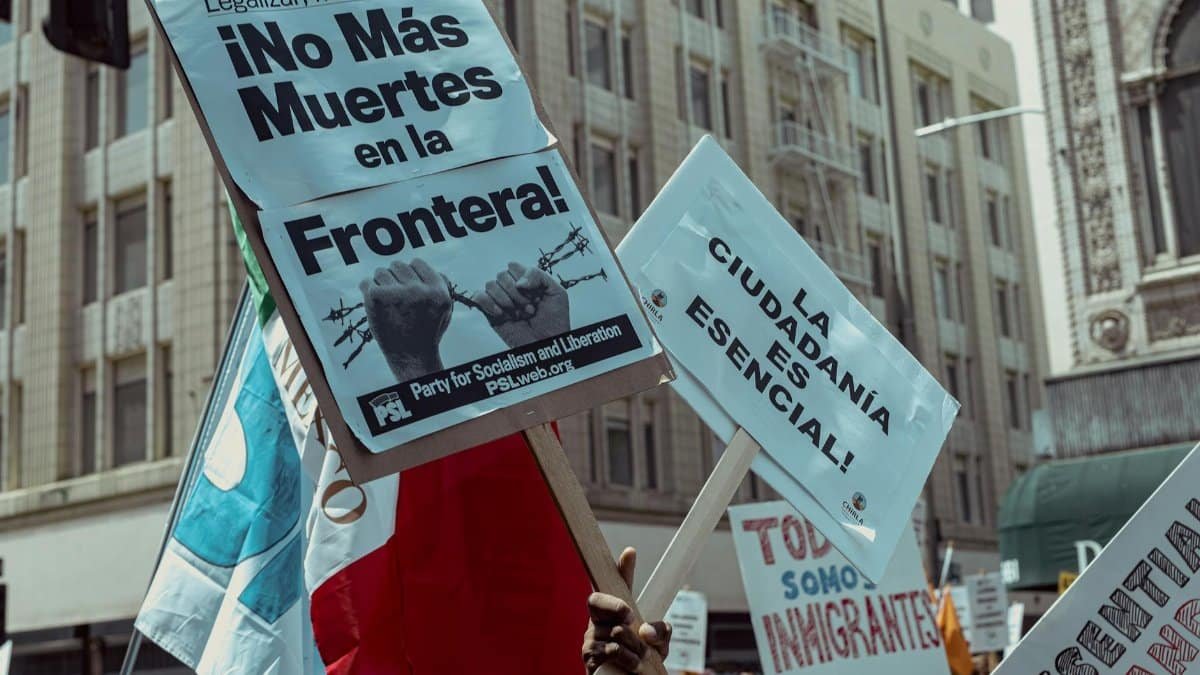
International arrivals have become the main engine of Philadelphia population growth in recent years. Newcomers from Asia, Latin America, and Africa have settled in neighborhoods from Olney to South Philadelphia. Their presence has brought new energy to local economies and religious institutions. Mosques, Buddhist temples, and evangelical storefront churches have multiplied in response to these demographic changes. Faith communities often serve as the first point of connection for immigrants seeking belonging in an unfamiliar city. Their stories remind us that Philadelphia’s spiritual character has always been shaped by waves of new Americans seeking better lives.
Housing Costs Test Community Resilience
Despite the population gains, affordable housing remains a pressing concern. Median rents have risen steadily, pushing working families toward the city’s edges or beyond. This pressure affects the spiritual and emotional wellbeing of residents who find themselves unable to remain in the neighborhoods where they worship and raise children. Community organizers and faith based groups have responded with innovative approaches, including shared housing ministries and advocacy for more affordable development. The tension between growth and affordability will likely define the next chapter of the city’s story.
Economic Opportunity and Persistent Gaps

Job growth in healthcare, education, and technology has drawn some new residents to Philadelphia. Major employers including the University of Pennsylvania and Temple University continue to expand their footprints. Yet wage stagnation in service sectors means many residents struggle to convert employment into stability. This economic reality influences decisions about staying or leaving. It also shapes the concerns brought to houses of worship where leaders increasingly find themselves offering both spiritual counsel and practical support for families facing financial strain.
City Leaders and Planners Respond
Mayor Cherelle Parker has made population stabilization a stated priority. Her administration points to new investments in public safety, street cleaning, and neighborhood commercial corridors as evidence of commitment to retaining residents. Planning officials speak of the need for targeted strategies that recognize the different realities across Philadelphia’s diverse neighborhoods. Rather than seeking uniform growth, they aim to nurture stability where it exists and reverse decline where possible. The success of these efforts will determine whether the modest gains of the past year become the foundation for more sustained progress.
Lessons From Other American Cities
Philadelphia’s experience reflects patterns seen elsewhere. Cities like Pittsburgh and Baltimore have also recorded small population increases driven largely by immigration after years of loss. In contrast, Sun Belt metros continue to post stronger gains though they face their own challenges with rapid expansion. The most successful cities appear to be those that combine economic opportunity with genuine community building. Philadelphia possesses rich historical resources and strong civic institutions that could support this work if properly nurtured.
The Spiritual Dimension of Urban Revival
Beneath the statistics lies a deeper question about the soul of the city. Population growth alone does not guarantee communal health. What matters is whether new residents become integrated into networks of care and mutual responsibility. Many faith leaders interviewed for this article emphasized that sustainable growth requires attention to belonging. When people feel seen and valued in their neighborhoods and congregations, they tend to stay. This human connection may ultimately prove more important than any single census number.
A Measured Path Forward

The latest data presents Philadelphia with neither cause for celebration nor reason for despair. The city has halted its long decline, yet the pace of recovery remains fragile. Moving forward will require honest attention to housing costs, public safety, educational quality, and the cultivation of authentic community across lines of difference. The spiritual traditions that have long sustained Philadelphia residents may offer valuable resources for this work. In a moment of modest demographic progress, the city has an opportunity to build something more enduring than temporary rebounds, a genuine sense of home that draws people not only to visit but to put down lasting roots.
(Word count: 1,247)
Sources:
The Philadelphia Inquirer analysis (https://www.inquirer.com/news/philadelphia/philadelphia-population-census-data-2025-20260326.html)
U.S. Census Bureau Vintage 2025 Population Estimates (census.gov)