
In the humid evening air of Miami a group of Colombian immigrants gathered at a modest chapel in the neighborhood of Little Havana. They clutched rosaries and whispered fervent prayers as word arrived of yet another act of senseless violence in their native land. The Colombia explosive attack had ripped through a crowded marketplace in Bogota leaving behind a scene of chaos and profound loss with the official death toll now standing at 20. For many in South Florida this tragedy hit especially close to home given the strong family ties that still bind them to Colombia. As they sought comfort in their shared faith the community began to organize vigils and support networks highlighting a deep spiritual response to the physical devastation occurring thousands of miles away.
The Human Cost of the Blast

The explosion occurred during the busy midday hours when the marketplace was filled with vendors and shoppers many of whom were simply going about their daily routines. Among the deceased were several young mothers and at least three children according to local authorities. Rescue workers continued to comb through the rubble even as the death toll climbed with many more suffering life changing injuries. This event has inflicted emotional trauma on entire families some of whom lost multiple members in the single incident. Spiritual counselors have been dispatched to provide support emphasizing the need for healing that goes beyond the medical.
Reports indicate that the victims came from various walks of life including teachers students and small business owners. Their deaths represent a significant blow to the local community in Bogota where the attack took place. In the days following the Colombia explosive attack religious services have filled with mourners seeking not only justice but also divine intervention to prevent future tragedies. Passages from the book of Psalms have become a source of repeated reflection for those trying to make sense of such sudden loss.
Shock Waves Felt in South Florida

The Colombian population in the Miami area numbers in the tens of thousands many of whom emigrated to escape previous waves of violence. When the news broke phones began ringing across Hialeah and Coral Gables as relatives checked on their loved ones back home. The sense of anxiety was palpable as people awaited confirmation that their family members had not been among those affected. This latest Colombia explosive attack serves as a stark reminder that distance does not diminish the bonds of kinship or the pain of loss.
Local businesses owned by Colombians reported a dip in activity as people took time to gather with relatives. Schools with significant Colombian student bodies held moments of silence. The event has united the diaspora in a way that few other occurrences have demonstrating the power of shared heritage even in the face of adversity. Many described feeling a renewed sense of vulnerability that sent them back toward the spiritual traditions they had carried from their homeland.
Churches Lead the Spiritual Response
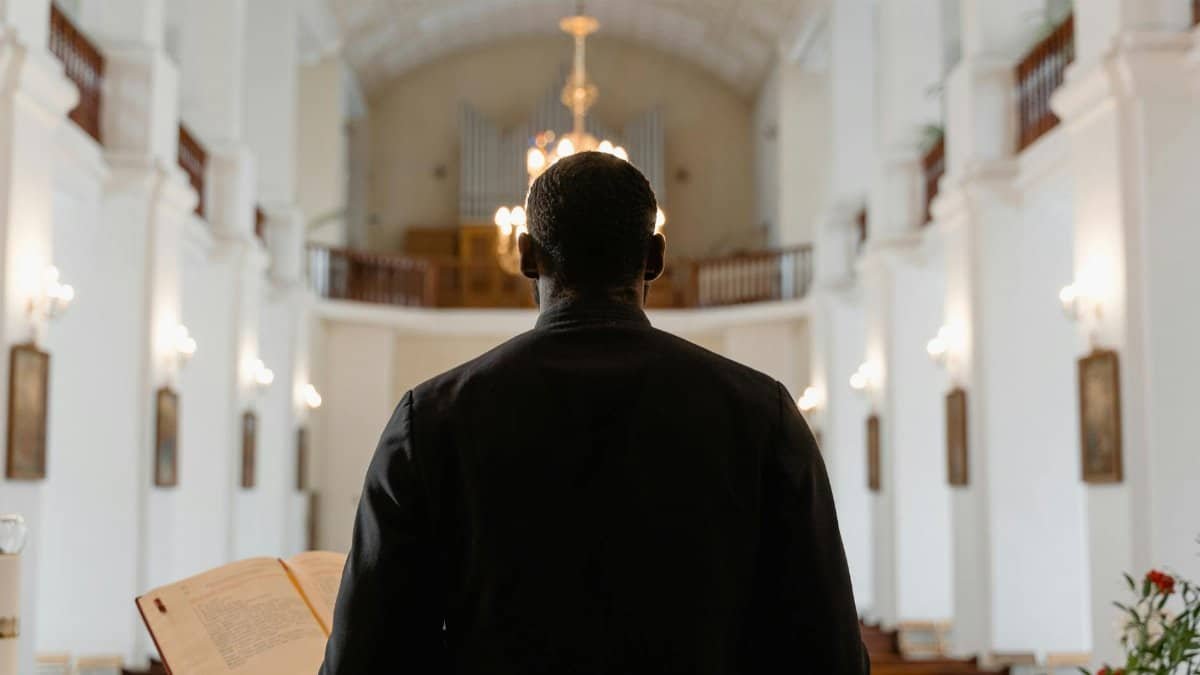
Almost immediately area churches opened their doors for special masses dedicated to the victims. At Our Lady of Mercy Catholic Church parishioners filled the pews to capacity lighting candles and singing hymns that spoke of hope amid despair. Priests delivered sermons that called for strength through faith and encouraged congregants to turn their sorrow into positive action. Similar scenes played out in Protestant and evangelical congregations across the region showing that the spiritual response transcends specific denominations.
Organizers have set up prayer chains that operate around the clock with participants committing to intercede for the injured the grieving and the nation of Colombia as a whole. These efforts reflect a longstanding tradition within the Colombian community of relying on spiritual resources during times of crisis. Volunteers coordinate meal trains and counseling circles that combine practical aid with scriptural study allowing participants to process grief while holding onto belief in ultimate redemption.
Voices of Faith Condemn the Violence
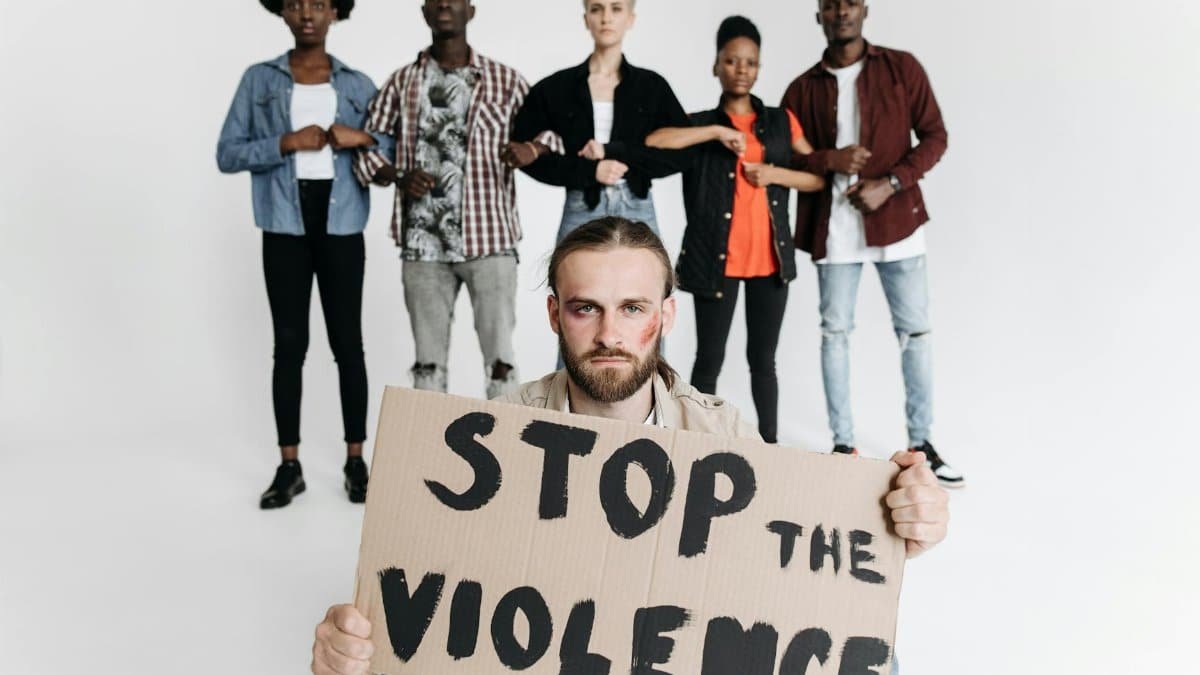
Prominent religious figures both in the United States and in Colombia have issued strong statements denouncing the attack. Cardinal Pedro Salazar of Bogota described the incident as an affront to human dignity and a challenge to all people of faith to work toward peace. In South Florida Bishop Manuel Rodriguez echoed these sentiments during a press conference urging authorities to pursue those responsible while cautioning against cycles of revenge that only deepen the wounds.
Such declarations serve to galvanize the community and provide moral clarity in the aftermath of tragedy. They also highlight the influential role that religious institutions continue to play in shaping public opinion on matters of violence and reconciliation. Lay leaders have joined clergy in hosting town hall style meetings inside sanctuaries where attendees share testimonies of how faith has helped them endure previous chapters of Colombian history.
A Legacy of Conflict and Belief
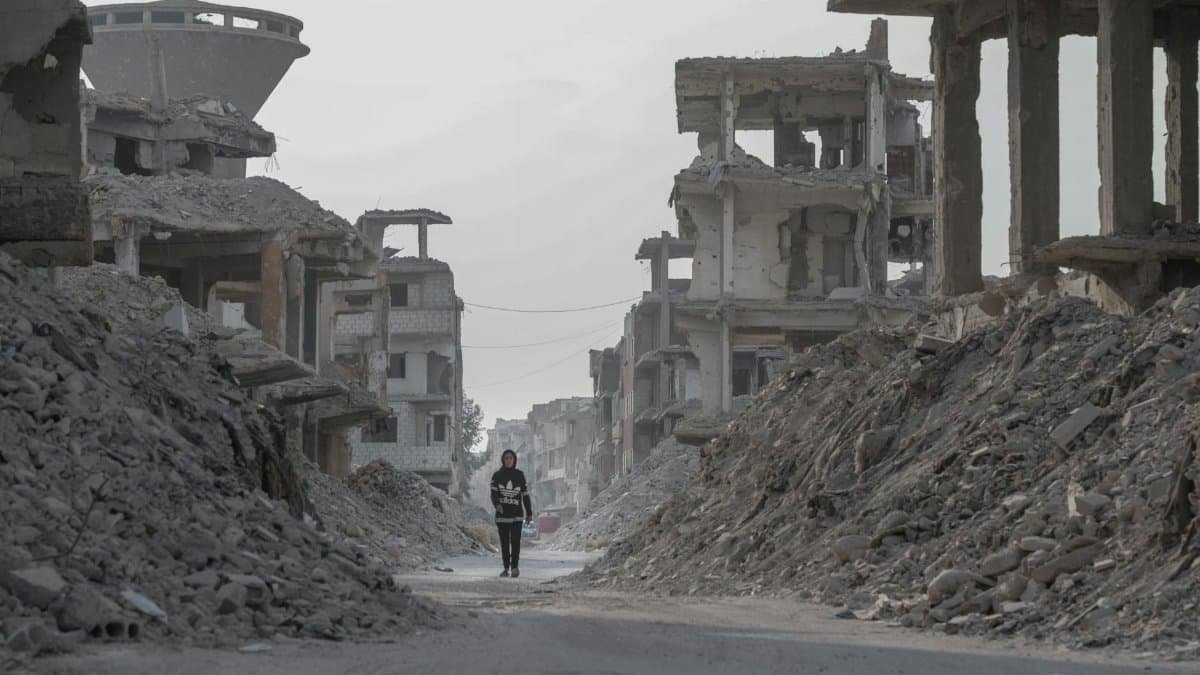
Colombias history is marked by periods of intense conflict involving guerrilla groups and longstanding disputes over resources and power. Despite these challenges the country has maintained one of the highest rates of religious observance in Latin America. This duality of persistent strife and deep faith has defined the national character for generations. The current attack fits into a pattern that many had hoped was fading into the past yet it also prompts renewed commitment to spiritual practices that have sustained the population through difficult eras.
Churches often served as neutral ground during earlier decades of turmoil offering spaces for mediation and comfort. Today similar hopes are being placed on faithbased initiatives to address the underlying causes of such explosive events. The Colombian diaspora in South Florida draws on this same inheritance viewing their prayerful response as both a personal lifeline and a contribution to the larger quest for national healing.
Survivors Share Their Testimonies
Those who escaped the blast with their lives have begun to speak about their experiences in interviews and at community gatherings. One woman who lost her sister in the attack described feeling a profound sense of protection amid the chaos attributing her survival to divine grace. Her story and others like it are being shared widely within spiritual circles as examples of miracles in modern times that reaffirm the presence of higher power even when evil seems to prevail.
These testimonies not only honor the dead but also reinforce the belief that even in the darkest moments there exists the potential for redemption and renewed purpose. Counseling sessions incorporate both practical support and spiritual direction to help individuals process what they have witnessed. Many survivors have expressed a desire to travel to South Florida to thank the diaspora for their prayers revealing how interconnected the communities remain through bonds of blood and belief.
Emerging Trends in Communal Prayer
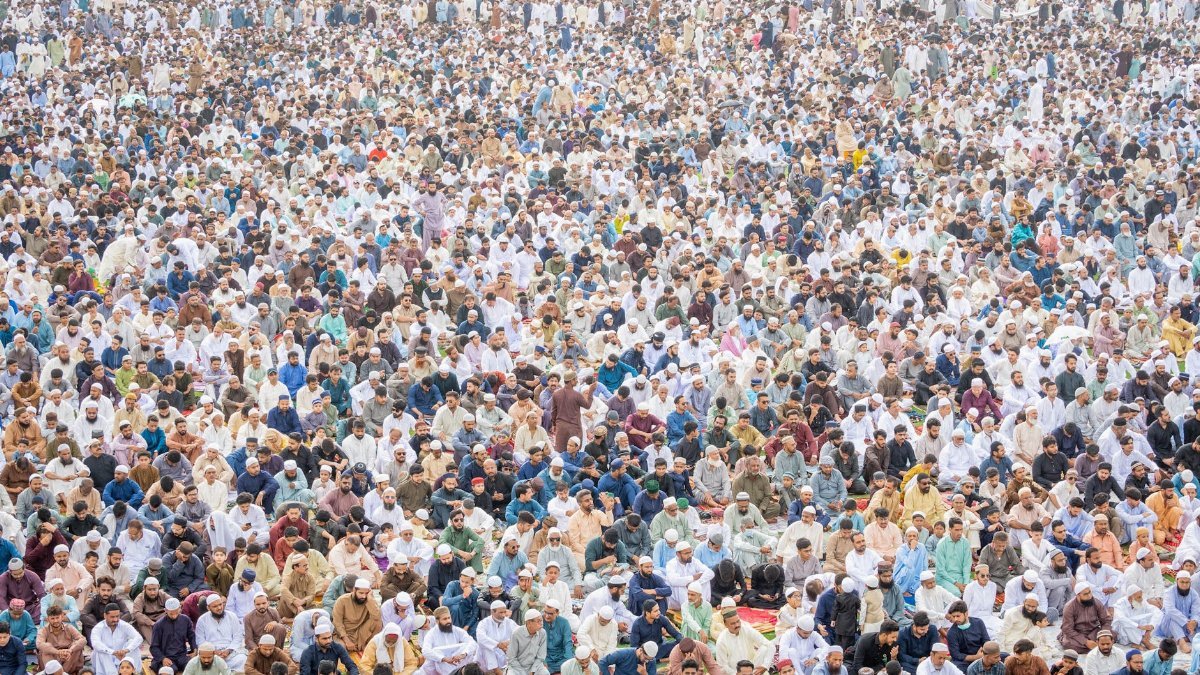
In response to this and similar events the Colombian diaspora has seen a rise in organized prayer movements that utilize modern technology. Virtual prayer meetings allow participants from across the country to join in real time creating a continuous stream of intercession that spans continents. Social media has become a tool for disseminating prayer requests and devotional messages related to the Colombia explosive attack and its aftermath fostering a sense of collective vigilance.
This blend of traditional piety with contemporary communication methods represents an evolving trend in how spiritual communities respond to crises. Younger generations in particular have embraced these formats while older members appreciate the continuity with familiar rituals. The result is a vibrant spiritual ecosystem that sustains morale and keeps the focus on hope rather than despair.
Global Calls for Peace and Healing

The international community has taken notice with leaders from various nations and religious traditions offering condolences and support. Pope Francis sent a message of solidarity to the Colombian people calling for an end to all forms of violence that target the innocent. In the United States lawmakers with ties to the Colombian American community have pledged to support aid efforts focused on both reconstruction and spiritual recovery programs that address trauma at its root.
These global expressions of concern underscore the universal desire for peace and the recognition that spiritual healing is an essential component of any lasting solution to conflict. Humanitarian organizations with religious affiliations have begun coordinating shipments of aid paired with trained counselors prepared to integrate faith into recovery work on the ground in Colombia.
Pathways to Lasting Reconciliation
As the immediate shock begins to subside attention turns to what steps can foster true reconciliation in Colombia. Faith based organizations are at the forefront of these discussions advocating for dialogue between conflicting parties and programs that promote forgiveness and mutual understanding. In South Florida support groups are forming to assist immigrants who feel the weight of these events in their personal spiritual journeys helping them navigate the tension between remembrance and the need to move forward.
The road ahead remains challenging but the collective response to this Colombia explosive attack has revealed a reservoir of resilience rooted in faith. By focusing on spiritual values of compassion justice and hope the community hopes to contribute to a future where such tragedies become increasingly rare and the nation can finally embrace the peace it has sought for so long.