

In the heart of one of Americas most vibrant and diverse cities a serious political confrontation is unfolding. Houston finds itself grappling with severe budget threats that could disrupt essential services for millions of residents. City leaders have formally declared a crisis in response to the governors latest maneuver. At the core of this tension is a profound disagreement regarding local policies on immigration and cooperation with federal authorities. When Abbott threatens funds the impact resonates throughout neighborhoods from bustling downtown corridors to quiet suburban streets.
This situation goes beyond numbers on a balance sheet. It reflects deeper divides about compassion justice and the proper role of government at different levels. For many middle aged readers who recall simpler times in Texas politics this escalation feels both familiar and alarming. The sum involved one hundred ten million dollars represents more than mere funding. It embodies support for programs that help the vulnerable maintain infrastructure and ensure public safety. As the two sides dig in positions the human stories behind the headlines risk being overlooked in favor of partisan point scoring.
Houston Leaders Sound The Alarm

Mayor John Whitmire did not hesitate to characterize the potential loss of state support as a crisis that demands immediate attention. In recent public statements he outlined how such cuts would force difficult choices across multiple departments. Public health initiatives after school programs and maintenance of critical infrastructure all stand to suffer if the funds disappear. City administrators have begun drafting contingency plans though they acknowledge these measures can only do so much to replace the lost revenue.
City council members have echoed these concerns emphasizing that the city has a responsibility to its residents first and foremost. The declaration serves as both a plea for reconsideration and a public stand against what some see as overreach from the state capital. This moment of Abbott threatens funds puts the spotlight on the delicate balance of power in a state as large and varied as Texas. Officials worry that yielding to the pressure would set a troubling precedent for future interactions between state and local government.
The Heart Of The Immigration Debate
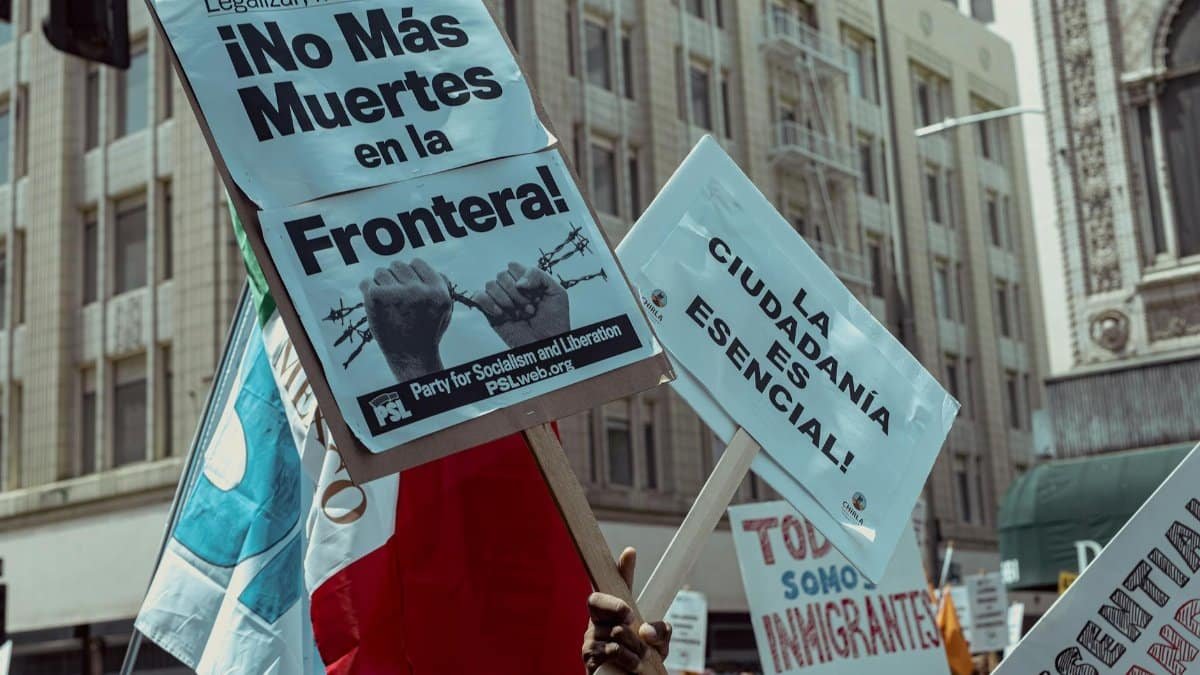
At its essence the conflict stems from differing visions for how to address immigration in a border state. Governor Abbott has made enforcement a cornerstone of his administration. He expects local jurisdictions to honor detainer requests from federal immigration officials without exception. Houston on the other hand has adopted policies designed to build confidence among immigrant populations many of whom contribute significantly to the local economy and cultural richness.
Advocates for the citys approach argue that aggressive enforcement can deter crime reporting and community cooperation in other areas. State officials counter that selective compliance undermines the rule of law and creates uneven application of regulations across the state. This fundamental clash set the stage for the current financial pressure. The dispute reveals how immigration has become a proxy for larger questions about identity security and what it means to welcome newcomers while maintaining order.
Financial Stakes And Service Disruptions

Should the threatened funds be withheld the consequences could prove severe. Budget analysts project reductions in areas ranging from transportation projects to youth development initiatives. One particularly troubling aspect involves potential staffing shortages in emergency response units. Officials warn that response times for critical calls might increase if resources become stretched too thin. Flood control projects that have become vital after years of devastating storms could also face delays leaving neighborhoods more vulnerable during hurricane season.
Social service agencies that rely on state grants to supplement local budgets are already preparing for shortfalls. Food assistance programs mental health support and job training efforts all form part of the interconnected web that could unravel. For a city still recovering from recent challenges like the pandemic and winter storms the timing could hardly be worse. Libraries community centers and senior programs that provide essential connection points for middle aged and older residents stand at particular risk of reduced hours or closure.
Political Calculations At Play

Observers note that the move fits into a larger pattern of using financial incentives and penalties to align local policies with state priorities. Governor Abbott has employed similar tactics in other contexts including education and public health. Critics view this as coercive while supporters see it as necessary accountability for taxpayer dollars. The governors office maintains that cities must follow state law if they wish to receive state money.
In the current climate with national attention focused on border security the governor likely calculates that a firm stance will resonate with his political base. Yet the risk of appearing to punish a major economic engine like Houston carries its own political hazards. The situation of Abbott threatens funds therefore represents a high stakes gamble for all involved parties. Political analysts suggest the confrontation may also serve to energize voters ahead of future elections by highlighting clear differences in philosophy between state and urban leadership.
Community Voices Rise In Response
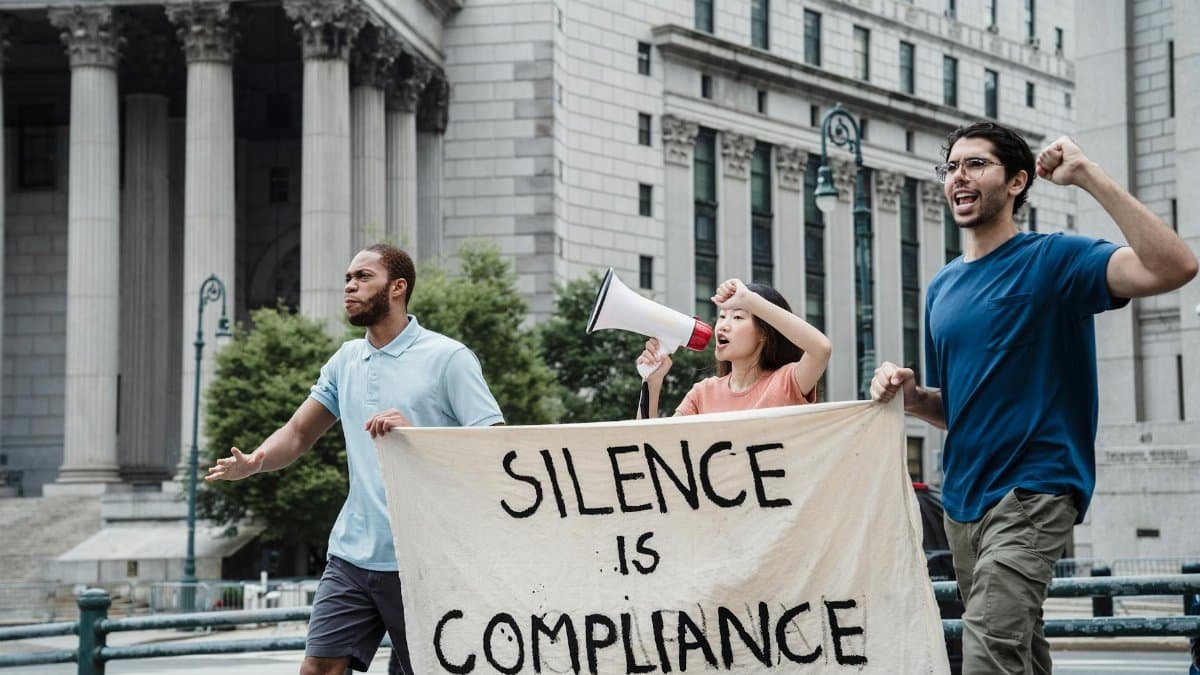
Residents from all walks of life have begun to make their perspectives known through public forums and social media campaigns. Town hall meetings have drawn capacity crowds where speakers express frustration anxiety and occasionally support for the governors position. Business leaders worry about the economic repercussions while advocacy groups focus on the potential harm to immigrant families and the citys reputation as a welcoming place.
Everyday Houstonians have shared personal stories about how city services have helped them through tough times. These testimonies remind policymakers that budgets are not abstract concepts but lifelines for real people. The breadth of engagement shows how deeply this issue cuts across traditional dividing lines of age income and background.
The Spiritual Dimensions Of This Crisis

In a development that aligns with ongoing spiritual news and trends faith based organizations have emerged as key players in the conversation surrounding the budget standoff. Many religious leaders argue that leveraging essential funds as a tool of enforcement raises ethical questions about collective responsibility and care for the stranger. Drawing from scriptural traditions of hospitality and justice they call for dialogue that prioritizes human dignity alongside legal compliance.
Local congregations have reported increased attendance at sessions dedicated to understanding immigration from a faith perspective. Catholic parishes Protestant churches and Islamic community centers have all hosted forums seeking to bridge divides. Some groups are mobilizing to provide direct aid should city services face cuts. This response illustrates a growing trend of spiritual communities stepping into gaps left by governmental gridlock. It suggests that in times of political crisis many Texans turn to their beliefs for guidance and comfort.
Interfaith coalitions have released statements urging both the governor and mayor to seek common ground. Their involvement adds a layer of moral authority to the debate and highlights how spiritual values continue to influence public life in meaningful ways. For middle aged readers who value both faith and civic engagement these developments offer a hopeful counterpoint to the acrimony. Pastors emphasize that true security comes not only from enforcement but from building communities where all members feel they belong.
Legal Questions And Potential Court Battles

Legal experts anticipate that this conflict may ultimately find resolution in the courtroom. Questions about the legality of withholding allocated funds as leverage for policy changes have arisen in similar cases elsewhere. Attorneys representing the city are likely examining precedents that limit state interference in municipal affairs. Constitutional scholars point to principles of home rule that have long protected Texas cities from excessive state control.
The outcome of any litigation could have implications far beyond Houston affecting other Texas cities and potentially setting national standards for state local relations. In the meantime both sides continue to assert their respective authorities while the clock ticks on potential funding deadlines. The legal process though slow may provide clarity on the boundaries of power in an increasingly contentious federalist system.
Effects On Families And Daily Life

Beyond the abstract policy discussions the real impact would land on ordinary people. Families relying on public transportation to reach jobs or medical appointments could face longer waits and less reliable service. Seniors depending on community centers for nutrition and social connection might see those doors close for portions of the week. Parents of young children worry about losing access to safe affordable after school options that allow them to maintain employment.
These scenarios are what drive city officials to describe the situation in such urgent terms. The human element remains central even as political rhetoric intensifies on both sides. Middle aged Houstonians many of whom balance careers caregiving and community involvement find themselves particularly squeezed by potential service reductions that affect multiple generations at once.
State Power Versus Local Autonomy

This confrontation brings to the forefront long simmering questions about the proper division of authority in a federal system. Texas has traditionally valued local control yet recent years have seen increasing state preemption of city ordinances on issues from environmental regulations to labor standards. The current example where Abbott threatens funds exemplifies this shift toward centralized decision making.
Supporters argue it ensures consistency while opponents warn it stifles innovation and ignores the unique needs of urban populations that differ markedly from rural ones. Houston leaders maintain that their policies reflect the realities of a metropolitan area where one in four residents is foreign born. The tension reflects a fundamental debate about democracy and whether elected city officials or state leaders better understand local conditions.
Looking Ahead To Possible Resolutions

As tensions remain high pathways to deescalation are not immediately obvious. Compromise would require both sides to yield some ground perhaps through targeted agreements on enforcement priorities that respect city concerns about community trust. Neutral mediators including respected spiritual leaders could help facilitate conversations that move beyond talking points to practical solutions.
Should the current standoff persist the city may need to make painful choices about priorities. Yet history shows that Texans often find ways to bridge divides when the welfare of their communities is at stake. If Abbott threatens funds in similar disputes going forward it could accelerate efforts to clarify legal boundaries through legislation or court rulings.
Resilience And Hope In Challenging Times

Despite the difficulties Houston has a history of coming together in adversity. From recovering after major floods to embracing new arrivals from around the globe the citys spirit has proven remarkably durable. This latest challenge may ultimately reinforce that strength as residents faith groups and officials seek creative solutions that honor both compassion and the rule of law.
The episode serves as a reminder that beneath political battles lie shared values and interconnected fates. By focusing on those common bonds there remains potential to transform crisis into opportunity for deeper understanding and more effective policies. For a city defined by its diversity and determination the current moment represents not only a test but an invitation to model a better way forward rooted in both pragmatism and principle.