
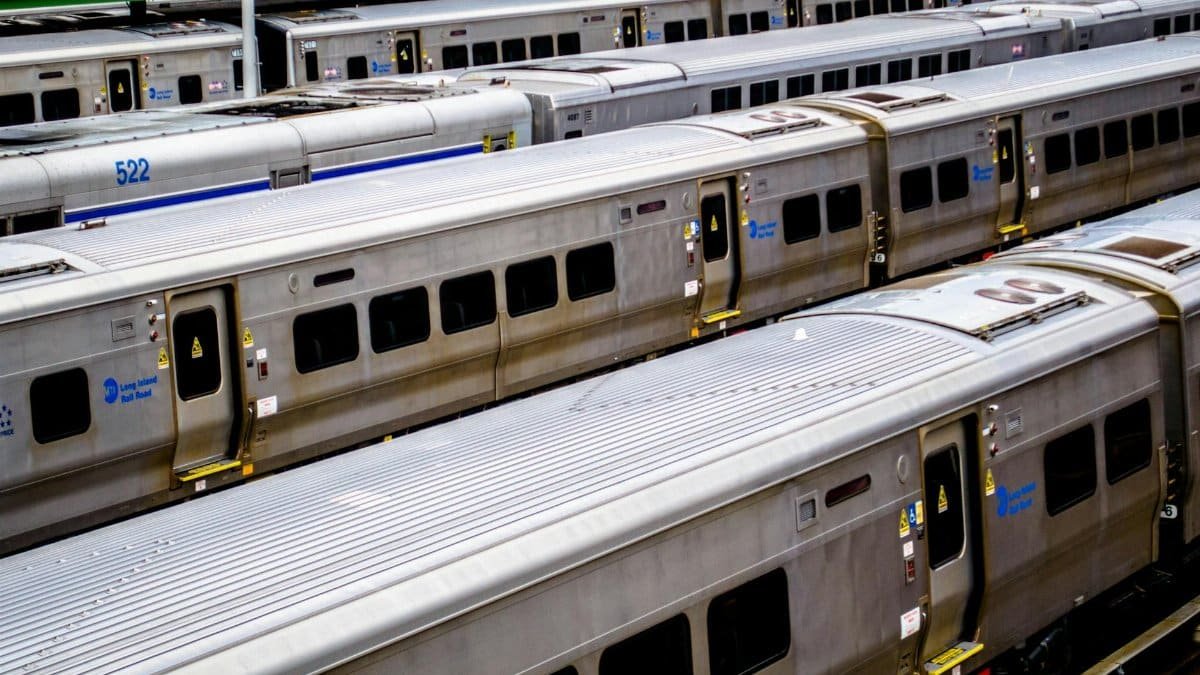
Every morning thousands of professionals board trains heading into Boston from suburbs stretching as far as Worcester and Providence. Their daily routines depend on a system that has long struggled with reliability and funding. After prolonged requests for information from both lawmakers and citizen groups the MBTA has at last provided details on its commuter rail contract. This revelation comes at a critical time as the agency seeks to balance ambitious service goals with tight budgets. The document outlines expectations for the French company Keolis which has held the operations job since 2014. Riders and advocates hope the transparency will lead to meaningful enhancements in a network that serves as a lifeline for many middle class families across the commonwealth.
The newly public files run hundreds of pages and address everything from fleet maintenance standards to penalties for late trains. What emerges is a clearer picture of how public money will be spent and what commuters can realistically expect in the years ahead.
The Long Wait for Basic Facts

Until recently the MBTA had released only the broadest outlines of its plans for the next phase of commuter rail operations. Advocates filed public records requests. Legislators pressed for hearings. Still the agency remained guarded about the financial structure and performance expectations tied to the operator selection process. This approach stood in contrast to the daily realities faced by riders who watched delays mount and fares increase without a clear sense of accountability.
Interviews with current and former officials suggest the hesitation stemmed from fear of political backlash over projected costs. One transportation policy expert noted that agencies often worry premature disclosure could weaken their negotiating position. Yet the lack of openness also eroded trust among the very people the system is meant to serve.
Key Financial Terms Now Public

The agreement with Keolis carries a base value of roughly 2.8 billion dollars over eight years with options to extend. Inflation adjustments and performance incentives could push the total even higher. Taxpayers will shoulder most of the expense though some funding comes from federal grants aimed at improving regional mobility.
Critics point out that the per rider subsidy remains substantial. MBTA officials counter that the contract locks in predictable costs rather than exposing the agency to open ended expenses that have plagued past arrangements. The deal includes caps on certain administrative overhead charges and requires detailed quarterly financial reporting that must be posted online within 45 days of each period end.
Performance Standards and penalties

At the heart of the contract sit new metrics for punctuality and reliability. The target for on time performance sits at 78 percent for all trains arriving within five minutes of schedule. Miss that mark consistently and Keolis faces escalating financial penalties that can reach millions annually. Conversely the operator stands to earn bonuses for exceeding targets in categories such as cleanliness and customer satisfaction scores gathered through independent surveys.
These standards represent a modest increase from previous targets yet still fall short of what many peer agencies achieve in cities such as Chicago or Toronto. Transportation consultant Maria Delgado who has advised several northeastern transit systems called the incentives appropriately ambitious but warned that enforcement will determine their ultimate success. She pointed to data from similar contracts where penalties were rarely imposed because agencies feared service disruptions if operators walked away.
A 2023 study by the Northeast Corridor Transportation Research Center found that contracts with strong independent oversight produced 14 percent better on time performance than those without. The full report is available at nectrc.org.
Keolis Track Record Under Review

Since taking over commuter rail operations in 2014 Keolis has delivered mixed results. The company improved maintenance practices and introduced mobile ticketing yet struggled with winter weather impacts and aging infrastructure beyond its direct control. Under the new contract the operator assumes greater responsibility for coordinating with infrastructure owners to minimize cascading delays.
Company executives say they have invested heavily in workforce training and predictive maintenance technology. Union representatives counter that staffing levels remain inadequate during peak periods. The newly released contract attempts to thread this needle by mandating minimum crew sizes on key routes while allowing flexibility for off peak service adjustments.
How Riders Experience These Changes

For commuters like software engineer Robert Kline of Framingham the details matter less than whether trains simply show up. Kline has relied on the Worcester line for 17 years. He recalls periods when delays exceeded 20 percent causing him to miss family dinners and school events for his children. The new performance clauses offer cautious optimism though he remains skeptical without visible improvements on the platform.
Advocacy groups have begun translating the dense contract language into plain summaries distributed at stations. They emphasize provisions for expanded weekend service and more coordinated connections with subway lines. These enhancements could ease pressure on working parents who juggle jobs childcare and lengthy commutes.
The Competitive Bidding Process

The MBTA originally solicited proposals from multiple operators. Only two firms submitted final bids after others cited concerns about thin profit margins and regulatory complexity. This limited competition raised questions about whether the agency secured the best possible terms.
Documents show evaluators scored proposals on 12 separate criteria ranging from safety records to innovation plans. Keolis ultimately prevailed on the strength of its local knowledge and detailed transition strategy. The losing bidder has not publicly challenged the outcome though industry observers suggest future procurements may attract more participants now that terms have been disclosed.
Lessons from Earlier Contracts

This agreement builds on experience gained from the initial 2014 deal and a subsequent extension. Those earlier versions contained weaker penalty structures and limited transparency requirements. When major disruptions occurred the public had difficulty determining whether the operator or the agency bore primary responsibility.
The current version attempts to clarify those lines of accountability. It establishes a joint oversight committee with independent voting members and requires public minutes from all meetings. Such measures respond directly to criticism following a series of high profile service failures in recent years.
Broader Implications for Massachusetts Transit

Beyond the immediate contract the release of these details could influence how other public authorities handle sensitive negotiations. The MBTA serves as the largest transit provider in New England. Its practices often set expectations for smaller systems across the region.
State lawmakers have already signaled interest in applying similar disclosure standards to highway construction contracts and utility concessions. If successful the approach might restore some public confidence in large scale infrastructure deals that frequently run over budget and behind schedule.
Remaining Questions and Future Oversight

Despite the new information several important aspects remain unclear. The contract contains numerous appendices that reference technical standards not fully explained in plain language. Climate resilience requirements receive attention yet lack specific benchmarks for adapting to rising sea levels that threaten coastal rail lines.
Advocates continue pressing for independent audits of the operating budgets. They also seek clearer connections between contract performance and future fare policies. MBTA administrators say additional data will be forthcoming as implementation proceeds.
Balancing Cost Control with Service Ambitions

The agreement reflects the difficult trade offs facing transit agencies nationwide. Riders demand frequent reliable service. Budget realities and political pressures push toward restraint. The commuter rail contract attempts to square these competing forces through a combination of fixed payments performance incentives and regular public reporting.
Whether it succeeds will depend on execution by both the operator and the agency itself. For now the simple act of opening the books represents progress. Massachusetts residents who depend on these trains each day deserve to know how their tax dollars are being spent and what level of service they can expect in return. The coming months will reveal whether the promises contained in these documents translate into tangible improvements on the rails.
Transportation policy will likely remain a central concern for middle aged residents balancing careers family obligations and increasingly complex commutes. Greater transparency in agreements like this one offers at least the possibility of more informed public dialogue about the future of regional mobility.