
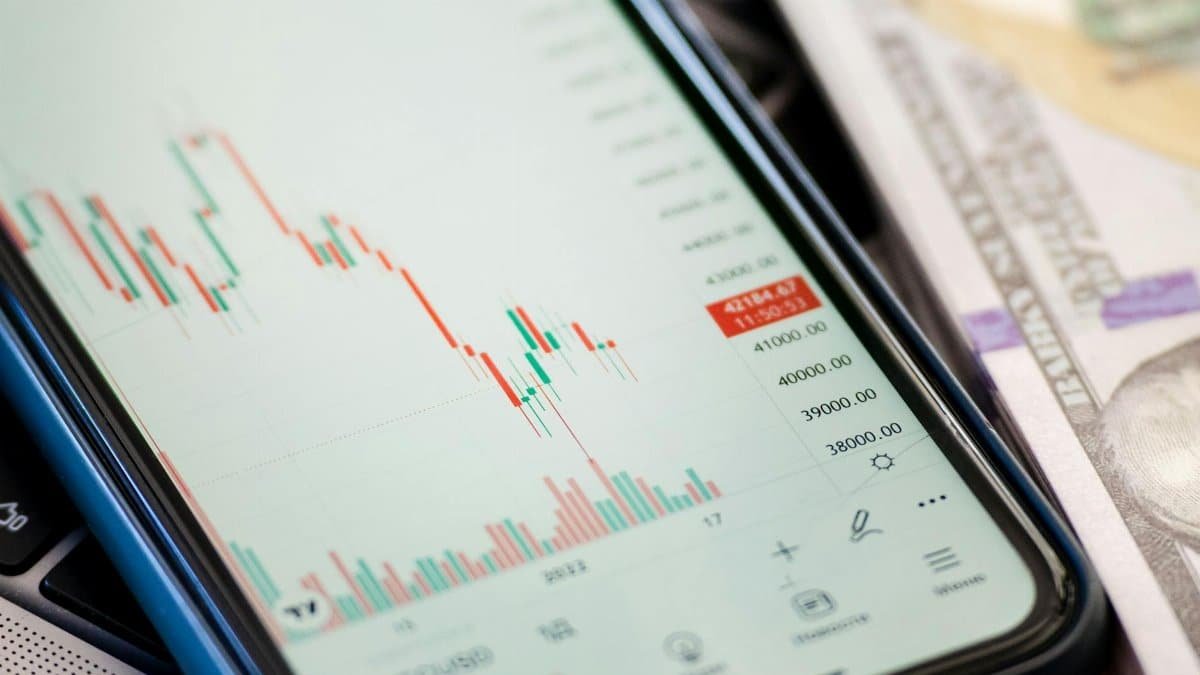
In the heart of Minnesota a noticeable change is taking place in how residents are choosing to spend their free time. Families who once looked forward to regular outings are now opting for simpler pleasures closer to home. Theaters that used to draw crowds for matinee performances are seeing fewer attendees while popular trails and parks are experiencing a surge in visitors seeking low cost enjoyment. This shift reflects what many analysts describe as a leisure spending strain that is beginning to weigh on the states nine billion dollar hospitality industry. From family owned restaurants to major hotel chains the effects are becoming hard to ignore as consumers prioritize essential expenses over discretionary ones.
This development comes at a time when the Minnesota economy has shown resilience in other sectors. Yet the hospitality business which depends so much on people feeling comfortable enough to spend on experiences is sending warning signs that merit attention.
The Data Behind the Downturn
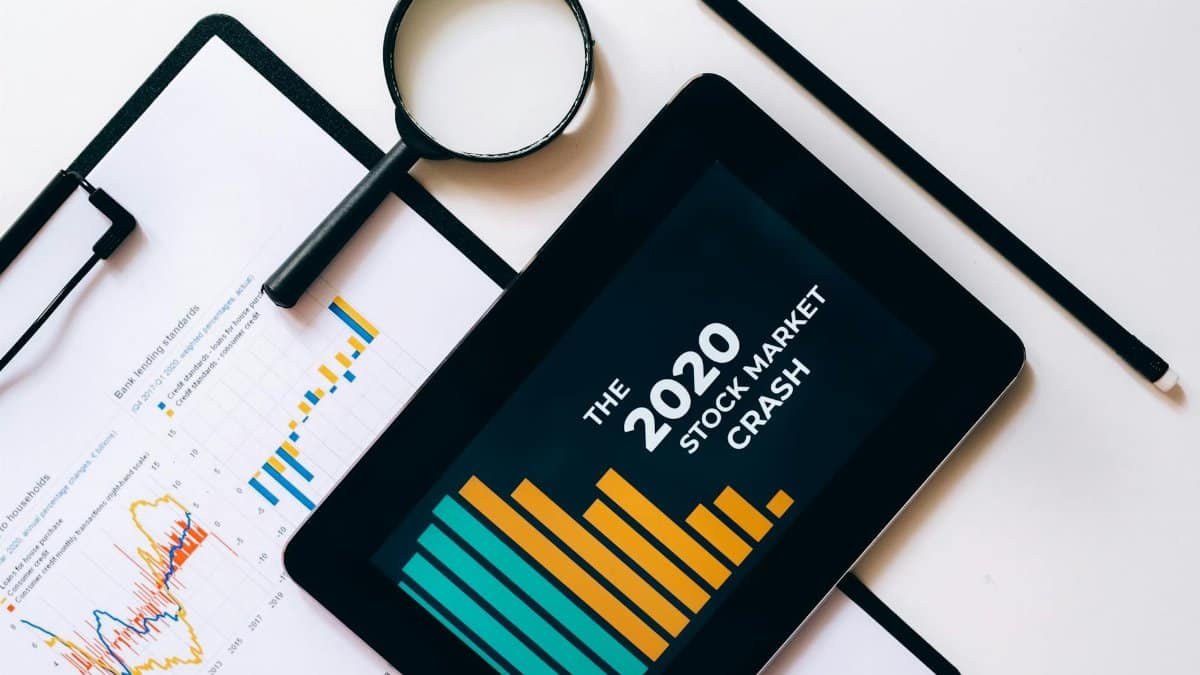
Numbers released by state agencies paint a clear picture. Spending on leisure and hospitality has declined by approximately nine percent in the past twelve months according to the Minnesota Department of Employment and Economic Development. This drop is more pronounced in certain regions and among specific demographic groups particularly those in the middle income brackets. The leisure spending strain is not just a local anecdote but a measurable trend supported by credit card transaction data and consumer surveys.
A recent study from the University of Minnesota confirms these observations noting that uncertainty about the future is causing many to hold back on purchases they would have made freely in years past. Coverage from the Star Tribune at https://www.startribune.com/business/economy further explores how these patterns are unfolding across different communities in the state.
Inflationary Pressures at Play
While official inflation rates have moderated the cumulative effect of several years of increased prices has left many households with less disposable income. Groceries that cost ten percent more rent that has climbed steadily and fuel prices that fluctuate all contribute to a sense of financial tightness. In this environment leisure activities often become the first area where cuts are made. The leisure spending strain thus serves as a barometer for broader economic discomfort that may not always show up in headline unemployment figures.
Financial experts point out that this is a rational response from consumers who are focused on building emergency funds and preparing for potential uncertainties ahead. For middle aged Minnesotans who form the backbone of many local economies these choices carry both immediate and long lasting consequences.
Restaurants Facing Empty Tables
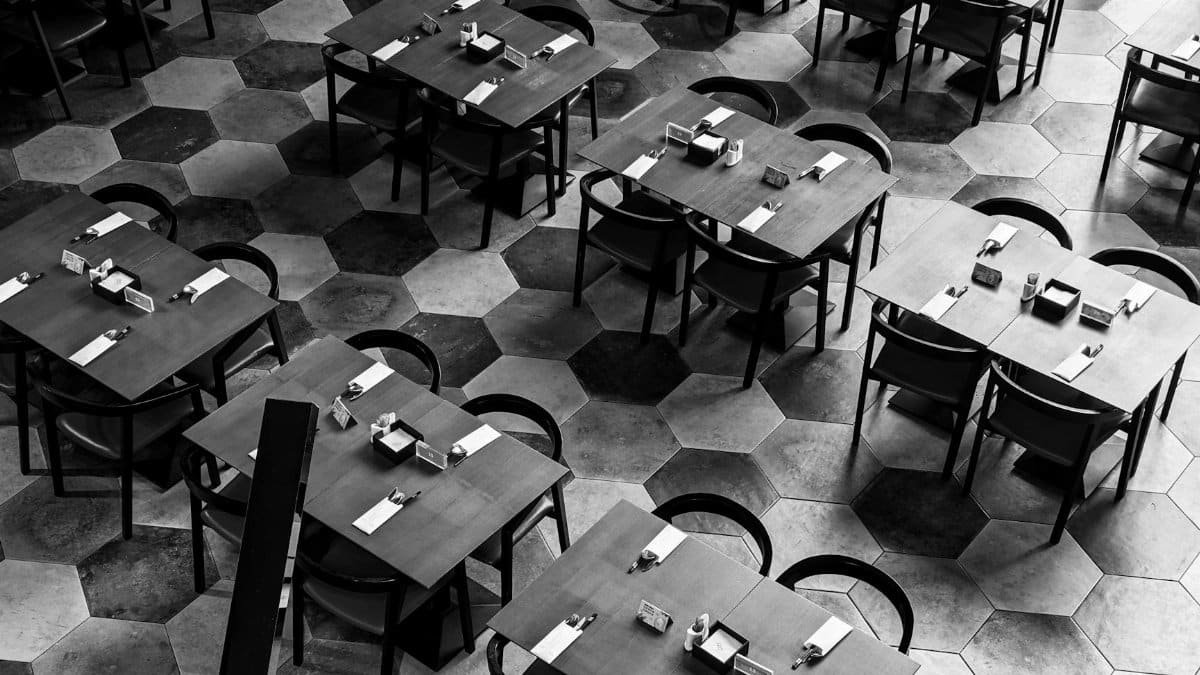
Independent restaurant operators are among those hit hardest by the change in habits. In Minneapolis and Saint Paul many establishments report that tables that would have been full on Thursday evenings now sit empty. Owners are experimenting with new concepts such as early bird specials and family style meals designed to appeal to budget conscious diners. Despite these efforts the underlying leisure spending strain makes it difficult to return to previous levels of profitability. Some chefs have taken to social media to share their struggles hoping to raise awareness and encourage patronage where possible.
One proprietor of a beloved breakfast spot shared that her business has adapted by sourcing ingredients locally to cut costs but customer traffic remains inconsistent at best. Similar stories echo throughout greater Minnesota where small town diners have long served as gathering places for friends and neighbors.
Hotels Seeing Fewer Bookings
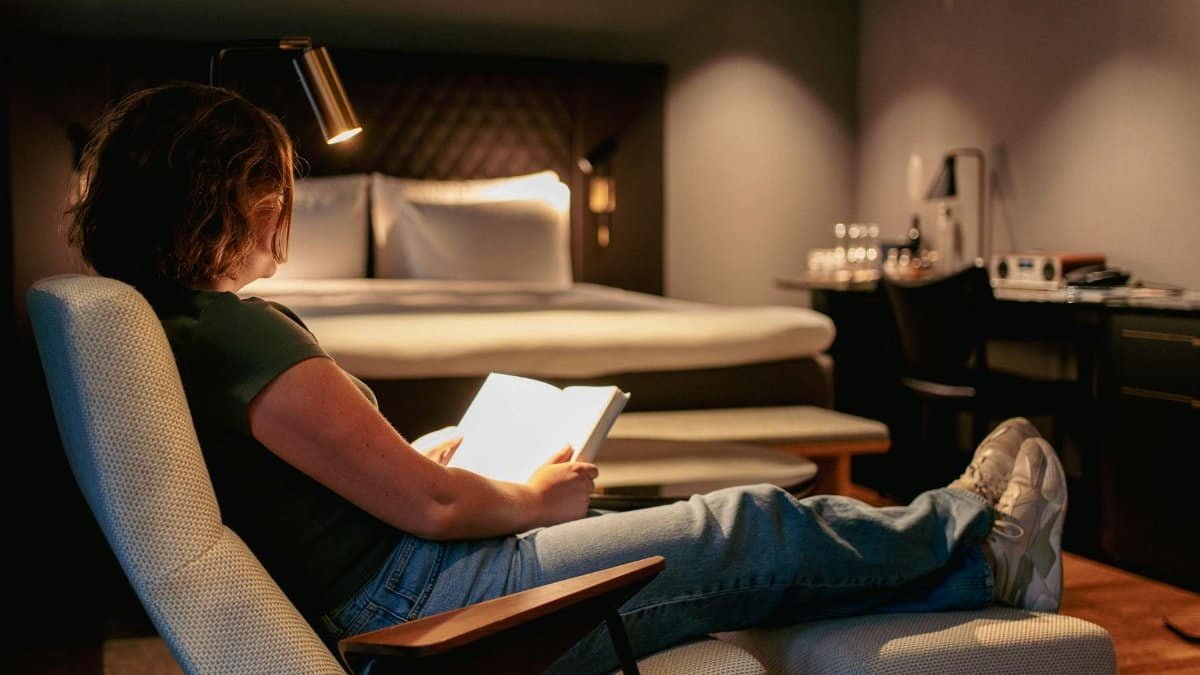
Similarly the accommodation sector is navigating rough waters. Resorts in the northern part of the state that rely on summer and fall tourism have noted a decrease in advance reservations. Hotel managers in the Twin Cities area are offering packages that include complimentary experiences to attract guests but demand remains soft. This leisure spending strain is forcing a reevaluation of pricing strategies and marketing approaches throughout the industry. For a state known for its abundance of lakes and outdoor attractions the reduction in travel spending is particularly noteworthy.
Industry groups have begun collecting more detailed data to understand which segments are suffering most with business travel holding steadier than purely recreational stays.
Families Redefining Their Downtime

For the average Minnesota family the adjustment has meant finding creative ways to relax and connect. Instead of dining out parents are preparing meals at home and organizing game nights or movie evenings with streaming services that cost less than theater tickets. Children are being introduced to the joys of public libraries and free community sports programs. These changes while born out of necessity are also teaching valuable lessons about resourcefulness and the importance of relationships over material experiences.
Many parents report feeling a quiet sense of relief at discovering that memorable weekends need not carry a heavy price tag. This redefinition of leisure speaks to a broader cultural moment in which quality time is gaining new appreciation.
The Rise of Spiritual Alternatives

Interestingly the leisure spending strain appears to be coinciding with a renewed interest in spiritual practices. Across the state participation in yoga classes held in parks church sponsored nature retreats and mindfulness workshops has increased. These activities provide a sense of renewal and community without the financial burden associated with traditional leisure pursuits. Spiritual news and trends indicate that many are seeking meaning and calm in response to economic anxiety. Leaders from various faith traditions report higher attendance at services and related events that emphasize reflection and shared values.
This movement toward spiritual fulfillment may represent a silver lining in the current economic climate. By turning inward and toward each other Minnesotans are discovering forms of leisure that nourish the soul rather than strain the wallet.
Community Initiatives Stepping Up

Local governments and nonprofit groups are responding with programs designed to fill the gap left by reduced commercial leisure spending. Summer concert series in public spaces have seen record attendance. Museums are offering free admission days more frequently and outdoor adventure groups are organizing guided hikes that require no payment. These efforts help maintain a sense of vibrancy in communities while addressing the practical realities of the leisure spending strain.
Volunteers and civic leaders alike express hope that these initiatives will not only provide immediate relief but also build stronger social bonds that endure beyond the present economic cycle.
What Economists Are Saying
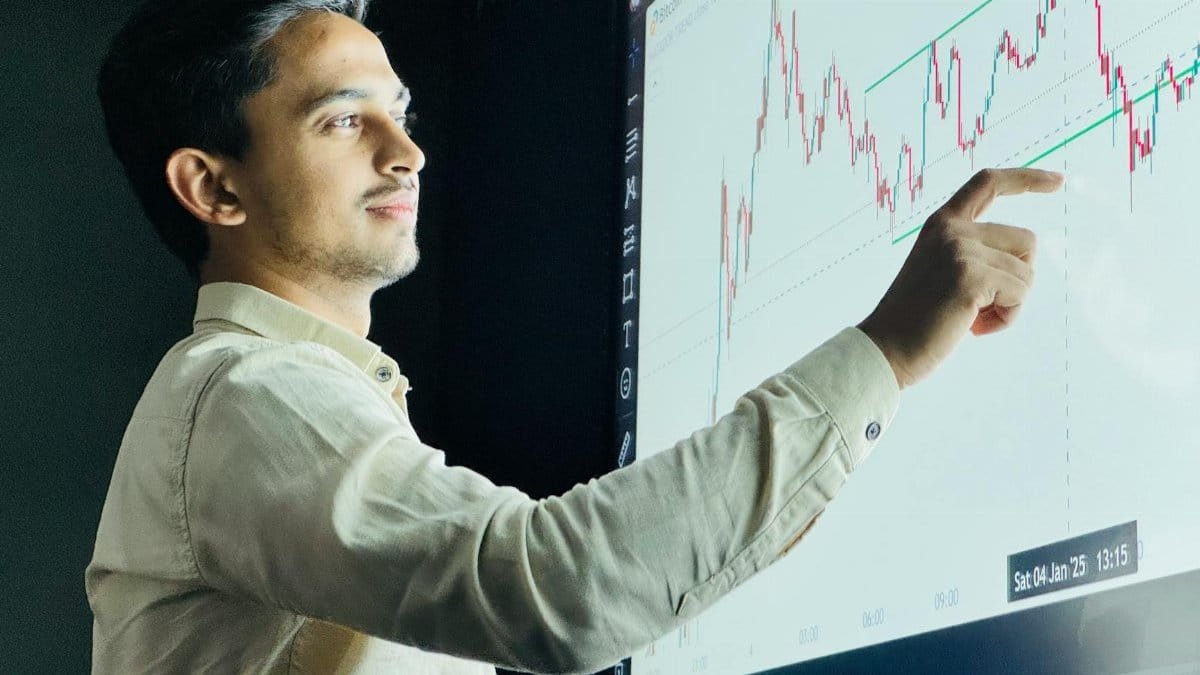
Economists from the Federal Reserve Bank of Minneapolis have analyzed the situation and suggest that targeted support for small businesses in the hospitality sector could help mitigate some of the damage. They note that while the leisure spending strain is real it is not yet at crisis levels. However if it persists for another year the consequences could multiply. Their recommendations include tax incentives for businesses that create affordable leisure options and campaigns to promote staycations within the state.
Analysts emphasize the need for nuanced policy that recognizes regional differences between the urban core and outstate communities where tourism revenue plays an outsized role.
The Broader Implications for Minnesota

The impacts reach far beyond the immediate hospitality industry. Suppliers to restaurants and hotels are feeling secondary effects as orders decrease. Tourism dependent towns in greater Minnesota are concerned about their winter festivals and summer events. The leisure spending strain could alter the economic fabric of the state if not addressed thoughtfully. It also raises questions about equity as lower income families have been adapting for some time while middle class households are only now feeling the full force of these pressures.
Observers worry that prolonged restraint in leisure spending might dampen the creative and cultural life that makes Minnesota distinctive.
Paths Toward Recovery
Despite the challenges there are pathways to improvement. As the national economy stabilizes and if real wages begin to grow consumers may regain the confidence to spend on leisure again. Businesses that have adapted by focusing on value and quality service will be best positioned to benefit from any upturn. In the meantime the experiences of this period may leave a lasting impression leading to more mindful spending habits in the future.
For Minnesota the current situation is a reminder of the delicate balance between economic vitality and personal wellbeing. By supporting one another through community and spiritual connections residents can weather the leisure spending strain and emerge with a stronger sense of what truly matters in life. The coming months will reveal whether this period becomes merely a difficult chapter or a turning point toward more sustainable and spiritually grounded ways of living.