
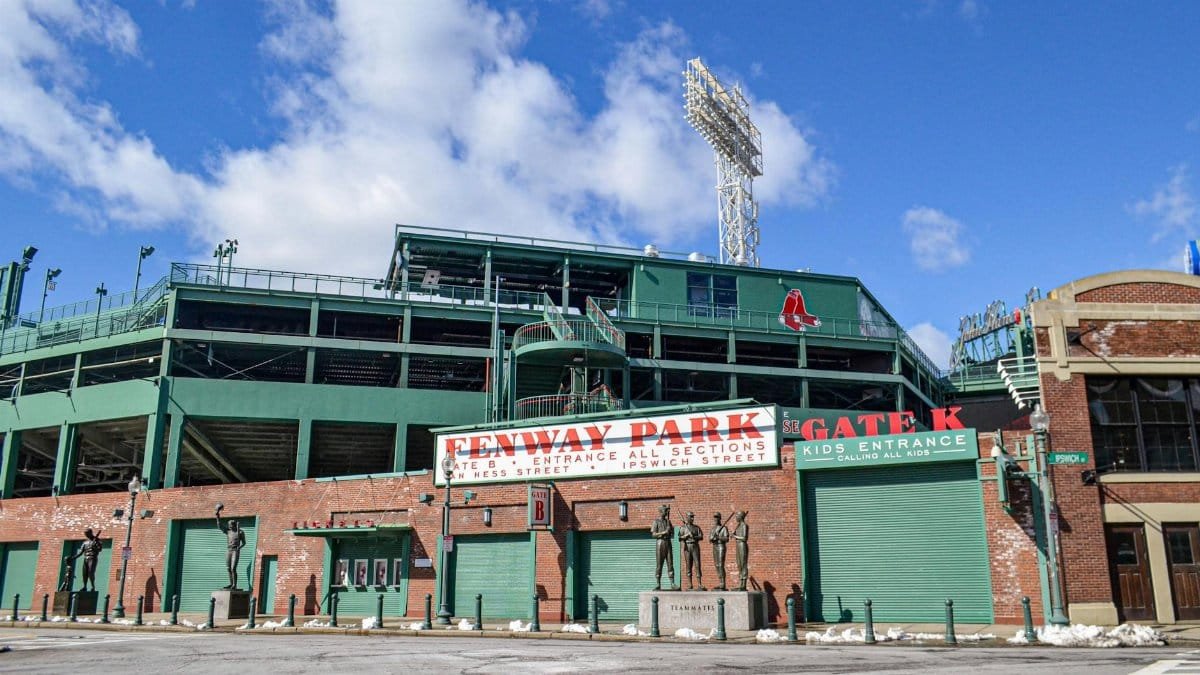
When the Department of Homeland Security decided to share a photograph of Fenway Park on its official accounts it likely anticipated a positive response from followers who cherish American traditions. The image depicted the beloved stadium during a vibrant evening game with lights illuminating the field and spectators cheering in unison. What the agency did not expect was the intense backlash that followed with some accusing it of promoting exclusionary ideals under the guise of patriotism. The post quickly earned the label DHS Fenway Park and became the center of a vigorous debate that transcended the usual social media chatter. For many in the Boston area and beyond the picture represented more than a ballpark it touched on questions of identity belonging and the soul of the nation itself. As commentators weighed in the discussion revealed sharp divides in how visual symbols are interpreted in an increasingly polarized country. This episode offers a window into the complex interplay between government communication cultural icons and the spiritual yearnings of the American people for unity in troubled times.
The Photograph That Captured Attention
The picture in question presents Fenway Park in an idealized light. Taken from a high vantage point it captures the expanse of the field the crowded stands and the historic surroundings that have made the venue a landmark since its construction in nineteen twelve. According to reporting by the Boston Globe the photo was part of a series highlighting American landmarks but this one stood out for its emotional impact. Viewers praised its technical quality and its ability to evoke feelings of nostalgia and pride.
Yet others saw something different in the imagery. They pointed to the lack of visible diversity in the crowd and the prominent display of national symbols as potentially sending a message that harkens back to a previous era of American life. These critics questioned whether the Department of Homeland Security was aware of how such images can be coopted by groups with more extreme views.
Immediate Backlash On Social Media
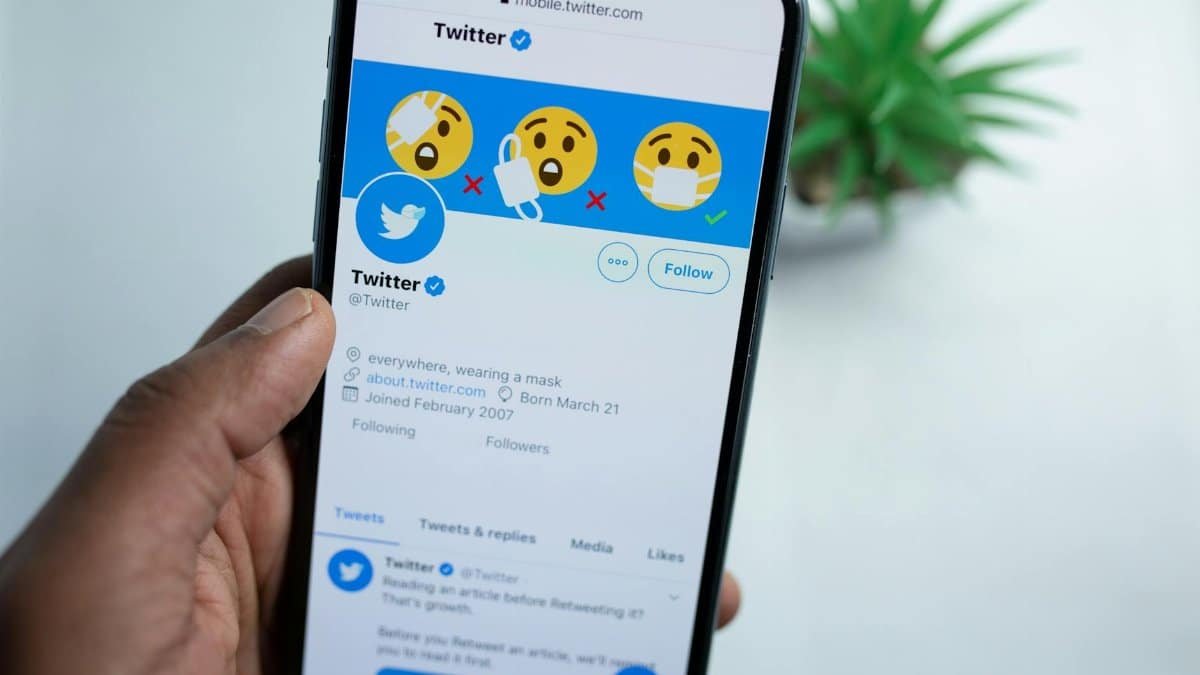
Within hours of the posting the replies poured in. Some users celebrated the choice calling it a refreshing reminder of what makes the country special. They spoke of baseball as the national pastime and Fenway as its cathedral. Others however were quick to label it as tone deaf at best and white supremacist propaganda at worst. The phrase DHS Fenway Park began trending in certain circles as activists and opinion writers offered their takes.
Local Boston residents appeared split in their responses. Longtime fans of the Red Sox saw it as harmless while younger voices and those attuned to social justice issues expressed discomfort with a security agency using such a beloved local symbol for what they perceived as broader political purposes. The exchange highlighted how quickly online discourse can shift from appreciation to accusation.
Fenway Park And Its Enduring Legacy
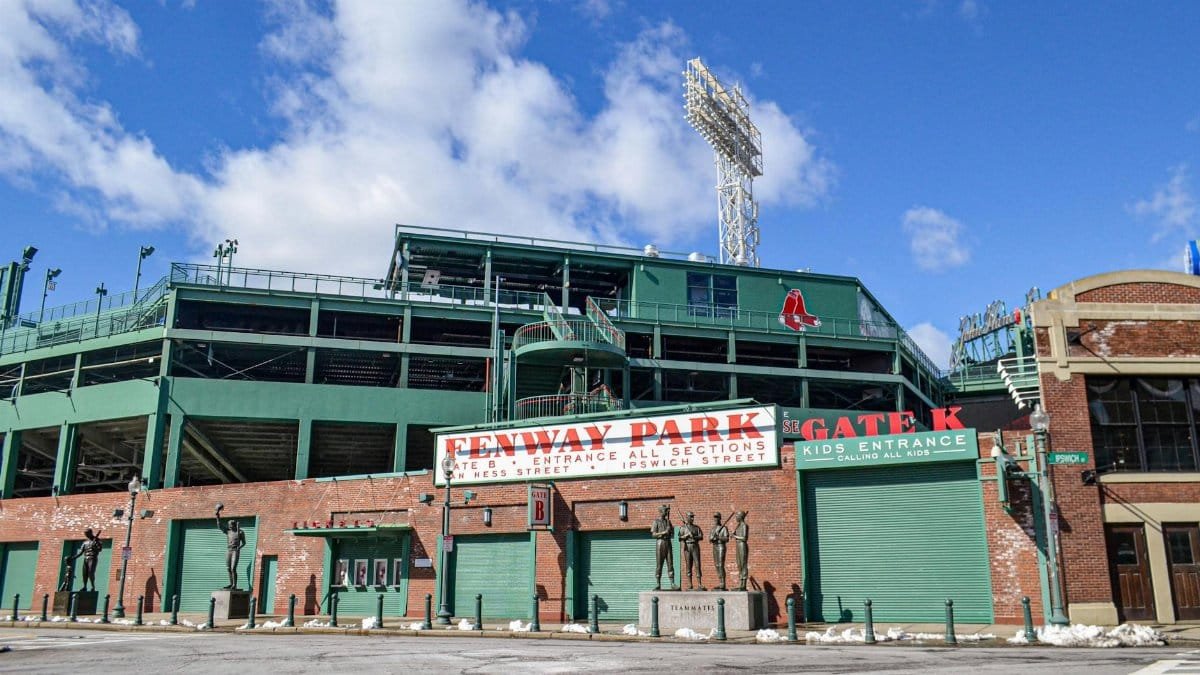
Fenway Park holds a special place in the hearts of not only Bostonians but also many across the United States. It has witnessed world series victories heartbreaking defeats and countless moments of communal joy. Its walls have absorbed generations of cheers and songs creating a rich tapestry of shared experience. In many ways it serves as a spiritual home for those who find meaning in tradition and collective memory.
Scholars of American culture note that sports venues often transcend their original purpose becoming sites where the national character is both displayed and formed. Fenway is no exception with its quirks and history mirroring the nations own imperfect but enduring story. The ballpark has become more than a place to watch a game it represents continuity in a world that feels increasingly chaotic.
The Mission Of Homeland Security
Established in the wake of the September eleventh attacks the Department of Homeland Security has a broad mandate that includes everything from counterterrorism to disaster response. Its communication strategy has evolved over the years with social media playing an increasingly important part in public outreach. Posting an image of Fenway Park fits into a pattern of humanizing the agency and connecting it to everyday American life.
Nevertheless the choice has led some to wonder about the underlying strategy. Is it an innocent celebration of culture or a calculated move to reinforce certain narratives about security and national identity? The agency has so far offered little explanation beyond a brief caption that described the park as an iconic image of American endurance. This silence has only fueled further speculation.
Critics Point To Potential Dog Whistles

Among the most vocal critics are advocacy groups that monitor extremism. They argue that government agencies must be cautious about the symbols they promote especially when those symbols have been adopted by white supremacist organizations in the past. While Fenway Park itself has no such direct associations the broader theme of unbridled patriotism can sometimes serve as a bridge to more troubling ideologies.
One expert in visual rhetoric suggested that the timing of the post amid ongoing debates about immigration and border security was particularly unfortunate. It risked reinforcing perceptions that the department prioritizes a particular vision of America over an inclusive one. A recent analysis of similar government messaging can be viewed at https://www.brookings.edu/2025/symbolsandnationalism.
Defenders Highlight Its Innocence
On the other side of the debate are those who believe the criticism is overblown. They see the photo as a simple tribute to a national treasure and an attempt by the agency to connect with the public on a human level. For these supporters the idea that it could be interpreted as white supremacist propaganda says more about the critics than about the image itself.
They point out that Fenway Park has a history of promoting inclusivity including breaking barriers in baseball decades ago. To tarnish such an image with unfounded accusations only serves to further divide the country at a time when unity is needed. Many letters to local newspapers echoed this sentiment calling for less suspicion and more goodwill.
Expert Perspectives On Government Messaging

Communication scholars have long studied how agencies like the Department of Homeland Security craft their public image. According to a report from the University of Southern California the use of cultural symbols in government communications can have powerful effects on public trust and perception. The report is available at https://www.annenberg.usc.edu/research/reportongovernmentimagery2025.
These experts suggest that in the current climate every visual choice is scrutinized for hidden meanings. What might have been uncontroversial a decade ago now carries potential for misinterpretation. The Fenway Park example illustrates the delicate balance agencies must strike between authenticity and caution.
The Spiritual Dimension Of National Symbols

Beyond the political arguments lies a deeper spiritual dimension to this controversy. Americans have always invested their landmarks with meaning that goes beyond the physical. Fenway Park like other national symbols represents a kind of secular temple where people gather to experience something larger than themselves. The debate over the DHS Fenway Park post reflects a hunger for shared spiritual experiences that can bridge divides rather than widen them.
In an era of declining trust in institutions many are turning to cultural icons for a sense of continuity and hope. The passionate responses to this one photograph reveal how deeply these symbols resonate with the American soul and how fragile that resonance can be when politicized. Spiritual leaders from various faith traditions have weighed in suggesting that true patriotism must include compassion and openness if it is to nourish the national spirit.
Trends In How Americans View Patriotism

Recent surveys indicate shifting views on what constitutes patriotism with younger generations emphasizing social justice alongside traditional displays of national pride. This evolution helps explain why an image that might have been universally acclaimed in the past now elicits such varied reactions. The spiritual news of our time seems to be this search for a patriotism that includes all voices and all stories.
Observers note that symbols once taken for granted are now contested terrain. This trend appears across religious and cultural institutions as communities seek fresh ways to articulate belonging. The DHS Fenway Park episode fits into a larger pattern of Americans renegotiating the images and stories that define them.
What The Future Holds For Such Posts

As the dust settles on the DHS Fenway Park controversy one thing is clear. Government agencies will need to navigate these cultural minefields with greater care in the future. The incident serves as a case study in the power of imagery and the importance of anticipating multiple interpretations.
Whether this leads to more transparent communication strategies or simply more cautious posting remains to be seen. What is certain is that symbols like the image of Fenway Park will continue to evoke strong emotions as the nation grapples with its identity in the twenty first century. The conversation sparked here will likely influence how similar messages are crafted for years to come.
Reflecting On Shared Symbols In A Divided Time

In the end the controversy surrounding this photograph may ultimately strengthen our collective understanding of how visual language operates in the public square. By engaging in these difficult conversations Americans of all backgrounds can contribute to a richer more inclusive national narrative. The spiritual trends point toward a desire for connection through shared symbols even as we debate their meanings.
Perhaps the greatest lesson is that no image exists in isolation. Each photograph carries layers of history emotion and expectation. As the country moves forward the ability to discuss these layers with honesty and empathy may prove as important as the symbols themselves. Fenway Park will endure regardless of any single social media post yet the debate it ignited reminds us that the search for common ground remains a profoundly spiritual endeavor.