
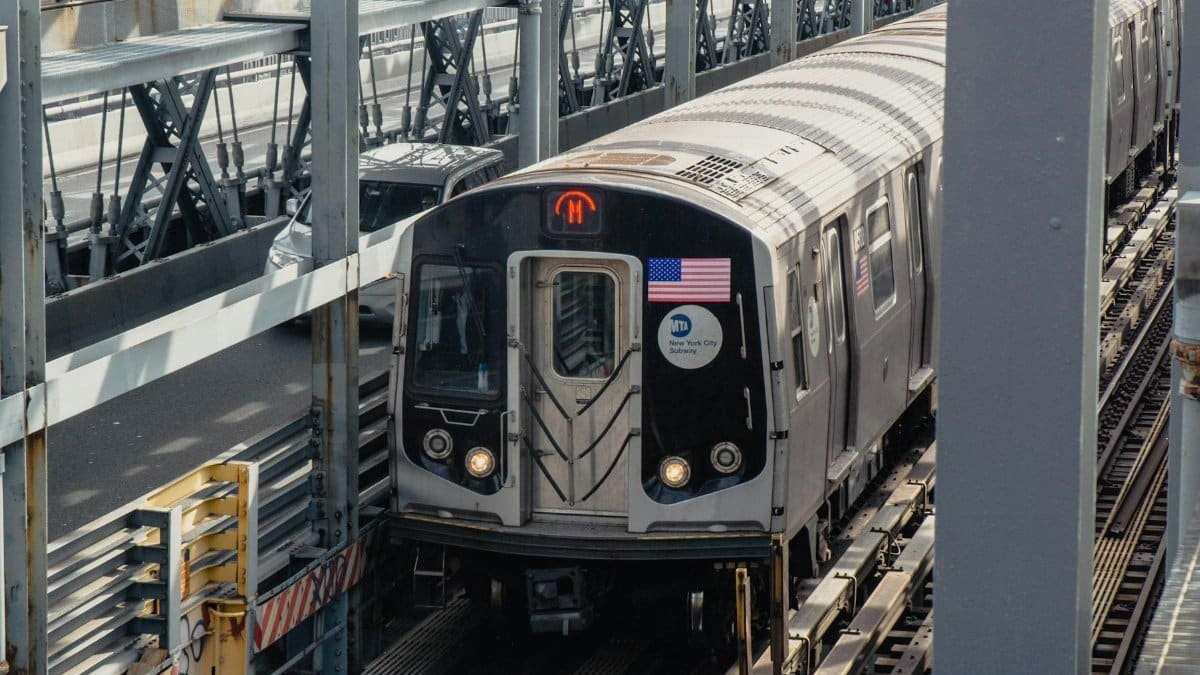
As millions of New York area residents prepare for another workweek the upcoming LIRR strike talks scheduled for Monday carry profound significance. These negotiations between the Metropolitan Transportation Authority and major rail unions focus on wages work rules and benefits that shape the lives of thousands of employees and the countless commuters who depend on reliable service. Beyond the immediate operational concerns lie deeper questions of fairness dignity and the shared wellbeing of communities across Long Island and beyond. A strike would ripple through families businesses and daily routines testing the resilience of the entire region. Both sides enter these discussions with high stakes yet also with public statements emphasizing their commitment to avoiding disruption. The outcome may reveal much about how we value essential workers and the systems that sustain modern life.
The Background Of These Critical Negotiations

The current round of LIRR strike talks stems from an expiring labor agreement that has governed operations for several years. Unions representing train crews maintenance staff and station personnel seek updates that reflect the rising cost of living and the demanding nature of rail work which often involves irregular hours and significant physical strain. The Metropolitan Transportation Authority meanwhile must balance these requests against budget limitations and the need to maintain affordable fares for riders. Previous contracts have followed intense bargaining periods and this one appears headed toward similar complexity. What makes these discussions particularly noteworthy is their potential to set precedents for transit labor relations throughout the Northeast.
What The Unions Are Seeking
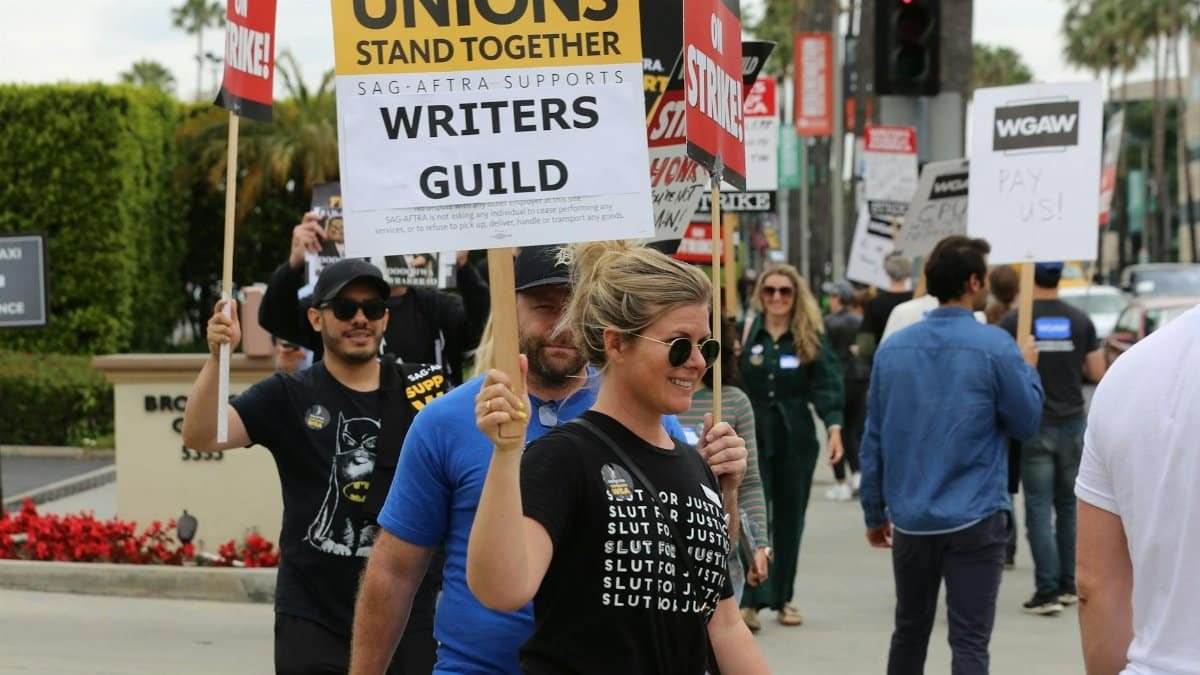
At the heart of the LIRR strike talks union leaders have outlined priorities centered on meaningful wage increases improved healthcare contributions and revised work rules that would reduce fatigue among crews. Many employees report feeling stretched by schedules that disrupt family life and personal health. Representatives emphasize that their members kept the system running through challenging times including the pandemic and now deserve compensation that matches their dedication. These demands extend beyond simple percentage figures to include protections for long term job security and safer working conditions. The unions argue that fair treatment of workers ultimately benefits everyone by ensuring consistent high quality service.
The Position Of The MTA
Authority officials have presented their own proposals during earlier sessions describing them as competitive within the current economic climate. They point to substantial investments already made in infrastructure upgrades and new equipment arguing that available resources must stretch across multiple needs including accessibility improvements and environmental initiatives. While acknowledging the hard work of union members the MTA stresses fiscal responsibility to taxpayers and riders. Leadership has expressed hope that Monday’s session will produce movement toward compromise avoiding any interruption in service. Public statements highlight recent productivity gains and suggest that both sides share the goal of a sustainable agreement.
The Spiritual Dimensions Of Labor Justice

Viewed through a spiritual lens these LIRR strike talks touch on timeless principles of human dignity and equitable treatment. Many faith traditions emphasize the sacred value of work and the importance of structures that honor those who labor. When employees feel undervalued or exhausted it can erode not only their physical health but their sense of purpose and connection to community. Similarly commuters facing sudden loss of reliable transportation often experience heightened anxiety that disturbs their own inner peace and family harmony. The negotiations thus become more than contractual matters; they reflect broader societal choices about how we care for one another and uphold values of justice and compassion in everyday economic life.
Potential Impact On Daily Commuters

Should the LIRR strike talks fail to yield an agreement the resulting work stoppage would create immediate hardships for approximately three hundred thousand daily riders. Many middle aged professionals rely on the trains to reach jobs in Manhattan or other employment centers while parents use them for school commutes and older adults depend on them for medical appointments. Alternative transportation options would quickly become overwhelmed leading to longer travel times increased stress and lost productivity. Small businesses along rail corridors could see sharp declines in customer traffic. The human stories behind these statistics reveal families forced to rearrange caregiving responsibilities and workers confronting difficult choices about attending to their obligations.
Economic Consequences For The Region

Analysts project that a prolonged disruption could cost the local economy hundreds of millions of dollars within the first week alone. Long Island businesses already navigating tight margins would face challenges with employee attendance and supply chain reliability. Real estate values near certain stations might fluctuate if potential buyers worry about future service instability. Tourism to regional destinations served by the railroad could suffer as well. These economic pressures intersect with spiritual concerns about community cohesion since financial strain often amplifies feelings of insecurity and division among neighbors who share the same transit dependent landscape.
Lessons From Past Labor Disputes

History offers valuable perspective for the current LIRR strike talks. Earlier conflicts on the railroad and other transit systems have shown that while short strikes sometimes accelerate agreements they also inflict lasting damage on public trust and worker morale. In several instances creative mediation involving neutral facilitators helped bridge seemingly intractable gaps. Successful resolutions typically emerged when both labor and management demonstrated willingness to consider the others core needs rather than remaining locked in positional bargaining. These precedents suggest that Monday’s meeting could prove pivotal if participants approach it with openness to innovative solutions that address root causes instead of surface level symptoms.
Community Voices In The Debate

Residents along the Long Island Rail Road lines have begun voicing their perspectives as the LIRR strike talks gain attention. Civic groups and religious congregations have organized forums exploring not only the practical impacts but also the ethical dimensions of how society supports its infrastructure workers. Some faith leaders have drawn parallels to ancient teachings about caring for the laborer and seeking peaceful resolution of conflicts. Commuter advocacy organizations urge both sides to remember the human faces behind the statistics emphasizing that every delayed train represents disrupted lives and diminished opportunities for connection and growth. These grassroots expressions highlight the widespread desire for outcomes that honor all stakeholders.
How Uncertainty Affects The Human Spirit

The period leading up to critical negotiations like the current LIRR strike talks often generates widespread anxiety that touches the spirit as much as the schedule. For workers the possibility of job actions brings financial worries and questions about their value within larger systems. Families dependent on steady paychecks or reliable commutes find their sense of stability shaken. Spiritual counselors note increased interest in practices that foster resilience during such times whether through prayer meditation or communal support. This uncertainty serves as a reminder of our interconnectedness and the ways that decisions made in boardrooms and union halls reverberate through countless individual souls seeking purpose and security in their daily existence.
Possible Paths Forward

Multiple avenues exist for productive movement when the parties reconvene on Monday. Independent mediators could help reframe issues in ways that allow fresh perspectives. Incremental agreements on less contentious items might build momentum toward resolving larger differences. Both sides could agree to extend current terms temporarily while continuing discussions thereby removing immediate pressure while demonstrating good faith. Technology now allows for more flexible work arrangements that might satisfy some union concerns without imposing unsustainable costs. The most promising path likely involves genuine listening coupled with creative problem solving that recognizes the legitimate needs of employees management and the riding public.
The Broader Implications For Labor Relations

Whatever emerges from these LIRR strike talks will likely influence negotiations across the transportation sector and beyond. A fair and timely resolution could strengthen confidence in collective bargaining as an effective tool for balancing interests. Conversely an acrimonious outcome might encourage more confrontational approaches in future disputes. As younger generations enter the workforce they bring different expectations about work life integration and meaningful labor which could reshape traditional union management dynamics. The spiritual dimension remains relevant here too since healthy labor relations contribute to a society where individuals can pursue vocations that align with their values and contribute to the common good.
Observers will watch closely as events unfold this week recognizing that the decisions reached will affect far more than train schedules. They will reflect collective choices about equity respect and the kind of communities we wish to build. For now the hope remains that Monday’s session will mark a constructive step toward agreement that serves the interests of workers riders and the region as a whole. The LIRR strike talks ultimately invite all of us to consider how we support the systems and people that keep daily life functioning with dignity and reliability.