
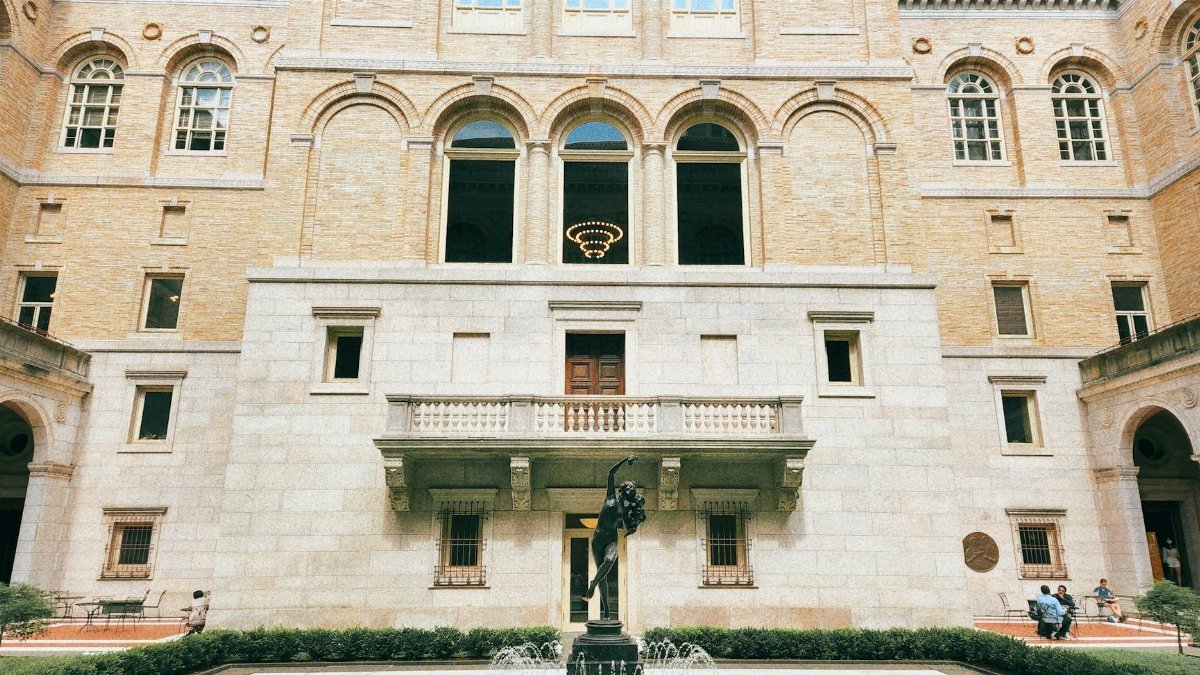
In the quiet moments before dawn on a spring morning, the president of Boston College received a call that would alter the course of the university forever. A longtime supporter had decided to make an extraordinary commitment. This Boston College donation amounting to 125 million dollars stands as the largest in the history of the Jesuit school. It opens new pathways for expansion and innovation while reinforcing the core principles of faith, service, and intellectual pursuit that have guided the institution since its founding in 1863.
The news has sent ripples of excitement through academic circles and beyond. For a university that has long prided itself on producing graduates who combine competence with compassion, this level of support arrives at a critical time. Economic pressures on higher education continue to mount yet the need for institutions like Boston College to uphold their distinct mission has never been greater.
The Sheer Scale Of This Extraordinary Gift

By any measure the 125 million dollar commitment represents an unprecedented act of generosity toward a Jesuit university. Previous major gifts to Boston College rarely approached even half this amount. University leaders note that the resources will flow into multiple areas rather than one single project allowing for both immediate improvements and investments that will pay dividends over many years.
This scale matters because it matches the ambition of the institution itself. Boston College has grown from a small college serving local students into a nationally recognized research university while maintaining its identity as a place where intellectual life and spiritual formation intersect. The donation provides the financial foundation to protect that balance at a time when many private universities face rising costs and questions about their value.
Officials plan to draw on the funds gradually with clear benchmarks for success. Such deliberate pacing reflects the Jesuit emphasis on discernment rather than hasty action. Every decision about how to deploy the money will consider how it serves the common good and prepares students to become men and women for others.
Understanding The Donor And His Motivations

Patrick Cadigan graduated from Boston College in the 1970s and built a successful career in finance while never losing touch with his alma mater. Those who know him describe a man whose professional achievements always remained grounded in the values he absorbed during his undergraduate years. His deep affection for the university stems from the way it shaped his character and sense of responsibility.
Cadigan has spoken quietly over the years about the debt he feels toward the Jesuit educators who challenged him to think critically and live ethically. This gift flows directly from that sense of gratitude. It is not simply a financial transaction but the fulfillment of a decades long relationship built on mutual respect and shared ideals.
Close observers say the donation also reflects his belief that Catholic higher education plays a unique role in American society. In an era marked by division and skepticism toward institutions Cadigan sees Boston College as a steady light that forms leaders capable of bridging differences and serving communities with integrity. His decision to make the largest gift in the universitys history carries both personal meaning and a broader statement about the importance of faith based learning.
Aligning The Gift With Jesuit Traditions Of Service

From its earliest days Boston College has drawn inspiration from the Spiritual Exercises of Saint Ignatius Loyola. The donation aligns perfectly with this heritage by supporting programs that integrate rigorous academics with reflection and service. New resources will expand opportunities for students to engage in immersive service projects both locally and internationally while connecting those experiences to classroom study of ethics and social justice.
Jesuit education has always sought to develop the whole person. This Boston College donation will strengthen counseling services, retreat programs, and opportunities for spiritual direction. Campus ministry expects to reach more students who seek meaning beyond career preparation. The gift thus honors the Jesuit commitment to cura personalis or care for the individual by ensuring that no student slips through the cracks in a time of increased mental health challenges on college campuses.
The universitys emphasis on discernment will also receive renewed attention. Funds will help create structured programs where students learn to make decisions rooted in conscience and concern for the marginalized. In this way the donation does more than improve facilities. It deepens the spiritual formation that distinguishes graduates of Jesuit schools.
Plans For Campus Expansion And Renewal
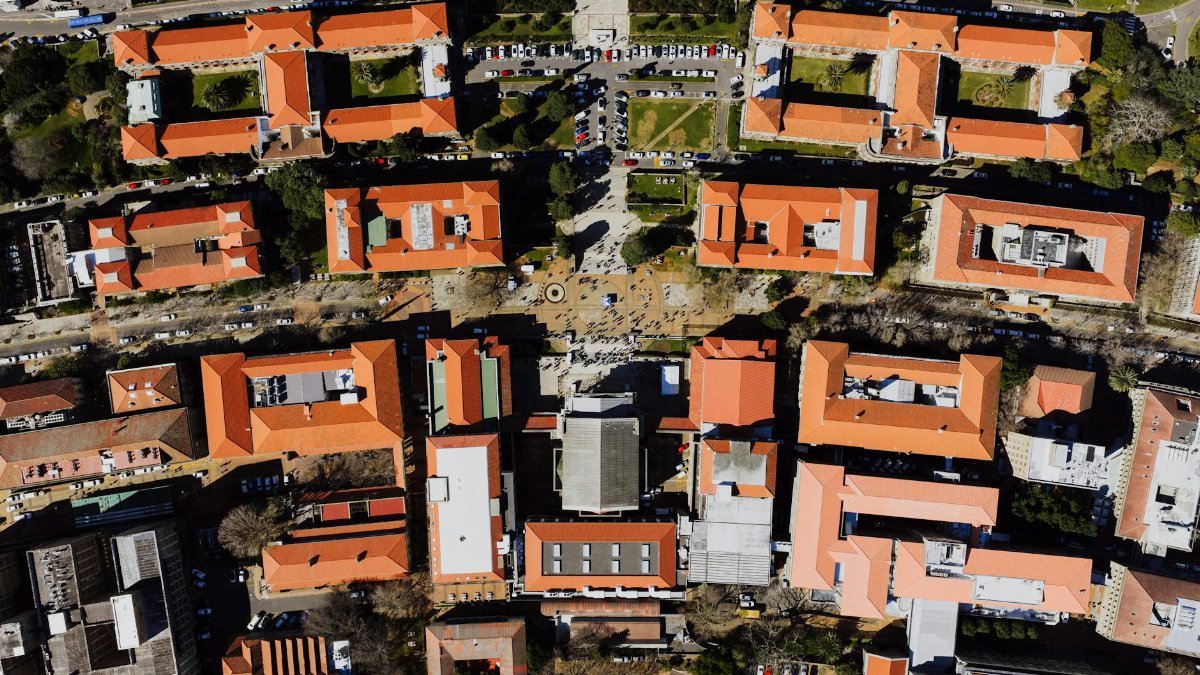
A significant portion of the funds will transform Carney Hall the historic building that has served as an academic hub for generations. Rather than simply updating surfaces planners intend to reimagine the space to foster collaboration across disciplines. New flexible classrooms and gathering areas will encourage the kind of conversations that lie at the heart of Jesuit learning.
Beyond Carney Hall the university will develop additional student residences designed to promote community and reflection. These buildings will incorporate spaces for small group discussions and quiet contemplation alongside modern living quarters. Sustainability will feature prominently with energy efficient systems that reflect the Jesuit call to care for our common home.
The expansion also includes upgrades to research facilities that will allow faculty and students to address pressing questions at the intersection of faith and contemporary life. From bioethics to economic justice these enhanced spaces will help Boston College contribute knowledge that serves both the church and the wider world.
Creating New Initiatives For Student Development

Students will feel the impact of this gift most directly through new scholarship programs aimed at increasing socioeconomic diversity. The university wants to ensure that talented young people from every background can attend without crushing debt. Special attention will go to first generation students who often face invisible barriers despite their considerable abilities.
Innovation funds will support student led projects that combine entrepreneurial thinking with social impact. Participants might develop solutions for urban poverty or environmental challenges while drawing on their spiritual formation to guide their work. These initiatives reflect the Jesuit belief that true leadership involves creativity in service of justice.
Additional resources will enhance career counseling that helps students align their professional goals with their deepest values. Rather than treating job placement as an end in itself the programs will encourage graduates to view their careers as vocations that contribute to the common good. Early indications suggest these efforts will build on Boston Colleges already strong record of alumni engagement in public service and nonprofit leadership.
Voices From The Community On This Momentous Occasion

University president Father William Leahy described the gift as a profound act of trust in the mission of Boston College. In public remarks he emphasized that the donation arrives at a moment when society needs educated people of faith more than ever. His words carried the measured enthusiasm of someone who has guided the institution through both challenges and triumphs.
Faculty members have expressed similar sentiments. Professors across disciplines see the resources as validation of their work nurturing both intellect and soul. One longtime instructor noted that the gift allows the university to remain faithful to its founding vision while adapting to new realities faced by todays students.
Current students reacted with a mixture of gratitude and excitement. Many took to campus forums to share how the expanded opportunities would affect their experience. Graduate Sarah Thompson a theology major said the news reinforced her decision to attend a Jesuit institution where education transcends mere credentials. Alumni groups have also responded warmly with several generations expressing pride in an institution that continues to inspire such remarkable generosity.
Trends In Philanthropy Among Catholic Institutions

This Boston College donation fits into a broader pattern of major gifts to Catholic universities in recent years. Similar transformative contributions have recently gone to institutions such as Georgetown and Fordham suggesting that donors increasingly recognize the unique value these schools provide in a secular age. According to data from the Council for Aid to Education total giving to faith based colleges has risen steadily since 2018. A full report is available at https://www.cae.org/research.
What sets the Boston College gift apart is its explicit focus on preserving and enhancing spiritual formation alongside academic excellence. Many donors appear motivated by concern that rapid changes in higher education might dilute the distinctive character of Jesuit and other Catholic schools. By investing at this level Cadigan and others like him seek to ensure these institutions can thrive without compromising their souls.
Experts observe that such philanthropy often comes from alumni who credit their alma mater with shaping their moral compass. Their gifts frequently target areas that metrics driven approaches might overlook such as campus ministry service learning and interdisciplinary programs addressing questions of meaning.
The Lasting Impact On Jesuit Education Nationwide

While the immediate effects will be felt on the Chestnut Hill campus the donation carries significance for Jesuit education across the United States. Other institutions will watch closely to see how Boston College integrates substantial new resources while staying true to Ignatian principles. Success here could inspire similar investments elsewhere.
The gift arrives during a period of reflection within the Jesuit order about the future of its colleges and universities. Declining numbers of priests and shifting cultural attitudes present real challenges yet also opportunities for creative adaptation. This act of generosity provides both financial breathing room and a powerful symbol of lay commitment to the Jesuit mission now that fewer priests occupy faculty and administrative roles.
In the end the true measure of this donation will emerge in the lives of future graduates. If the university succeeds in using these resources to form women and men of competence conscience and compassion then Patrick Cadigans investment will yield returns far beyond any financial calculation. Boston College will continue serving as a beacon for those who believe that education at its best forms not just successful individuals but people dedicated to building a more just and humane world.