
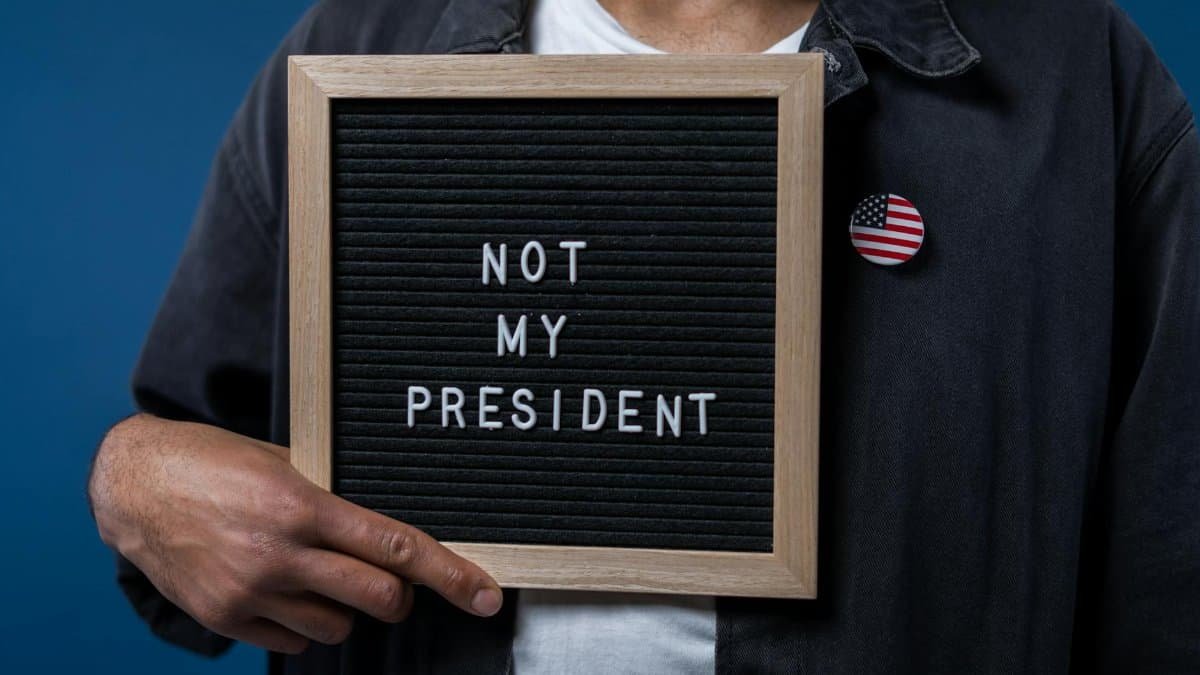
Minnesota stands at a crossroads in the fight to preserve democratic integrity. As enormous sums of money pour into political campaigns from a handful of extraordinarily wealthy individuals the voice of the average citizen grows fainter. A proposed constitutional amendment now before voters aims to address this imbalance directly. This measure with support from both major parties would empower the state to set reasonable limits on campaign contributions and spending. In doing so it seeks to stem the tide of billionaire takeover politics that threatens to drown out ordinary voices in the electoral process. The amendment represents more than a policy tweak. It is a fundamental effort to realign political power with the people it is meant to serve. By taking this step the state could set an example for the nation on how to protect elections from being overwhelmed by private wealth.
The Growing Influence Of Wealthy Donors

The concentration of political funding in the hands of a few billionaires has become a defining feature of contemporary elections. These individuals and the organizations they support can deploy resources on a scale that dwarfs what ordinary citizens or even well resourced interest groups can muster. The dynamic creates an uneven playing field where access to vast wealth translates into amplified political speech.
Analysis from the Center for Responsive Politics shows that a tiny fraction of donors account for the majority of funding in many competitive races. This pattern holds true in state races as well as federal ones. In Minnesota recent cycles have seen increasing involvement from out of state billionaires seeking to shape local outcomes on issues ranging from taxation to environmental regulation. The result is a system in which policy decisions increasingly reflect the priorities of the donor class rather than the broader public. Scholars have documented how this financial dominance shapes not only who wins elections but also which topics receive serious attention once candidates take office.
Understanding The Proposed Amendment
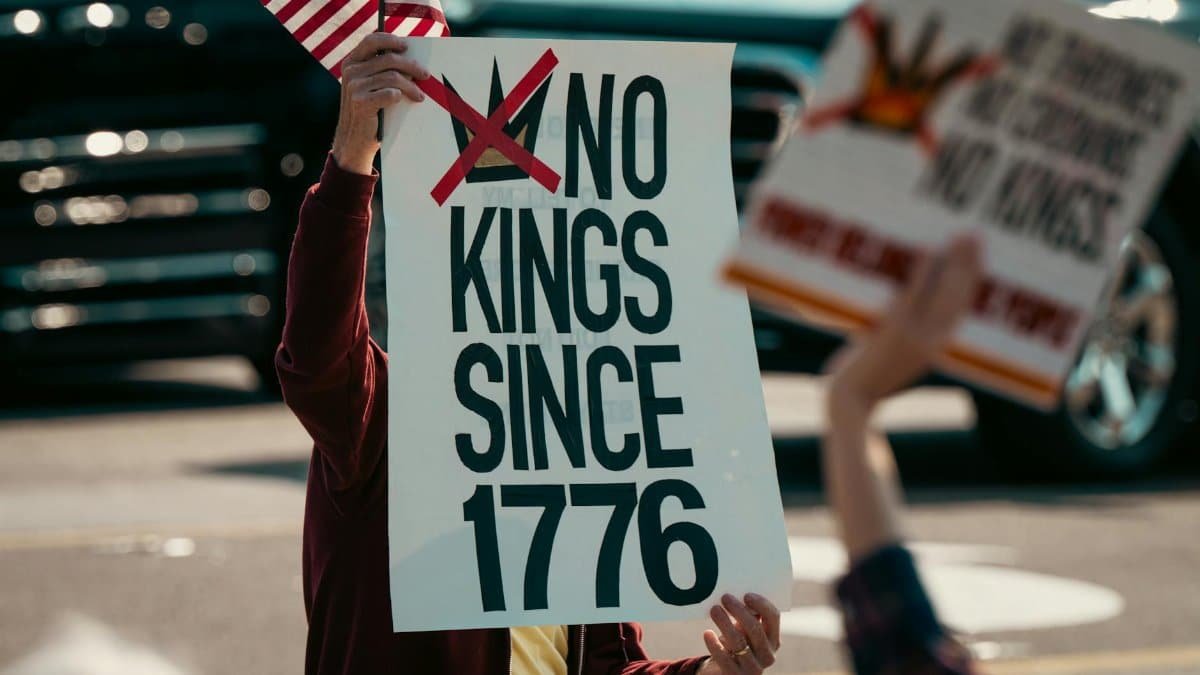
The constitutional amendment in question would grant Minnesota lawmakers the authority to establish limits on campaign spending and contributions. It would also allow for stricter disclosure requirements for political donations. Proponents argue that these tools are essential to prevent the unchecked flow of money from distorting the democratic process. By embedding these provisions in the state constitution the measure aims to shield them from easy legal challenges that have undermined similar efforts elsewhere.
The proposal emerged from widespread concern that current rules leave the system vulnerable to domination by a small number of ultra wealthy individuals. If passed it would give Minnesota a stronger framework for ensuring that elections reflect the will of the community rather than the wallet of any single patron. Voters would gain reassurance that their participation carries real weight in the political conversation.
Bipartisan Efforts To Restore Balance

One of the most encouraging aspects of this initiative is the bipartisan support it has attracted. Lawmakers from both parties have recognized that excessive money in politics undermines public trust in government. This rare alignment suggests that the issue transcends typical partisan divides and speaks to a shared desire to protect the integrity of elections.
Former officials and current representatives have voiced their endorsement emphasizing that limits can help refocus campaigns on substantive issues rather than fundraising marathons. Such cooperation offers hope that meaningful reform remains possible even in a polarized era. The breadth of backing demonstrates that Minnesotans across the spectrum share a common frustration with the current state of affairs and a common vision for something better.
Historical Attempts At Campaign Finance Reform
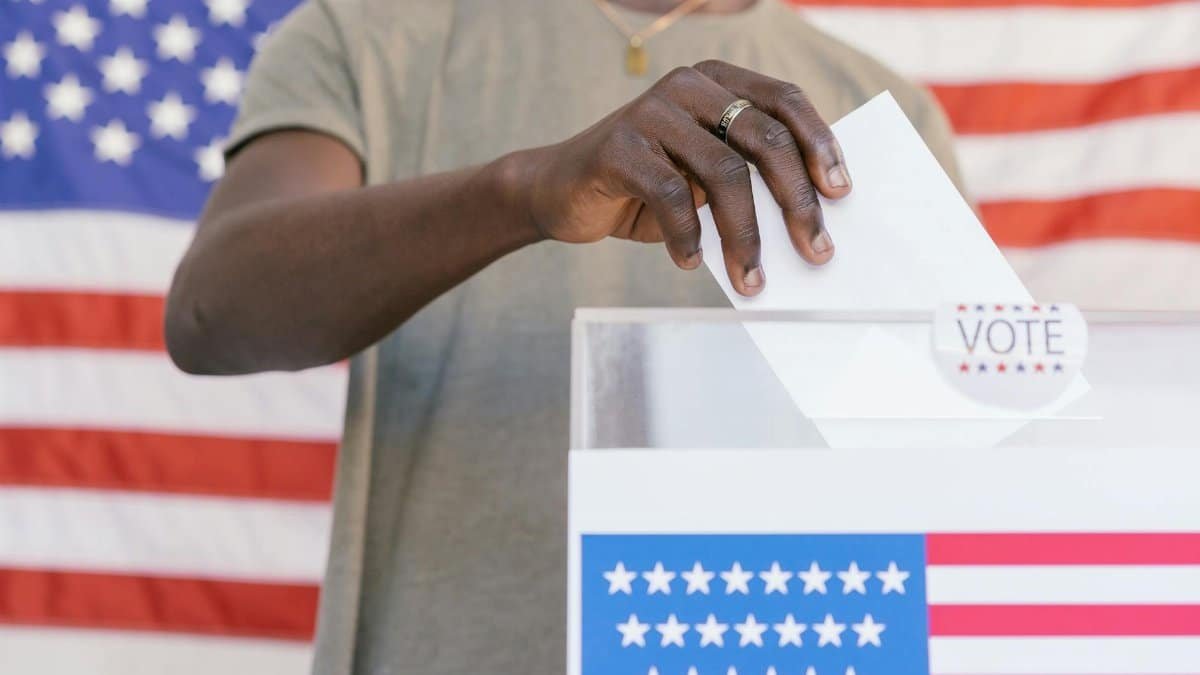
Efforts to regulate money in politics date back many decades. Lawmakers have periodically sought to impose guardrails only to see court decisions expand the role of private money. These legal shifts have often frustrated previous reform attempts and left many citizens feeling powerless to change the trajectory.
Minnesota now has an opportunity to carve out its own path by amending its constitution. This approach could withstand scrutiny better than statutory changes alone. It builds on a long tradition of states experimenting with ways to strengthen democracy and offers a model that respects both free expression and fair representation. Past experience shows that when citizens mobilize around these questions lasting progress can follow.
The Impact On Everyday Minnesotans

For the typical resident of the north star state billionaire takeover politics manifests in subtle but significant ways. Policies on healthcare education and infrastructure may tilt toward the preferences of major donors rather than reflecting broad public will. Voters sense this disconnect and it contributes to declining confidence in elected officials.
By curbing the influence of extreme wealth the proposed amendment could help ensure that lawmakers pay closer attention to the needs of working families small business owners and rural communities. It is a step toward making government more responsive and accountable to all citizens. Families struggling with rising costs and uncertain futures deserve representatives whose primary loyalty is to them not to anonymous funders writing enormous checks from distant cities.
Addressing Concerns About Free Speech
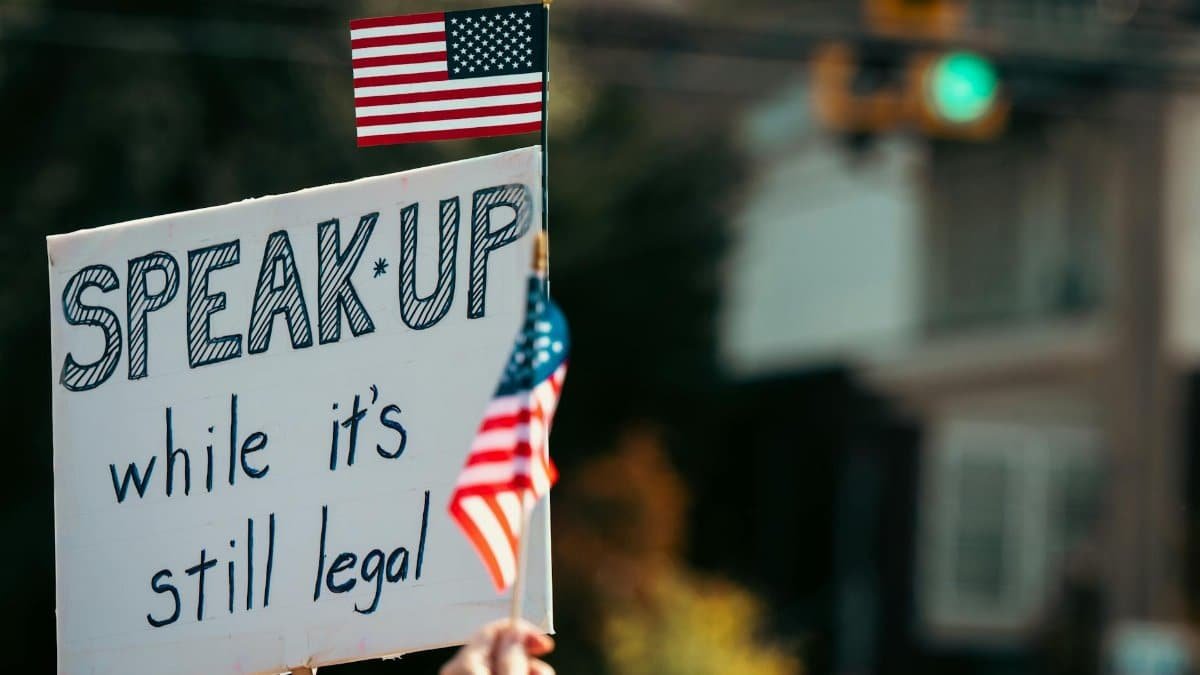
Critics of campaign finance regulations often claim that spending limits infringe on free speech rights. They argue that individuals should be free to support causes as generously as they wish. While these concerns deserve consideration they overlook the way massive expenditures can overwhelm the voices of less affluent citizens. The constitution protects speech but it does not require that some speakers receive vastly greater volume than others through sheer financial force.
Experience from states with public financing systems or contribution limits shows that elections can remain competitive and robust without unlimited funds. These models demonstrate that reform need not stifle debate but can enrich it by broadening participation. Minnesota can learn from these examples and craft rules that uphold constitutional values while restoring balance to the political arena.
The Ethical Dimension Of Political Funding

Beyond the mechanics of elections lies a deeper ethical dimension. Many faith traditions and moral philosophies emphasize principles of fairness equality and concern for the common good. When political systems allow a small number of wealthy individuals to exert outsized control they stray from these values. The push to limit billionaire takeover politics can be seen as an effort to align governance more closely with moral imperatives of justice and stewardship.
Religious leaders from various communities have lent their support to the amendment viewing it as a way to protect the democratic process that serves as a foundation for a just society. Their involvement underscores that this is not merely a political matter but one that touches on fundamental questions of right and wrong. In an age of deepening division a commitment to fair rules offers a rare point of moral consensus.
Stories From Across The State

In town halls from Duluth to Mankato Minnesotans have shared their frustrations with a system that seems increasingly distant from their daily lives. Farmers worry that agricultural policy is shaped more by corporate donors than by those who work the land. Teachers and nurses express concern that funding priorities favor special interests over essential public services. These conversations reveal a deep yearning for change that crosses every demographic line.
One organizer described how a local race was flooded with advertising from a distant billionaire whose name few residents even recognized. Such episodes highlight the disconnect that the amendment seeks to correct. They also illustrate the quiet determination of citizens who refuse to accept that wealth should equal influence in the public square.
Potential Effects On Future Elections

If approved the amendment could transform how campaigns are conducted in Minnesota. Candidates might spend less time courting wealthy benefactors and more time engaging with constituents. Political discourse could shift toward ideas that appeal to a wider audience rather than niche donor demands. Over time this might lead to policies that better address the needs of the middle class and working families.
The change would not occur overnight. Yet it could set a precedent for other states grappling with similar challenges. Success in Minnesota might inspire a broader movement to reclaim politics from the grip of extreme wealth and remind Americans that self government remains within reach when citizens choose to act.
Empowering Voters To Take A Stand
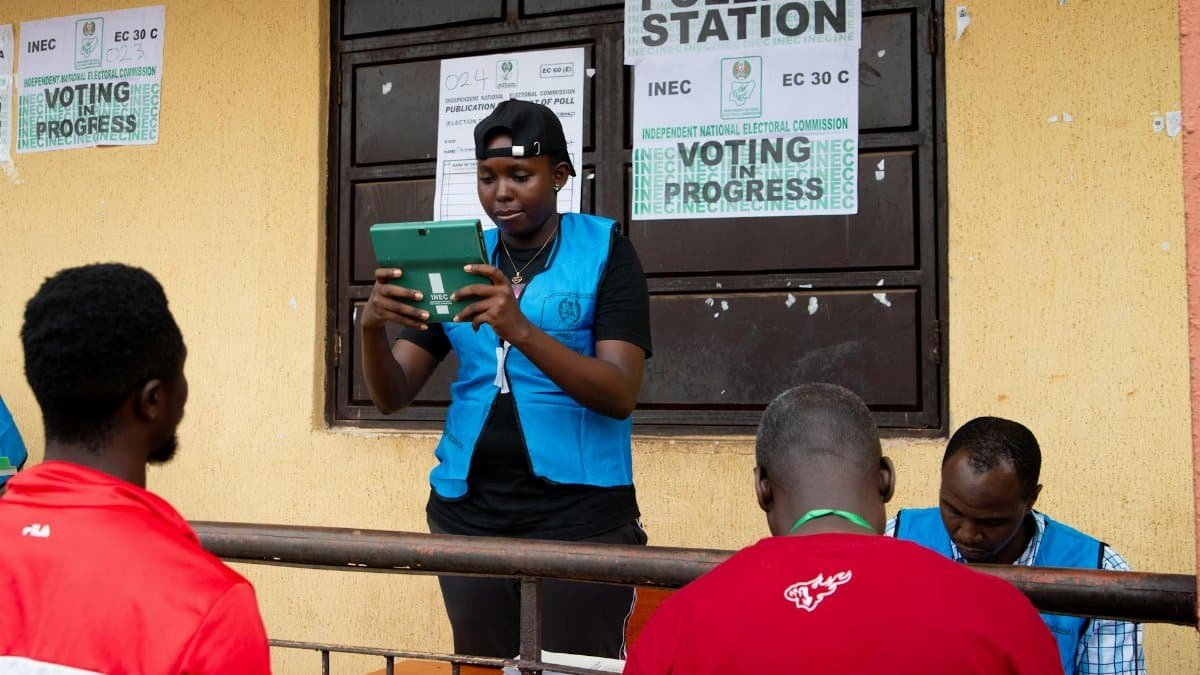
Ultimately the power to enact this reform rests with the people of Minnesota. By voting in favor of the constitutional amendment residents can send a clear message that democracy belongs to everyone not just those with the deepest pockets. This moment offers an opportunity for citizens to reassert their role as the true sovereigns in the political system.
Engagement goes beyond a single vote. It involves staying informed supporting organizations dedicated to reform and holding elected officials accountable. Through these actions Minnesotans can help stop billionaire takeover politics and build a more equitable future for generations to come. The choice before them is clear and the moment to act is now.