
The tension in Houston City Council chambers was palpable as elected officials prepared to cast their votes. Outside crowds had gathered holding signs that reflected the deep divide in this diverse city. Some chanted for stricter immigration rules while others called for protection of vulnerable families. It was against this backdrop that the council approved a set of ICE policy amendments. The decision came after Governor Greg Abbott issued a stark threat to withhold 114 million dollars in critical funding for local law enforcement and public safety initiatives. This confrontation between city leaders and the state governor underscores larger questions about authority community values and the treatment of immigrants in Texas today. For many middle class Houstonians who have built lives alongside immigrant neighbors the debate strikes at the heart of what kind of city they want to live in.
A Divisive Vote In City Hall

Council members deliberated for hours before the final tally. The amendments passed by a narrow margin reflecting the split even among those who typically align on public safety matters. Mayor John Whitmire had worked to craft language that would satisfy some state demands while preserving local discretion in how officers handle routine encounters with people who may lack full documentation. Observers noted that several council members appeared visibly torn as they listened to emotional testimony from constituents. One speaker described how routine traffic stops had turned into immigration checks in the past creating fear that eroded trust between police and the neighborhoods they serve. The atmosphere inside the chamber captured the larger struggle playing out in cities across the country where local governments find themselves caught between federal expectations and community realities.
The Governors Stark Warning
Governor Abbott made clear that he viewed the original proposal as insufficient to meet what he considers basic cooperation standards with federal immigration authorities. His office sent letters warning that more than 114 million dollars in grants could be at risk if Houston failed to align more closely with state priorities. This financial leverage has become a common tool in recent years as state leaders seek to influence urban policies on everything from education to law enforcement. Supporters of the governors position argue that cities must contribute fully to national border security efforts especially at a time when federal resources are stretched thin. Critics counter that such threats undermine the very public safety the funding is meant to support by making immigrant communities less likely to report crimes or cooperate with police.
Breaking Down The Amendments
The ICE policy amendments ultimately approved include several key provisions. They limit the circumstances under which local officers can detain individuals solely for immigration violations. They also require more documentation before honoring certain federal requests for information. At the same time the changes stop short of declaring Houston a sanctuary city a label that carries heavy political weight in Texas. Instead the language emphasizes constitutional protections and the importance of community trust. Legal analysts say the wording represents an attempt to thread a needle though it remains to be seen whether it will satisfy either side completely. Implementation will depend heavily on training for frontline officers and clear communication from city leadership.
Concerns From Immigrant Advocates
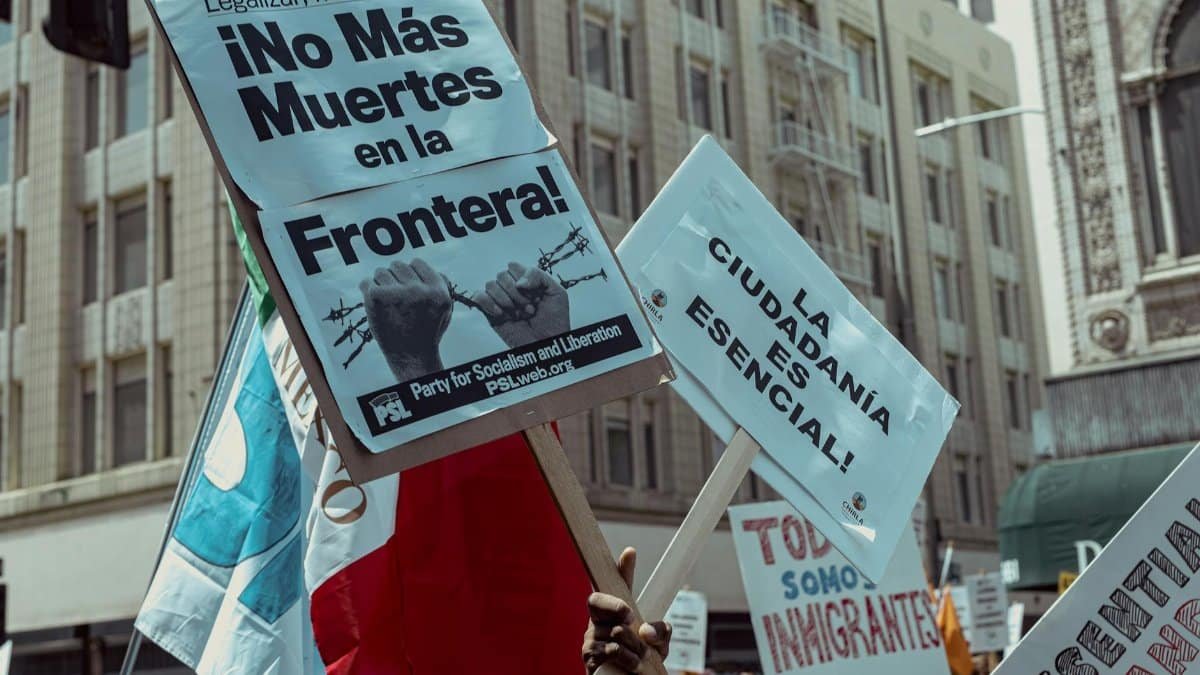
Immigrant rights groups have expressed cautious relief mixed with ongoing skepticism. Many organizers spent weeks mobilizing community members to attend public hearings and share personal stories. They worry that even these amendments could be reversed under future pressure or that subtle changes in enforcement practices might still create chilling effects. Families in neighborhoods like Gulfton and Southwest Houston have reported increased anxiety in recent months with some parents afraid to send children to school or visit public health clinics. Advocates emphasize that immigrants contribute substantially to the local economy through work in healthcare construction and small business. They argue that policies fostering fear ultimately harm everyone by weakening social cohesion and economic vitality.
Faith Communities Speak Out

Religious leaders across Houston have entered the conversation with increasing urgency. Pastors from both Protestant and Catholic congregations have organized prayer vigils and community forums to discuss the moral dimensions of immigration enforcement. Many draw on longstanding traditions of welcoming the stranger and caring for the vulnerable. In recent weeks several prominent faith groups have issued joint statements calling for policies grounded in compassion and human dignity. These spiritual voices bring a unique perspective to what can otherwise become a purely political debate. They remind residents that behind every statistic are individual stories of hardship hope and the search for stability. Their involvement reflects a broader trend of faith based organizations stepping into policy conversations at the local level when state and federal actions create uncertainty for their members.
Perspectives From Law Enforcement

Police officials find themselves in a delicate position. Houston police chief Troy Finner has emphasized the need to maintain strong relationships with all segments of the population. Officers on patrol understand that crime victims and witnesses who fear deportation are less likely to come forward. At the same time many rank and file personnel express frustration with what they see as mixed messages from elected leaders. The amendments attempt to provide clearer protocols but training sessions will be essential to ensure consistent application. Law enforcement leaders have requested additional resources to handle the administrative burdens that come with changing policies. Their experiences on the ground offer important insights into how abstract rules translate into daily practice in one of the nations most diverse metropolitan areas.
The Financial Pressure At Stake

The 114 million dollars in potential lost funding represents far more than an abstract budget line. These grants support vital programs including mental health services for first responders equipment upgrades and community policing initiatives. City officials have warned that any reduction would force difficult choices potentially affecting response times or prevention efforts. Business leaders have also voiced concern noting that a perception of instability could harm recruitment and investment. Yet some state lawmakers maintain that funding should reflect compliance with broader policy goals. This standoff illustrates how immigration enforcement has become entangled with virtually every aspect of local governance from infrastructure to emergency preparedness.
Houston Unique Position In The Debate
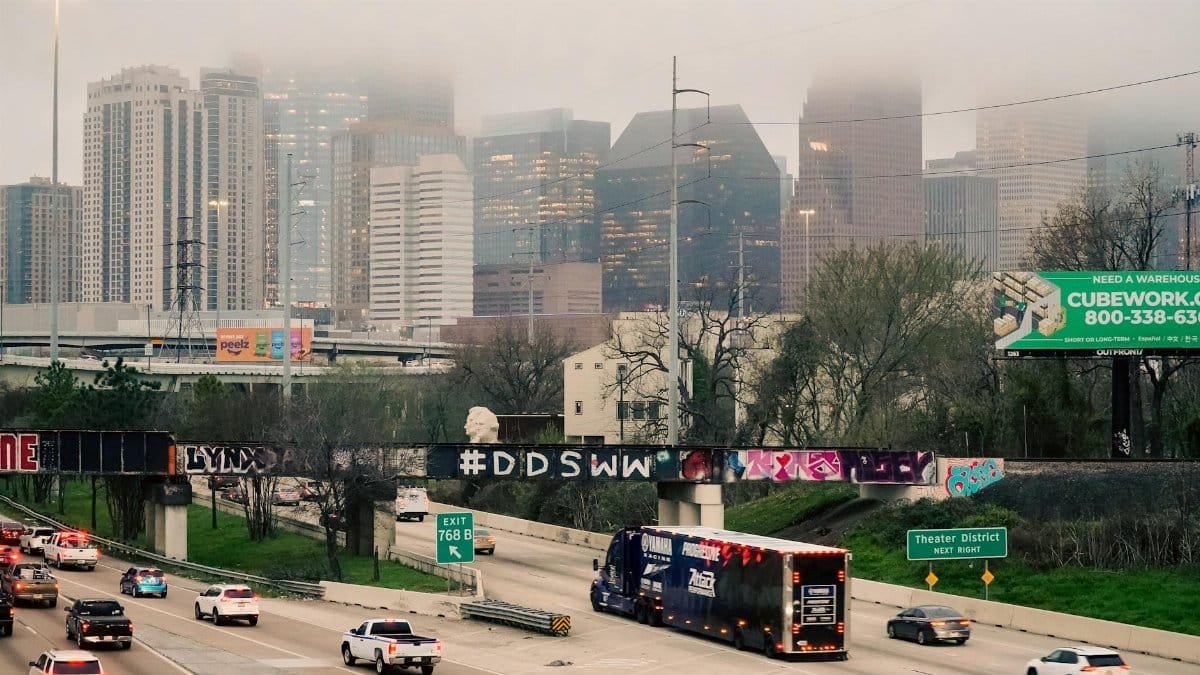
As the nations fourth largest city and one with deep connections to Latin America Houston occupies a distinctive place in immigration discussions. The metropolitan area is home to large and longstanding communities from Mexico Central America and beyond. Many residents have deep roots here while others arrived more recently seeking economic opportunity or safety. This diversity has fueled both cultural richness and political friction. Local industries from energy to medicine rely heavily on immigrant labor. At the same time the city has experienced strains on public services that some attribute partly to rapid population growth. The recent council action reflects these complex realities rather than any simple ideological stance.
Legal Questions That Remain

Attorneys following the case predict further challenges regardless of how the amendments are implemented. Federal authorities could contest the new rules in court while advocacy groups stand ready to file suit if they believe protections are being eroded. The interplay between local state and federal authority in immigration matters has generated considerable litigation in recent years with courts offering sometimes contradictory guidance. Legal scholars suggest that the Houston approach may serve as a test case for other cities navigating similar pressures. Clarity may ultimately come from higher courts or from legislative action at the state or federal level though prospects for compromise appear dim in the current climate.
Looking Toward The Future

The passage of these ICE policy amendments represents one moment in an evolving story. Demographic trends suggest that Houston and other major cities will continue to grow more diverse in coming decades. How leaders respond to that reality will shape everything from economic competitiveness to social harmony. Some observers hope the current controversy might eventually lead to more constructive dialogue about comprehensive immigration reform that addresses root causes rather than simply shifting burdens between government levels. In the meantime city officials must focus on clear communication and careful implementation to minimize disruption while safeguarding both security and civil liberties.
Finding Common Ground In A Polarized Time

Beneath the political rhetoric lie shared concerns about safety prosperity and fairness that cross traditional divides. Many Houstonians regardless of background want orderly immigration processes that respect human rights and the rule of law. Faith communities have played a valuable role in creating spaces where these common values can be explored without immediate partisan filters. Their continued engagement could prove crucial in preventing the current tensions from hardening into deeper social fractures. As the city moves forward from this contentious vote the measure of success will not be found in press releases or campaign ads but in the daily experiences of residents who simply want to live work and raise families in peace. The path ahead requires wisdom patience and a willingness to see one another as neighbors rather than opponents in a zero sum contest.