
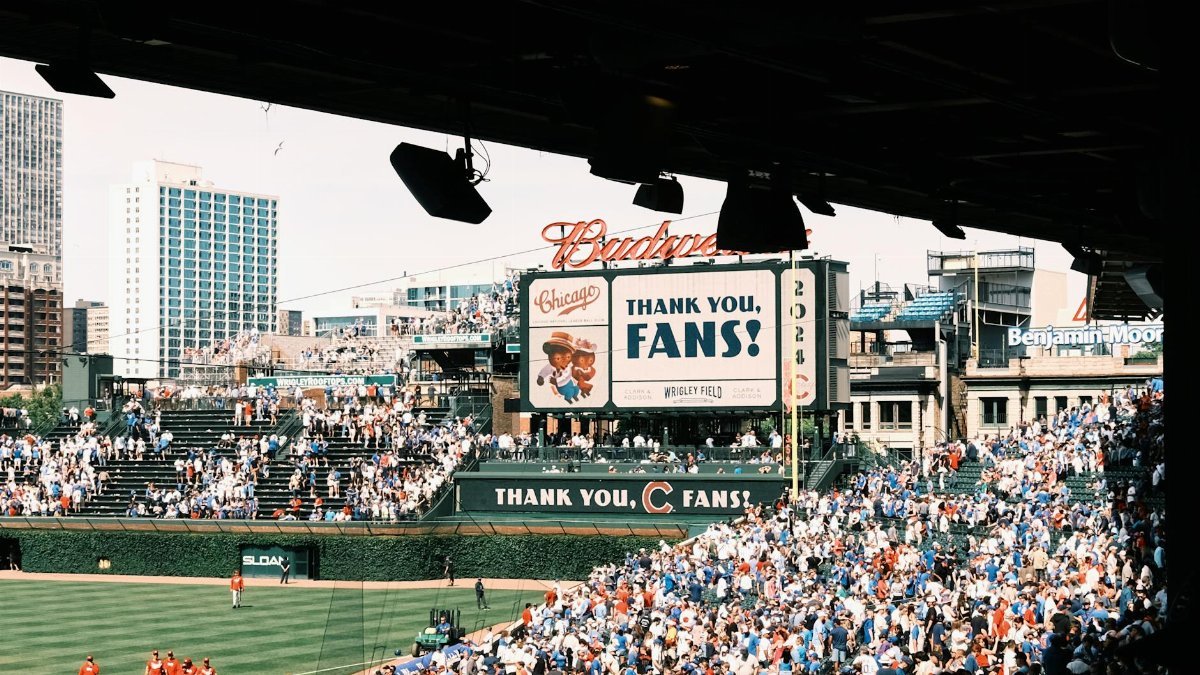
In the heart of Illinois politics a quiet but profound shift occurred this week that could redefine not only professional football but the very fabric of suburban community life. An Illinois House committee has approved a revised tax incentive package intended to help realize the long sought vision for a Chicago Bears stadium in Arlington Heights. What appears on the surface as another legislative maneuver carries deeper resonance for a region where sports have long served as a form of secular communion, drawing strangers into shared moments of hope, disappointment, and collective identity. For middle aged Chicagoans who remember the icy winds of Soldier Field and the loyal rituals of tailgating, this proposal feels less like a real estate transaction and more like a long delayed homecoming.
The measure offers targeted tax relief and infrastructure support to transform a former shopping mall site into a modern destination. Supporters argue it will generate jobs, tourism revenue, and a renewed sense of pride across the northwest suburbs. Yet beneath the fiscal language lies a more human question: can a stadium truly become the kind of gathering place that nourishes the spirit of a fractured region?
The Political Breakthrough in Springfield

After months of negotiation and earlier setbacks, the committee vote represents a notable compromise. Lawmakers adjusted the original language to address concerns about oversight and public return on investment. The tweaked proposal reduces certain blanket exemptions while preserving key mechanisms to fund site preparation and transportation upgrades. Observers familiar with Illinois politics note that this pragmatic trimming helped secure broader support across party lines. The development arrives at a time when many residents feel disconnected from decisions made in distant capitol buildings. This particular breakthrough suggests a growing recognition that major projects must demonstrate tangible benefits beyond the playing field.
Economic Promises for Arlington Heights

Local leaders envision the stadium as the centerpiece of a larger mixed use development that could bring thousands of jobs and millions in annual economic activity. Retail, restaurants, and hospitality businesses would cluster around the venue, creating what planners describe as a year round destination rather than a Sunday only attraction. Studies on similar projects suggest that well planned sports facilities can increase surrounding property values and broaden the local tax base. Arlington Heights residents have heard such promises before. The difference this time lies in the scale of the proposal and the explicit inclusion of community investment requirements. Whether these commitments survive final negotiations remains to be seen, but the current framework attempts to learn from past mistakes in other cities.
Community Voices and Local Sentiment

Door to door conversations in Arlington Heights reveal a town divided yet hopeful. Older residents remember when the property housed a thriving indoor mall that served as a social hub for decades. Younger families speak of the potential for new parks and gathering spaces that could accompany the stadium. At community meetings one hears both cautious optimism and legitimate worry about traffic, noise, and rising housing costs. What emerges most clearly is a hunger for something larger than individual concerns. Many express a desire to belong to a place that matters, a sentiment that echoes the spiritual need for shared meaning in an increasingly isolated society.
The Spiritual Role of Sports Venues
Throughout history humans have built temples, cathedrals, and public squares as focal points for collective experience. In contemporary America the sports stadium has quietly assumed some of these functions. It is where people practice rituals of loyalty, experience transcendence during improbable victories, and find comfort in communal grief after difficult losses. For Chicago Bears fans the team represents more than athletic competition. It embodies resilience, working class values, and an unbroken thread of identity across generations. A new stadium in Arlington Heights could become a modern pilgrimage site where diverse communities set aside differences for three hours each Sunday. In an era of declining institutional religion, these secular cathedrals increasingly fill a spiritual vacuum, offering moments of awe, belonging, and renewal that many crave.
Architectural Visions for a New Landmark
Early concepts for the facility emphasize openness and connection to the surrounding landscape. Architects speak of a design that feels embedded in the prairie rather than imposed upon it. Retractable elements would allow natural light to flood the concourses while advanced climate systems reduce energy demands. The goal appears to be creating not merely a sports arena but a public square that welcomes visitors even on nongame days. Planners have studied successful examples from other cities where stadiums have become cultural landmarks rather than mere containers for events. If realized, the project could set a new standard for blending athletic function with community accessibility and environmental responsibility.
Learning from Past Stadium Battles
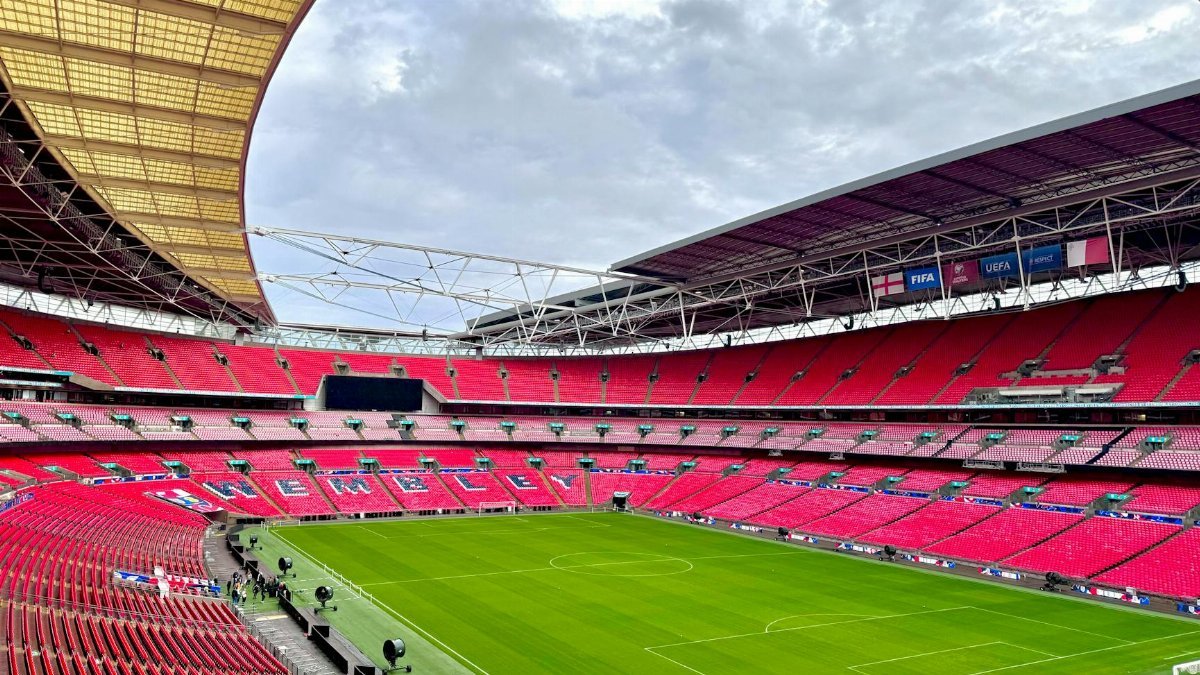
Chicago has witnessed its share of ambitious stadium proposals that ultimately faltered. The long struggle to replace Soldier Field taught valuable lessons about balancing historic preservation with modern needs. Other municipalities have seen projects collapse under the weight of unrealistic financial projections or community opposition. What distinguishes the current effort is the apparent willingness to adapt the proposal based on public feedback. By scaling back certain requests and incorporating independent oversight, proponents hope to avoid the pitfalls that doomed earlier initiatives. This evolution reflects a maturing understanding that successful projects must serve both the franchise and the broader public good.
Addressing Environmental and Infrastructure Concerns
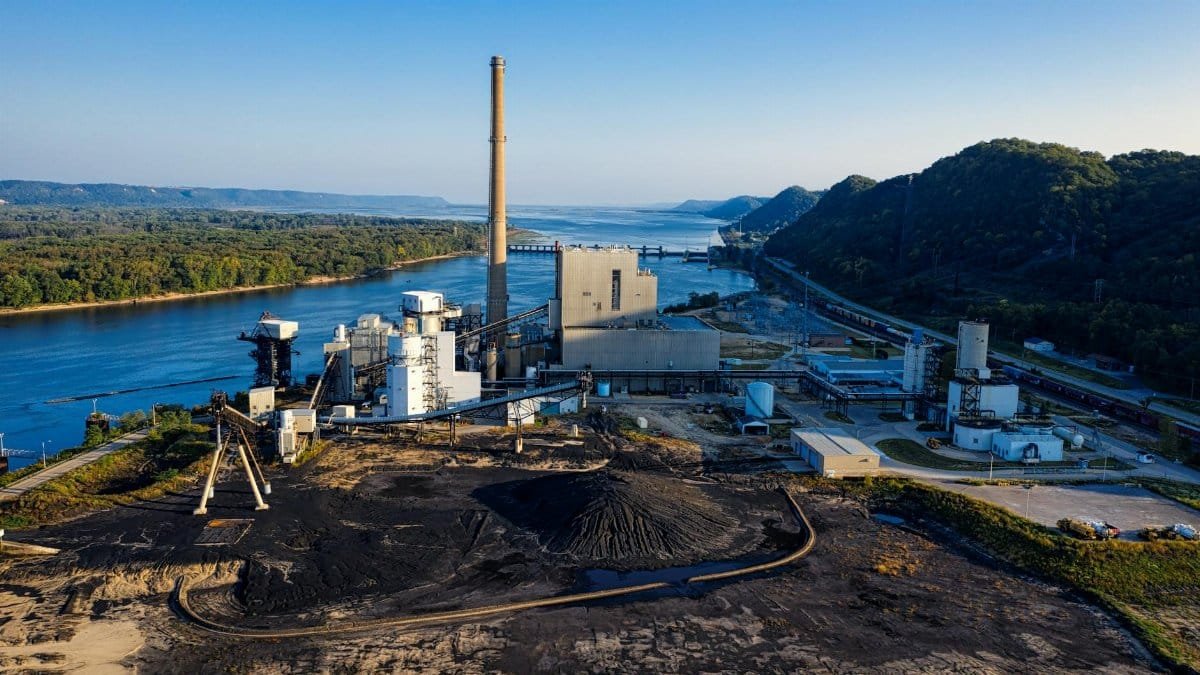
Any large scale development in the suburbs raises important questions about sustainability and traffic management. The revised proposal includes commitments to green building standards, water conservation, and improved public transit access. Environmental advocates have pressed for detailed studies on the impact to local wetlands and wildlife corridors. Transportation officials are examining ways to disperse game day crowds across multiple rail and bus lines. These considerations reflect a growing awareness that true progress cannot come at the expense of the natural world or community livability. The spiritual connection to place, after all, includes a responsibility to care for the land itself.
Impact on Illinois Taxpayers and Public Trust

Critics correctly note that public resources directed toward a professional sports team require rigorous justification. The current framework attempts to structure incentives so that increased tax revenue from new development helps offset the initial investment. Independent analyses will be essential to maintain public confidence. For many middle aged residents who have watched their tax dollars fund numerous civic projects, skepticism comes naturally. Yet there is also recognition that strategic public private partnerships have successfully revitalized other struggling areas. The key lies in transparency and measurable outcomes that extend beyond the scoreboard.
Uniting Generations Through a Shared Future

Perhaps the most compelling aspect of this proposal is its potential to bridge generational divides. Grandparents who once braved the elements at Wrigley Field or Soldier Field could share new memories with grandchildren in a facility designed for comfort and accessibility. In a time when technology often isolates rather than connects, a stadium offers something rare: a place where people gather in person to experience joy and disappointment together. This physical communion carries a spiritual weight that virtual alternatives cannot replicate. The Bears have always represented more than football in Chicago. They have been a constant through economic shifts, social changes, and personal milestones.
What Lies Ahead for the Bears Franchise

Team officials have signaled that the Arlington Heights project represents their preferred path forward. Success would provide the organization with modern facilities capable of competing with newer venues across the league. Beyond the practical benefits, it would allow the franchise to deepen its connection to a specific community rather than remaining a tenant in a municipally owned stadium. For fans this could mean enhanced experiences and a greater sense of ownership in the team’s home. The coming months will test whether the political momentum can be sustained through final legislative approval and detailed planning phases.
The approval of this tweaked proposal for the Chicago Bears stadium does not guarantee success. Many obstacles remain before shovels break ground. Yet it represents a meaningful step toward resolving years of uncertainty while acknowledging the deeper human needs that such projects can fulfill. In an age marked by division, the possibility of creating a new gathering place where Chicago area residents can celebrate their shared passion holds genuine value. Whether measured in economic returns or in the less quantifiable currency of community spirit, the true test will be whether the finished project enriches the lives of those it seeks to serve.
As discussions continue in Springfield and Arlington Heights, one truth remains evident. Sports venues have always been about more than sports. They are where memories are forged, identities strengthened, and that rare feeling of collective transcendence occasionally achieved. For a region still seeking healing and purpose, the careful creation of such a space may offer benefits that extend well beyond game days.