
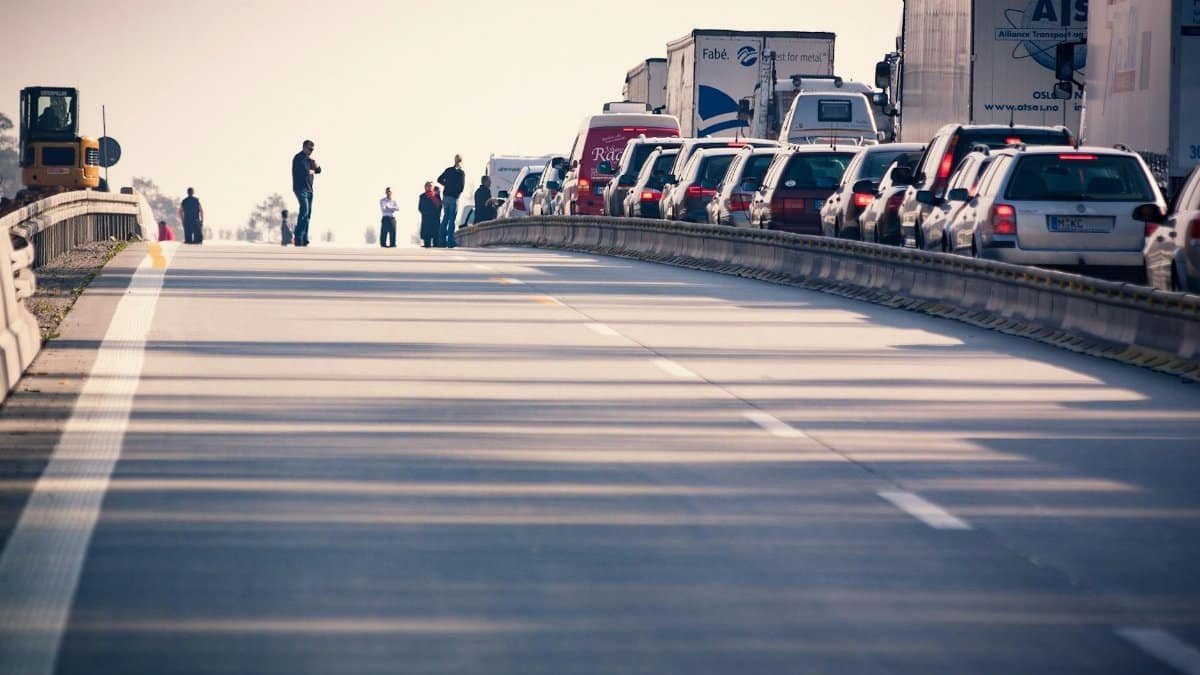
Stuck in yet another seemingly endless backup on a major freeway many drivers in the nations fourth largest city may wonder if there is any relief in sight. A comprehensive new analysis from state transportation officials has now quantified the problem in stark terms. The study identifies specific stretches of highway where congestion reaches critical levels on a regular basis. Among its conclusions is a clear picture of the houston worst traffic jams those that combine high volume frequent incidents and limited alternatives for drivers seeking to bypass the slowdowns. This report not only highlights the scale of the issue but invites reflection on how these daily ordeals affect our collective sense of peace and purpose.
In an era where time ranks among our most precious resources losing hours each week to immobility on the road can feel like more than an inconvenience. It can stir a deep frustration that touches on something more profound within us. The state report drawing on extensive data from sensors and traffic monitoring systems across the region ranks 36 highway segments in the Houston area among the most congested in all of Texas. For middle aged commuters who remember quieter days on these same routes the findings arrive as both validation and a call to examine how we navigate not just the freeways but the inner landscape of impatience and resilience.
The Scope of the State Analysis
Transportation officials compiled years of sensor data incident reports and travel time metrics to produce one of the most thorough assessments yet of regional mobility. The analysis examined more than 200 highway segments statewide and placed 36 Houston area corridors in the top tier of congestion. These rankings consider peak period delays total hours lost annually and the reliability of travel times. What emerges is a data driven portrait that confirms what many drivers have felt intuitively for years. Congestion in this city has intensified even as population growth has continued its steady climb. The study also offers a public link to its methodology allowing readers to explore the numbers themselves through the original reporting.
Pinpointing the Most Severe Bottlenecks
Certain corridors stand out with striking clarity. Sections of Interstate 45 north of downtown Interstate 10 west of the central business district and portions of the Sam Houston Tollway repeatedly appear at the top of the list. One particularly difficult stretch along the Katy Freeway regularly produces delays that add more than two hours to what should be a 30 minute trip during evening peaks. The state analysis measured not only the length of slowdowns but their predictability noting that many commuters now build an extra 90 minutes into schedules that once required far less padding. These are the locations where houston worst traffic jams transition from occasional nuisance to daily reality for thousands of working adults.
Underlying Factors Driving the Congestion
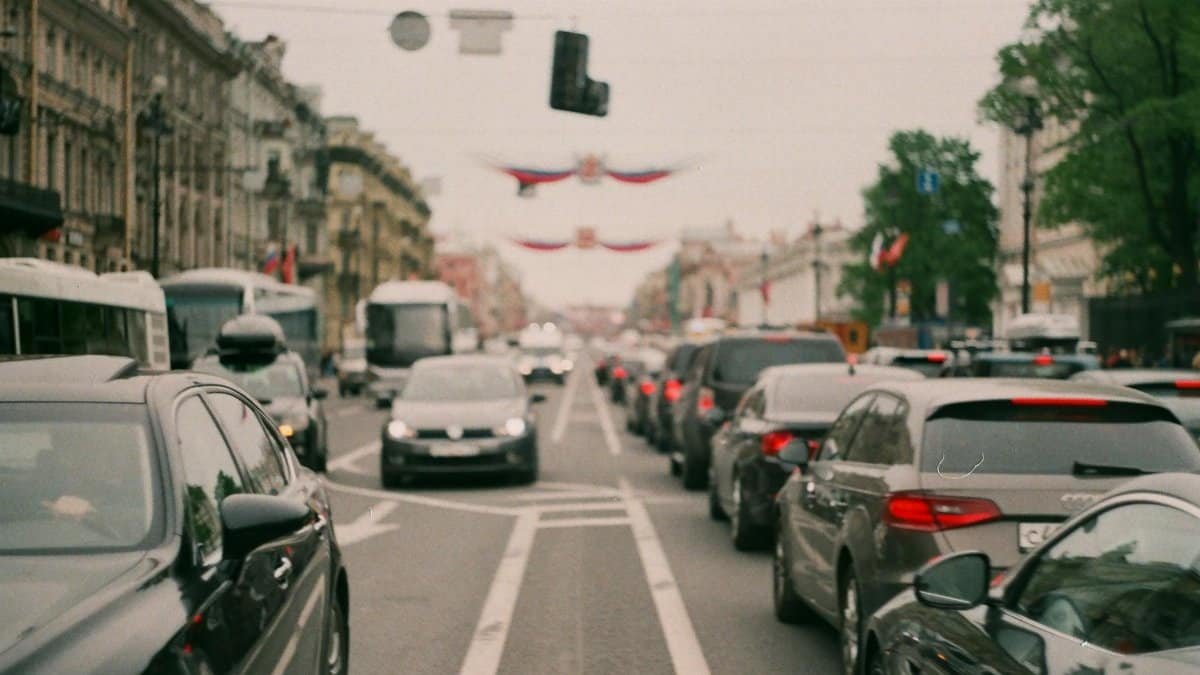
Several forces converge to create these persistent problems. Rapid population growth in suburban communities has funneled more vehicles onto aging infrastructure originally designed for far fewer users. Construction projects though necessary often reduce available lanes for extended periods. Weather events and minor collisions quickly cascade into major disruptions because there are few alternate routes. Economic expansion in the energy medical and technology sectors has also lengthened commute distances for many employees. The report carefully avoids assigning blame instead presenting these elements as interconnected realities that demand creative thinking from both planners and the public.
The Personal Price Paid by Commuters
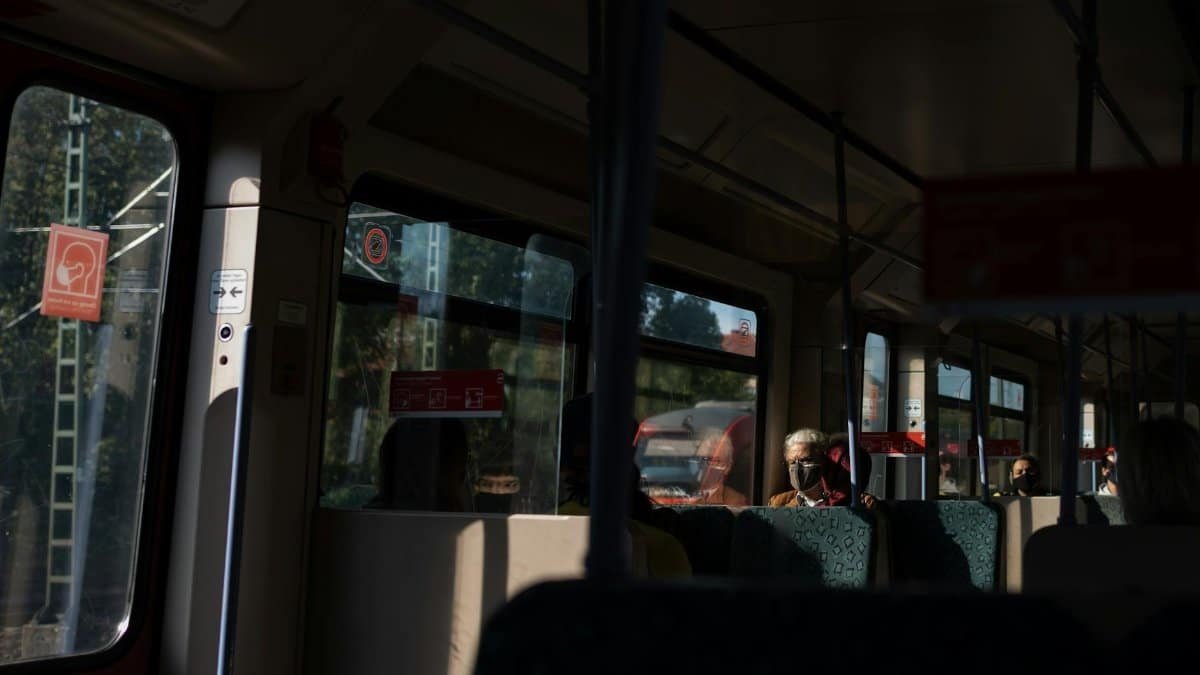
Beyond the numbers lies the human experience. Middle aged drivers balancing careers family obligations and aging parents often absorb the heaviest burden. Lost time behind the wheel translates into missed soccer games later dinners and diminished energy for relationships. Medical professionals note higher reports of stress related conditions among those with the longest commutes. Sleep suffers. Exercise routines disappear. Over time the cumulative effect can erode both physical health and emotional equilibrium. The state data quantifies hours lost but cannot fully capture the quieter costs measured in shortened tempers and diminished presence when drivers finally reach their destinations.
Travel Rage and Its Spiritual Dimensions

Here the conversation moves into deeper territory. Travel rage has emerged as a recognizable affliction in modern life yet its spiritual implications receive less attention. When metal and concrete confine us for unpredictable stretches of time many experience a profound loss of agency. That loss can awaken old angers or surface anxieties we prefer to ignore. Some spiritual teachers suggest these moments function as unintended classrooms inviting us to practice presence amid chaos. The trends section of the state analysis indirectly highlights this phenomenon noting that incidents of aggressive driving have risen in tandem with congestion. For readers navigating both external traffic and internal turbulence the findings may prompt questions about what these daily trials reveal about our capacity for patience and compassion.
Voices From the Front Lines of Traffic
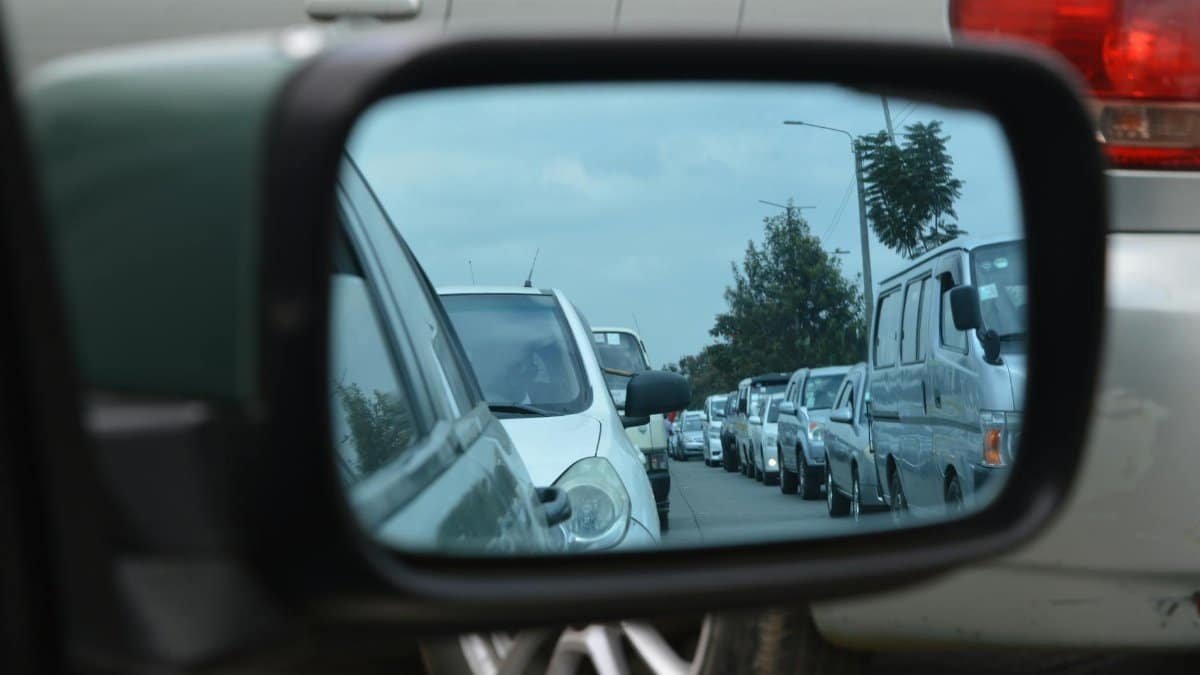
Conversations with longtime residents reveal patterns. A school administrator who travels Interstate 10 daily describes using the time for guided audio reflections that help reframe his arrival at work. A nurse commuting from Sugar Land speaks of learning to release expectations after years of arriving tense and depleted. These personal accounts collected independently of the official study illustrate how individuals develop private rituals to preserve sanity. One retired engineer now volunteers with a local meditation group that offers sessions focused on breathing techniques suitable for use at red lights. Their stories suggest that while systemic solutions remain essential personal adaptation plays a meaningful role in preserving wellbeing.
Economic Consequences for the Region
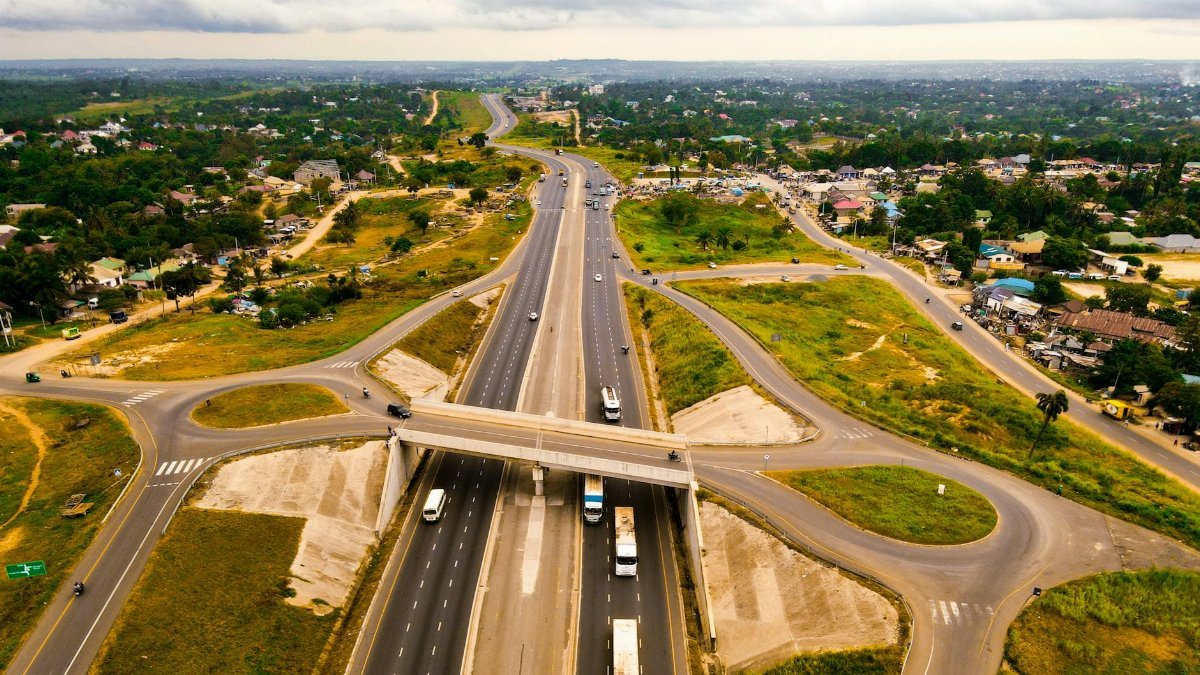
The analysis translates congestion into dollars with sobering precision. Estimates suggest the Houston area loses more than two billion dollars annually to lost productivity fuel waste and delayed commerce. Small businesses dependent on timely deliveries absorb some of the heaviest hits. Logistics coordinators report adding buffer times that inflate operational costs ultimately passed along to consumers. The report also notes secondary effects including impacts on air quality and public health spending. These figures provide ammunition for policymakers who argue that strategic investment in public transit lane expansions and smart traffic management could yield substantial returns not only economically but in improved quality of life.
Innovative Approaches to Finding Inner Peace on the Road

Across the region a quiet movement has taken shape. Mobile applications now offer short mindfulness exercises designed specifically for stop and go traffic. Local faith communities have begun incorporating discussions of patience into study groups drawing on wisdom traditions that address anger and reactivity. One popular podcast hosted by a Houston area counselor features episodes on reframing commute time as contemplative space rather than wasted time. These developments represent a notable trend within spiritual news circles where ancient practices meet very modern frustrations. The state analysis while focused on infrastructure inadvertently spotlights the need for such inner resources.
Community and Policy Responses
Local leaders have responded with a mix of short term relief measures and longer term visions. Expanded toll lanes have provided options for those who can afford them though critics argue they simply shift congestion elsewhere. Investments in bus rapid transit show promise in select corridors. Community organizations have launched carpool matching services and flexible work advocacy campaigns. The most forward thinking proposals combine physical improvements with educational efforts aimed at fostering a culture of courteous driving. Cooperation between municipal county and state entities will prove essential if meaningful progress is to occur.
Cultivating Patience in an Impatient World

At its core the challenge of houston worst traffic jams raises questions that extend beyond engineering. How do we maintain equanimity when circumstances lie beyond our control? Many spiritual traditions emphasize that true freedom arises not from eliminating obstacles but from changing our relationship to them. Commuters who adopt this perspective sometimes report paradoxical results. By releasing the fantasy of perfect punctuality they occasionally discover more enjoyment in the moments that remain. This does not absolve planners of responsibility but it does suggest that individual attitudes can either amplify or mitigate the suffering caused by external conditions.
What the Future May Hold for Houston Drivers
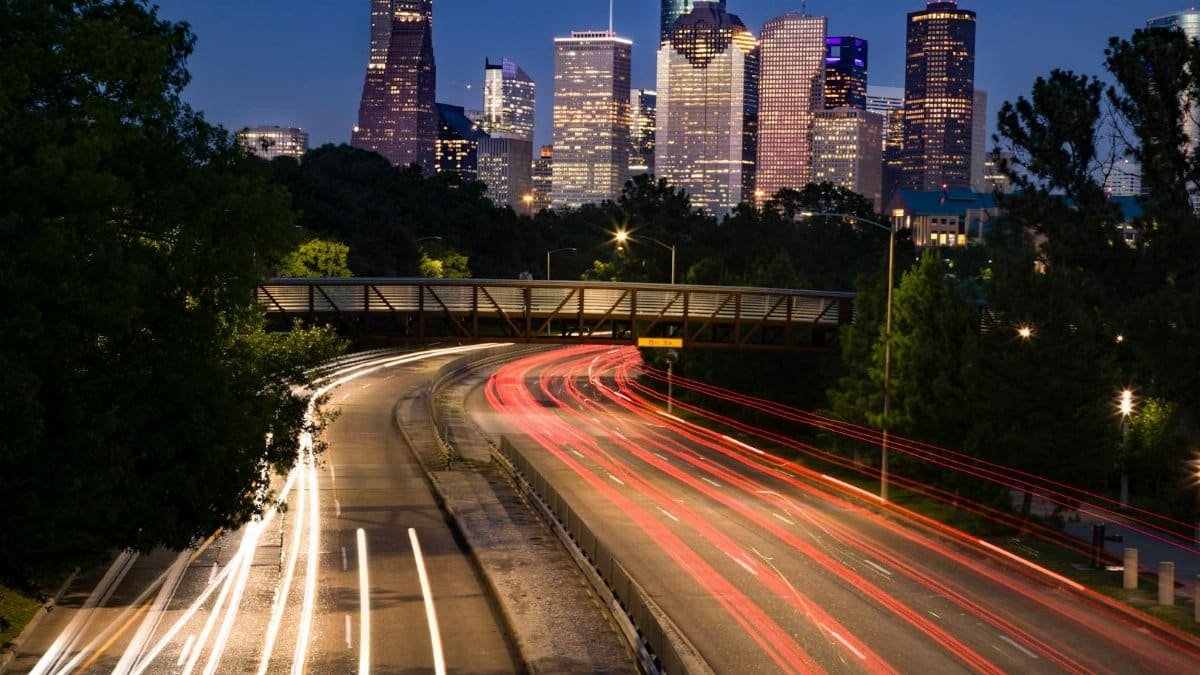
Looking ahead the state analysis serves as both warning and potential catalyst. Autonomous vehicle technology may eventually reshape traffic patterns though widespread adoption remains years away. Climate considerations could accelerate shifts toward remote work and denser urban planning. In the meantime the report offers a valuable benchmark against which future progress can be measured. For those who call this sprawling city home the findings underscore a simple truth. While we await smoother roadways we can begin the work of smoothing our responses to the inevitable delays. In that quiet interior effort may lie one of the more meaningful journeys available to us.
The comprehensive review leaves little doubt about the scale of congestion facing the region. Yet within its sobering statistics exists an opportunity for reflection. By examining both the physical infrastructure that shapes our days and the inner resources we bring to it Houstonians may yet discover new ways to move through their city and their lives with greater ease. The road ahead remains crowded but perhaps not without possibility.