

In the realm of Illinois politics few developments have captured attention quite like Governor JB Pritzker commitment of 10 million dollars to back Lieutenant Governor Juliana Stratton in her bid for the United States Senate. This extraordinary financial move has elevated the pritzker stratton senate primary to national prominence and sparked intense debate about power influence and the future direction of the Democratic Party in the Midwest. Political analysts suggest the donation reflects not only personal loyalty but also a calculated effort to secure progressive leadership in Washington at a time when national dynamics grow increasingly complex. For many middle aged Illinois residents who have followed state politics for decades this development raises profound questions about democracy representation and the values that should guide those who seek high office.
The Scale of This Political Investment
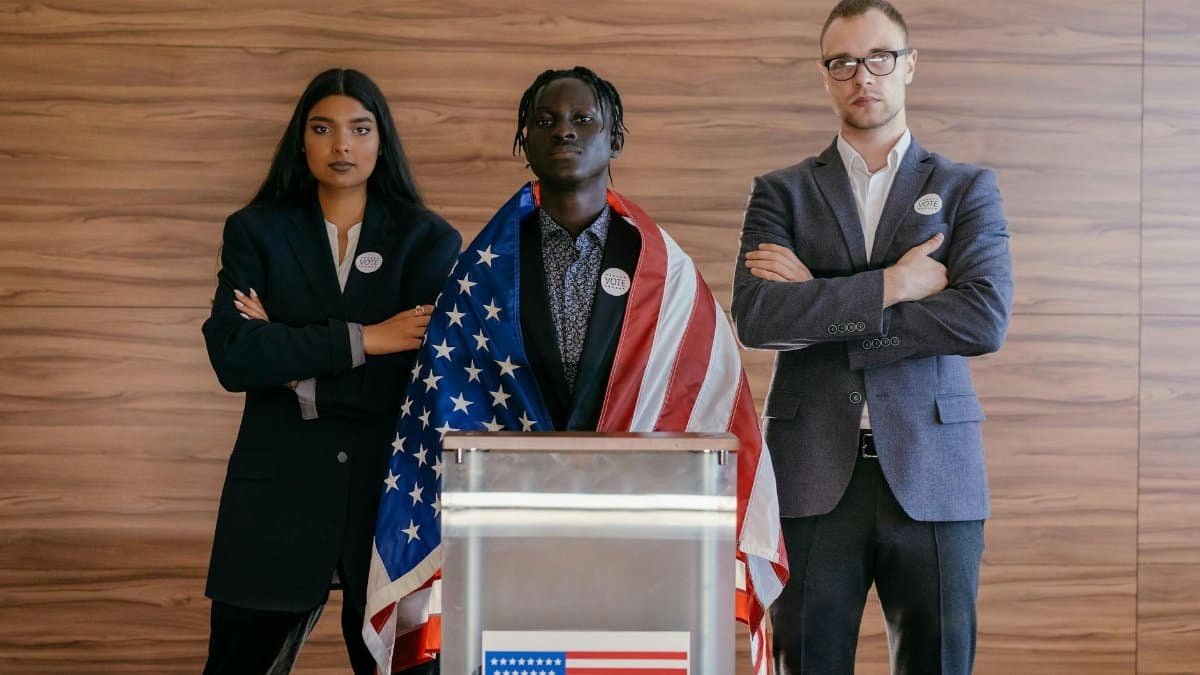
Governor Pritzker decision to direct such substantial resources toward one candidate stands out as remarkable even in an age of expensive campaigns. Ten million dollars exceeds what many statewide races spend in their entirety. This support allows Stratton to concentrate on policy priorities rather than endless fundraising events. Observers point out that the contribution comes from the governors personal fortune rather than campaign funds which creates a different set of expectations and potential criticisms. Supporters view it as an act of profound confidence in Strattons capabilities while skeptics wonder about the implications for fair competition within the party. The sheer size of the transfer has prompted fresh examination of campaign finance rules and their effectiveness in the current era.
Strattons Record of Service

Juliana Stratton has built a reputation as a thoughtful leader focused on criminal justice reform education equity and economic opportunity during her time as lieutenant governor. Those familiar with her work highlight her ability to build coalitions across diverse communities throughout Illinois. Her background as a former state representative and advocate for criminal justice changes gives her a foundation that resonates with many voters seeking authentic representation. In public appearances Stratton often speaks about the importance of policies that lift up working families and create pathways for success. This record forms the core of her appeal in the senate race and explains why Pritzker sees her as the ideal successor to carry forward their shared vision for the state.
Pritzkers Enduring Influence

Few figures in Illinois politics command the respect and resources that Governor Pritzker has accumulated over his tenure. His administration has emphasized progressive taxation infrastructure investment and protection of reproductive rights drawing both praise and criticism from various quarters. By investing so heavily in Strattons campaign Pritzker extends his influence beyond the governors mansion into the next generation of leadership. This move demonstrates how personal wealth can shape political succession in ways that transcend traditional party structures. Longtime political watchers note that Pritzker has consistently used his resources to support candidates who align with his policy priorities reflecting a strategic approach to building lasting institutional power.
Money and Democratic Values

The intersection of wealth and politics has long troubled many Americans who worry that massive donations distort the democratic process. In this case the 10 million dollar transfer has reignited discussions about whether such contributions help or hinder fair representation. Reform advocates argue for stricter limits on individual donations while others contend that candidates should have the freedom to accept support from those who believe in their cause. This particular situation offers a compelling case study in how personal fortunes interact with public service. Middle aged voters who recall earlier eras of campaign finance may find themselves reflecting on how dramatically the landscape has shifted in recent decades.
The Spiritual Dimension of Leadership

Both Pritzker and Stratton have at times framed their public service in terms that echo spiritual principles of justice compassion and stewardship. In various faith communities across Illinois leaders have drawn connections between this substantial act of political generosity and ancient teachings about supporting those called to serve the common good. Some rabbis and pastors have noted parallels to biblical concepts of tzedakah or righteous giving that extends beyond charity into the realm of systemic change. This spiritual framing resonates with many voters who see politics not merely as a power struggle but as a moral endeavor. The donation has prompted quiet conversations in congregations about what faithful citizenship looks like in contemporary America.
Community Reactions Across Illinois
Responses to this development have varied widely depending on geography and political perspective. In Chicago neighborhoods that have benefited from the Pritzker Stratton administration many express enthusiasm about the strengthened prospects for continued progressive leadership. Downstate communities show more mixed reactions with some residents expressing concern about concentrated political power. Focus groups conducted in recent weeks reveal that middle aged voters particularly value stability and experience in their elected officials. African American community leaders have largely welcomed the support for Stratton viewing it as validation of her trailblazing role in state government. These varied perspectives illustrate the complex tapestry of Illinois political life.
Historical Context of Illinois Senate Races
Illinois has produced influential senators who shaped national policy for generations. From Everett Dirksen to Carol Moseley Braun the states representatives have often played pivotal roles in Washington. The current contest carries echoes of previous hard fought primaries where money personality and policy all intertwined in unpredictable ways. What distinguishes this moment is the explicit and massive involvement of a sitting governor in support of his lieutenant. Historical parallels suggest that such strong backing can prove decisive though it also carries risks of alienating other party factions. Understanding this historical backdrop helps explain why the pritzker stratton senate primary has generated such intense interest among political historians and casual observers alike.
Policy Priorities at Stake

At the heart of Strattons campaign lie several key issues that could define her potential tenure in the Senate. Healthcare access remains paramount for many Illinois families still recovering from recent economic pressures. Climate policy represents another crucial area given the states diverse environmental challenges from urban pollution to agricultural sustainability. Economic development that benefits workers rather than just corporations forms a central pillar of her platform. These priorities align closely with the Pritzker administration record and suggest continuity if Stratton succeeds. Voters appear particularly engaged with how these policies might translate into tangible improvements in their daily lives and the lives of their children and grandchildren.
Ethical Questions in Political Funding

Whenever enormous sums flow into political campaigns ethical considerations inevitably arise. In this instance questions have emerged about transparency accountability and potential conflicts of interest. Governor Pritzker has maintained that his support stems purely from policy alignment and personal confidence in Stratton. Independent ethics experts suggest that while legal the contribution highlights gaps in current regulations governing transfers between officeholders and candidates. Public confidence in democratic institutions depends partly on perceptions of fairness and integrity in how campaigns are financed. This case provides an opportunity for broader reflection on what ethical leadership demands in an era of billion dollar campaigns and concentrated wealth.
Looking Toward the General Election
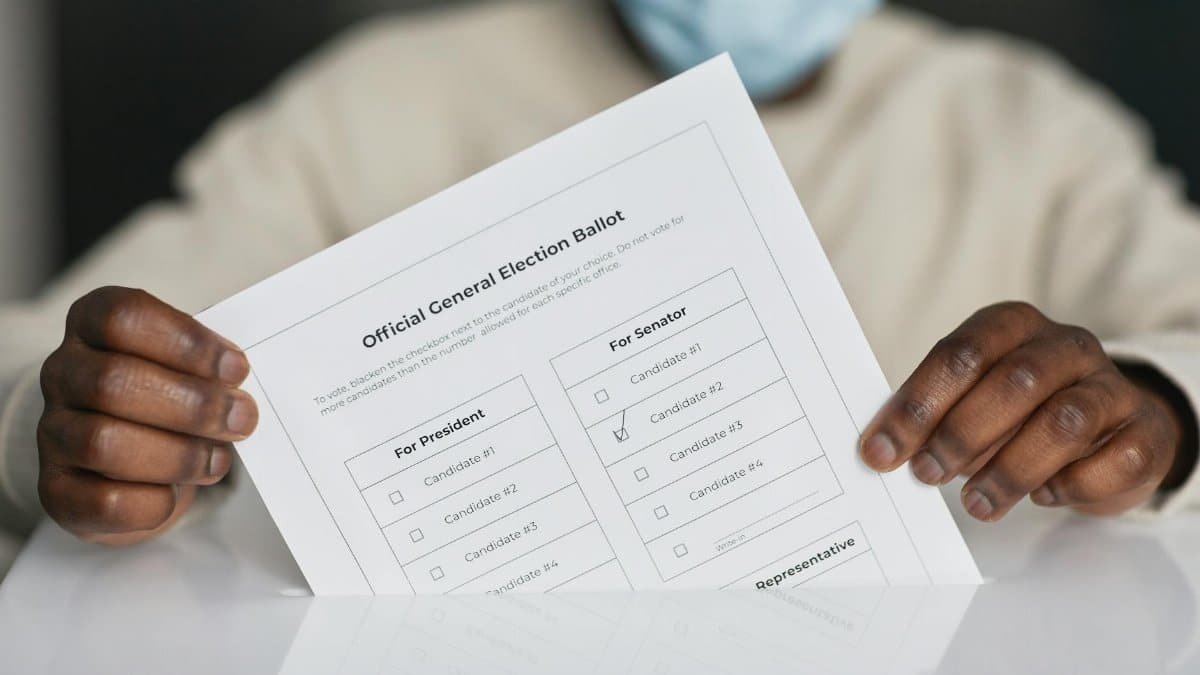
While the primary dominates current attention both Pritzker and Stratton have begun laying groundwork for what could prove a contentious general election battle. Republican strategists have already signaled their intention to portray the race as evidence of elite capture within the Democratic Party. Such attacks may resonate with independent voters frustrated by the influence of big money in politics. Stratton will need to demonstrate independence while honoring the support she has received. Political professionals suggest the coming months will test her ability to connect with voters beyond the base that this substantial funding has helped consolidate. The ultimate outcome may hinge on broader national trends as much as local dynamics.
What This Means for Illinois Voters
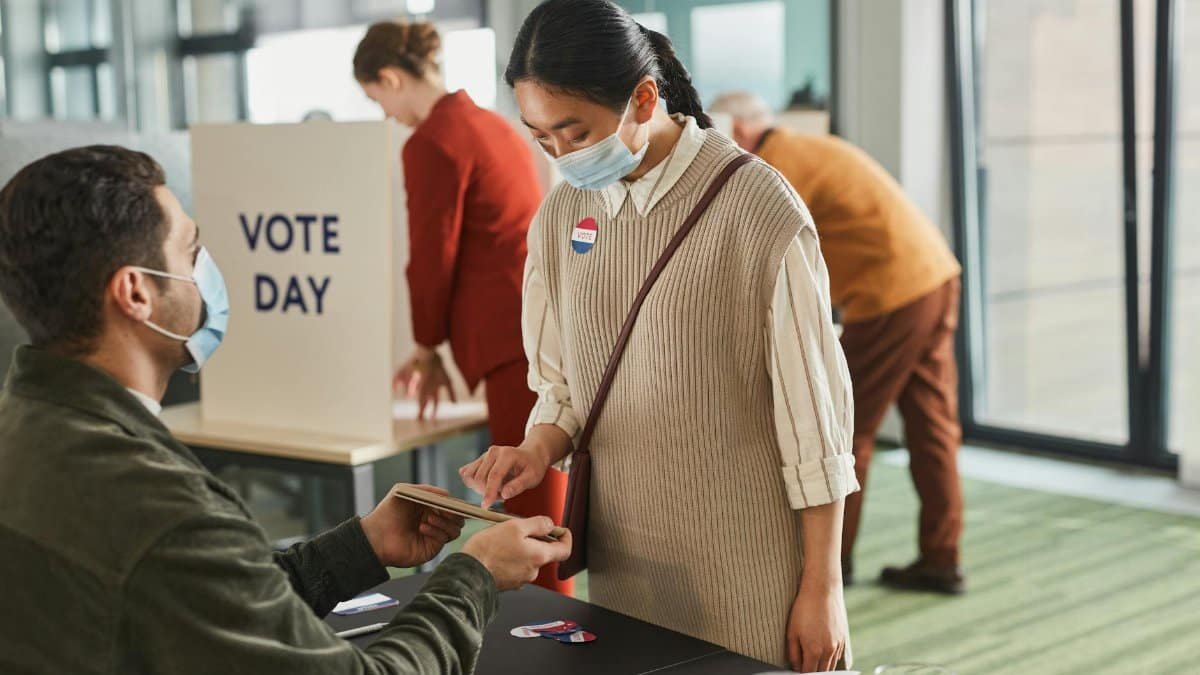
For ordinary Illinois residents the pritzker stratton senate primary represents more than an inside political story. It raises fundamental questions about whose voices matter most in shaping the states future. Many middle aged voters who balance work family and community responsibilities seek leaders who understand their everyday struggles and aspirations. This massive investment ensures Stratton will have the resources to communicate her vision effectively yet it also places upon her the responsibility to prove herself worthy of such extraordinary support. As the campaign unfolds citizens across the state will weigh not only policy positions but also the deeper values and character revealed through these unusual circumstances. The spiritual communities that have long guided Illinois through challenging times may play an important role in helping voters discern the path forward.
The coming weeks promise intense scrutiny as other potential candidates assess whether to challenge this formidable alliance. Whatever the ultimate result of this primary the 10 million dollar commitment has already altered the trajectory of Illinois political life in ways that will reverberate for years ahead. It serves as a vivid illustration of how individual decisions by powerful figures continue to shape our collective democratic experience.