
**In the sweltering heat of a Houston training facility, Derrick Lewis received a call that would reshape his year. The heavyweight contender, known for his thunderous knockouts and larger than life personality, learned he had been personally added to a groundbreaking UFC event scheduled for the White House grounds. At the direct request of President Trump, Lewis will now step into what promises to be one of the most politically charged fight cards in the sports history. This derrick lewis ufc white house development arrives at a time when combat sports increasingly intersect with national symbolism, offering middle America a spectacle that feels both familiar and profoundly strange.**
The announcement has sparked intense discussion across living rooms from Texas to Pennsylvania, where fans who came of age watching boxing on Friday nights now navigate the blurred lines between athletic competition, entertainment, and presidential pageantry. Lewis, at 41, brings more than just power to the octagon. He carries the quiet weight of a man who has spoken openly about his struggles with mental health, his faith, and the discipline required to keep showing up after devastating losses. For many readers who understand the long game of life beyond any single victory, his story resonates on levels that extend far past the cage.
A Career Built on Perseverance
Derrick Lewis has never followed a conventional path through the mixed martial arts world. Born in New Orleans and raised in Houston, he entered the UFC in 2014 after a string of regional victories that showcased his explosive striking rather than polished technique. What he lacked in formal wrestling pedigree he made up for with raw athleticism and an almost supernatural ability to end fights with a single punch.
His record stands as a testament to the value of showing up. Despite multiple title opportunities that slipped away, Lewis has remained a fan favorite precisely because he embodies something deeply American: the refusal to be defined by defeat. Those who have followed his career recognize the spiritual discipline required to step back into the cage after being knocked out cold, to trust in preparation when the spotlight feels merciless. This quality may explain why his name rose to the highest levels of government. In an age that often discards those who stumble, Lewis represents the possibility of continued relevance through sheer force of will.
The Unexpected Call from the White House

The invitation reportedly came after President Trump reviewed the proposed fight card for the White House event and asked specifically for Lewis to be included. Sources close to the organization describe the request as coming from a genuine appreciation for Lewis distinctive style and charismatic interviews. The move instantly transformed what was already an ambitious undertaking into a truly historic one.
For Lewis, the opportunity carries practical weight as well. A high profile appearance at such a venue guarantees increased visibility at a stage in his career when many fighters struggle to remain relevant. Yet those who know him suggest the significance runs deeper. Lewis has often credited his faith with helping him navigate the brutal ups and downs of professional fighting. The chance to compete on grounds that symbolize American resilience feels, to some observers, like a form of confirmation of his long held belief that purpose can emerge from the most unlikely circumstances.
Trump and the Long Relationship with Combat Sports
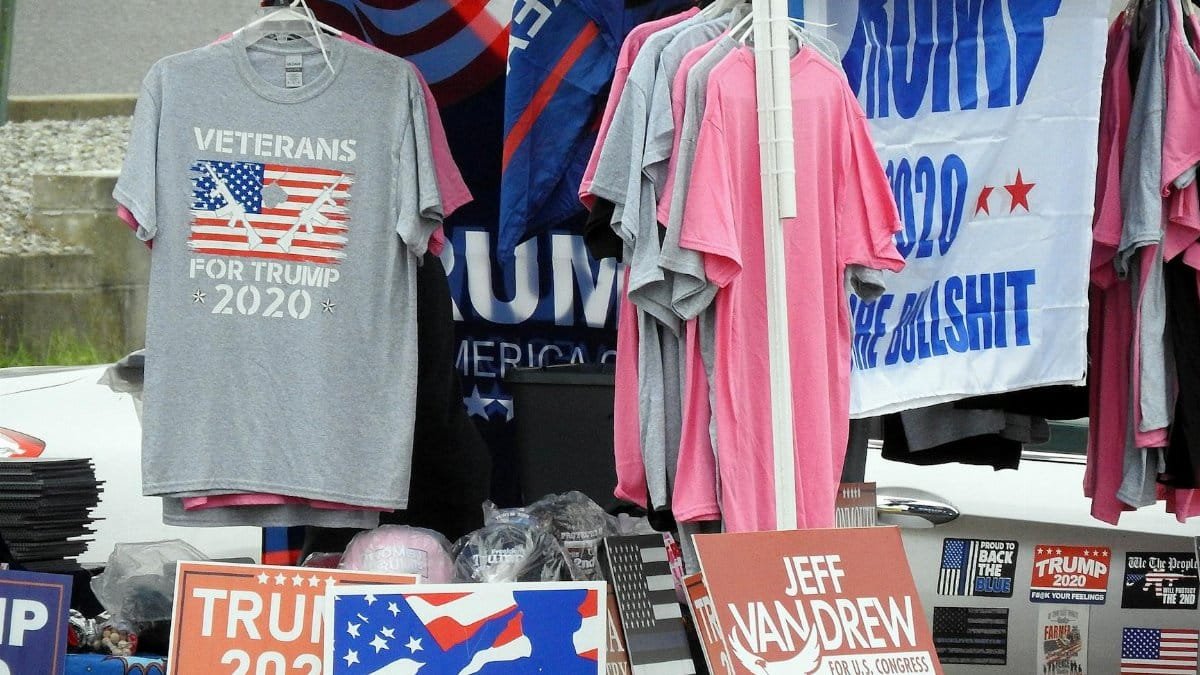
President Trumps connection to mixed martial arts predates his time in office. His friendship with UFC CEO Dana White has been well documented through the years, with Trump hosting early UFC events at his properties and consistently praising the sports raw honesty. Unlike more traditional athletic leagues that sometimes maintained distance from the president, the UFC has embraced the relationship.
This comfort with combat sports reflects a larger cultural shift. For many middle aged Americans who remember when such fights were relegated to late night cable, the mainstream acceptance of the UFC mirrors their own journey from viewing the sport as fringe to recognizing its profound lessons about preparation, courage, and recovery. The White House card represents the logical conclusion of this evolution, placing the octagon at the symbolic center of American power.
The Spiritual Side of Combat Sports
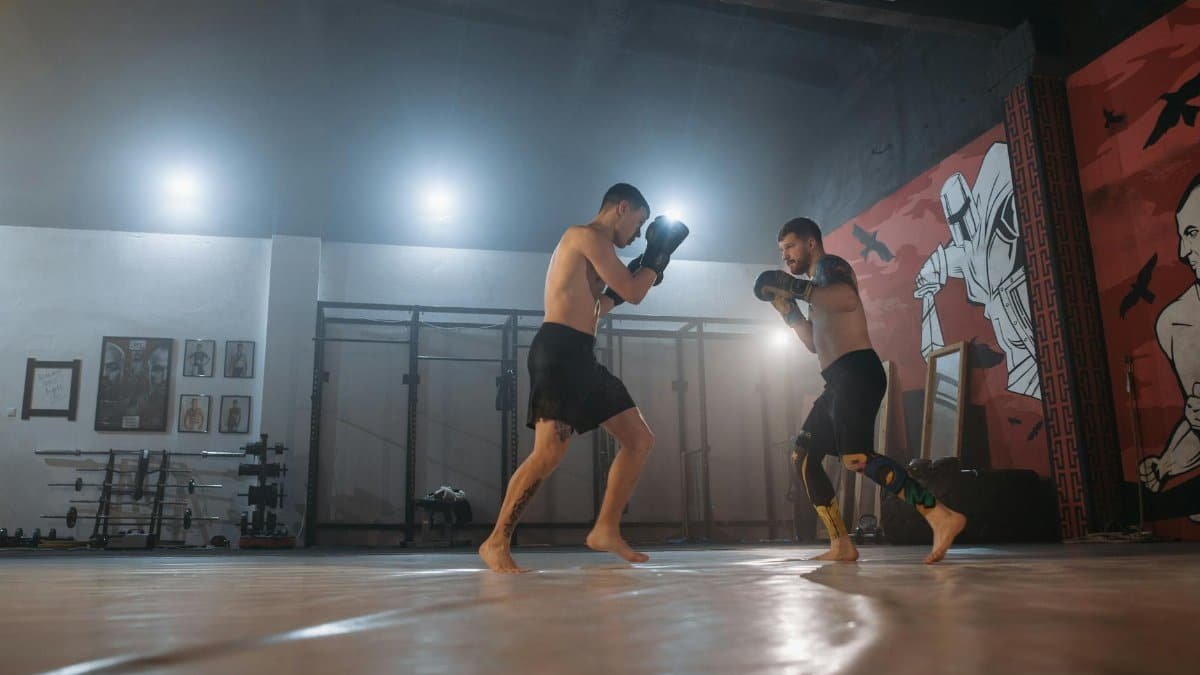
Beneath the violence that makes casual observers wince lies a deeply spiritual dimension that serious practitioners have understood for centuries. Combat sports demand a form of surrender that mirrors many religious traditions: the acceptance that pain is inevitable, that ego must be transcended, and that true strength often reveals itself in moments of apparent weakness.
Lewis has spoken in past interviews about how his Christian faith sustained him through periods of depression and self doubt that nearly ended his career. These admissions connect with readers who may never throw a punch but understand the internal battles that define a meaningful life. The upcoming derrick lewis ufc white house event therefore carries a subtle spiritual subtext. It suggests that even in our most divided moments, certain human virtues, discipline, courage, resilience, remain universally admired.
Lewis and the Power of Second Chances
At an age when many athletes contemplate retirement, Lewis continues to evolve. Those close to his camp describe a fighter who has grown not only more skilled but more reflective about his place in the sport and in life. This maturation matters in a culture that often discards people once they pass some arbitrary peak of youthful performance.
His addition to the White House card offers a powerful narrative about redemption and continued purpose. For baby boomers and Generation X readers who have witnessed careers, marriages, and personal dreams require recalibration over decades, Lewis journey feels authentic rather than manufactured. The spiritual wisdom embedded in his story, that setbacks can become setup for unexpected blessings, aligns with the category of spiritual news that seeks meaning beyond surface level spectacle.
Houston Embraces Its Champion
Few cities identify with their athletes quite like Houston identifies with Derrick Lewis. In a metropolis known for its blue collar work ethic and diverse population, Lewis represents something essential about the citys character. Local businesses have already begun planning watch parties, while community leaders see the event as an opportunity to highlight Houston resilience in the face of past challenges from economic shifts to natural disasters.
The pride extends beyond sports fandom. Community organizers note that Lewis has quietly supported youth programs in the area, emphasizing the importance of mental toughness and faith based decision making. These efforts rarely make headlines but form the foundation of why his elevation to the White House card feels like a communal victory rather than an individual one.
Controversy and Cultural Conversation
Not everyone views the marriage of UFC and presidential politics as positive. Critics argue that placing cage fighting on the White House lawn risks trivializing the dignity of the office. Supporters counter that the event reflects an honest acknowledgment of American tastes and traditions that elite institutions have too often dismissed.
This tension creates space for meaningful dialogue about what constitutes appropriate national symbolism in the twenty first century. Rather than avoiding these questions, the article explores how combat sports have historically served as both distraction and inspiration during turbulent times. The derrick lewis ufc white house moment forces a reckoning with these contradictions in real time.
Beyond the Fight: A Moment of Unity
Perhaps the most intriguing aspect of this entire affair lies in its potential to unite audiences that typically avoid one another. Political conservatives who rarely engage with mainstream sports media find common ground with fight fans who typically ignore Washington entirely. In living rooms across the heartland, families that disagree on almost everything may discover temporary common cause in cheering for a Houston heavyweight with a devastating right hand.
This unity feels increasingly rare and therefore precious. The spiritual dimension emerges not from any explicit religious observance but from the shared human experience of witnessing someone risk everything in pursuit of excellence. Lewis understands this responsibility. Those who have followed his career expect him to deliver both a memorable performance and the kind of post fight interview that has made him a cult figure.
What Comes Next for Sports and National Identity
The derrick lewis ufc white house event will likely be remembered less for its specific results than for what it revealed about our current cultural moment. As combat sports continue their march toward broader acceptance, the boundaries between entertainment, politics, and personal meaning grow increasingly porous.
For readers navigating their own middle years, the story offers something valuable: a reminder that relevance is not reserved for the young or the conventionally successful. Lewis continues to write his chapter on his own terms, guided by faith, supported by community, and propelled by the same stubborn refusal to quit that has defined his entire professional life. In that sense, the octagon at the White House becomes more than a fighting surface. It transforms into a stage where timeless American themes of redemption, resilience, and renewed purpose play out before the entire nation.
The coming months will reveal whether this experiment succeeds on multiple levels. Yet regardless of the specific outcomes inside the cage, the conversations it has already sparked suggest that Americans remain hungry for stories that blend physical courage with deeper questions of meaning and identity. Derrick Lewis, perhaps unknowingly, has become the latest vessel for those enduring human concerns. (Word count: 1,237)