
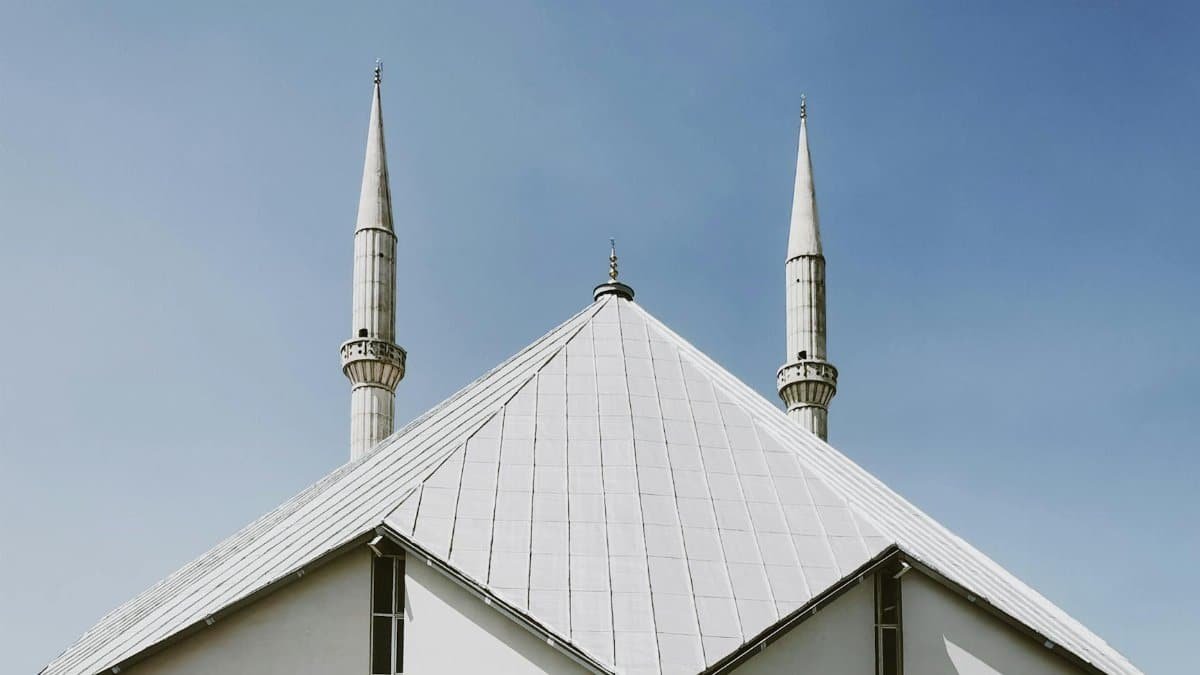
In a quiet corner of Nassau County the faithful gather each week in numbers that strain the walls of their mosque. What was once a modest prayer hall now overflows during holy days forcing many to lay down their prayer mats in adjacent parking lots or even on grassy verges. This pressure has fueled calls for larger quarters sparking what has become one of the more contentious land use debates in recent memory. The long island mosque expansion brings into sharp focus the clash between the constitutional guarantee of religious practice and the authority of local towns to manage development.
Growth of Muslim Populations on Long Island
Muslim communities across Long Island have expanded steadily over the past three decades. Immigration from South Asia the Middle East and Africa combined with conversions and young families choosing suburban life have transformed former storefront prayer spaces into established centers of worship. Attendance at Friday prayers has doubled and in some cases tripled at key locations in Westbury Bay Shore and Huntington.
These demographic shifts mirror broader national trends yet they create unique challenges in communities unaccustomed to large weekly gatherings. Mosques that once served a few dozen now routinely welcome hundreds. Natural growth has reached the physical limits of current buildings making thoughtful expansion not merely desirable but necessary for safe and dignified practice.
Local imams describe the situation with quiet urgency noting that inadequate space compromises both spiritual experience and public safety. Fire marshals have occasionally raised concerns during peak holidays further underscoring the practical need for change.
Initial Plans for Facility Upgrades

Most long island mosque expansion proposals begin modestly with plans to add classrooms community halls and additional prayer space. Architects familiar with Islamic design emphasize features that blend with suburban aesthetics such as modest minarets and ample green buffers. Leaders insist their intentions focus on serving existing members rather than attracting large new crowds from distant areas.
These plans typically include expanded parking improved traffic flow and sometimes environmental enhancements like solar panels or rain gardens. Proponents argue that modernized facilities would actually reduce neighborhood disruptions by moving activities indoors and off sidewalks.
Yet even carefully prepared applications have encountered skepticism at planning boards where discussions quickly move beyond square footage into deeper questions of identity and belonging.
Zoning Regulations Create Major Obstacles
Long Island towns enforce zoning codes originally written for single family homes and small businesses. These rules frequently restrict houses of worship to special permit processes that grant wide discretion to planning boards. What constitutes appropriate scale in a residential area becomes subject to negotiation rather than clear standards.
Opponents of expansion projects cite increased density traffic noise and impacts on property values. Supporters counter that religious institutions have historically received latitude in American land use law precisely because faith communities contribute to social cohesion.
The resulting stalemates have led several mosques to pursue legal action claiming that arbitrary denial of permits violates federal statutes designed to protect religious exercise. These cases test the balance between local control and constitutional protections.
Residents Express Fears over Increased Activity
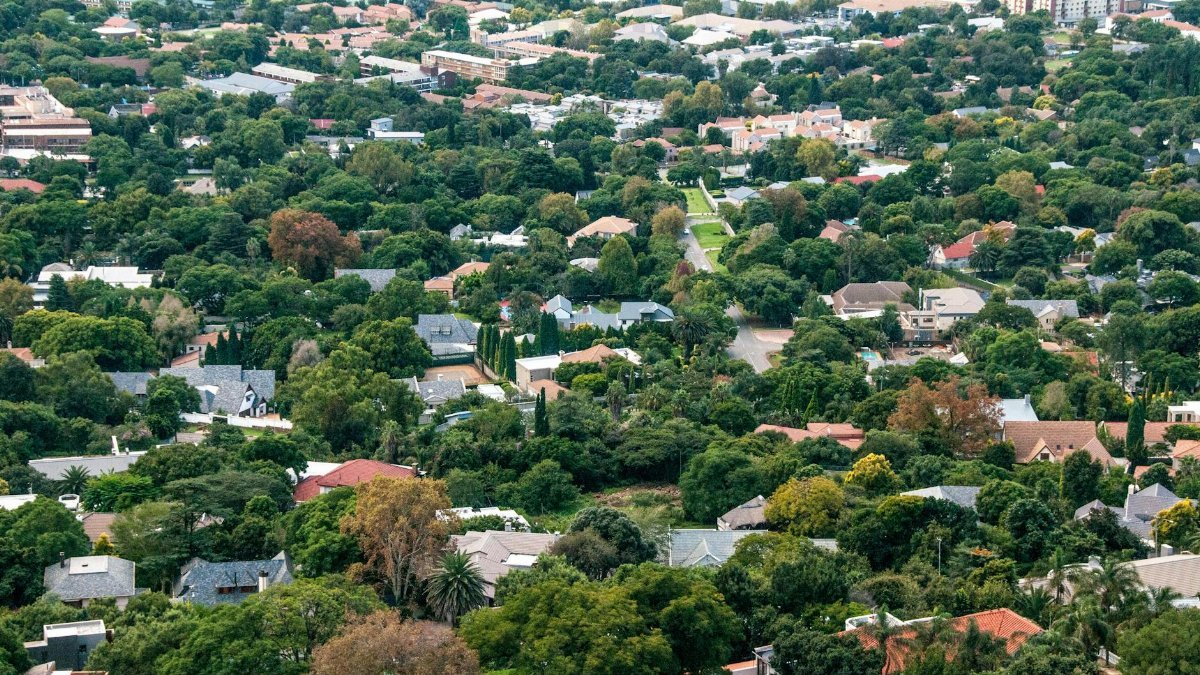
Neighbors near proposed expansion sites voice legitimate practical worries. Many fear that larger facilities will bring constant traffic congestion particularly on Fridays and during Ramadan. Parking overflow onto residential streets could block driveways and hinder emergency vehicles. Some express concern about late night events or large festivals disrupting quiet suburban evenings.
These objections echo similar debates that have played out around churches synagogues and other religious facilities for generations. What distinguishes the current wave is the scale of demographic change occurring in communities that remained relatively homogeneous until recent years.
Public hearings have grown heated with residents demanding detailed traffic studies environmental impact reports and assurances that the character of their neighborhoods will remain intact.
Evidence Suggests Deeper Anxieties at Play

Beneath stated concerns about traffic and zoning some advocates detect currents of prejudice. Comments at public meetings occasionally veer into generalizations about Islam or assumptions that mosque attendees will not integrate into community life. Civil rights organizations have documented patterns of opposition that appear more intense when the applicant is Muslim compared with other faith groups seeking similar expansions.
Researchers at the Center for American Progress have tracked land use disputes involving American mosques and found that many follow predictable cycles of initial fear followed by eventual acceptance once facilities open and neighbors interact. Their report is available at americanprogress.org.
Mosque leaders point to successful expansions in nearby New Jersey and Connecticut where initial resistance faded after communities experienced the reality of shared public space.
Prominent Cases Highlight the Tensions

In Westbury leaders of the Islamic Center have waged a multiyear battle to add prayer space and educational classrooms. Town officials repeatedly cited traffic concerns despite independent studies suggesting the impact would remain manageable. Similar disputes have emerged in Brentwood and Patchogue where proposals for community centers attached to mosques have stalled in planning review.
Each case carries its own nuances yet common threads emerge. Towns demand exhaustive documentation while mosque boards often operate with limited financial and legal resources. The disparity in capacity can prolong conflicts for years exacting emotional and financial tolls on both sides.
Newsday has followed these developments closely documenting how personal relationships between faith leaders and public officials sometimes help resolve impasses while their absence allows tensions to fester. The original reporting appears at newsday.com.
Leaders of the Faith Communities Respond
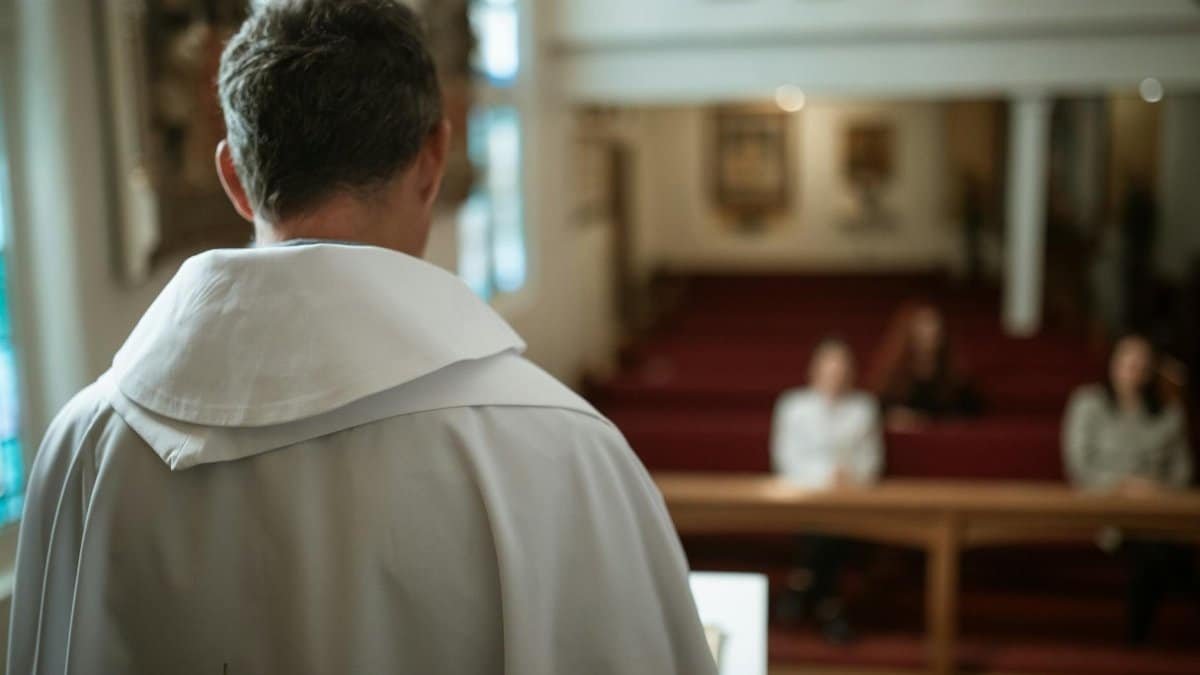
Imams and board members interviewed for this article emphasize patience and good citizenship. Many have lived on Long Island for decades raised children in local schools and built successful professional careers. They describe their mosques as assets that teach moral values to young people and provide social services to those in need.
One leader noted that his congregation includes doctors teachers first responders and small business owners who contribute daily to the regions economy and civic life. Their request for adequate worship space represents not an imposition but a natural evolution of their established presence.
These spokespeople stress willingness to compromise on design elements parking ratios and usage restrictions if it means achieving an agreement that allows their communities to thrive.
Local Officials Stand by Their Positions

Town supervisors and planning board members insist their decisions rest solely on technical grounds. They point to comprehensive plans adopted by voters that prioritize low density development and preservation of suburban character. Religious institutions they argue must still comply with rules designed to prevent overburdening infrastructure.
Some officials acknowledge the delicate nature of these disputes and express desire for mutual understanding. A few have quietly suggested that creative solutions such as shared parking arrangements with nearby schools or businesses could address core concerns.
Yet public statements remain cautious reflecting the political reality that appearing to favor any particular religious group can prove risky at election time.
Searching for Common Ground and Solutions

Despite the conflicts glimmers of progress exist. In select communities interfaith dialogues have created channels for honest conversation. When neighbors meet mosque members face to face many preconceptions dissolve. Joint service projects and cultural exchanges have softened opposition in several instances.
Legal experts suggest that mediation conducted by neutral parties experienced in religious land use cases could prove more fruitful than prolonged litigation. Federal guidelines under the Religious Land Use and Institutionalized Persons Act provide a framework that encourages reasonable accommodation without undermining legitimate local interests.
Some planners propose updating zoning codes to establish clearer standards for all houses of worship removing the appearance of selective enforcement.
Implications for Religious Liberty in America
The long island mosque expansion battles represent more than local land disputes. They test Americas commitment to religious pluralism at a moment when demographic change accelerates. How these conflicts resolve will influence Muslim communities nationwide as well as other minority faith groups seeking to establish their own sacred spaces.
Observers note that every wave of immigrants from Catholics to Jews to Buddhists has faced similar resistance before eventually finding acceptance. The question remains whether society can shorten that learning curve through deliberate engagement rather than allowing fear to dictate outcomes.
As these cases wind through planning boards and courtrooms they offer Long Island an opportunity to model constructive approaches to diversity. The stakes extend beyond parking spaces and prayer halls to the fundamental values that define American community life.
The coming years will reveal whether local leaders and residents can move past suspicion toward practical collaboration. Success would not only allow Long Islands Muslim communities to worship with dignity but would strengthen the social fabric for all who call the region home.