
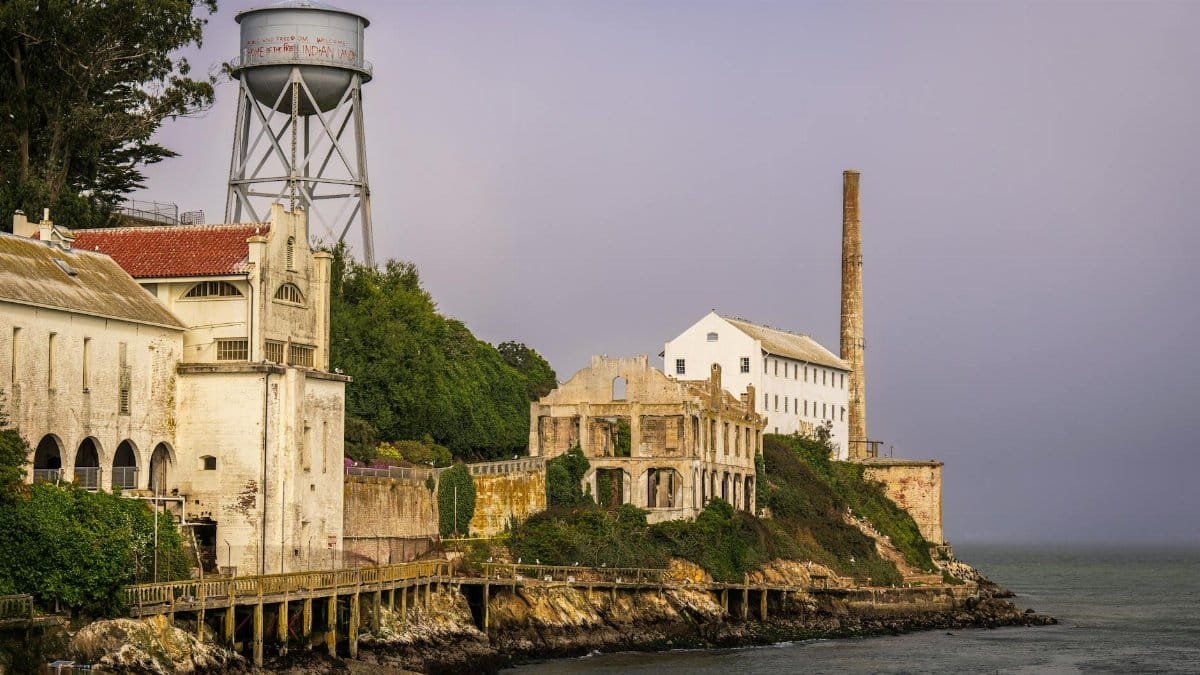
In the heart of South San Francisco stands a complex of buildings that has been central to some of the most important medical advances of our time. The announcement regarding a biotech giant leaving south sf marks a turning point for this community long known as a center for life sciences. Many residents and workers are reflecting on what this change will bring. For middle aged professionals who have built their lives around this industry the news carries particular weight. It prompts deeper thoughts about progress purpose and the places we call home. This departure is not just a business decision. It touches on the very spirit of discovery that has animated the region for generations. As the campus prepares to fall silent questions about legacy and renewal rise to the surface inviting a broader conversation that reaches beyond balance sheets into matters of meaning and collective direction.
The Roots of Biotech in South San Francisco
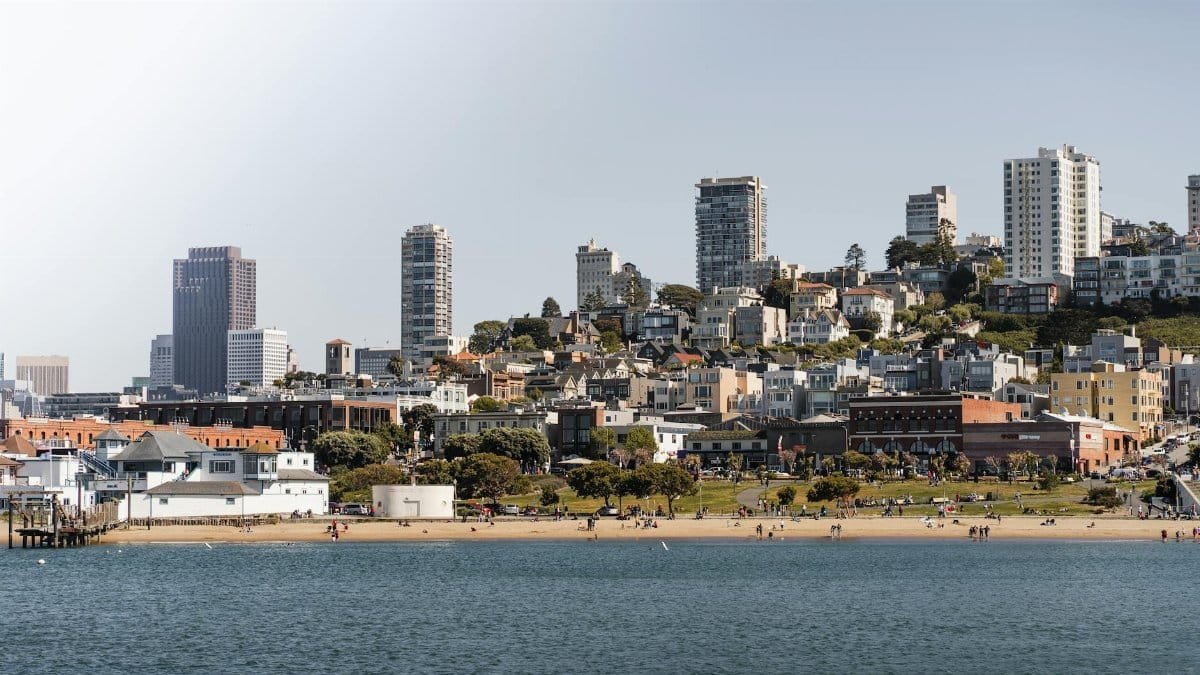
South San Francisco transformed from an industrial zone into a global leader in biotechnology over the past four decades. Pioneering companies established roots here attracted by available land a supportive regulatory climate and nearness to leading academic institutions. The area became known for its concentration of experts working on therapies that have extended and improved countless lives across the globe. This hub fostered not only scientific progress but also a sense of shared mission among researchers who often described their daily efforts as guided by something larger than personal ambition. The facilities produced treatments for cancer autoimmune disorders and rare genetic conditions that once seemed beyond reach. Many viewed their work as a calling that transcended mere employment connecting the pursuit of knowledge to profound questions of human wellbeing and mortality. The departure of a major player therefore feels like a loss to the collective endeavor that has defined the locale for generations of scientists and their families.
Understanding Corporate Calculations

Company executives cited shifting market conditions and the need to consolidate operations closer to other key sites in Massachusetts and Switzerland. Rising operational costs in the Bay Area played a significant role as did advances in digital collaboration that reduced the necessity of housing every team under one roof. The decision reflects broader industry patterns where firms seek efficiency amid intense competition and pressure from investors. Since news of biotech giant leaving south sf first emerged analysts have examined internal reports suggesting the move could save hundreds of millions annually while redirecting resources toward newer modalities such as cell and gene therapies. The original reporting from SFGate at https://www.sfgate.com/news/article/biotech-giant-south-san-francisco-site outlined how negotiations with local officials ultimately failed to produce sufficient incentives to keep the campus open. For an industry built on long term bets this choice represents a recalibration rather than retreat yet it still lands heavily on the people who called the facility their professional home.
Workforce Uncertainty and Human Costs

More than two thousand employees now confront an uncertain future as the facility moves toward permanent closure over the next eighteen months. Many are middle aged scientists laboratory technicians and administrative professionals who have spent fifteen or twenty years refining their expertise in these buildings. Some may receive offers to relocate while others must compete in a regional job market already strained by recent layoffs at other firms. Families that chose homes in South San Francisco and neighboring towns because of stable employment and good schools must now reconsider their plans. The emotional weight is considerable as people process the end of routines that structured their days and gave shape to their identities. Career counselors report increased demand for services as workers in their forties and fifties grapple with questions of reinvention at a stage when many hoped to coast toward retirement. This moment reveals how corporate strategy intersects with deeply personal chapters of livelihood and self worth.
The Spiritual Dimension of Scientific Work

Biotechnology at its core involves a quest to understand and heal life itself carrying an inherently spiritual dimension that goes beyond laboratory data. Researchers frequently speak of the awe they experience when peering into cellular mechanisms or witnessing a therapy reverse the course of disease. The South San Francisco campus functioned almost as a secular temple for this exploration where ideas converged breakthroughs emerged and the boundary between knowledge and wonder grew thin. With a biotech giant leaving south sf the community loses a physical anchor for that shared sense of purpose. The decision invites everyone involved to consider where the spirit of inquiry will next find expression. In many spiritual traditions transition is viewed not as loss but as an invitation to deeper alignment. Scientists and residents alike may draw on practices of reflection and mindfulness to navigate the uncertainty recognizing that the search for cures has always been intertwined with the search for meaning. This closure therefore becomes more than real estate news. It surfaces enduring questions about where humanity invests its collective intelligence and hope.
Local clergy and mindfulness instructors working with biotech professionals note a noticeable uptick in conversations about purpose and resilience. For many the laboratory represented a form of secular prayer a daily practice of attending to suffering with rigor and compassion. The emptying buildings may ultimately prompt a renewed appreciation for the sacredness inherent in scientific vocation regardless of address.
Community Voices and Emotional Landscape

Residents of South San Francisco have expressed a complex blend of disappointment pragmatism and cautious optimism. At town hall meetings and neighborhood coffee shops conversations often circle back to what the campus symbolized for the citys identity. Longtime homeowners recall how the arrival of biotech transformed a former industrial corridor into a thriving district with new parks restaurants and schools. Local leaders are actively courting alternative tenants including smaller startups and research arms of universities. Business organizations emphasize the importance of preserving the areas reputation as a life sciences center even as one major occupant departs. These discussions carry an undercurrent of grief for what is ending alongside determination to shape what comes next. Middle aged community members in particular voice concern about the precedent this sets for other employers contemplating similar moves. Their stories humanize the statistics reminding readers that every corporate announcement ultimately translates into changed morning commutes altered family budgets and revised dreams.
Economic Ripple Effects

The closure will affect not only direct employees but also the network of vendors catering services and residential landlords who depend on the daily presence of thousands of workers. Local economists project a noticeable impact on everything from lunch establishments to residential real estate values in nearby neighborhoods. Some talent will likely remain in the Bay Area finding positions with neighboring companies thereby softening the blow. Nevertheless the loss of a major taxpayer and high paying employer creates immediate challenges for municipal revenue. City planners are modeling scenarios that range from full redevelopment to phased occupancy by multiple smaller tenants. This instance of biotech giant leaving south sf highlights the vulnerability of regions that become overly identified with a single industry cluster. It also underscores the interconnected fate of employers employees and the broader civic fabric that supports them.
Industry Evolution and Geographic Shifts

The biotechnology sector has changed dramatically since its formative years in Northern California. Tools such as machine learning and advanced gene editing now allow research teams to operate across continents with greater fluidity. Companies adopt increasingly global outlooks leading to decisions that favor consolidation over geographic sprawl. This example fits a pattern visible in other technology driven fields where physical campuses give way to distributed models. Innovation itself may not diminish but its geographic footprint is being redrawn. Observers point to Boston as a rising competitor that offers lower costs and generous state incentives. Meanwhile San Francisco Bay Area leaders worry about retaining the intangible magic that occurs when brilliant minds share physical space. The current transition invites a fresh look at how society measures scientific success whether through patents and profits or through the less quantifiable enrichment of human understanding and connection.
Reimagining the Future of the Campus
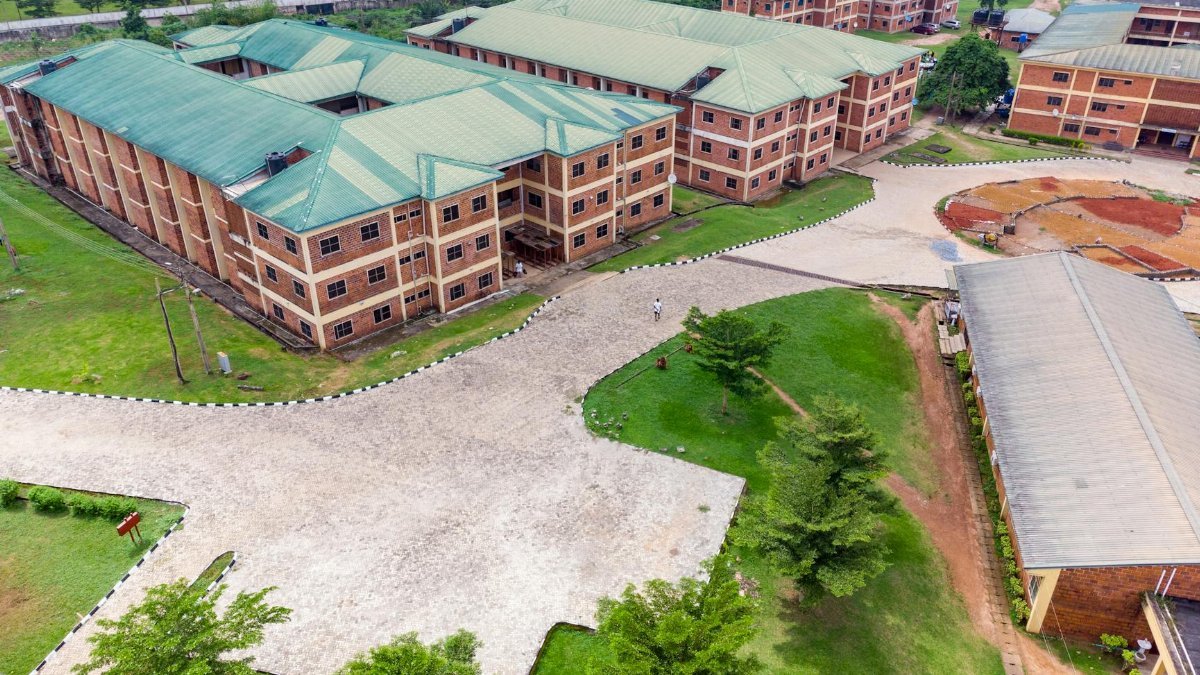
Questions about the ultimate fate of the large research site have already begun to generate proposals. Developers envision possibilities that include life sciences incubators mixed use spaces with housing components and facilities dedicated to workforce training. City officials express determination to ensure any new plan serves current residents rather than simply replacing one corporate tenant with another. Successful redevelopment stories from other former industrial zones in the Bay Area suggest that thoughtful planning can yield positive outcomes. The process will require collaboration among elected leaders business representatives and community advocates. There remains hope that the location can continue contributing to scientific progress and local vitality even if the original occupant no longer occupies the buildings. Such transformations remind us that places themselves possess a resilient character capable of hosting new chapters while honoring what came before.
National Trends and Policy Lessons

Similar fluctuations appear in biotech centers nationwide from San Diego to Research Triangle Park. According to a recent analysis by the Biotechnology Innovation Organization available at https://www.bio.org/policy/innovation-hub-report cities must continually adapt their offerings to retain high value research activity. Tax policy infrastructure investment and quality of life considerations all influence corporate location decisions. The South San Francisco case offers a concrete illustration of how even deeply entrenched hubs can experience sudden change when global forces shift. Policymakers at state and federal levels may draw lessons about the importance of sustained support for domestic innovation ecosystems. For readers who have witnessed multiple economic cycles in the Bay Area this development fits a familiar rhythm of boom adjustment and reinvention. It also raises larger societal questions about balancing efficiency with the human and communal elements that make regions thrive over decades.
Finding Meaning in Moments of Transition

Periods of upheaval though painful can also open space for renewed clarity and creativity. The departure encourages both individuals and the community to examine core values and long term aspirations. In spiritual traditions across cultures times of ending frequently precede periods of unexpected growth. Scientists affected by the closure report returning to fundamental motivations that first drew them to research the desire to reduce suffering and expand human potential. Community organizers speak of using this moment to strengthen bonds between residents and remaining biotech firms. For many middle aged professionals the change becomes an occasion to integrate lessons from career and personal life into a more intentional next phase. The story of this facilitys closing ultimately belongs not only to one company or city but to a wider narrative about how societies steward knowledge hope and the places that hold them. As South San Francisco navigates the months ahead its response may offer guidance for other communities facing parallel reckonings between economic reality and deeper callings.
The coming year will test the regions capacity to honor its scientific heritage while writing its next chapter. Whether the former campus becomes a catalyst for fresh collaboration or a cautionary tale depends on choices made by leaders citizens and incoming enterprises. What remains clear is that the spirit animating discovery persists beyond any single address. It lives in the people who dedicated years to its service and in the persistent human impulse to understand and heal. In that sense the departure represents not an ending but an evolution of the ongoing conversation between science society and the search for meaning.