
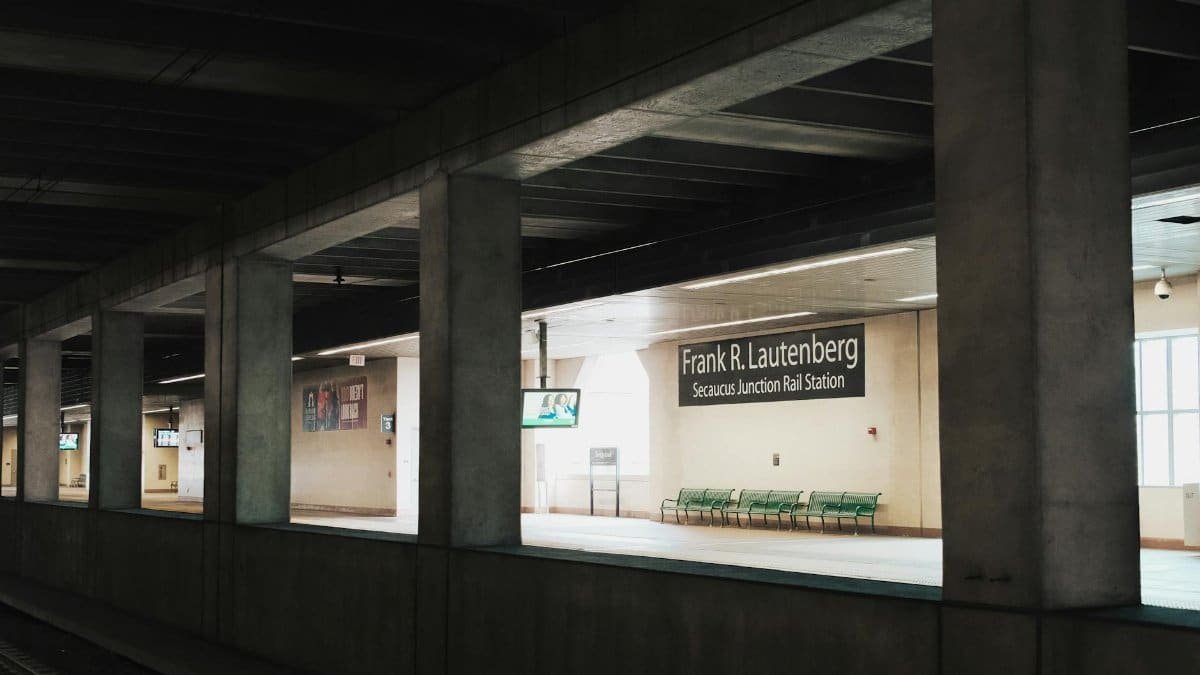
Every morning thousands of people across New Jersey step onto trains with a simple wish for a dependable journey to work. For too many that wish goes unfulfilled as delays and breakdowns have become an all too familiar part of the commute. These disruptions ripple through lives affecting careers family time and even mental health. In response to these ongoing struggles New Jersey Transit has unveiled an ambitious set of initiatives known as nj transit rail upgrades. The changes are slated to bring meaningful improvements by 2026 offering hope to the countless individuals who rely on the system daily.
The plan arrives as the region continues to recover from the effects of the pandemic with more people returning to offices and seeking alternatives to driving. Commuters from areas like Trenton and other points south have particularly high expectations for better service to Philadelphia. If successful the upgrades could mark a turning point for public transportation in the state and serve as a model for other regions facing similar infrastructure challenges. The announcement detailed in reporting from The Philadelphia Inquirer has sparked conversations in living rooms and boardrooms alike about what reliable transit could mean for daily life.
Persistent Problems Facing Daily Commuters
The rail network in New Jersey has struggled with reliability for many years. Outdated tracks signaling equipment and bridges have led to a cycle of delays and cancellations that frustrate riders and disrupt businesses. Statistics indicate that nearly one in four trains arrives late during peak hours. This poor performance not only wastes time but also erodes trust in the public transit system.
Commuters report increased stress levels and decreased productivity as a result of these inconsistencies. Parents worry about picking up children on time while professionals fear missing key appointments. The cumulative effect on the regional economy is significant with estimates suggesting millions of dollars lost annually due to inefficient transportation. These are the problems that the upcoming changes seek to address at their root. Many middle aged riders have quietly adapted to the unreliability by leaving home earlier or avoiding train travel altogether when possible. Yet such adaptations come at a personal cost that accumulates over months and years.
What The Upgrades Promise To Deliver

The nj transit rail upgrades encompass a wide range of improvements designed to modernize the entire network. Plans include replacing old tracks installing advanced signaling technology and renovating key stations to make them more accessible and comfortable. New trains equipped with modern amenities are also part of the vision. The goal is to increase on time performance to over ninety percent and to reduce average travel times by up to twenty percent on key routes.
Additional features such as better wifi consistent schedules and improved safety measures will enhance the overall experience. For Philadelphia bound travelers this could mean more predictable arrivals and departures allowing for better planning of their days. The comprehensive approach aims to transform nj transit rail upgrades from a mere announcement into tangible benefits that riders can feel every time they board a train. Planners have emphasized that the project will prioritize the busiest corridors first to deliver relief where it is needed most.
Funding The Ambitious Project

Financing such extensive work requires substantial resources. The project draws from federal infrastructure funds state allocations and partnerships with local authorities. A significant portion comes from the bipartisan infrastructure law passed several years ago which has provided a boost to transit projects nationwide. Total costs are expected to reach into the billions but proponents argue that the savings and economic gains will justify the investment.
Transparency in how the funds are used will be crucial to maintaining public support. Oversight committees have been established to ensure that the money is spent effectively and that the promised results are delivered on schedule. Independent audits and regular public reports will help build confidence that this round of investment differs from previous efforts that sometimes fell short of expectations.
Technological Advances At The Core Of The Plan
At the heart of the initiative lies a suite of cutting edge technologies. Positive train control systems will prevent accidents and allow for closer spacing of trains thereby increasing capacity. Sensors and data analytics will enable predictive maintenance reducing the chance of unexpected breakdowns. These innovations represent a leap forward from the systems that have been in place since the mid twentieth century.
Experts point to similar implementations in other cities that have yielded impressive results. A study by the Mineta Transportation Institute found that such modernizations can improve efficiency by thirty percent or more. The full report is available at https://transweb.sjsu.edu/research. By learning from those examples New Jersey aims to avoid common pitfalls and accelerate the path to a smarter more responsive rail network. The integration of real time information systems will also allow riders to make informed decisions about their travel plans before they even leave home.
Benefits For Philadelphia Area Travelers

Travelers heading to and from Philadelphia stand to gain a great deal from these developments. Reduced delays will make it easier to commute across the river for work or leisure. The upgrades are expected to ease congestion at major hubs and provide more seamless connections to other transit options in the city. This is particularly important as the Philadelphia region continues to grow and attract new residents and businesses.
Better service could also encourage more people to opt for trains over cars leading to less traffic on highways and improved air quality. The interconnected nature of the transportation system means that gains in New Jersey will have positive effects in Pennsylvania as well. Families visiting relatives or attending cultural events in either city may find the journey less taxing and more enjoyable. Over time these shifts could reshape patterns of regional movement in subtle but important ways.
Voices From Regular Riders

Reactions from those who use the service daily have been largely positive though tempered with a degree of skepticism born from past promises that went unfulfilled. One longtime rider from Cherry Hill expressed hope that the changes will finally deliver the reliability that has been missing for so long. Others have called for more input from the community in the planning process to ensure that the upgrades meet the real needs of passengers.
Public meetings have drawn large crowds with many sharing personal stories of how unreliable trains have impacted their lives. These testimonials underscore the human element behind the engineering and budgeting discussions. A teacher who commutes from New Brunswick noted that consistent arrival times would allow her to prepare more effectively for classes. Such individual accounts remind policymakers that schedules and statistics ultimately serve people with real lives and responsibilities.
The Connection Between Reliable Transit And Personal Wellbeing

Beyond the practical considerations there is a deeper aspect to consider. The constant uncertainty of delayed trains takes a toll on mental and even spiritual health. A peaceful commute can provide time for reflection reading or simply unwinding from the demands of daily life. When that time is instead filled with anxiety over arrivals and departures it can leave individuals feeling depleted. The nj transit rail upgrades therefore carry the potential to restore a sense of calm and balance for many in the community.
In an era where mindfulness and wellbeing are increasingly valued dependable transportation may play a surprising role in supporting those pursuits. By alleviating one source of stress the upgrades could contribute to a broader sense of harmony in the lives of middle aged professionals and families alike. This perspective aligns with growing recognition that the quality of everyday experiences shapes our overall sense of purpose and connection. For many riders the train is not merely a vehicle but a space where the day is processed and composure is regained.
Potential Obstacles On The Horizon

Despite the excitement the path forward is not without challenges. Construction will inevitably cause some disruptions to current service and officials will need to communicate clearly with riders about temporary changes. Securing all the necessary permits and coordinating among multiple agencies adds layers of complexity. Additionally rising costs for materials could strain the budget and require adjustments to the original plans.
Learning from previous projects both in the state and across the country will be essential to navigating these hurdles successfully. A flexible approach that allows for course corrections will help keep the initiative on track. Community leaders have urged planners to remain attentive to feedback as work progresses so that adjustments can reflect real world conditions rather than theoretical models alone.
Timeline For Implementation And Completion
The upgrades are planned in phases with initial work on critical signal systems beginning next year. Major milestones are set for completion by 2026 though some elements may extend beyond that date. Testing and integration of new technologies will take considerable time to ensure safety and efficiency before full rollout. Regular updates will be provided to keep the public informed of progress and any adjustments to the schedule.
This measured pace reflects the massive scale of the endeavor and the need to minimize risks associated with changing such a vital part of the regional infrastructure. Early wins such as station renovations and track replacements are expected to build momentum and demonstrate commitment to those who have grown weary of waiting for change.
Broader Implications For Regional Transportation
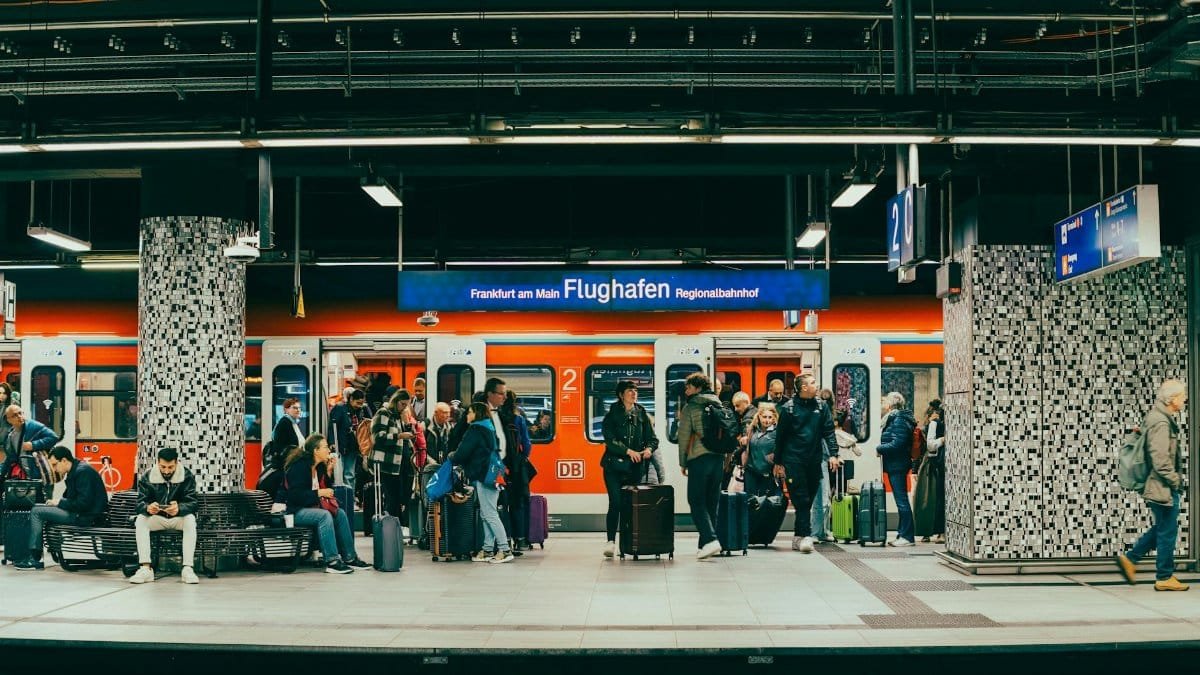
The nj transit rail upgrades could influence transportation policy well beyond New Jersey. Success here might inspire similar investments in other aging systems across the Northeast and the country. It also highlights the importance of sustained funding for public transit as a key component of economic development and environmental sustainability. As climate concerns grow the shift toward reliable efficient rail travel becomes even more critical.
Integration with other modes of transport including buses light rail and bike share programs will be important to create a truly comprehensive network that serves all members of the community effectively. The project offers an opportunity to rethink how people move through the landscape and how those movements can support healthier more connected communities.
A Step Toward Sustainable Travel Options
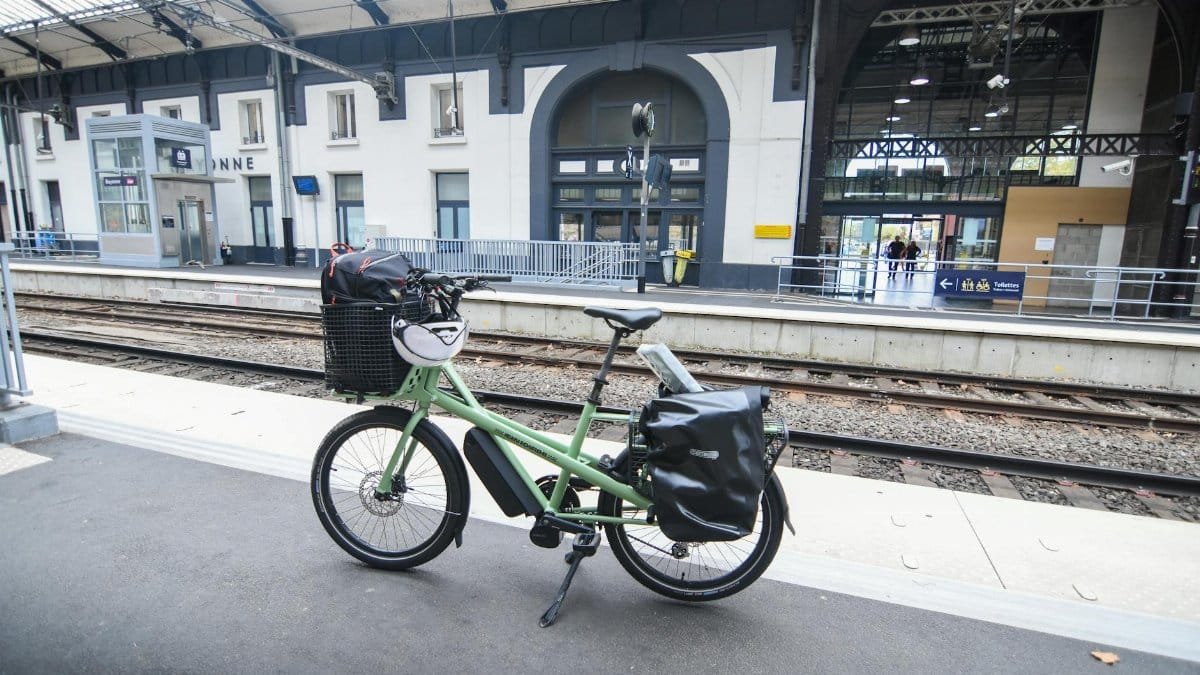
Ultimately these upgrades represent more than just fixing what is broken. They signal a commitment to building a transportation system that is ready for the future. By making train travel more appealing the project supports goals for reducing carbon emissions and promoting denser livable communities. It is a reminder that infrastructure decisions have far reaching consequences for how we live work and connect with one another.
As the 2026 deadline approaches all eyes will be on New Jersey to see if the promise of these upgrades can be fully realized. For commuters who have waited patiently the prospect of a better ride cannot come soon enough. The true measure of success will emerge not in press releases but in the quieter moments when a train arrives on time and passengers step off feeling rested rather than drained. In that sense the nj transit rail upgrades touch on something fundamental about the rhythms of modern life and our collective desire for smoother passages through our days.