
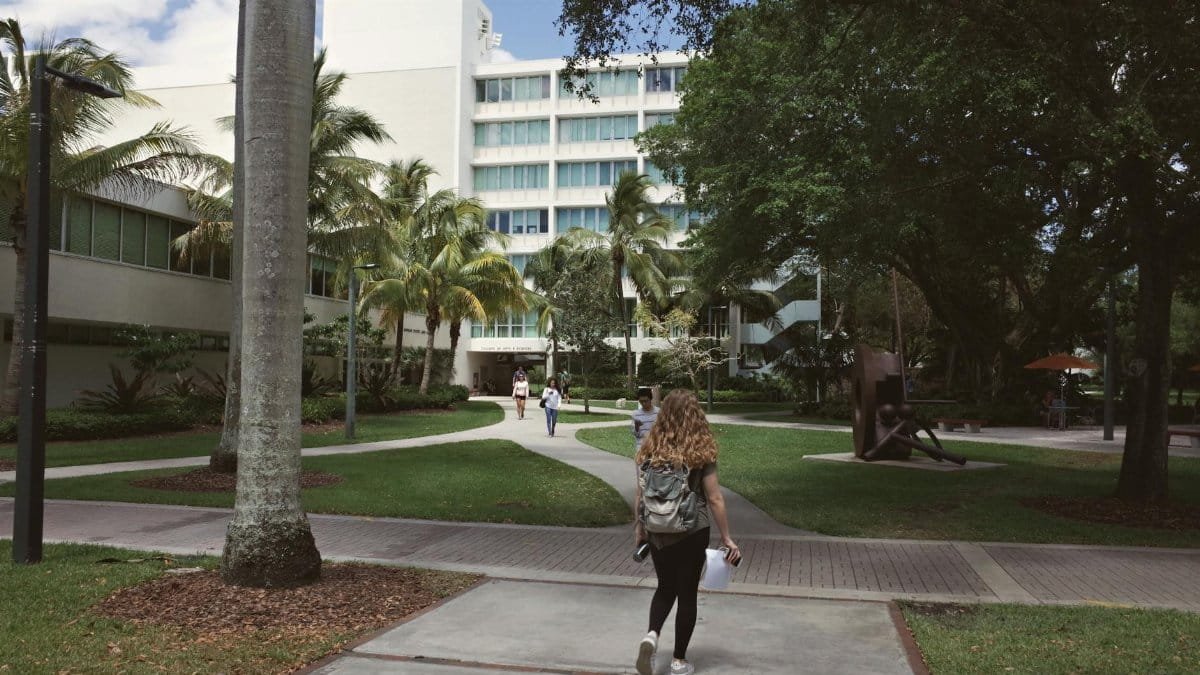
In the quiet town of Paxton a small Catholic college has long served as a steady presence where young people could pursue learning grounded in faith and service. State officials have now delivered a sobering message that places the future of this institution in serious doubt. The warning has brought the reality of anna maria college closure into sharp public view prompting concern among alumni educators and leaders in the Catholic community. For more than seven decades Anna Maria College has offered an education that seeks to form both mind and spirit. Its campus amid rolling hills has welcomed students looking for something beyond job credentials alone. They sought a place where values like compassion integrity and purpose remained central. Now those traditions face an uncertain tomorrow as enrollment has fallen and financial pressures have grown intense. This moment invites a closer look at what happens when a faith inspired school reaches such a precipice and what it may reveal about larger shifts in American religious life and higher education.
A Legacy Built on Faith and Service
Anna Maria College was founded in 1946 by the Sisters of Saint Anne. The order envisioned a school that would prepare women for lives of leadership while keeping Catholic teaching at its core. In later years the college became coeducational and added professional programs in nursing education and criminal justice. Throughout its history the curriculum encouraged students to connect classroom lessons with ethical reflection and community outreach. Many who graduated describe the experience as transformative. They recall professors who treated teaching as a vocation and chapel services that brought the campus together. This model of education once common among Catholic institutions now feels increasingly rare. The school has maintained accreditation and built partnerships with local organizations yet those accomplishments have not shielded it from the demographic and economic forces reshaping private higher education.
Understanding the States Stark Warning

Massachusetts education officials sent a formal letter outlining deep concerns about the colleges viability. They pointed to years of operating deficits shrinking reserves and a failure to meet certain benchmarks for financial health. The document stops short of ordering immediate closure but makes clear that without swift corrective action the state may move to revoke degree granting authority. Such a step would effectively end operations. College leaders have expressed disappointment with the tone of the communication while acknowledging the need for urgent reform. The warning reflects a broader state effort to protect students from sudden institutional collapses that leave learners stranded midway through their degrees. For a school of Anna Marias size the scrutiny carries heavy weight because it has few resources to weather prolonged uncertainty.
Legal experts note that state intervention of this kind remains uncommon yet not unprecedented. Similar actions have preceded closures at other small private colleges in recent years. The process often unfolds over many months giving institutions a final window to find partners or restructure.
The Persistent Challenge of Declining Enrollment

Like many small liberal arts schools in the Northeast Anna Maria has watched its student body shrink. Birth rates fell in the regions that traditionally supplied its applicants. Rising tuition costs and competition from public universities offering generous aid have made recruitment difficult. First generation students and those from immigrant Catholic families once a cornerstone of enrollment have turned toward less expensive options. The college responded by expanding online programs and adult education but these efforts have not fully offset losses in traditional undergraduates. Current figures show roughly four hundred residential students a fraction of capacity for a campus built for more than twice that number. This hollowing out creates a vicious cycle. Fewer students mean less revenue which leads to cuts in programming that in turn makes the school less attractive to future applicants.
Financial Strains That Threaten Sustainability

Years of deficit spending have eroded the colleges endowment and depleted emergency funds. Deferred maintenance on aging buildings has grown more costly. The pandemic accelerated existing problems by disrupting auxiliary income from summer conferences and athletic events. Although the school has attempted cost cutting measures including staff reductions and program consolidations the gap between expenses and revenue remains wide. Fundraising has shown promise in specific campaigns yet annual giving has not kept pace with inflation or the scale of need. Observers familiar with nonprofit finances suggest that without a major gift a merger or dramatic operational overhaul the path toward stability appears narrow. These pressures are not unique to Anna Maria but they feel especially acute for a mission driven institution reluctant to abandon its residential model or its emphasis on personal formation.
Reactions From the Campus and Local Community
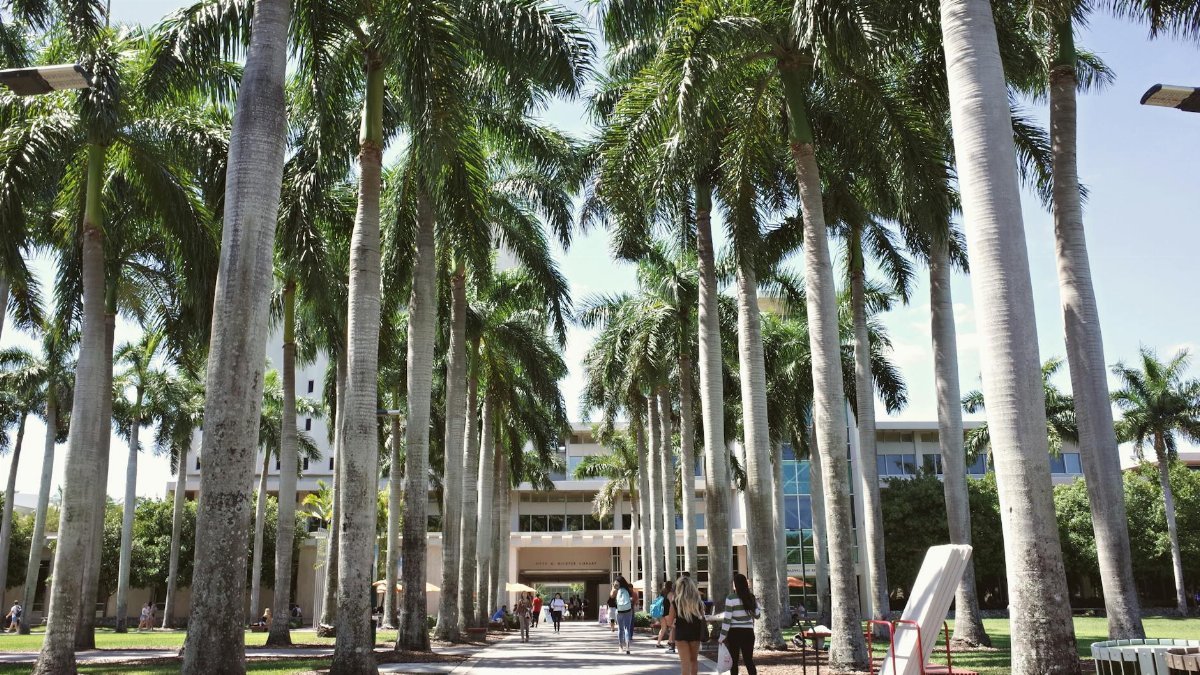
Students gathered in the library and dining hall to process the news exchanging worried messages on group chats. Some expressed fear that credits earned might lose value if the school cannot continue. Faculty members many of whom have spent entire careers at the college described a sense of mourning mixed with determination to fight for its survival. Local residents in Paxton and surrounding towns voiced attachment to the institution that has served as an employer and cultural anchor for generations. Alumni associations have begun organizing petition drives and fundraising appeals. Church leaders including bishops in the Diocese of Worcester have offered public statements of support emphasizing the irreplaceable role Anna Maria plays in forming lay Catholics for service in parishes schools and nonprofit organizations.
How This Fits Into National Trends in Higher Education
More than one hundred small colleges have closed or merged since 2016 according to tracking by the State Higher Education Executive Officers Association (https://sheeo.org). Many have been faith based institutions struggling with the same combination of demographic decline rising costs and shifting student priorities seen at Anna Maria. Public universities have absorbed much of the demand while online providers have captured adult learners. A 2023 study from the Brookings Institution found that religiously affiliated colleges with endowments under fifty million dollars face the highest risk (https://www.brookings.edu/articles/the-future-of-small-colleges/). These trends have prompted soul searching within Catholic higher education circles about how to preserve distinct identity while adapting to new realities. Some schools have consolidated under larger university systems. Others have doubled down on niche programs that highlight their spiritual heritage.
The Spiritual Dimensions at Stake

Beyond balance sheets the prospect of anna maria college closure raises questions about the spiritual formation of young adults. For many families a Catholic college represents more than academics. It offers an environment where faith can mature away from home surrounded by peers and mentors who share similar beliefs. Campus ministry retreats service projects and theology courses work together to create what educators call a laboratory for discipleship. If such places disappear the church may lose important seedbeds for future priests teachers and lay leaders. Sociologists tracking religious trends note that participation in higher education often correlates with long term engagement in parish life. The loss of even one vibrant Catholic campus therefore carries consequences that extend well beyond Massachusetts.
Exploring Possible Paths to Avoid Closure

College administrators say they are pursuing several options simultaneously. Discussions with potential merger partners have begun though no agreements have been reached. Fundraising efforts aim to secure bridge financing while a task force reviews academic programs for possible streamlining. Some advocates have proposed converting parts of the campus into a retirement community or conference center to generate new revenue. Others suggest deeper partnerships with local Catholic high schools to create pipeline programs. The challenge lies in acting quickly enough to satisfy state officials while honoring the founding charism of the Sisters of Saint Anne. History shows that some colleges have reinvented themselves successfully while others have not. The coming months will prove decisive.
Insights From Education Experts and Church Leaders
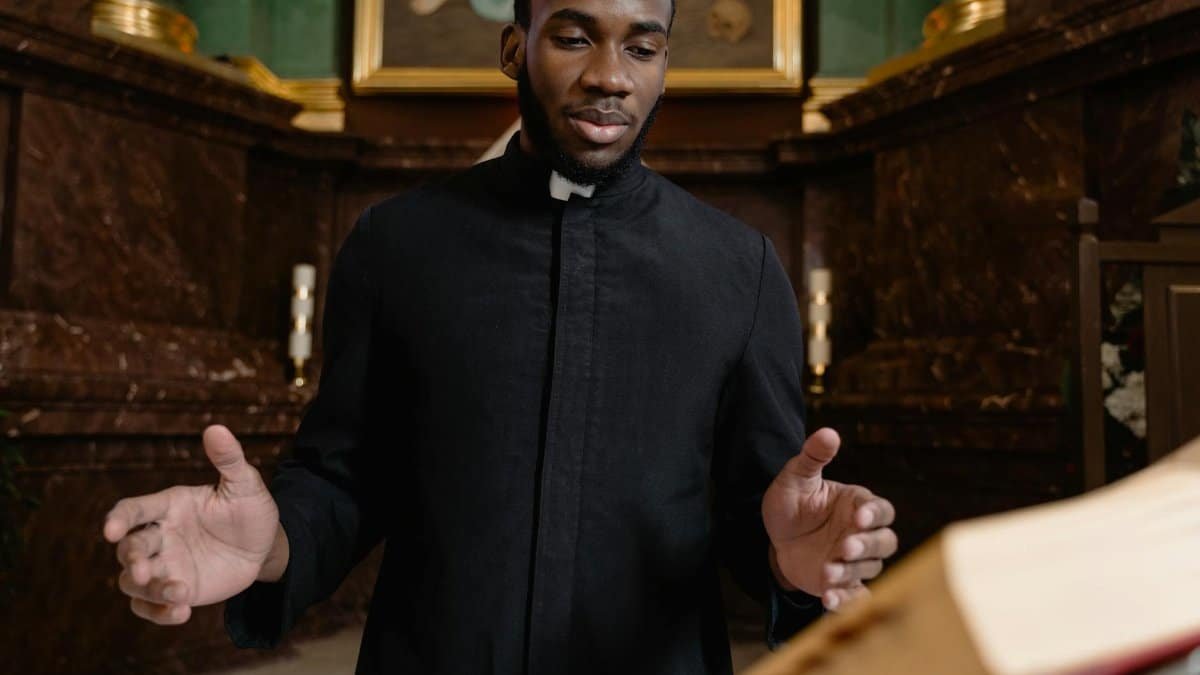
Education policy analysts caution that keeping every small college open may not be realistic given economic realities. Yet they also warn against losing the diversity these institutions bring to the higher education landscape. Church officials have called for a national conversation about sustaining Catholic identity in an era of contraction. Some suggest creating consortia where multiple schools share administrative functions while maintaining separate campuses. Others propose bolder ideas such as turning certain colleges into centers for lifelong formation rather than traditional four year institutions. What unites these voices is recognition that the anna maria college closure debate represents more than the fate of one school. It reflects a testing point for how American Catholicism will educate the next generation.
Community Efforts to Save the Institution

Grassroots support has begun to surface. Alumni chapters across the country are hosting virtual town halls to share memories and strategize. Local business leaders have offered to mentor students on entrepreneurial approaches to financial rescue. A group of parents has started an online petition urging lawmakers to consider targeted aid for struggling faith based colleges. These efforts reveal the deep loyalty the college still inspires. Whether such energy can translate into sustainable funding remains uncertain. Still the outpouring of affection stands as testimony to the quiet impact Anna Maria has made on thousands of lives over nearly eighty years.
Lessons for Other Faith Based Schools
The situation at Anna Maria offers a cautionary tale for similar institutions. Regular financial stress testing transparent governance and willingness to adapt curriculum without compromising core mission appear essential. Schools that have thrived have often built strong endowment growth cultivated distinctive academic niches and formed alliances beyond their traditional circles. They have also communicated more effectively with stakeholders about both challenges and successes. For those watching from other campuses the events in Paxton serve as a reminder that fidelity to founding vision must be paired with shrewd stewardship of resources. The coming years may see further consolidation yet they may also witness creative renewal among those willing to reimagine how faith and learning intersect in the twenty first century.
The road ahead for Anna Maria College remains unclear. State officials will continue monitoring progress. Campus leaders must make difficult choices. Students and families face anxious months of wondering where they will complete their education. Whatever the outcome the conversation sparked by this moment reaches beyond one small college in central Massachusetts. It touches on fundamental questions about the place of faith in American life the purpose of higher education and the kinds of communities we hope to sustain. As discussions around anna maria college closure continue one truth stands out. The decisions made now will echo not only in balance sheets but in the spiritual formation of generations to come. Supporters continue to insist that a place built on prayer study and service still holds value worth preserving in an often fragmented world. Whether that conviction can overcome structural obstacles will test the resilience of both the institution and the tradition it represents. (Word count: 1,287)