
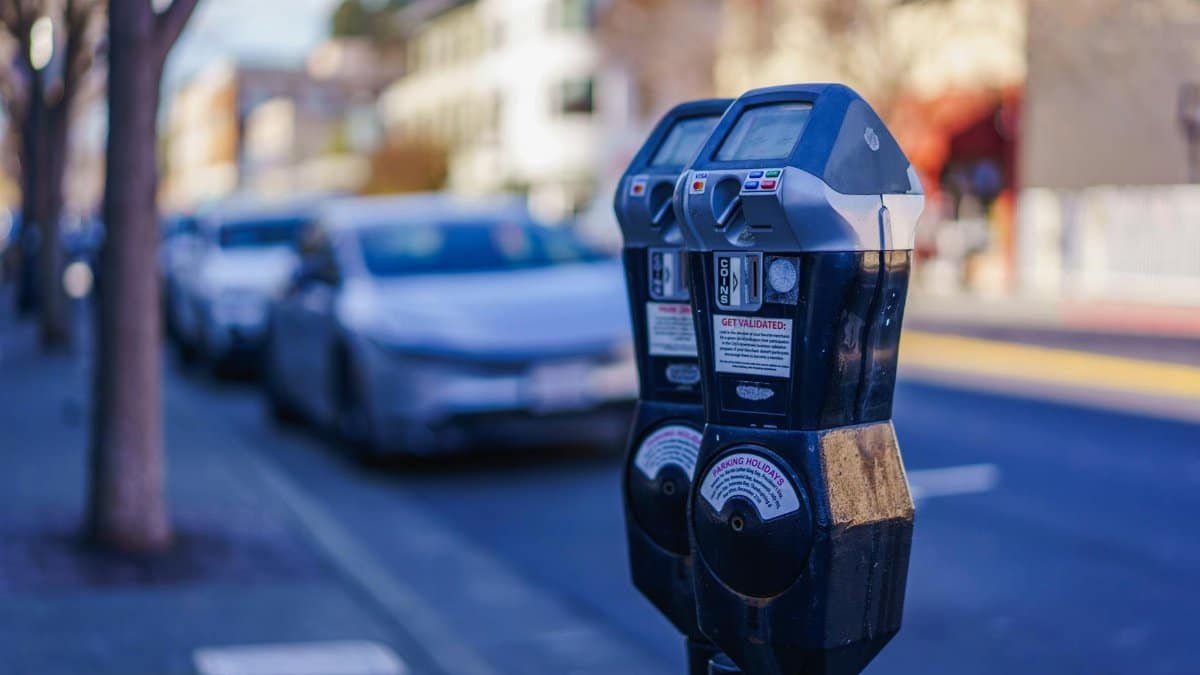
It was supposed to be a peaceful Sunday morning in the East Bay. Families headed to services, others grabbed coffee and newspapers, and many simply sought a few hours without the grind of weekday obligations. Yet across Oakland neighborhoods last weekend, drivers returned to find bright orange citations tucked under windshield wipers. The city had begun actively issuing tickets for unpaid meters on the one day many residents long considered free. This abrupt change, centered on what locals now call oakland sunday parking citations, has triggered widespread frustration and forced a fresh look at how municipal rules intersect with daily life and community rhythms.
The Policy Change That Surprised Longtime Residents

City officials quietly updated enforcement practices that had been loosely applied for years. While parking meters technically required payment seven days a week, Oakland rarely issued tickets on Sundays. That informal understanding ended recently when budget pressures prompted stricter collection. Drivers who parked without paying suddenly faced fines that can reach nearly one hundred dollars. Many first learned of the shift only after receiving citations. The move reflects broader efforts to close revenue gaps, yet it landed on a day when people expect respite rather than administrative headaches.
Why Sundays Were Traditionally Left Alone

Local practice once aligned with an older view of Sunday as a shared day of rest. Merchants, churchgoers, and families could park without feeding meters while attending services or visiting downtown spots. This custom helped support neighborhood businesses and reduced stress for those observing religious traditions. When the city decided to tighten enforcement, it broke that unspoken agreement. Officials argue the meters were always supposed to generate income. Residents counter that the change arrived without clear public notice, leaving even careful drivers caught unaware.
Local Rage Builds Over Unexpected Fines

Anger spread quickly through community forums and neighborhood chats. Some drivers described feeling ambushed after attending morning services or running simple errands. Others viewed the citations as another sign that city government prioritizes revenue over real understanding of daily life. The timing amplified the sense of unfairness. People already juggling family schedules and limited weekend hours now add financial penalties to their list of burdens. This wave of local rage reveals deeper tensions about how local rules affect quality of life in a busy urban setting.
Impact on Spiritual Practices and Day of Rest

For many middle aged Oakland residents, Sunday holds spiritual significance beyond mere relaxation. Church attendance, prayer groups, and quiet reflection form part of a weekly rhythm that restores balance. The new focus on oakland sunday parking citations threatens that rhythm. Worshippers worry about rushing services to avoid tickets or choosing between spiritual commitment and financial risk. Some congregations have begun discussing carpools or alternative parking strategies. The situation raises larger questions about whether city policy respects the human need for periodic peace and communal worship in an increasingly demanding world.
Revenue Goals Meet Community Pushback

City leaders point to strained budgets and the need to maintain streets and services. Parking fees represent one stream of income that had been under collected. Yet the approach has sparked debate over priorities. Critics suggest targeting enforcement on high revenue weekdays might prove wiser than surprising drivers on their day off. Supporters of the change note that rules should apply consistently. The tension highlights an ongoing struggle in many cities: balancing fiscal responsibility with the lived experience of residents trying to maintain some sense of normalcy and spiritual grounding amid urban pressures.
Comparison With Neighboring Bay Area Cities

Other communities have taken varied approaches to weekend parking enforcement. San Francisco maintains stricter rules across all days while offering some residential permits. Berkeley has adjusted meter hours in certain zones to accommodate local shopping patterns. Oakland now stands out for its sudden uniform application on Sundays. This distinction has prompted residents to question whether their city moved too hastily. Regional differences suggest there is room for creative solutions that protect both municipal income and the unique character of Sunday in each community.
Stories From Drivers Caught in the First Wave

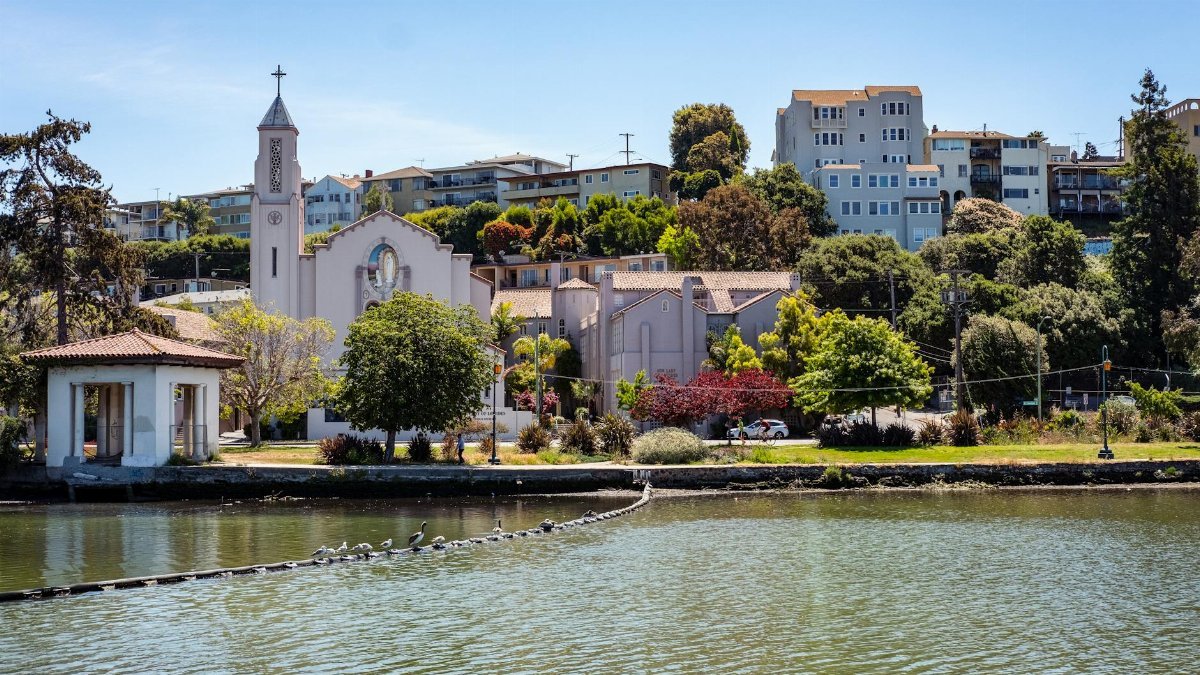
One longtime resident described parking near Lake Merritt for a family brunch only to discover a citation upon return. Another church deacon received two tickets in a single month after years of uneventful Sunday parking. These personal accounts illustrate how the policy touches real lives. Middle aged drivers, many balancing work, parenting, and community roles, express particular irritation. They remember when Oakland felt more forgiving on weekends. Their frustration goes beyond the fine itself to a sense that the city no longer considers the full picture of its residents daily struggles.
City Officials Offer Explanation and Next Steps
Spokespeople have acknowledged the strong reaction and promised clearer signage and public outreach moving forward. They emphasize that the goal remains fair application of existing rules rather than targeting any specific group. Some council members have called for a temporary grace period while communication improves. Whether these measures will ease local rage remains uncertain. The conversation continues about finding balance between necessary revenue and respect for longstanding community patterns, especially those tied to spiritual and family traditions.
Broader Questions About Urban Life and Renewal

This episode invites reflection on what kind of city Oakland wants to become. As residents age and seek more meaningful connections to their neighborhoods, small disruptions like parking enforcement on Sundays take on larger meaning. The situation connects to wider trends in how municipalities interact with spiritual life, rest, and community cohesion. Many middle aged readers understand both sides. Cities need resources to function. People need space to breathe and reconnect with faith or family. The challenge lies in crafting policies that honor both needs without creating unnecessary friction.
Looking Ahead for Oakland Sunday Traditions
The introduction of stricter oakland sunday parking citations may eventually become routine. Yet its rocky beginning has prompted valuable dialogue about values and priorities. Community groups are organizing meetings to discuss possible accommodations for places of worship and local businesses. Some suggest technology solutions such as apps that remind drivers of Sunday rules or adjusted meter hours near key gathering spots. Whatever path emerges, the episode underscores the importance of thoughtful communication when changing habits tied to deep rooted ideas of rest and spiritual renewal. Oakland residents have made clear they want their city to remember the human element behind every parking meter.
The coming weeks will reveal whether this controversy fades or leads to meaningful adjustments. For now it stands as a reminder that even seemingly minor administrative decisions can touch profound aspects of how we live, worship, and relate to our shared public spaces. In an era when many middle aged Americans seek greater balance between obligations and inner life, cities would do well to listen closely to the concerns now echoing through Oakland neighborhoods.