
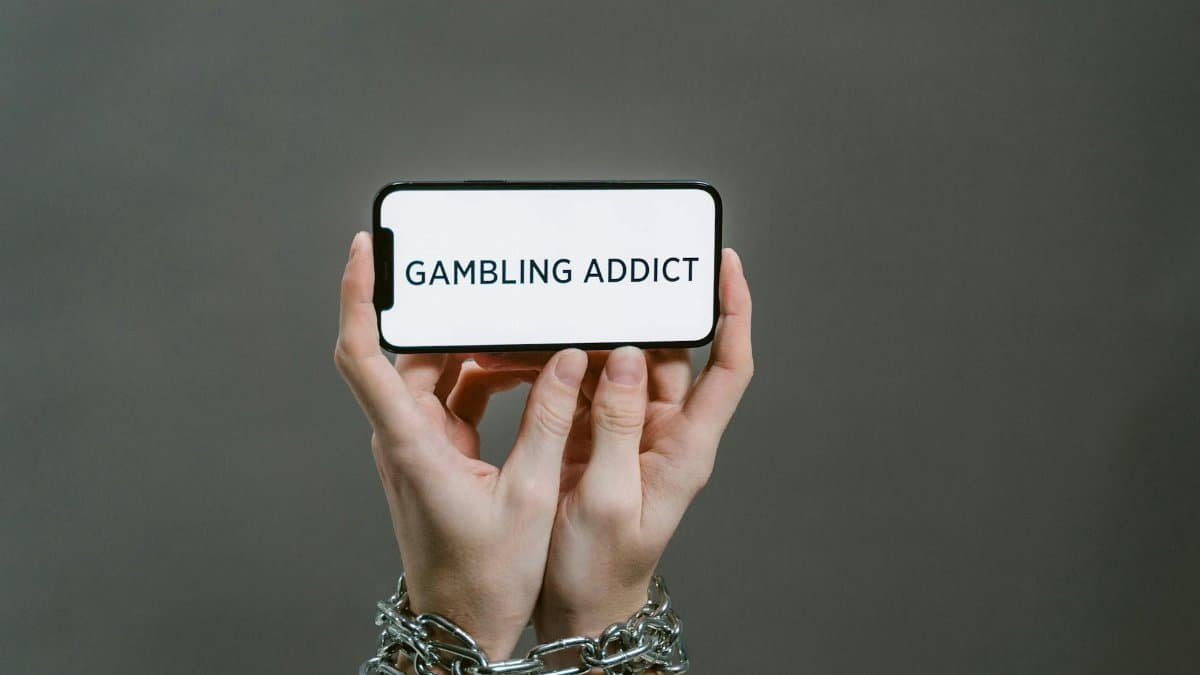
**In the sunlit communities stretching from Miami to Palm Beach, a quiet crisis is unfolding behind glowing screens.** Retirees who once filled their afternoons with golf now scroll through betting apps during sleepless nights. Young professionals chase losses after long workdays, convinced the next wager will restore what they have lost. South Florida health experts are raising awareness about gambling problems warning signs that often hide in plain sight, urging families to recognize patterns before financial ruin or emotional collapse takes hold.
Local clinicians report a sharp rise in online gambling addiction since the pandemic, when isolation and unlimited access to digital platforms collided. What begins as casual entertainment can rapidly evolve into compulsive behavior that damages careers, marriages, and mental health. The experts emphasize that early detection remains the most effective tool for prevention.
**The Growing Reach of Online Betting in South Florida**
South Florida has become fertile ground for digital gambling. With its large retiree population and vibrant nightlife culture, the region offers both disposable income and constant temptation. Mobile sports betting and online casinos have made participation effortless. A person can place bets while waiting in line for coffee or sitting in traffic on I 95.
Treatment centers in Miami Dade and Broward counties have seen a 40 percent increase in calls related to online gambling over the past three years. Many patients describe the same progression: starting with small stakes on football games, then moving to poker tournaments that last until dawn. The accessibility removes traditional barriers that once limited gambling to physical casinos.
**How Digital Platforms Fuel Compulsive Behavior**
Modern gambling apps are designed with the precision of behavioral psychology. Bright colors, sound effects, and personalized notifications create a loop that keeps users engaged. Unlike traditional casinos with closing hours, these platforms never sleep. Losses can be chased instantly with a credit card linked to an account.
Experts note that the illusion of control is particularly dangerous online. Algorithms show players near misses that feel like almost wins, encouraging continued play. This psychological manipulation makes it harder for users to step away even when they recognize the harm.
**Financial Warning Signs Families Should Not Ignore**
Money problems often surface first though they may be concealed. Late notices from creditors, unexplained cash withdrawals, or sudden requests to borrow from friends and family frequently indicate deeper trouble. One Miami area counselor described patients who refinanced homes or emptied retirement accounts to cover mounting losses.
Credit card debt that accumulates rapidly without corresponding purchases is another red flag. Some individuals begin selling personal items or asking for advances on paychecks. When questioned, they offer vague explanations or become defensive about their finances.
**Emotional and Behavioral Changes That Reveal Trouble**
Mood swings represent another crucial indicator. A person who was once even tempered may become irritable when unable to gamble or after suffering losses. Sleep patterns often deteriorate as late night betting sessions replace rest. Concentration at work suffers, and responsibilities get neglected.
Withdrawal from social activities is common. Family gatherings are skipped, hobbies abandoned. The individual may seem distant even when physically present, their mind clearly occupied with betting strategies or financial worries. These shifts in personality and routine warrant careful attention.
**When Relationships Begin to Fracture**
The impact on families can be profound. Partners notice secrecy around phone use and unexplained absences. Trust erodes as small lies about spending multiply into larger deceptions. Children sense tension in the household even if they cannot name its source.
Counselors frequently hear from spouses who feel they are competing with an app for their partner’s attention. Holiday savings disappear. College funds are raided. The resulting arguments and broken promises create wounds that require long term healing even after the gambling stops.
**Expert Perspectives from Local Health Professionals**
Dr. Elena Vargas at Jackson Memorial Hospital has treated hundreds of patients struggling with online gambling. She stresses that many people do not fit the stereotype of the desperate gambler. Many maintain successful careers while privately battling addiction.
“What we see most often is functional people whose lives are slowly unraveling,” she explained during a recent community forum. The warning signs tend to be subtle at first. Increased time spent alone with devices, preoccupation with odds and statistics, and an inability to set limits consistently point toward developing problems.
**Distinguishing Recreational Play from Addiction**
Not everyone who bets occasionally develops issues. The distinction lies in control and consequences. Recreational gamblers set limits and stick to them. They view losses as entertainment costs rather than personal failures to be recovered immediately.
When gambling begins interfering with work, relationships, or mental health, it has crossed into dangerous territory. The inability to stop despite negative outcomes is a hallmark of addiction. South Florida programs emphasize this distinction to help families assess situations accurately without overreacting to innocent entertainment.
**Treatment Resources Available Throughout the Region**
South Florida offers numerous specialized programs for gambling addiction. The Florida Council on Problem Gambling maintains a helpline that connects callers with local counselors experienced in this specific addiction. Many centers now offer targeted therapy for online gambling, which can differ significantly from traditional casino addiction.
Cognitive behavioral approaches have shown strong results. These programs help individuals identify triggers and develop healthier coping mechanisms. Some incorporate mindfulness techniques that address the underlying anxiety or depression often accompanying compulsive gambling.
**The Spiritual Dimension of Recovery**
Many recovering individuals in South Florida find strength through spiritual practices. Local faith communities have begun addressing gambling addiction more openly, offering support groups that blend clinical insights with spiritual guidance. Meditation and prayer help quiet the restless mind that seeks constant stimulation through betting.
Holistic treatment centers in the region combine traditional therapy with yoga, nature walks along the beach, and reflective practices. These approaches recognize that addiction affects the whole person. Healing must address body, mind, and spirit simultaneously for lasting change.
**Technology as Both Problem and Solution**
While smartphones enable easy access to gambling, they can also support recovery. Several apps now help users track spending, set strict limits, and receive immediate alerts when approaching dangerous thresholds. Self exclusion programs allow individuals to block access to betting sites for specified periods.
Parents and partners are learning to monitor device usage more thoughtfully. However, experts caution against purely technological solutions. Sustainable recovery requires addressing the emotional and psychological factors that drive the behavior in the first place.
**Supporting Loved Ones Without Enabling**
Family members often struggle with how to help without inadvertently making the situation worse. Setting clear boundaries while maintaining compassion represents a difficult balance. Simply paying off debts typically prolongs the problem by removing natural consequences that might motivate change.
Intervention strategies recommended by South Florida counselors focus on expressing concern from love rather than judgment. Professional guidance can help families prepare these conversations effectively. Support groups for family members provide essential spaces to share experiences and learn from others facing similar challenges.
**Recognizing Warning Signs in Older Adults**
South Florida’s large senior population faces unique risks. Retirement can create empty hours that gambling seems to fill. Fixed incomes make losses particularly devastating. Cognitive changes that come with age may impair judgment about risk and probability.
Adult children are encouraged to stay involved in their parents financial lives without being intrusive. Regular conversations about online activity can open doors to early intervention. Many seniors respond well to treatment when approached with respect and understanding.
**Building a Prevention Focused Community**
Health experts advocate for broader community education. Schools, workplaces, and senior centers should discuss gambling risks openly just as they address substance abuse. Responsible gambling messaging needs to extend beyond casino walls into the digital space where most activity now occurs.
Public awareness campaigns in Miami and surrounding counties are beginning to highlight gambling problems warning signs in accessible language. The goal is to reduce stigma so people seek help earlier. When communities understand these issues, they become better equipped to support those who struggle.
**Pathways to Lasting Recovery**
Recovery stories from South Florida demonstrate that change is possible. Many who once lost everything have rebuilt their lives through dedication, support, and professional help. They speak candidly about the shame that kept them isolated and the relief that came with honesty.
The journey typically involves multiple attempts and different approaches before success. What remains consistent is the need for ongoing support and vigilance. Many continue attending meetings years after their last bet, recognizing that recovery is a lifelong practice rather than a finite achievement.
Local experts remain cautiously optimistic. As awareness grows about gambling problems warning signs, more people are identifying issues before they reach crisis levels. The combination of clinical treatment, community support, spiritual resources, and digital tools offers genuine hope for those caught in online gambling’s powerful grip.
The conversation in South Florida is shifting from shame to solutions. Health professionals, faith leaders, and recovered individuals are working together to illuminate paths out of darkness. For families worried about a loved one, recognizing the warning signs represents the first courageous step toward healing.