
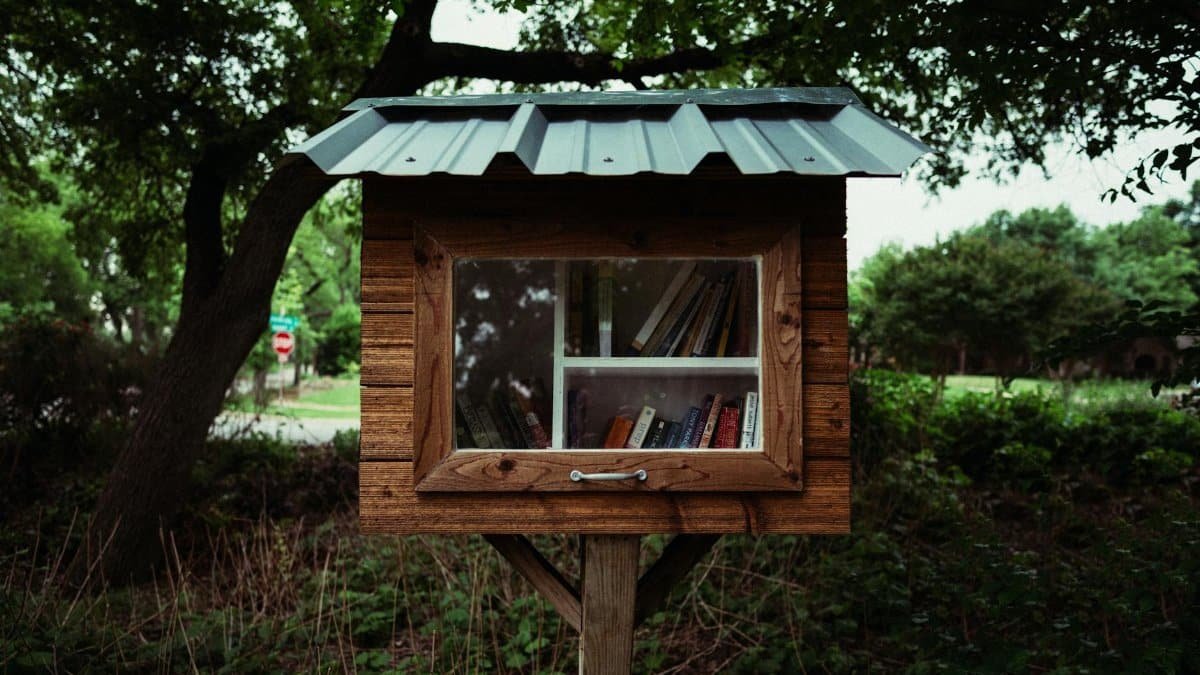
On a sunny afternoon in early March residents of Denver began noticing something new at their local community centers. Small wooden boxes labeled with encouraging notes invited people to take seeds and leave some of their own harvest if they could. These free community seed libraries have been multiplying quickly in cities throughout the country. What started as a handful of experimental projects has become a widespread phenomenon touching hundreds of neighborhoods. The movement speaks to a collective desire for self reliance stronger social bonds and a more harmonious relationship with the natural world. As spring planting season approaches these libraries are seeing increased activity with many locations reporting record numbers of visitors seeking to start their own gardens. Building on coverage from outlets like CNN the trend highlights how ordinary citizens are reclaiming small acts of stewardship in their daily lives.
The Origins Of Seed Sharing Efforts
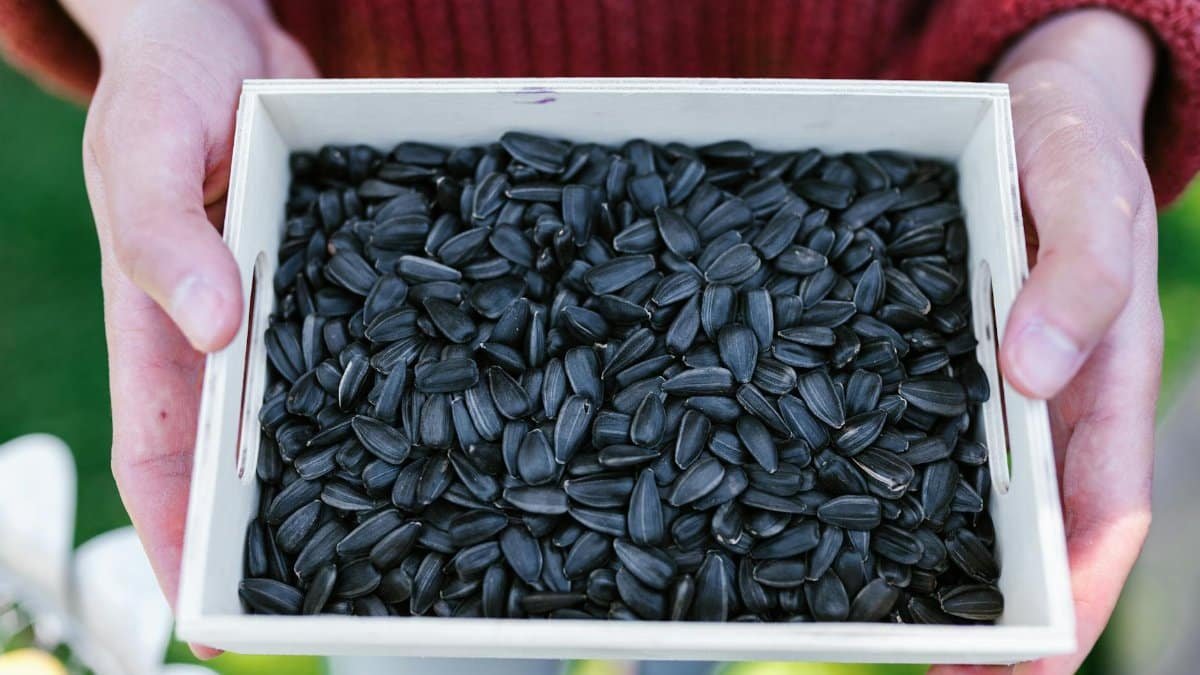
The concept draws from traditions of seed saving and exchange that sustained civilizations long before industrial agriculture. In the middle of the 2000s a few librarians and backyard gardeners in California placed the first public collections in libraries and coffee shops. These early efforts grew through personal networks and grassroots organizing rather than top down directives. Organizers emphasized education and reciprocity creating systems where knowledge traveled alongside the seeds themselves.
Over time the idea migrated eastward and northward adapting to local climates and community needs. What began in a few progressive enclaves has now reached cities often viewed as less ecologically focused. This expansion shows how the core impulse resonates across cultural and geographic lines. People from many walks of life see value in preserving plant diversity and reducing dependence on commercial suppliers.
Understanding The Simple Mechanics

Operation remains straightforward by design. Visitors select packets they wish to plant and are invited to return seeds from their harvest the following season. Collections typically feature vegetables herbs and flowers suited to urban growing conditions. Volunteers or staff periodically sort packets test germination rates and remove varieties that fail to thrive in local soils.
Many locations maintain logbooks where gardeners record results. This information helps future participants choose plants likely to succeed in balconies community plots or small yards. Some libraries partner with master gardeners who offer seasonal clinics. The absence of fees or registration barriers makes participation remarkably inclusive. Success depends on trust and shared responsibility rather than enforcement.
Building Stronger Urban Neighborhoods
These projects do more than distribute seeds. They create gathering points where neighbors meet to discuss soil quality recipes and growing tips. In several Midwest cities library staff report that seed library users form informal support groups that extend beyond gardening into other forms of mutual aid. The simple act of choosing seeds together opens conversations that might never otherwise occur.
Organizers have watched isolated seniors form friendships with young families through these exchanges. Children learn firsthand where food originates while adults rediscover satisfaction in cooperative effort. In neighborhoods facing economic pressure the libraries provide meaningful activity that does not require expensive equipment or memberships. The resulting social fabric appears more resilient as a result.
Supporting Environmental Health And Biodiversity

Each packet exchanged represents a small vote for genetic diversity. Commercial seed companies offer limited varieties bred for uniformity and shipping durability. Community collections preserve regional adaptations and heirloom strains that might otherwise disappear. Pollinators benefit when gardeners grow flowers alongside vegetables creating corridors of habitat in concrete landscapes.
Participants often choose organic methods after learning about soil health at library workshops. This shift reduces chemical runoff into urban waterways. Some programs focus specifically on native plants that support local ecosystems. The cumulative effect across hundreds of cities could help restore fragments of biodiversity one garden at a time. Scientists tracking these trends suggest the movement complements larger conservation efforts in meaningful ways.
Finding Spiritual Renewal In The Soil

Many who participate describe gardening as a form of quiet contemplation that restores equilibrium to busy lives. The patience required to wait for germination mirrors spiritual disciplines found across traditions. Watching a single seed transform into a fruit bearing plant evokes feelings of awe and humility before natural processes. In an era of constant notification and distraction these green spaces offer sanctuary.
Some faith communities have begun incorporating seed libraries into their outreach viewing the sharing of potential life as an expression of generosity and hope. Others discover unexpected moments of gratitude while weeding or harvesting. The cycles of growth decay and renewal visible in a garden parallel deeper questions about existence and legacy. What starts as practical interest frequently deepens into something more reflective. This spiritual dimension gives the movement resonance beyond mere utility.
Success Stories From Different Regions

In Portland a former parking lot now hosts a demonstration garden supplied entirely by the local seed library. Yields have been shared at neighborhood harvest festivals that draw hundreds. Meanwhile a public housing complex in Atlanta established its own collection after residents requested one. Within two seasons multiple families reported harvesting enough produce to reduce grocery bills significantly.
Smaller cities have seen equally impressive results. A library in rural New Mexico expanded its seed program after a drought resistant bean variety proved especially popular. Users traded growing techniques suited to arid conditions. These localized victories demonstrate the adaptability of the model. Each story adds momentum encouraging other communities to launch their own versions.
Addressing The Practical Challenges

Seed libraries face real obstacles. Proper storage prevents mold and maintains viability. Volunteer labor can prove inconsistent. Some locations struggle with contamination from treated seeds mistakenly donated by gardeners unfamiliar with best practices. Education helps overcome these hurdles.
Successful programs invest time in training and clear labeling. Partnerships with universities provide occasional testing of germination rates. Funding remains modest with many operating on small grants or donations of supplies. The most effective leaders treat problems as opportunities for community learning rather than roadblocks. This pragmatic approach has allowed the movement to scale despite limited resources.
Personal Experiences From Participants

Maria Gonzalez of Chicago never gardened before discovering a seed library at her branch library. She started with basil and cherry tomatoes on her fire escape. The success encouraged her to expand. Now she returns seeds each fall and mentors newer gardeners. The experience she says restored a connection to her grandmother who grew food in Mexico.
Retired engineer Robert Kline in Seattle describes how cultivating plants shifted his perspective after losing his wife. The daily observation of growth gave him purpose and introduced him to a supportive circle of fellow enthusiasts. Stories like these surface repeatedly. They reveal how free community seed libraries often deliver benefits that extend far beyond fresh vegetables.
The Important Role Of Public Institutions

Public libraries have emerged as ideal homes for these collections. Already trusted neutral spaces they possess the infrastructure to host workshops and maintain organized shelves. Librarians bring skills in cataloging and community outreach that prove invaluable. Many view seed libraries as natural extensions of their mission to share knowledge and resources.
Community centers and some forward thinking churches have also embraced the concept. Their involvement signals broader institutional recognition of the value these programs deliver. By providing space and legitimacy they help normalize gardening as an everyday civic activity rather than a specialized hobby.
What The Future Holds For These Projects

Momentum continues to build. New libraries open monthly while existing ones expand their offerings to include seed saving classes and tool lending. Some cities explore digital maps that help residents locate the nearest collection. There is talk of regional networks that could swap seeds across climate zones to increase resilience.
Challenges around climate change and food security may further elevate the importance of these grassroots systems. If current growth continues free community seed libraries could become standard features of American urban landscapes. Their quiet presence reminds us that meaningful change often begins with small shared acts of hope planted in ordinary soil.