

On a typical weekday morning in suburban Denver software engineer David Ramirez chooses the stairs over the elevator in his office building. Later he will skip his usual morning coffee and opt for a brisk walk in chilly weather without a jacket. These choices are not random. They represent a deliberate embrace of what has come to be called the friction maxxing health trend. This approach suggests that by intentionally adding small inconveniences and discomforts to our daily routines we might actually improve our overall wellbeing and longevity.
The idea has gained traction among those in their 40s 50s and 60s who are looking for ways to counteract the effects of comfortable modern living. Instead of seeking the easiest path people following this trend look for opportunities to make things a bit harder. The thinking is that our bodies and minds have evolved to handle challenges and when we remove all difficulty we may be doing ourselves a disservice. Early adopters report everything from increased energy to sharper focus though scientists are still examining the full effects.
What This Trend Really Involves

At its core the friction maxxing health trend is about reintroducing forms of resistance into life that technology and convenience have smoothed away. This can mean taking cold showers sleeping on a firmer mattress or even choosing to stand during meetings rather than sit. The term implies maximizing these moments of friction or difficulty for optimal results.
Advocates point to how our ancestors faced constant physical and environmental challenges. In contrast todays world offers climate controlled environments abundant food and endless entertainment at the touch of a screen. The trend seeks to balance that ease with purposeful discomfort. It draws inspiration from stoic philosophy which valued endurance and from evolutionary biology which suggests our genes expect a certain amount of hardship.
Tracing The Trend Back To Ancient Practices
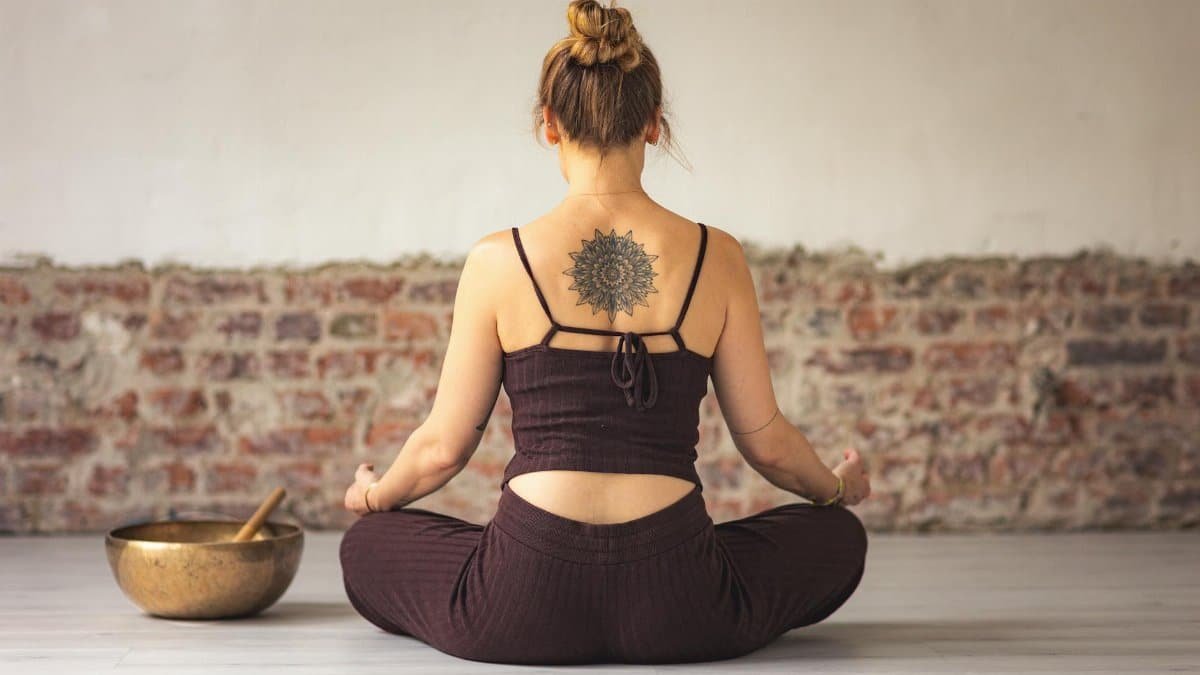
While the name may sound like the latest social media fad its principles echo through history. Many spiritual traditions have long embraced discomfort as a path to growth. Buddhist monks practice mindful meditation in uncomfortable positions. Christian mystics once wore rough garments to remind themselves of suffering. Indigenous cultures often include challenging rites of passage that build character and community bonds.
In this sense the current interest represents a return to wisdom that modern society has largely forgotten. It combines these ancient insights with contemporary understanding of physiology. The result is a practice accessible to anyone regardless of religious background that focuses on tangible health improvements rather than purely spiritual ones yet still carries a quiet sense of discipline many find meaningful.
The Science Supporting Discomfort

Researchers have begun to explore how controlled stress or hormesis can benefit the body. Hormesis refers to the process by which small amounts of stress trigger adaptive responses that make us stronger. A study on hormesis suggests that practices like intermittent fasting and cold exposure may activate genes related to longevity and cellular repair.
One notable area of research involves brown adipose tissue. Regular cold exposure appears to increase the activity of this tissue which burns calories to generate heat. For middle aged adults struggling with slowing metabolism such mechanisms could prove particularly useful. Other studies indicate improved insulin sensitivity and reduced inflammation among those who practice regular cold exposure. These findings while preliminary point toward genuine physiological changes rather than placebo effects.
Cold Practices That Build Inner Strength
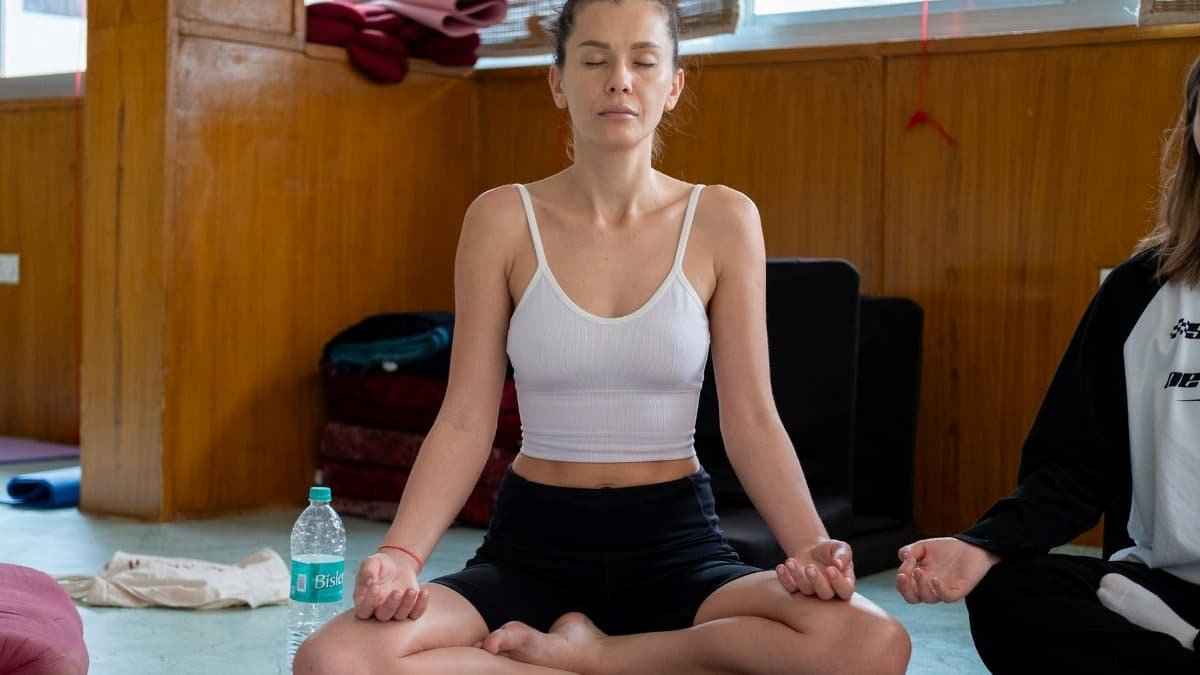
Cold showers and ice baths have become gateway practices for many in this trend. Starting with 30 seconds of cold at the end of a shower and gradually increasing the time can help the body adapt. Practitioners often describe a profound sense of accomplishment that carries into other areas of life fostering confidence in their ability to handle stress.
Endurance athlete Wim Hof has popularized breathing techniques combined with cold exposure. While his specific claims remain subject to scientific debate the general principle that we can influence our autonomic nervous system through such practices has gained credibility in laboratory settings. For those over 50 it is wise to consult a physician before beginning any intense cold regimen to ensure safety and avoid unnecessary strain.
Food Choices That Add Healthy Friction

Beyond temperature discomfort extends to dietary habits. Intermittent fasting represents a form of friction by limiting eating windows. Skipping the occasional meal or avoiding snacking can reset hunger signals and improve metabolic flexibility. This does not mean severe calorie restriction but rather aligning eating patterns more closely with natural circadian rhythms.
Some enthusiasts also practice eating foods that require more effort to consume such as raw vegetables or meats that need thorough chewing. The idea is to slow down and engage more fully with the act of nourishment rather than seeking the most processed convenient options available. Over months many report more stable energy levels and fewer cravings as their bodies adjust to this deliberate pace.
Training The Mind Through Daily Challenges

Mental friction might involve leaving your phone in another room to avoid mindless scrolling or choosing to read a complex book instead of watching television. These practices build focus and reduce dependence on constant stimulation. In an age of distraction the ability to sit with boredom or discomfort becomes a valuable skill that pays dividends in both work and personal relationships.
Journaling about uncomfortable emotions rather than reaching for distractions is another recommended approach. Over time these habits can lead to greater emotional regulation and resilience. Many middle aged individuals report that this mental training helps them navigate career stresses and family responsibilities with greater equanimity and presence.
Physical Movements That Resist Ease
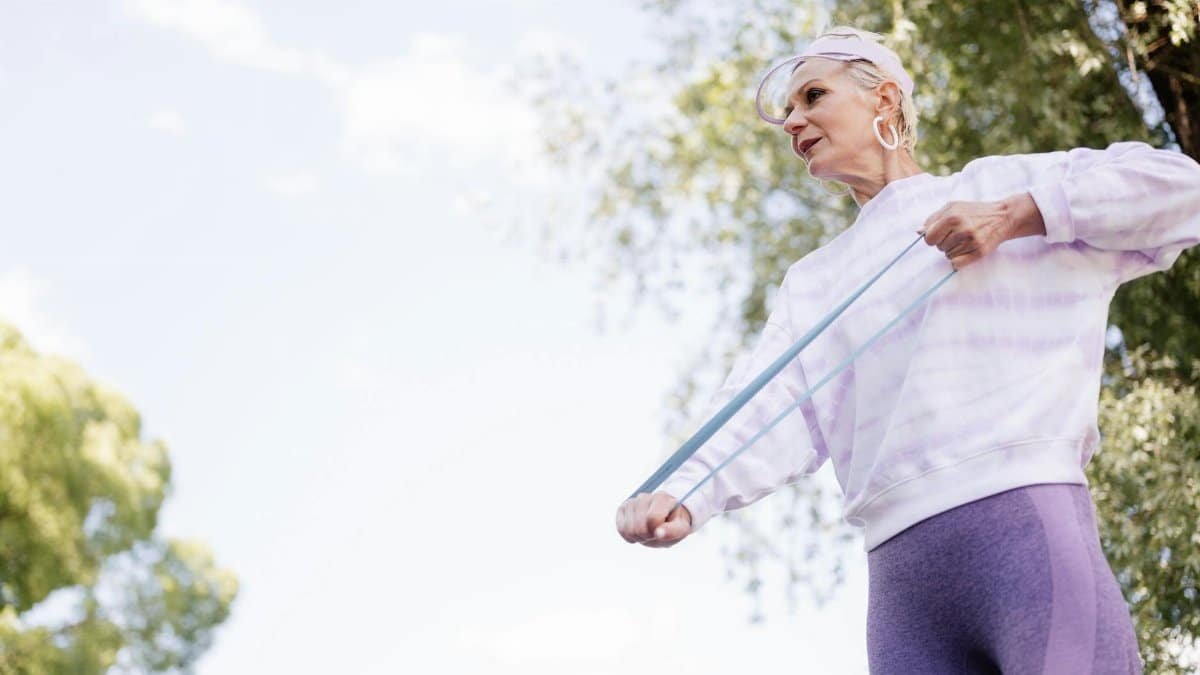
Instead of driving everywhere some participants commit to walking or cycling for short trips. At home they might forgo labor saving devices choosing to chop vegetables by hand or wash dishes manually. The goal is not to reject all technology but to consciously select discomfort when it makes sense and feels sustainable.
Posture practices also play a role. Maintaining good alignment throughout the day even when it feels tiring can strengthen core muscles and improve spinal health. Simple exercises like wall sits or holding planks build both physical endurance and mental fortitude that translates into daily confidence.
Who Might Benefit Most In Middle Age
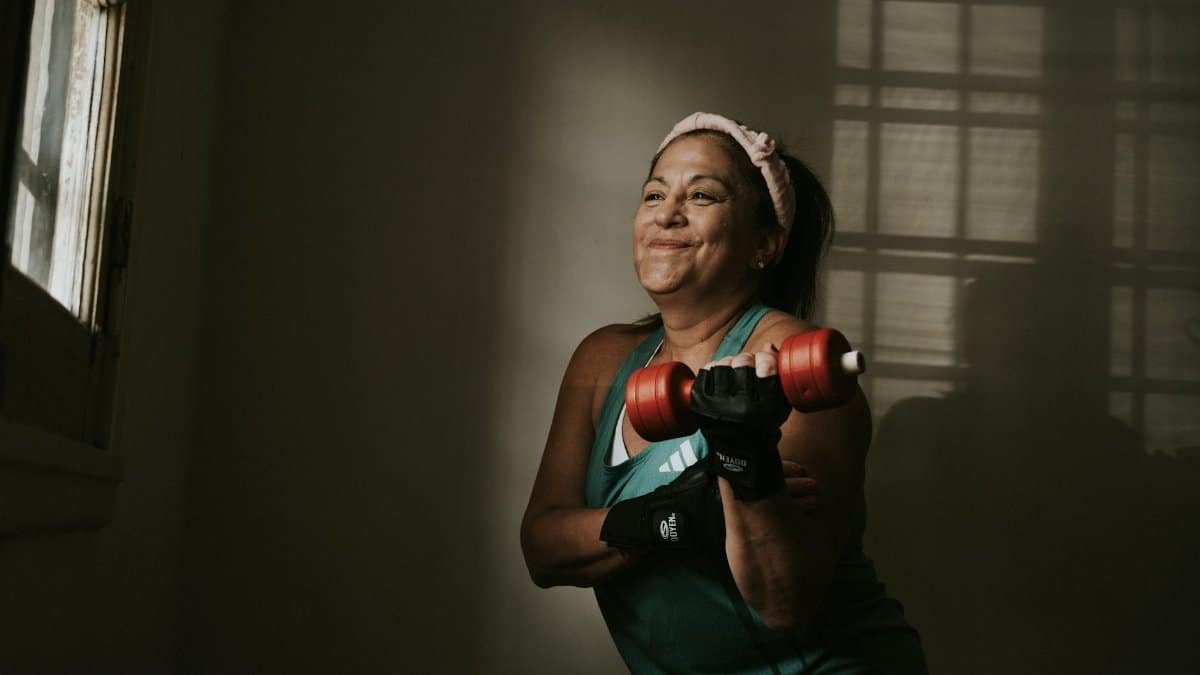
For people in their middle years this trend offers a promising counter to the natural decline in resilience that comes with aging. As muscle mass decreases and recovery slows intentional challenges may help maintain vitality and independence. The spiritual dimension appeals to those seeking deeper meaning beyond typical fitness routines that often feel repetitive or hollow.
However it is not a one size fits all solution. Those with certain health conditions such as heart problems or autoimmune disorders should approach with caution and professional guidance. The key lies in starting small and listening carefully to body signals rather than pushing through pain or discomfort that feels excessive.
Important Cautions Before You Start
Medical professionals emphasize the importance of moderation. What begins as healthy friction can become harmful stress if taken to extremes. Hydration nutrition and adequate rest remain foundational regardless of any wellness approach or emerging trend.
Experts recommend consulting healthcare providers especially for adults over 40 who have preexisting conditions. Gradual implementation allows the body to adapt without shock. Tracking how you feel rather than adhering rigidly to protocols leads to more sustainable practices that can last for years rather than weeks.
Real Experiences From Everyday People

Lisa Chen a 48 year old nurse from Seattle started with cold showers six months ago. She reports better energy levels throughout her demanding shifts and a surprising reduction in her anxiety. The ritual has become a form of moving meditation that prepares her mentally for the day ahead and helps her remain compassionate with patients even during chaotic moments.
Retired teacher Robert Ellis incorporated more walking and standing into his routine. At 62 he finds he needs less medication for his blood pressure and sleeps more soundly than he has in decades. These stories while anecdotal suggest potential benefits that larger studies may soon verify in more diverse populations.
Integrating This Trend Into Busy Lives

The beauty of the friction maxxing health trend lies in its flexibility. Busy professionals can find moments throughout their day to add small challenges without disrupting their responsibilities or family time. It requires no expensive equipment or gym memberships making it democratic in its appeal across income levels and lifestyles.
Combining practices with existing spiritual or mindfulness routines can amplify benefits. A cold shower followed by quiet reflection creates space for gratitude and intention setting. In this way the physical merges with the spiritual in a holistic approach to health that feels authentic rather than forced.
Looking Toward A Stronger Future

As research continues to illuminate how our bodies respond to varied levels of challenge the friction maxxing health trend may move from niche interest to mainstream recommendation. It challenges the notion that comfort equals wellbeing and invites us to reconsider what we need to thrive across decades of life.
For middle aged readers wondering how to maintain vitality in the second half of life this trend offers both practical strategies and a philosophical shift. By embracing a measured amount of daily discomfort we may discover greater strength than we realized we possessed. The future of health might just feel a little less comfortable than we thought but potentially far more rewarding in ways that extend beyond the physical.