
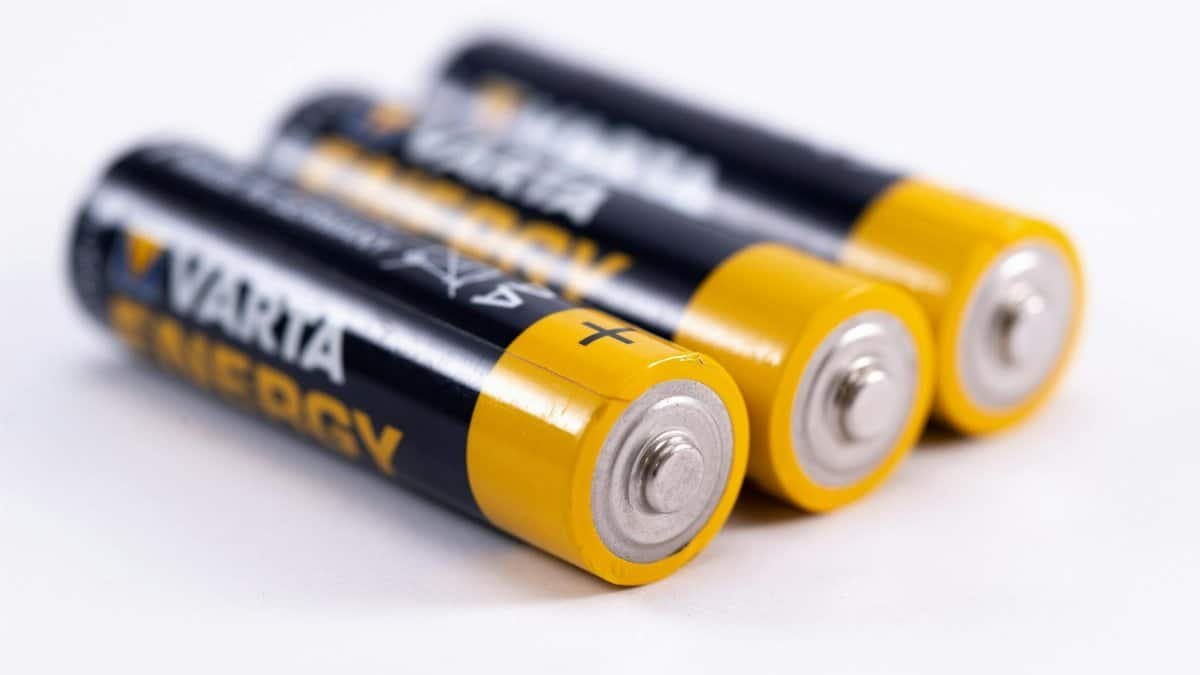
In the arid expanse of Southern California sits the Salton Sea a large inland body of water that has become synonymous with environmental challenges. Once a popular tourist spot the sea has been shrinking for decades leaving behind exposed lakebed that generates harmful dust. Yet recent scientific assessments point to a surprising potential hidden in its depths and the surrounding geology. This potential centers on what experts refer to as salton sea lithium which could help satisfy the exploding need for materials to manufacture electric vehicle batteries across the globe.
The convergence of climate goals technological innovation and resource availability has thrust this remote corner of the Imperial Valley into the national spotlight. As automakers commit to electric models and governments push for reduced carbon emissions securing domestic supplies of lithium has taken on new urgency. The Salton Sea region with its unique geothermal resources stands poised to become a key player in this transition if challenges can be thoughtfully addressed.
The Lithium Beneath the Waves
Deep below the surface of the Salton Sea and its adjacent fields superheated brine holds dissolved lithium in concentrations that rival the richest deposits found anywhere. Unlike traditional hard rock mining or evaporation ponds used in other parts of the world the lithium here is suspended in the same geothermal fluids that power clean electricity generation. This fortunate coincidence allows for the possibility of extracting the mineral as a byproduct of existing energy production.
Estimates suggest the reservoir contains millions of tons of lithium. A detailed examination by researchers indicates that with proper development the area could supply enough material for millions of electric vehicle batteries each year. These figures have attracted interest from major energy companies and startups alike who see an opportunity to establish a fully domestic supply chain. Further details appear in this New York Times investigation.
Geothermal Systems Powering New Opportunities
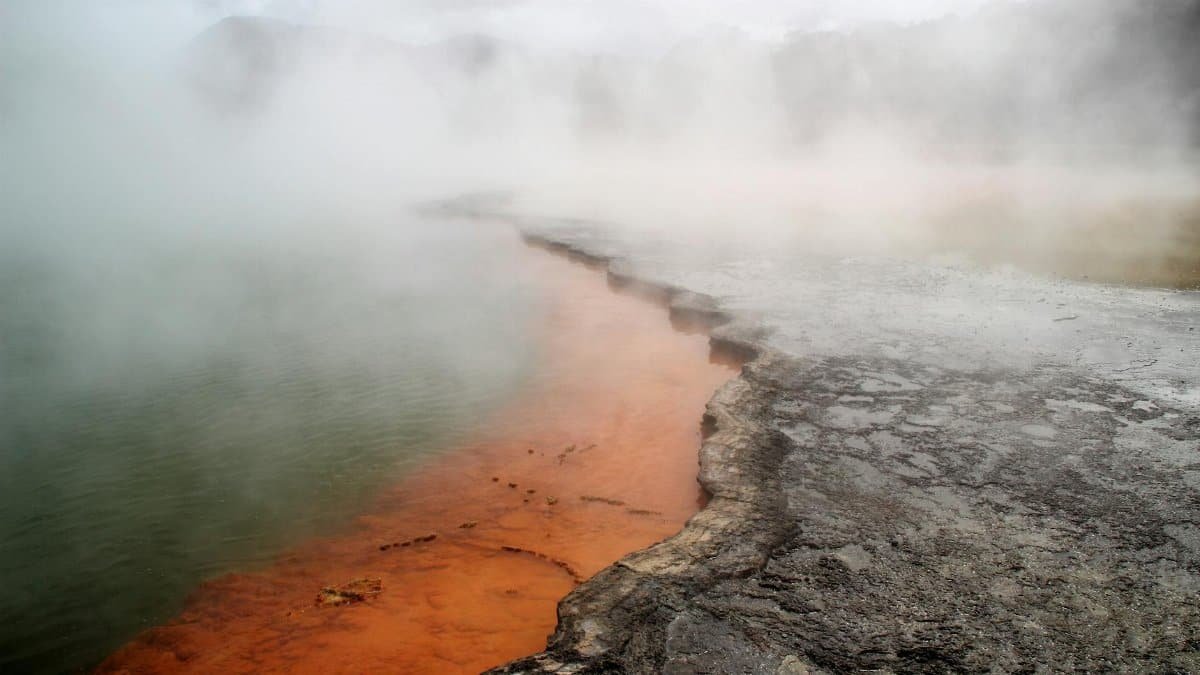
The Salton Sea sits atop one of the most productive geothermal systems in North America. Operators already draw up hot brine to generate electricity yet until recently they let the lithium dissolved within it flow right back into the ground. New techniques now promise to capture that lithium before the brine returns underground creating a circular process that produces both renewable power and battery material.
This dual purpose approach could reshape how the world thinks about critical mineral extraction. Rather than opening vast new mines companies propose to expand existing geothermal plants and add lithium recovery units. The technology known as direct lithium extraction uses selective filters or chemical processes to pull lithium ions from the brine with far less water and land disruption than conventional methods.
The Environmental Paradox Facing California
The Salton Sea itself tells a story of ecological decline. Agricultural runoff and diminishing river flows have increased its salinity to levels that killed most fish species. Dust from the exposed lakebed carries pesticides and toxins triggering asthma and other respiratory problems in nearby communities. Any plan to develop salton sea lithium must therefore confront this legacy of harm.
Advocates argue that responsible lithium recovery could fund restoration efforts. Revenue from the resource might pay for dust suppression projects or wetlands restoration that would improve air quality and revive habitats. Yet skeptics worry that industrial expansion could worsen existing problems if not strictly regulated. The tension between short term industrial activity and long term ecological repair defines much of the current debate.
Economic Hopes for a Struggling Region

The Imperial Valley has long ranked among Californias poorest areas. Unemployment remains high and many residents depend on seasonal agricultural work. Proponents of salton sea lithium development speak of hundreds of permanent high paying jobs in engineering operations and laboratory analysis. Local leaders see an economic lifeline that could diversify the economy beyond farming.
Tax revenue from lithium production might also bolster schools roads and healthcare services. Some projections suggest the industry could inject billions of dollars into the region over the coming decades. For middle aged workers who have watched factories close and young people leave these possibilities carry special resonance. A genuine revival would mean stable careers that allow families to remain and thrive in the place they call home.
Advances in Direct Lithium Extraction Methods
Traditional lithium production often requires massive evaporation ponds that consume enormous quantities of water and scar desert landscapes. The methods being tested near the Salton Sea aim to avoid those outcomes. Engineers have designed absorbent materials that selectively trap lithium ions while allowing other elements to pass through. The captured lithium is then released in concentrated form suitable for battery manufacturing.
Early pilot projects have shown recovery rates exceeding eighty percent. These results have drawn investment from automakers eager to secure ethical domestic supplies. If scaled successfully the technology could set a new global standard for low impact mineral recovery. Companies are racing to perfect the chemistry and engineering required to operate reliably amid the extreme heat and salinity of the Salton Sea environment.
Indigenous Perspectives on the Salton Sea

Long before the sea existed in its current form Native tribes including the Torres Martinez Desert Cahuilla Indians maintained deep spiritual connections to this desert landscape. Tribal elders speak of the land and water as living entities deserving respect. For them decisions about salton sea lithium extraction carry cultural and spiritual weight that extends beyond economics or engineering.
Some tribal leaders have engaged with developers seeking guarantees that industrial activity will not further desecrate sacred sites or disrupt remaining natural balance. Others view the resource as a potential tool for self determination if projects include genuine partnerships and revenue sharing. These conversations highlight how modern energy transitions intersect with ancient understandings of stewardship and responsibility to future generations.
Strategic Importance for American Battery Supply
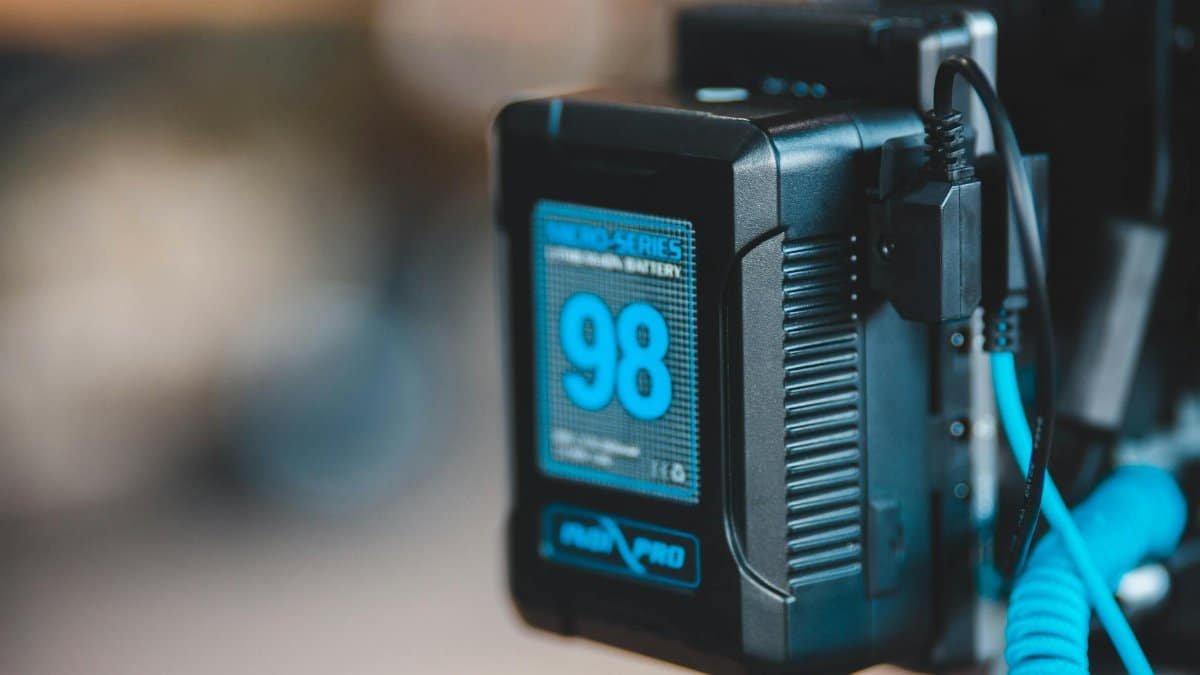
The United States currently imports most of its lithium from Australia Chile and China. Geopolitical tensions and supply chain disruptions have exposed the vulnerability of relying on foreign sources for a mineral essential to the clean energy transition. Developing domestic production at the Salton Sea could strengthen national security while creating an integrated American battery industry from raw material to finished product.
Automakers have signaled strong interest in contracts with local producers. Several battery factories planned across the Southwest would benefit from shorter more transparent supply lines. This geographic clustering could accelerate innovation and reduce transportation emissions. Policymakers in Washington have taken notice offering potential incentives for projects that meet high environmental and labor standards.
Navigating the Regulatory and Investment Hurdles
Turning potential into production will require navigating a complex web of state and federal regulations. Water rights air quality permits and endangered species protections all come into play in this sensitive ecosystem. Investors demand clarity before committing the hundreds of millions of dollars needed to build commercial scale facilities.
California has signaled willingness to streamline approvals for projects that demonstrate genuine environmental benefits. Yet community groups insist on rigorous oversight to prevent past mistakes from repeating. The coming years will test whether regulators can balance speed with caution. Success could establish a model for responsible resource development elsewhere in the country.
Prospects for Restoring the Sea Itself

One of the more intriguing possibilities involves using proceeds from lithium extraction to address the Salton Sea’s decline directly. Engineers have proposed pipelines that could bring fresher water from the Colorado River or treated agricultural runoff to stabilize water levels. Dust control projects using vegetation or shallow flooding could protect public health.
If structured thoughtfully the lithium industry might provide the funding mechanism that restoration efforts have long lacked. This prospect transforms the conversation from one of inevitable sacrifice to one of potential renewal. The sea that once symbolized environmental failure could become a demonstration of how green technology can heal as well as power the future.
A New Chapter for California and the Planet

The story of salton sea lithium is still being written. Its outcome will depend on choices made by engineers executives policymakers and residents in the years immediately ahead. What seems clear is that the region sits at the center of multiple converging trends: the urgent need for battery minerals the imperative to restore damaged ecosystems and the desire for equitable economic development.
Success would mean more than new factories and jobs. It would represent a thoughtful integration of human industry with natural systems. For a broad audience watching the clean energy transition unfold this corner of Southern California offers a compelling case study in possibility. The desert may yet yield not only lithium but also lessons about how societies can pursue progress while honoring the land that sustains them.