
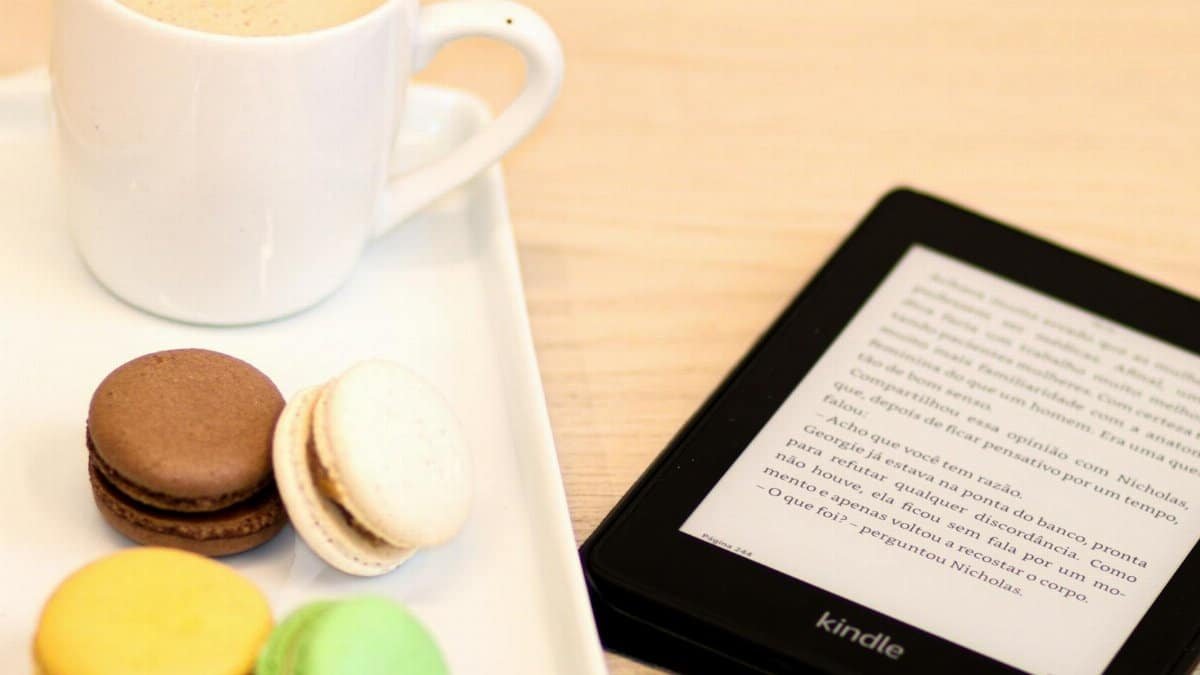
In recent times many avid readers have begun questioning their dependence on major tech companies for their literary needs. The Kindle has long been a staple but alternatives are gaining traction for good reason. When exploring a kindle alternative e reader one discovers options that prioritize the reading experience above all else. These devices offer a cleaner interface and reduce the urge to shop or browse rather than immerse oneself in the narrative at hand. For middle aged individuals seeking more balance in their digital lives this change can feel like a breath of fresh air. It allows for deeper engagement with texts without the constant digital interruptions that have become so common. What emerges is not merely a gadget swap but a subtle reclamation of attention and presence.
The Allure Of A Simpler Reading Experience

Many who turn to a different e reader do so because the dominant platform began to feel less like a library and more like a storefront. Screens cluttered with recommendations and special offers slowly erode the quiet sanctuary that reading once provided. A kindle alternative e reader often strips away these elements creating an environment where the story takes center stage. Users report feeling more present with the material as if the device itself respects the act of reading rather than competing with it.
This simplicity resonates particularly with those in their forties and fifties who grew up with physical books. They remember the tactile ritual of turning pages and the absence of notifications. Modern alternatives aim to recapture some of that purity while retaining the practical benefits of digital storage and adjustable text. The result is an experience that feels intentional rather than algorithmic.
Concerns Over Corporate Control In Digital Books
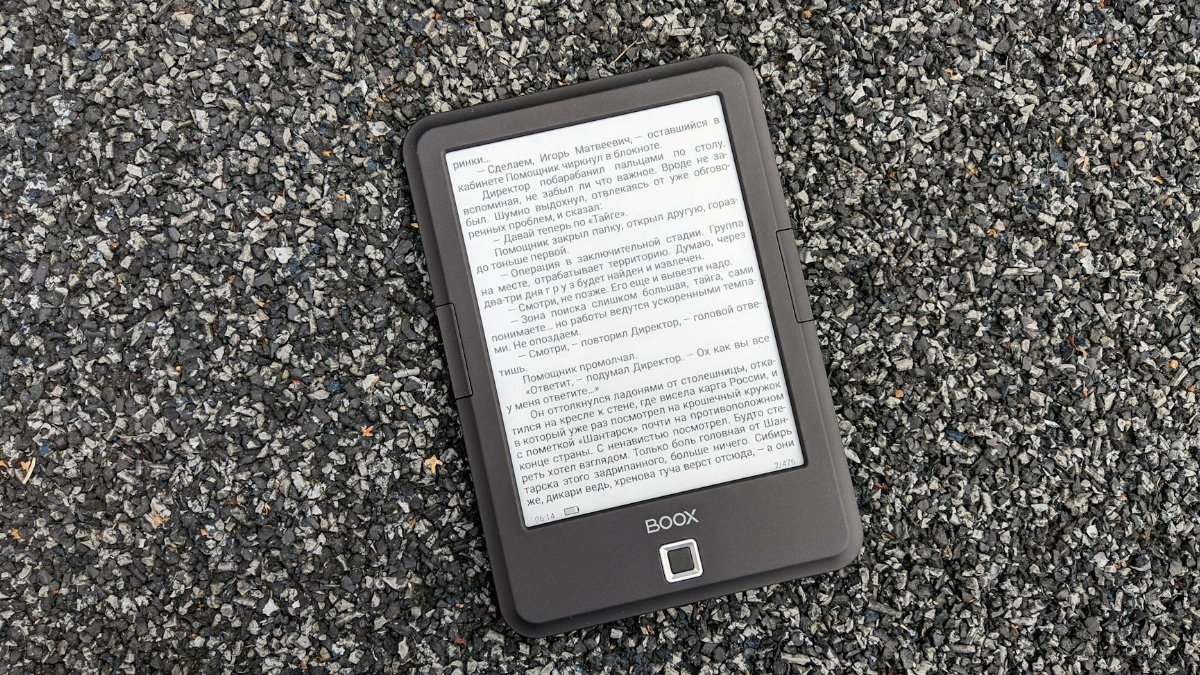
Amazon has shaped the ebook market in profound ways but its influence has also raised questions about ownership and privacy. Some readers worry that their reading habits are being tracked and monetized in ways that feel invasive. A growing number have chosen to step away from that ecosystem entirely seeking devices that do not tie their libraries to a single retailer.
Independent e readers frequently support open formats allowing users to source books from multiple vendors or even public libraries without restrictions. This flexibility provides a sense of autonomy that many find liberating. In an age where data feels like a valuable currency maintaining control over ones reading life carries new significance.
Enhancing Focus Through Thoughtful Device Design
Design plays a crucial role in sustaining attention. Many alternative e readers feature minimalist interfaces with no home screen full of apps or suggestions. The screen displays only the book currently open and simple navigation tools. This restraint helps readers stay with difficult or demanding material longer than they might on more distracting devices.
Eye comfort receives significant attention as well. High quality displays reduce strain during extended sessions which matters for those who read in the evenings as a form of relaxation or spiritual reflection. Without glare or blue light the experience more closely resembles paper creating conditions favorable to contemplation.
The Role Of E Readers In Mindful Living

Within spiritual communities and wellness circles the practice of attentive reading is increasingly viewed as a form of meditation. Choosing a device that supports rather than disrupts this practice aligns with values of presence and simplicity. A well chosen e reader can become part of a broader effort to reduce digital noise and cultivate inner stillness.
Readers describe sinking into biographies of spiritual teachers or works of contemplative literature with a new depth when freed from pop up distractions. The act of reading becomes less about consumption and more about transformation. This shift mirrors larger cultural conversations about technology and the human spirit.
Exploring Options Beyond The Amazon Universe

Several manufacturers now offer compelling alternatives. Kobo devices have earned particular praise for their focus on open standards and library integration. Other brands emphasize durability and long battery life making them suitable for travel or daily commutes. Each option presents different strengths allowing readers to match the tool to their specific needs and values.
Price points vary widely as do features such as waterproofing and audio support. The diversity means that finding a kindle alternative e reader no longer requires compromise on quality. Consumers can select based on principles rather than defaulting to the most heavily marketed choice.
Real Stories From Readers Who Made The Switch

Susan Thompson a librarian in her late fifties decided to leave the Kindle ecosystem after growing tired of constant purchase prompts. She now uses a device that allows her to borrow from multiple library systems without friction. The change she says restored her joy in discovery.
Mark Reynolds a retired teacher found that his new e reader helped him engage more fully with dense philosophical texts. Without the temptation to check other applications he could sustain focus for hours at a time. These accounts reflect a wider pattern among middle aged readers seeking greater agency over their habits.
Similar experiences appear across online forums where people share practical tips for transferring libraries and adjusting to new interfaces. The collective wisdom suggests that while any transition requires effort the rewards tend to outweigh the inconvenience.
Technical Features That Matter Most To Users

Battery longevity tops most lists of desirable qualities. Devices that last for weeks rather than days free readers from yet another item needing frequent charging. Storage capacity also receives attention as personal libraries expand over decades of reading.
Adjustable lighting that mimics natural daylight proves essential for those with changing vision. Many models now include physical page turn buttons which some prefer over touchscreen gestures. These seemingly small details contribute substantially to daily satisfaction and continued use.
How This Change Affects Daily Reading Habits

Switching devices often prompts a reevaluation of when and how one reads. Without easy access to other digital functions people report returning to reading as a primary evening activity rather than a secondary one. This recalibration can improve sleep patterns and overall sense of calm.
Some incorporate their e reader into established spiritual practices reading scripture poetry or wisdom literature with renewed attention. The technology in these cases becomes a support for deeper living rather than a source of fragmentation.
The Broader Cultural Shift In How We Consume Literature
The move away from single company dominance reflects larger questions about technology and human flourishing. As society grows more aware of the costs of constant connectivity readers are voting with their purchases for tools that respect their time and attention. This trend parallels interest in other minimalist technologies that serve specific purposes without attempting to dominate all aspects of life.
Publishers have taken notice as well adjusting distribution strategies to accommodate multiple platforms. The market is slowly becoming more varied which benefits both creators and consumers through increased choice and competition.
Looking Ahead To The Future Of Digital Reading

The next generation of e readers may further integrate principles of mindful design and user sovereignty. Improved displays that eliminate all traces of digital texture could make the experience even closer to physical books. Features supporting annotation and reflection might enhance the intellectual and spiritual dimensions of reading.
Ultimately the decision to choose a kindle alternative e reader represents more than a consumer preference. It signals a desire for technology that aligns with deeper values of presence focus and personal freedom. In a world overflowing with information the ability to read with clarity and calm may become one of our most precious resources.