
The world stands on the cusp of a new chapter in technological evolution. As artificial intelligence systems become more sophisticated their need for processing power has escalated dramatically. Facilities dedicated to training these models can consume electricity equivalent to that used by thousands of households. This surge has prompted concerns about sustainability and the capacity of current infrastructure to support future growth. Now an ai computer chip breakthrough offers hope for a more balanced approach. By rethinking the fundamental architecture of processors researchers have developed a solution that dramatically improves efficiency. The implications extend far beyond technical specifications touching on economic environmental and even societal levels. Industry observers note that without such advances the monumental demand driven by artificial intelligence could strain resources in unforeseen ways.
The Scale of Artificial Intelligence Energy Consumption
Artificial intelligence has moved from laboratory curiosity to essential tool in fields ranging from healthcare to finance. Yet this progress comes with a substantial cost. Training a single large model can require energy equivalent to the annual consumption of several average homes. When scaled across the industry the total demand reaches levels that challenge national power supplies. Experts predict that by the end of the decade artificial intelligence related computing could account for a significant percentage of global electricity use. Such projections highlight the urgency for innovations that can mitigate these effects while allowing continued advancement.
Reports indicate that some facilities already operate at scales comparable to small cities. The cumulative effect raises questions about long term viability of current methods. Without intervention the environmental footprint of artificial intelligence could expand rapidly outpacing efforts to transition to renewable energy sources. Communities near these facilities have begun to notice higher utility costs and grid instability during peak training periods.
Details of the New Chip Design

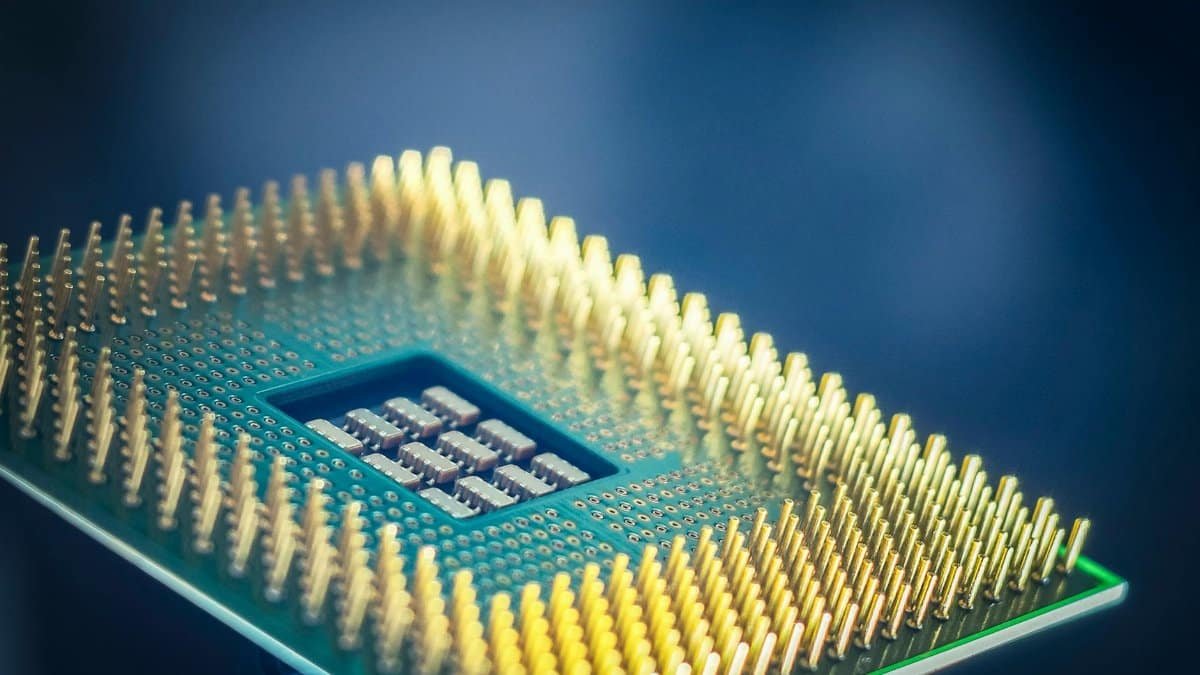
The recent ai computer chip breakthrough centers on a novel approach to hardware design. Instead of relying solely on traditional digital processing the new chips incorporate elements that mimic aspects of biological neural networks. This allows for more efficient handling of the types of calculations common in artificial intelligence tasks. The design reduces the need for constant data movement between memory and processing units a major source of energy waste in conventional systems.
Engineers achieved this by utilizing advanced materials and three dimensional stacking techniques. The result is a processor that performs operations in place with minimal energy loss. Initial tests show promising results with energy savings reaching up to ninety percent in certain scenarios. The physical layout allows heat to dissipate more effectively than in flat traditional designs.
How This Technology Achieves Greater Efficiency

At the core of the advance lies a shift from binary computing to more analog like processes. Traditional chips expend energy flipping bits between zero and one states repeatedly. The new technology optimizes these operations by using physical properties of materials to represent data in continuous forms. This method aligns more closely with the probabilistic nature of many artificial intelligence algorithms.
Furthermore the chip incorporates specialized circuits for common operations such as matrix multiplications which form the backbone of neural network computations. By hardwiring these functions the system avoids the overhead associated with general purpose processing. The cumulative effect produces substantial gains in both speed and energy efficiency. Early prototypes have demonstrated remarkable stability across varied workloads.
Comparing Old and New Approaches to Computing

Conventional computer chips have followed a path of miniaturization for decades following the famous observation by Gordon Moore about transistor counts doubling regularly. While that trend has yielded impressive gains it has also encountered physical limits. Heat dissipation and quantum effects complicate further shrinkage. The new design breaks from this mold by focusing on architecture rather than mere size reduction.
Where older systems separate memory and computation the innovative chips integrate these functions. This reduces latency and energy use associated with data transfer. Early comparisons suggest the new chips outperform their predecessors in artificial intelligence specific tasks even if they may not suit all general computing needs. The contrast becomes particularly evident during extended training sessions that once required massive cooling systems.
Reactions from Industry Leaders

Technology companies have expressed keen interest in the development. Executives at major firms involved in artificial intelligence research have praised the potential for scaling operations without corresponding increases in power bills. Several leaders described it as a development with far reaching consequences for the entire sector though specific commitments to adoption remain under discussion.
Academic experts echo this sentiment. A paper published in the journal Nature provides a detailed account of the technical achievements. Readers can find the full article at https://www.nature.com/articles/d41586-026-01050-5. Researchers not involved in the project have called for further independent verification but acknowledge the significance of the results. Their measured enthusiasm reflects the cautious optimism typical of rapid technological shifts.
Potential Applications Beyond Artificial Intelligence

Building on the ai computer chip breakthrough researchers see possibilities in other domains. Scientific simulations in physics and climate modeling stand to benefit from the enhanced efficiency. Medical imaging and diagnostic tools might also leverage the chips for faster more energy efficient analysis. These applications could accelerate discoveries in fields that have long been constrained by computational costs.
In consumer electronics the advance could lead to smarter devices that operate longer on battery power. This opens possibilities for improved portable artificial intelligence applications without frequent recharging. Agricultural monitoring systems and environmental sensors could likewise gain from the reduced power requirements allowing deployment in remote locations previously considered impractical.
Obstacles on the Path to Widespread Adoption

This ai computer chip breakthrough faces several challenges that must be addressed before the chips see mass production. Manufacturing processes for the new materials require refinement to achieve consistent quality at scale. Compatibility with existing software ecosystems presents another hurdle as significant reprogramming may be necessary to fully utilize the hardware advantages.
Cost factors will also play a role. Initial production runs are likely to be expensive until economies of scale take effect. Regulatory considerations around energy claims and environmental impact statements could delay deployment in some regions. Teams are actively working on solutions but acknowledge that full integration may take several years of concerted effort.
The Human Element in Technological Advancement

Beyond the technical specifications this development invites reflection on the human drive to innovate. The creative spirit that fuels such discoveries speaks to deeper aspects of human nature. In an age where technology often seems to dominate discussions about progress it is worth considering how these tools reflect our quest for understanding and improvement. Some view technological breakthroughs as extensions of human consciousness exploring new frontiers in collective intelligence.
This perspective aligns with trends exploring the intersection of technology and spiritual growth. As artificial intelligence becomes more capable questions arise about the unique contributions of human insight and intuition. The ability to create more efficient systems may ultimately free up human attention for pursuits that nourish the spirit including creative endeavors and community connections that define meaningful lives.
Environmental Benefits and Sustainability

The most immediate benefit of the new chips lies in their potential to reduce the carbon footprint of computing. With data centers accounting for growing shares of greenhouse gas emissions any efficiency gain translates to meaningful environmental relief. Projections suggest that widespread adoption could offset the need for additional power plants in the coming years.
However the full life cycle impact including manufacturing and disposal must be considered. Sustainable practices in sourcing materials will be essential to ensure the net benefit remains positive. Advocates emphasize that true progress requires viewing these chips as one piece in a larger commitment to responsible technological development that respects planetary boundaries.
Looking Ahead to the Next Era of Computing

The ai computer chip breakthrough represents more than an incremental improvement. It signals a potential shift in how society approaches the relationship between computation and energy. As researchers build upon this foundation the coming years may witness a new generation of devices that integrate artificial intelligence seamlessly into daily life with minimal resource demands.
Continued investment in such research will be crucial. Collaboration between academia industry and government could accelerate the transition to these more efficient systems. The ultimate success will depend on balancing technical excellence with thoughtful consideration of broader impacts. If realized this advance could help ensure that technological progress enhances rather than diminishes our collective quality of life.