

Imagine the quiet frustration of scrolling through flight options for your long-awaited family reunion, only to watch prices climb inexplicably higher with each refresh. This is the new reality for millions of Americans as us airlines raise fares amid projections of surging fuel costs in 2026. Major carriers like Delta, United, and American have begun implementing subtle increases, often bundled with reduced baggage allowances, passing on anticipated expenses from geopolitical tensions and supply chain strains. Analysts predict fuel prices could rise 9 to 13 percent, forcing airlines to recalibrate pricing strategies that travelers will feel at checkout. What started as whispers in industry reports is now reshaping summer travel plans.
Fuel Projections Spark Industry-Wide Alarm

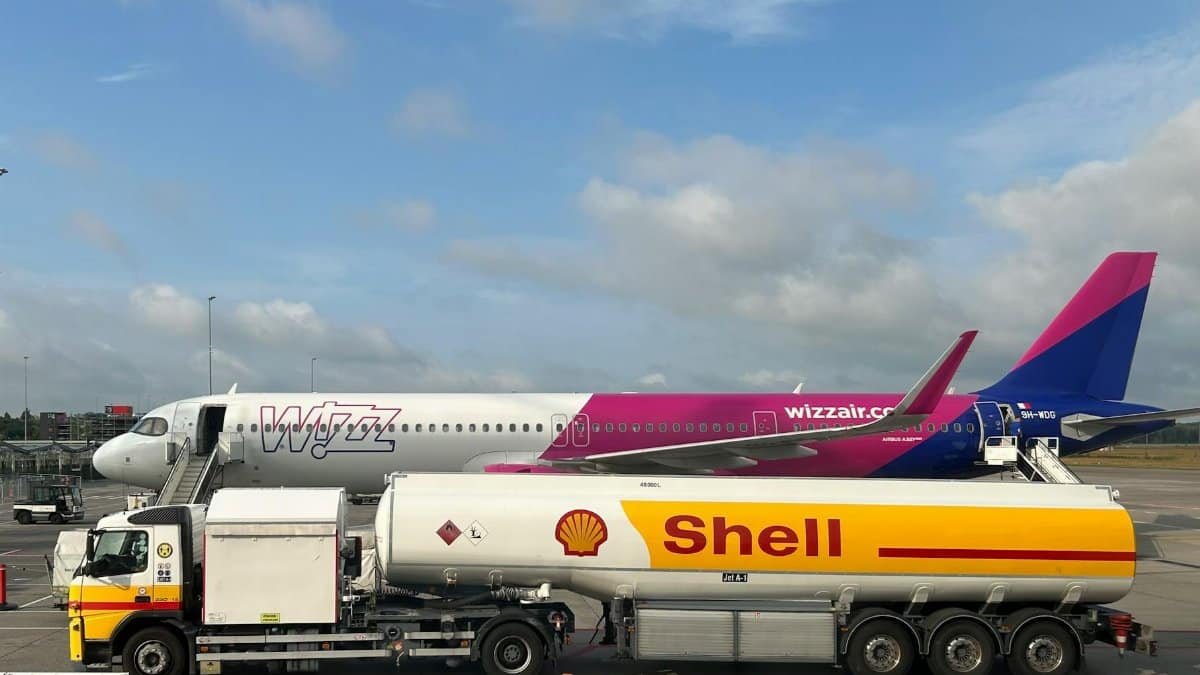
The catalyst for these changes lies in forecasts from energy experts. Jet fuel, which accounts for roughly 30 percent of airline operating costs, faces upward pressure from Middle East instability and rebounding global demand post-pandemic. A recent report from the International Air Transport Association warns of a 12 percent spike by 2026, prompting preemptive measures. U.S. airlines raise fares not just reactively but strategically, layering increments across routes to offset what could total billions in added expenses. For passengers, this means economy tickets from New York to Los Angeles might soon exceed $400 round-trip, up from current averages.
Stealth Fare Hikes Evade Public Scrutiny
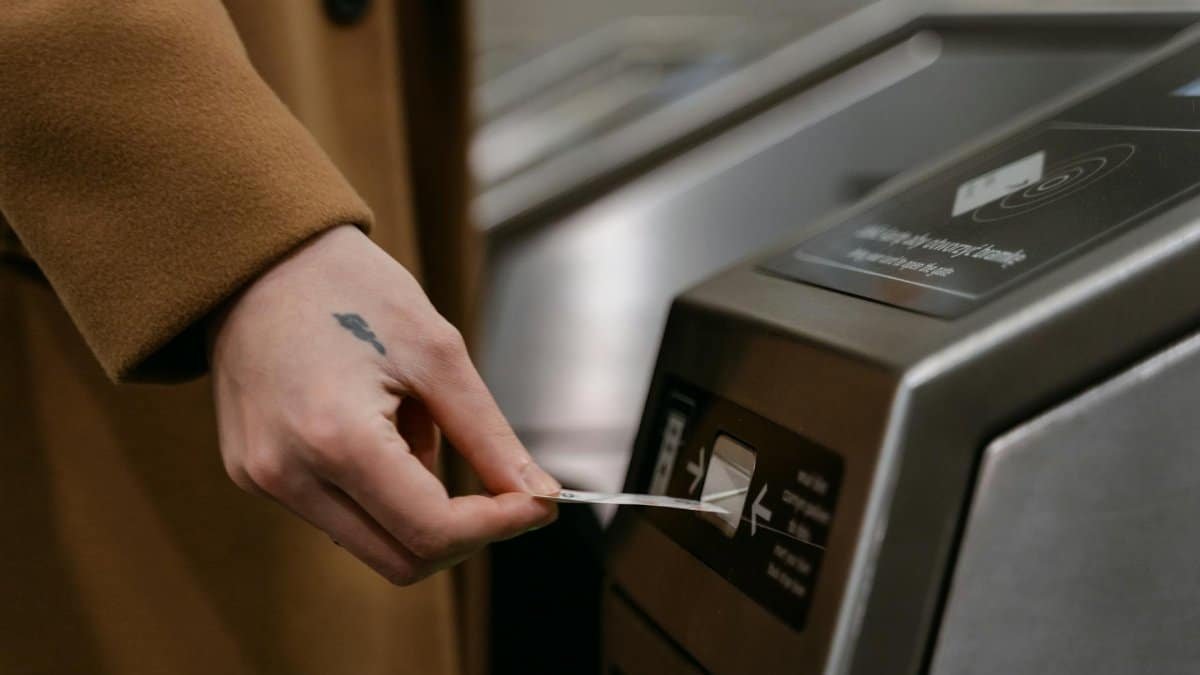
Unlike flashy announcements, these adjustments unfold gradually through dynamic pricing algorithms. Fares tick up 5 to 15 percent on popular routes, disguised amid seasonal demand. Data from fare trackers like Hopper shows midweek flights from Chicago to Dallas rising 8 percent in recent months. Airlines cite “market conditions,” but insiders point to fuel hedging failures. This opacity frustrates budget-conscious travelers who compare prices daily, unaware that base rates have shifted. Us airlines raise fares in this manner to minimize backlash, preserving brand loyalty while bolstering margins.
Baggage Perks Slashed to Balance Books
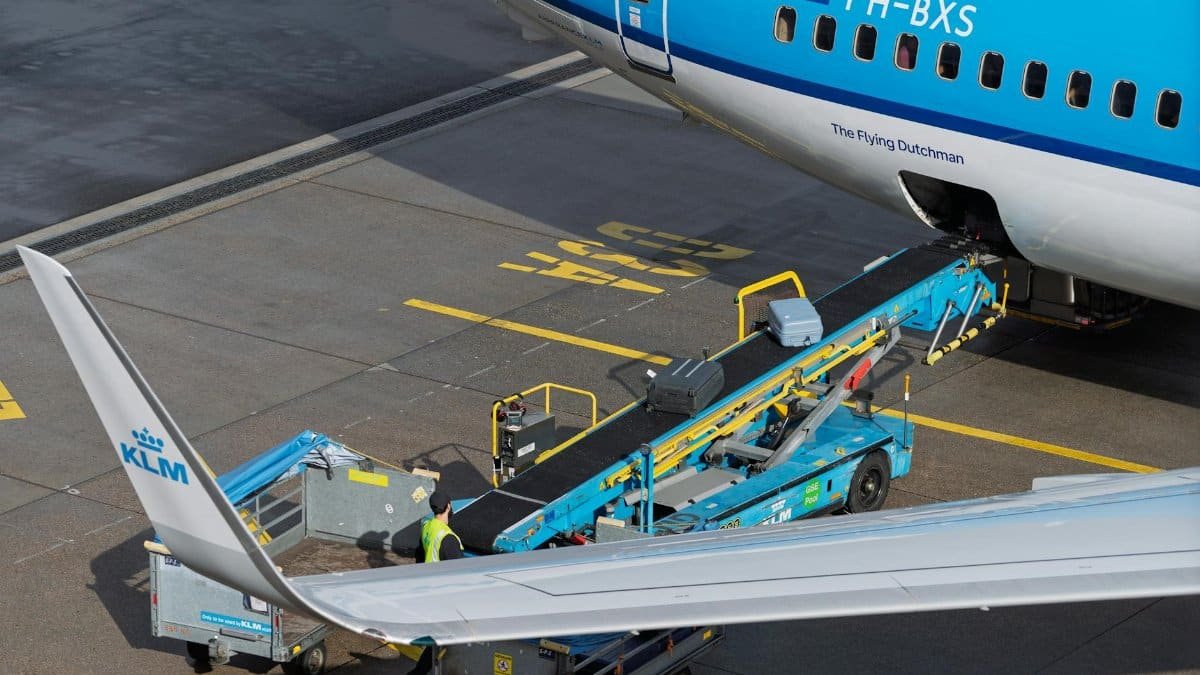
Compounding fare increases, carriers are curtailing once-generous baggage policies. Free carry-ons vanish for basic economy fares, while checked bag fees climb to $40 or more for the first piece. Southwest, long a holdout, now charges for early bookings exceeding limits. This shift targets ancillary revenue, projected to hit $30 billion industry-wide next year. Travelers hauling family gear for vacations face sticker shock at gates, turning routine trips into logistical puzzles. The strategy underscores how us airlines raise fares indirectly, squeezing profits from every suitcase.
Passenger Pushback Fuels Travel Rage
Social media erupts with stories of canceled perks and inflated quotes, coining “travel rage” as a rallying cry. Forums like Reddit’s r/travel brim with rants about a family’s $200 baggage surprise en route to Disney. Surveys from J.D. Power reveal satisfaction scores dipping to six-year lows. Yet airlines defend the moves as essential for reliability, promising fewer delays. This tension highlights a broader rift: passengers view air travel as a right, while executives frame it as a business. As us airlines raise fares, expect more boycotts and viral memes amplifying discontent.
Historical Echoes of Past Fuel Crises

This is not uncharted territory. In 2008, oil prices doubled, triggering 20 percent fare surges and capacity cuts. Today’s preemptive us airlines raise fares mirrors that era, but with sophisticated tools like AI-driven revenue management. A study by the U.S. Government Accountability Office notes airlines recouped costs swiftly then, emerging leaner. Current hedging covers only 40 percent of 2026 needs, per Bloomberg data ([link](https://www.bloomberg.com/news/articles/2024-03-15/airline-fuel-hedging-drops-as-costs-surge)), leaving exposure. Lessons from history suggest passengers adapt, but not without pain.
Regional Carriers Feel the Squeeze Differently

While majors dominate headlines, smaller operators like Allegiant and Frontier amplify changes with even steeper hikes. Serving Sun Belt routes, they face volatile fuel imports, prompting 18 percent base increases on Florida flights. Ultra-low-cost models crumble under pressure, leading to route abandonments. The ripple effect hits leisure travelers most, who prized $50 one-ways. Us airlines raise fares unevenly here, widening gaps between premium and discount options. Regional airports, dependent on these feeders, brace for traffic drops.
Regulatory Watchdogs Step In

The Department of Transportation monitors for collusion, scrutinizing fare patterns post-2023 Southwest meltdown. No formal probes yet, but lawmakers like Senator Maria Cantwell decry “nickel-and-diming.” Proposed bills aim to cap fees, though airlines lobby fiercely. Internationally, Europe’s cap on bags fees offers a contrast. Domestically, us airlines raise fares within legal bounds, leveraging deregulation since 1978. Travelers might seek recourse via class actions, but outcomes remain slim.
Corporate Travelers Hit Less Directly

Business class escapes the brunt, with flexible fares absorbing hikes via employer reimbursements. Demand for premium seats surges 7 percent, per Cirium analytics, subsidizing economy cuts. Yet even executives grumble at lounge access fees. This bifurcation deepens inequality in skies once egalitarian. As us airlines raise fares, corporations negotiate bulk deals, leaving leisure flyers to shoulder more.
Alternatives Emerge for Savvy Shoppers
Discount brokers and apps like Google Flights expose real-time hikes, empowering comparisons. Trains via Amtrak gain traction for East Coast hops, with fares holding steady. Road trips resurgence, bolstered by EV incentives, diverts families from airports. Loyalty programs reward early birds, mitigating shocks. Travelers hedging against us airlines raise fares turn to bundles including hotels, diluting air costs.
Environmental Angles Complicate the Picture

Fuel woes intersect with sustainability mandates. Airlines invest in efficient fleets, yet short-term hikes fund transitions. Sustainable aviation fuel, 3x costlier, adds pressure. Critics argue fare bumps hasten green shifts; proponents see profiteering. A McKinsey report projects net-zero by 2050 requires 20 percent higher tickets ([link](https://www.mckinsey.com/industries/travel-logistics-and-infrastructure/our-insights/the-road-to-sustainable-aviation)), framing current pain as investment.
Global Ripple Effects on U.S. Routes

Transatlantic fares climb as European carriers mirror U.S. trends, squeezing connecting flights. Asia-Pacific demand rebounds, straining Pacific routes. Supply chain snarls delay new planes, curbing capacity. Us airlines raise fares globally, but domestic leisure bears the load. International tourists, vital to hubs like Miami, face deterrence.
Outlook: Adaptation or Rebellion?

By 2026, stabilized oil might ease pressures, but entrenched habits linger. Airlines forecast 4 percent annual growth, banking on resilient demand. Passengers, battle-hardened, may fly less or smarter. This saga tests resilience in an industry forever tethered to fuel’s whims. Whether it sparks lasting reform or resigned acceptance remains the open question.