
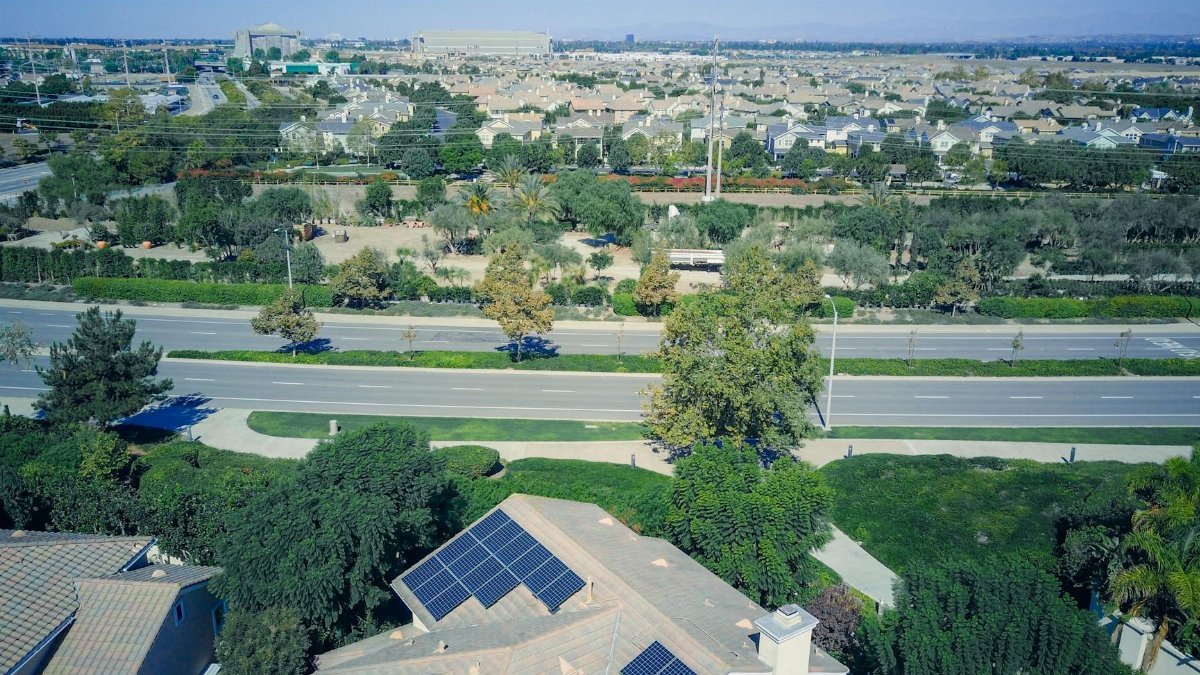
In the quiet suburbs of Maplewood, New Jersey, rows of solar panels glisten under the morning sun like a vast metallic quilt draped over a former cornfield. Neighbors from nearby cul de sacs, including renters who never dreamed of going green, check their apps to see how much clean energy they have earned that day. This is the world of solar gardens, where communities pool resources to tap into renewable power without altering a single rooftop. As electricity bills climb and climate concerns mount, these shared solar arrays are sprouting across the American heartland, offering a practical path to sustainability for those locked out of traditional solar adoption.
What Exactly Are Solar Gardens?
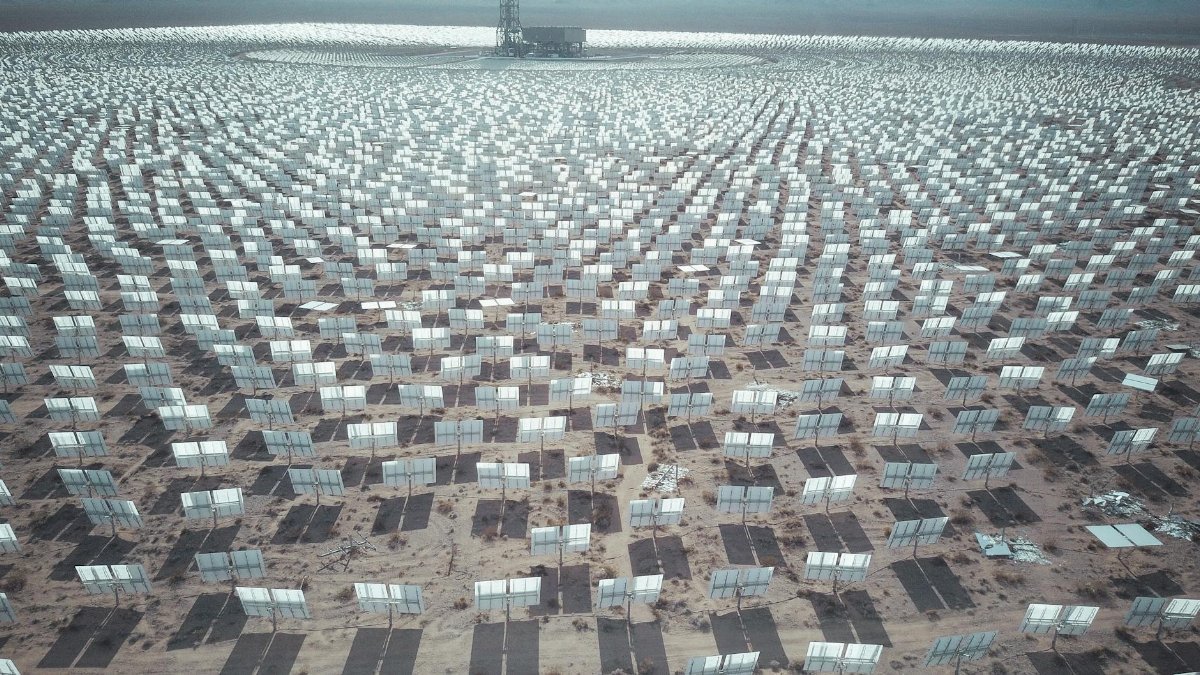
Solar gardens, also known as community solar farms, consist of large ground mounted photovoltaic arrays located on unused land, often near residential areas. Subscribers from a defined region sign up to claim a portion of the output, receiving credits on their utility bills proportional to their share. Unlike residential solar, which requires owning a suitable roof, these projects democratize access. Developed by utilities, nonprofits or private firms, they typically range from one to five megawatts, enough to power thousands of homes. The model took root in the early 2010s, spurred by state policies in places like Minnesota and New York, and now operates in over 20 states.
Why Suburbs Are Prime Ground for Growth

Suburban neighborhoods, with their sprawling lawns and steady energy demands from air conditioners and electric vehicles, present ideal conditions. Land abundant but often underutilized farms or brownfields become perfect sites, minimizing disruption to daily life. In Colorado’s Boulder County, for instance, a 4.5 megawatt solar garden serves 900 subscribers, many from apartment complexes. Homeowners associations have embraced the concept, voting to enroll entire blocks. This fits the suburban ethos of collective action, much like neighborhood watches or shared playgrounds, but with dividends in the form of lower bills.
Unlocking Solar for Renters and Low Income Families
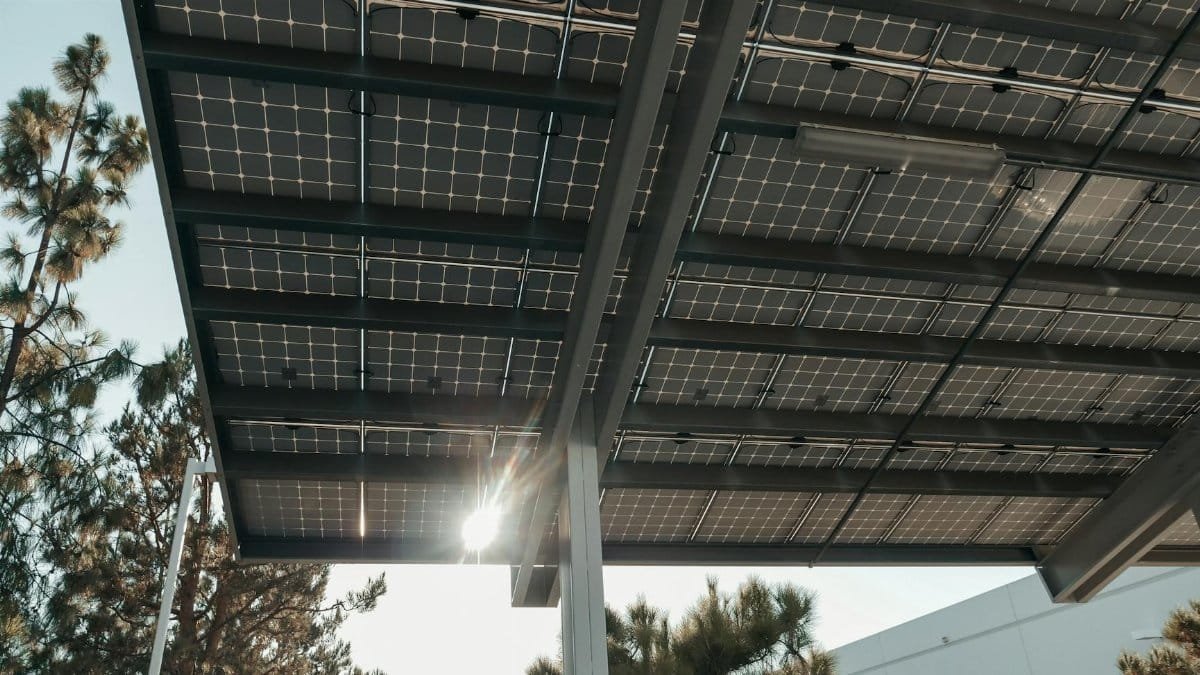
One of the biggest draws lies in inclusivity. Renters, who make up nearly 35 percent of suburban households according to U.S. Census data, gain entry without landlord approval or upfront costs. Programs often reserve slots for income qualified participants, subsidized by tax credits. In Massachusetts, the SMART program has funneled millions into such gardens, ensuring 20 percent of shares go to underserved groups. A family in a garden apartment might save 10 percent on power annually, credits appearing seamlessly on monthly statements. This levels the playing field, turning solar from an elite perk into a community staple.
Economic ripple Effects in Local Economies

Beyond individual savings, solar gardens inject vitality into suburbs. Construction phases create jobs in installation and maintenance, often prioritizing local hires. A study by the National Renewable Energy Laboratory found that community solar projects generate $1.70 in economic benefits per dollar invested, including property tax revenue for schools and roads. (See the full report at nrel.gov.) In Illinois, gardens have preserved farmland by leasing rather than selling, supporting agritourism ventures like pumpkin patches adjacent to panels. Utilities benefit too, hedging against volatile fossil fuel prices.
Environmental Gains Without the Footprint

These installations pack a punch on emissions. A typical one megawatt garden offsets the annual carbon output of 700 cars, per Environmental Protection Agency estimates. Pollinator friendly designs, with native grasses beneath panels, boost biodiversity. In contrast to sprawling utility scale farms, solar gardens cluster near demand, cutting transmission losses by up to 10 percent. Suburbanites appreciate the visible progress rows of panels signal commitment without the industrial scale of desert arrays. Over 20 years, they prevent millions of tons of CO2, aligning with broader goals like the Paris Agreement.
Navigating the Regulatory Landscape

Success hinges on policy. States with virtual net metering allow credits to flow to non onsite users, a key enabler. New York’s 2011 law jumpstarted the sector, now boasting over 300 megawatts online. Federal incentives via the Inflation Reduction Act extend 30 percent tax credits through 2032, spurring investment. Yet hurdles remain tariffs on panels and grid upgrades. Local zoning battles occasionally flare, though education campaigns highlight minimal shadows or glare. Forward thinking municipalities fast track permits, viewing gardens as assets.
Real World Stories from the Front Lines

Consider the Prairie Ronde Solar Garden in Michigan’s Kalamazoo County. Launched in 2022, it serves 400 subscribers, including a retired teacher who cut her bill by 15 percent. “It’s like having a stake in the sun,” she shared in a local profile. Further west, Minnesota’s 100 plus gardens power 2 percent of the state’s electricity, with Xcel Energy reporting 98 percent subscriber satisfaction. These tales underscore human elements participant pride, block parties at dedication ceremonies, even school field trips to learn about photovoltaics.