
In the cavernous halls of Dallas-Fort Worth International Airport, a middle-aged couple from Ohio stood frozen at the American Airlines check-in counter, their suitcases teetering on the scale. The agent delivered the news with practiced neutrality: $40 for the first bag, $50 for the second. What had once been a routine leg of a long-awaited family reunion now carried an unexpected $90 sting, layered atop already inflated ticket prices. This scene, playing out across terminals nationwide, underscores American Airlines’ latest adjustment to its checked baggage policy—a quiet hike in fees that has reignited debates over the true cost of flying in America. As carriers squeeze revenue from every angle, these changes reveal deeper tensions in an industry where passengers increasingly feel nickel-and-dimed.
The Evolution of Airline Baggage Charges
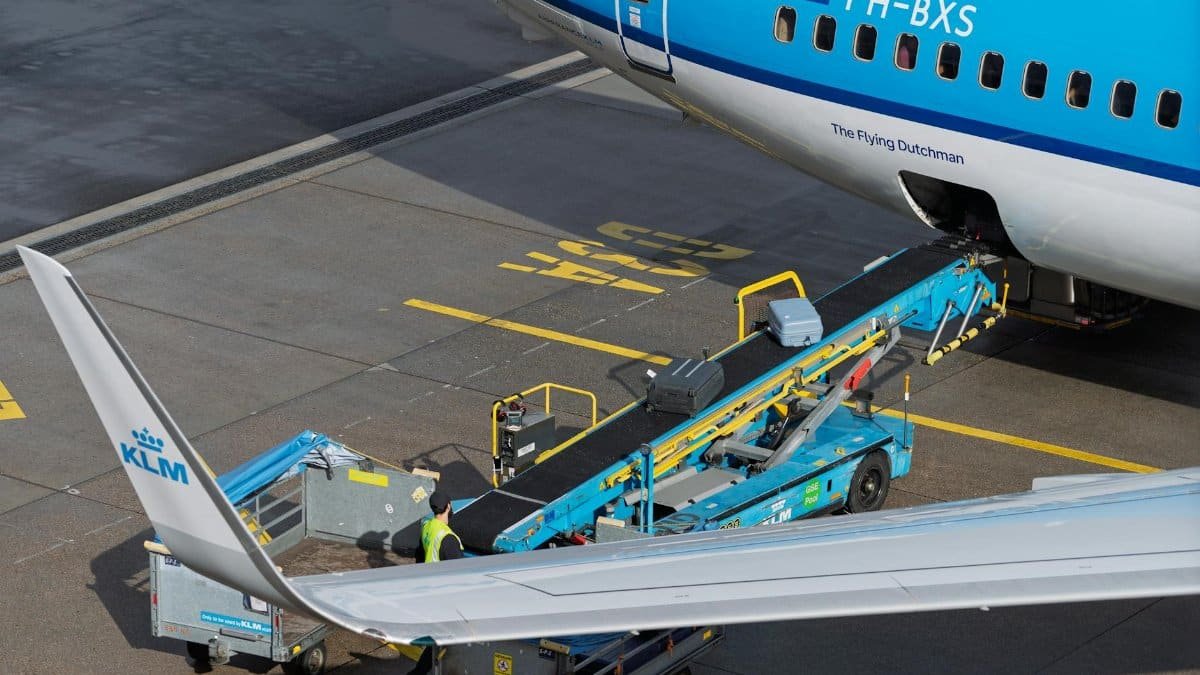
American Airlines pioneered the unbundling of baggage fees more than a decade ago, a move that reshaped the economics of air travel. Back in 2008, the carrier became the first major U.S. airline to charge for the first checked bag, setting off a domino effect across the industry. Fast forward to this month, and the airline has nudged those fees upward again: $40 for the initial bag on domestic flights, up from $35, and $50 for the second, previously $45. These increments, detailed in a policy update on the airline’s website, apply to most tickets purchased after October 28. While modest on paper, they compound over millions of passengers, bolstering American’s bottom line amid rising fuel costs and labor expenses.
Why Now? Fuel Costs and Profit Pressures
Airlines do not alter fees lightly. American Airlines cited operational realities in its announcement, pointing to jet fuel prices that, despite recent dips, remain volatile. The carrier’s parent company, American Airlines Group, reported a third-quarter profit of $851 million this year, yet executives emphasized the need for ancillary revenue to offset thin margins on basic fares. Baggage fees now generate billions industry-wide annually; for American alone, they contributed over $2 billion in 2023, according to its financial filings. Critics argue this reflects a post-pandemic strategy to prioritize shareholder returns over passenger goodwill, especially as leisure travel surges.
Comparing Fees Across the Skies

American Airlines is not flying solo in this fee escalation. Delta Air Lines matches the new $40 first-bag charge, while United Airlines holds at $40 but tacks on $45 for the second—still a notch below American’s updated $50. Southwest Airlines remains the outlier, offering two free checked bags to lure budget-conscious families. Low-cost carriers like Spirit and Frontier charge even steeper rates, often $35 to $50 per bag from the outset. This patchwork creates a confusing landscape for travelers, who must now scrutinize airline policies as meticulously as destinations. Data from the U.S. Department of Transportation shows baggage fees across all carriers totaled $7.6 billion in 2023, a figure that continues to climb.
The Human Toll on Families and Frequent Flyers

For a family of four embarking on a cross-country holiday, the math hits hard. Two adults, two kids, each with a suitcase: that’s potentially $180 in fees round-trip, rivaling the cost of a budget flight a decade ago. Business travelers, often on reimbursable expenses, grumble less, but leisure passengers—middle-class Americans squeezing vacations into packed lives—feel the pinch most acutely. Surveys from The Points Guy, which first reported the changes ( see their coverage ), indicate rising frustration, with 62 percent of respondents vowing to pack lighter or switch carriers.
Strategies to Dodge the Fees
Savvy travelers have adapted. Elite status in American’s AAdvantage program waives fees for millions of members, while co-branded credit cards like the Citi AAdvantage Platinum Select offer one free checked bag per reservation. Booking directly through the airline app can unlock waivers for certain fare classes, and packing into carry-ons—now strictly enforced at 22 by 14 by 9 inches—has become an art form. Some opt for shipping luggage via services like Luggage Forward, which, at $50 to $100 per bag, can undercut airline fees for longer trips. These workarounds demand planning, a far cry from the carefree check-ins of yesteryear.
Passenger Backlash and Social Media Storm

The announcement barely rippled through official channels before exploding on platforms like X and Reddit. Hashtags like #BaggageFeeBlues trended briefly, with users sharing tales of overstuffed totes confiscated at gates. One viral post from a Texas mother detailed her $200 surprise at Phoenix Sky Harbor, prompting thousands of sympathetic replies. American Airlines responded via customer service channels, framing the hike as “necessary for sustainability,” but forums buzz with boycott calls. This digital rage mirrors broader discontent with opaque pricing, echoing fights over seat selection and Wi-Fi charges.
Regulatory Scrutiny on the Horizon

Federal regulators have baggage fees in their sights. The U.S. Department of Transportation, under Secretary Pete Buttigieg, launched a dashboard last year tracking fee complaints, which spiked 20 percent for American Airlines in recent months. A proposed rule could force airlines to