

In the heart of bustling U.S. cities, where skyscrapers dwarf the sky, apartment dwellers are rediscovering nature one tweet at a time. Turning a cramped balcony into a balcony bird haven isn’t just a weekend project—it’s a ticket to daily wildlife shows, stress relief and a slice of biodiversity amid urban grind. With songbirds vanishing from cityscapes due to habitat loss, experts say these mini oases can make a real difference. Here’s how to do it simply and safely, no green thumb required.
Choose Feeders That Fit Tight Spaces

Space is premium on a typical 4-by-6-foot balcony, so skip bulky hanging models. Opt for window-mounted tube feeders or suction-cup designs that cling directly to glass, holding 1-2 pounds of seed without swaying in wind. The National Audubon Society recommends squirrel-proof versions with metal ports to deter furry raiders. Install two: one for sunflower seeds, another for nyjer, attracting finches and chickadees within days. Cost? Under $30 at big-box stores. Pro setup: Mount at eye level for prime viewing from your couch.
Plant a Compact Bird-Friendly Garden

Greenery lures insects and berries, turning your spot into a full-service diner. Fill railing planters with native shrubs like serviceberry or viburnum—dwarf varieties max out at 3 feet. Add perennials such as coneflowers and bee balm for nectar-loving hummingbirds. In zone 7 cities like Chicago, these bloom spring through fall. Skip pesticides; birds shun toxic leaves. A $50 kit from local nurseries yields pollinator magnets. Bonus: Fragrant herbs like fennel double as your dinner ingredient while hosting butterfly caterpillars.
Install a Refreshing Water Feature

Birds need hydration as much as food, especially in heat waves scorching urban heat islands. A shallow ceramic bird bath, 2 inches deep with a rough texture for grip, does the trick. Solar-powered fountains add bubble action to mimic streams, drawing warblers and sparrows. Place it centrally, away from edges to avoid dives into traffic below. Change water daily to prevent mosquito breeding—health departments in Miami and L.A. warn of West Nile risks. Dripping bottles from pet stores offer a low-maintenance drip for $10.
Stock Seeds and Snacks Birds Crave
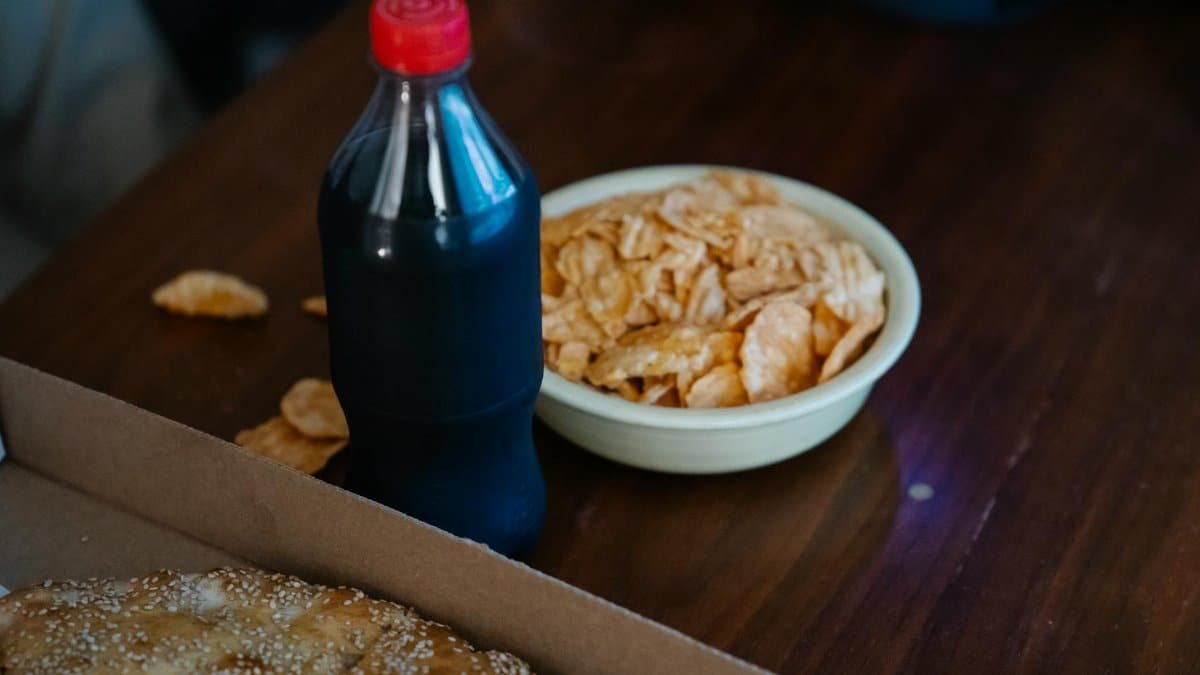
Not all chow is equal. Black-oil sunflower seeds top the list for cardinals and jays, while safflower thwarts squirrels. Suet cakes in cages provide high-fat winter fuel for woodpeckers. Mealworms from online suppliers tempt bluebirds. Rotate offerings seasonally: berries in summer, nuts in fall. Waste not—scatter hulls for ground foragers. A Cornell Lab of Ornithology study shows diverse diets boost bird populations 30% in city pockets. Bulk buy from feed stores for $20 a month.
Build Safe Perches and Nesting Nooks

Birds perch to scout and preen, so add wooden dowels or branch bundles to railings—drill securely, no loose ends. For nesters, hang mesh cocoons or open-front boxes sized for house wrens (4×4 inches). Face away from prevailing winds; south in northern states. Use untreated wood to avoid chemicals. Platforms for mourning doves mimic ground nests. These setups have sparked nesting booms in high-rises, per NYC Audubon reports.
Dodge These Urban Balcony Pitfalls

One wrong move, and your haven becomes a hazard. Cats kill billions of birds yearly—keep indoor predators leashed or use netting. Windows claim 1 billion avian victims annually via collisions; apply feather-friendly decals. Balcony plants like ivy harbor pesticides; rinse thoroughly. Overfeeding leads to rodents—clean daily. In windy spots like San Francisco, secure everything with zip ties. Fire codes in places like Houston ban loose fabrics that could ignite.
Spot These City Slicker Birds
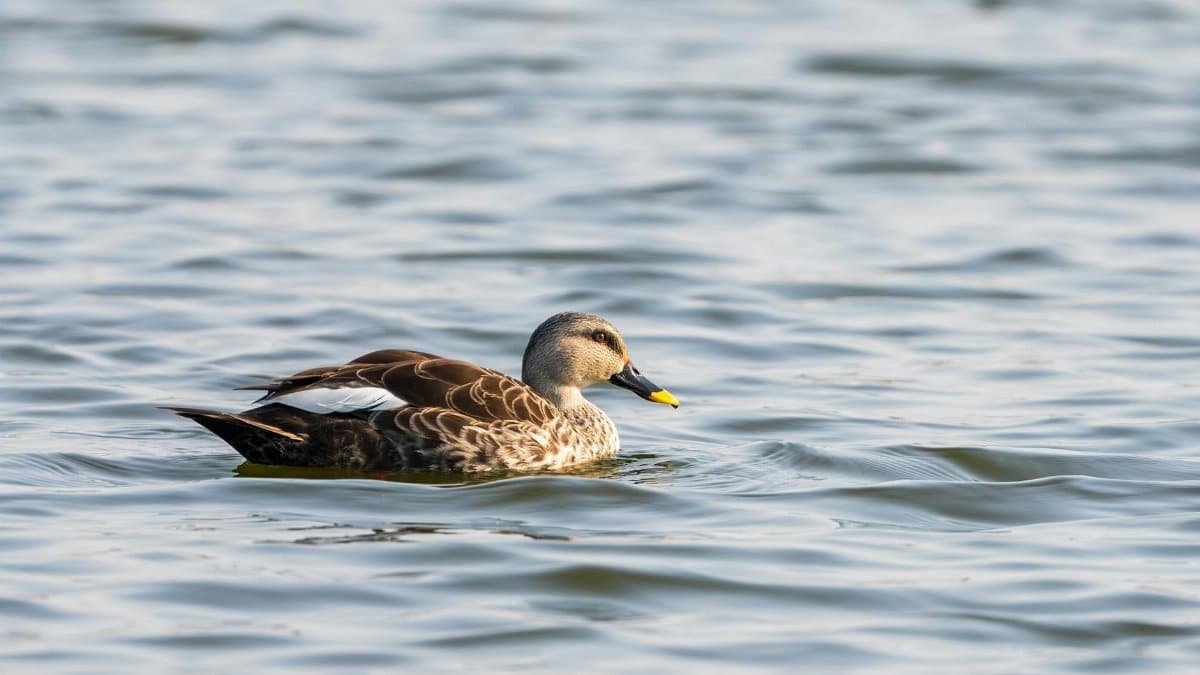
Your efforts pay off fast. Expect house finches with rosy heads, zippy ruby-throated hummingbirds at sugar water, and bold northern cardinals belting tunes at dawn. In the Southwest, verdins flit through; East Coast gets Carolina wrens. eBird apps track 200+ urban species. Log sightings to contribute to citizen science—your balcony bird haven data aids conservation.
Expert Hacks for Year-Round Success

Ornithologist Dr. Laura Johnson of the Smithsonian Migratory Bird Center advises LED motion lights for night viewing without disturbance. Winterize with heated baths ($40) and suet. Spring clean: scrub with vinegar. Track via apps like Merlin for ID. Community tip from Brooklyn balcony brigade Facebook groups: Share seeds to build neighborhood flocks. Mental health perk? A 2023 study in Urban Forestry & Urban Greening linked birdwatching to 20% anxiety drops.
By Chris F. Weber