

In the shadowed hollows of the Appalachian Mountains, where mist clings to rhododendron thickets and the air carries the faint scent of woodsmoke, generations have gathered around hearth fires to shape humble materials into objects of beauty and utility. These traditions, born of necessity in isolated communities, endure as appalachian crafts that whisper stories of resilience and ingenuity. Today, amid our screen-lit lives, these same crafts offer a quiet rebellion, inviting anyone with a weekend to spare to reconnect with hands-on heritage. From corn husks twisted into dolls to oak splits woven into baskets, seven historic practices stand ready for revival at home, no fancy tools required.
The Enduring Legacy of Appalachian Handiwork
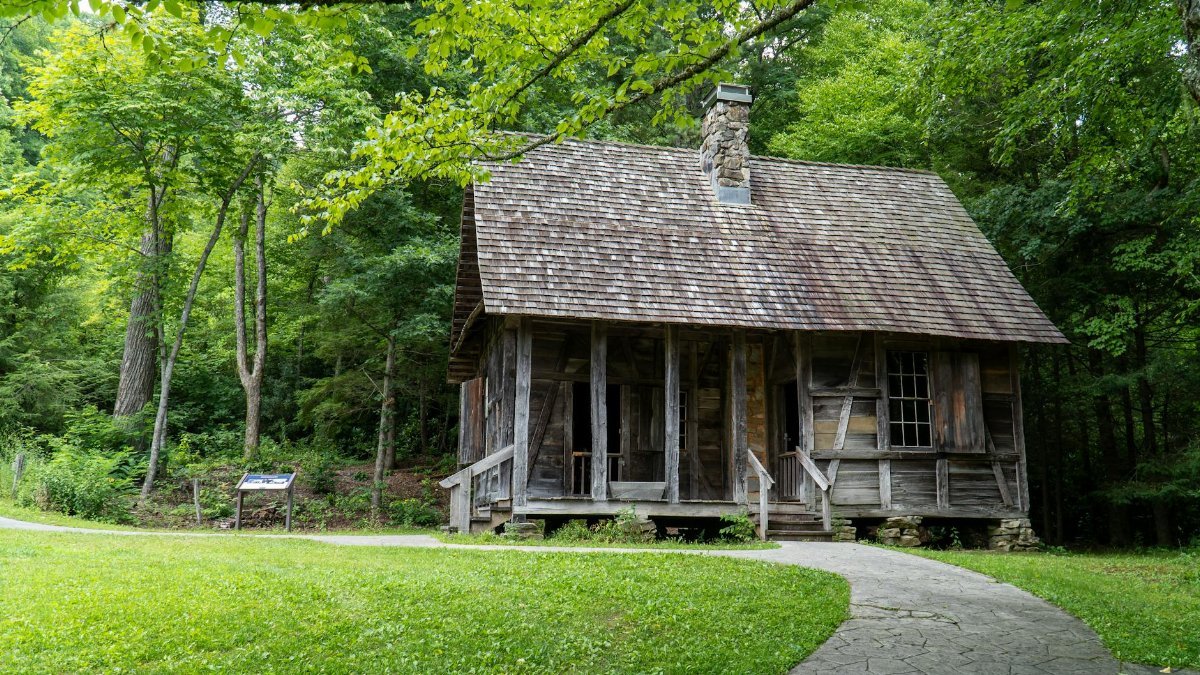
Appalachian crafts emerged from the rugged terrain of what is now West Virginia, Kentucky, Tennessee, and beyond, where European settlers blended skills with Native American techniques and African influences brought by enslaved people. Isolation fostered self-reliance; families crafted everything from bedding to storage from whatever the land provided. Smithsonian archives note that by the 19th century, these items had evolved into folk art, traded at fairs and carried by peddlers. In an era of mass production, reviving them honors that spirit while providing therapeutic rhythm to modern routines. Historians like Loyal Jones in his book Appalachian Heritage describe how such work knit communities, a thread still worth pulling today.
Corn Husk Dolls: Whispers from the Fields

Among the simplest yet most evocative appalachian crafts, corn husk dolls trace to Cherokee and pioneer women who used harvest remnants to fashion playthings for children. No glue or scissors needed; just dried husks, string, and corn silk for hair. Soak husks in water until pliable, then bundle them into a body, folding layers for skirts and arms. Cinch with twine at neck and waist. Faces remain blank, a nod to folklore that spirits inhabit them. Crafters in Berea, Kentucky, still demonstrate this at festivals. At home, harvest your own or buy online; in under an hour, you hold a talisman of agrarian life, perfect for holiday ornaments or storytelling props.
Apple Head Dolls: Wrinkled Portraits of Time

Shriveled yet soulful, apple head dolls capture the gaunt beauty of mountain folk. Popular in the early 20th century, they used windfall fruit carved with knife marks for eyes and mouths. Peel an apple thinly, soak in saltwater or lemon juice to prevent rot, then mount on a corn cob or dowel body clad in scraps of cloth. As it dries over days, the face contracts into eerie wisdom. Appalachian women sold them to tourists, preserving family likenesses. Today, source organic apples and pipe cleaners for limbs; the process teaches patience, yielding heirlooms that age gracefully alongside the maker.
Log Cabin Quilting: Piecing Together Stories
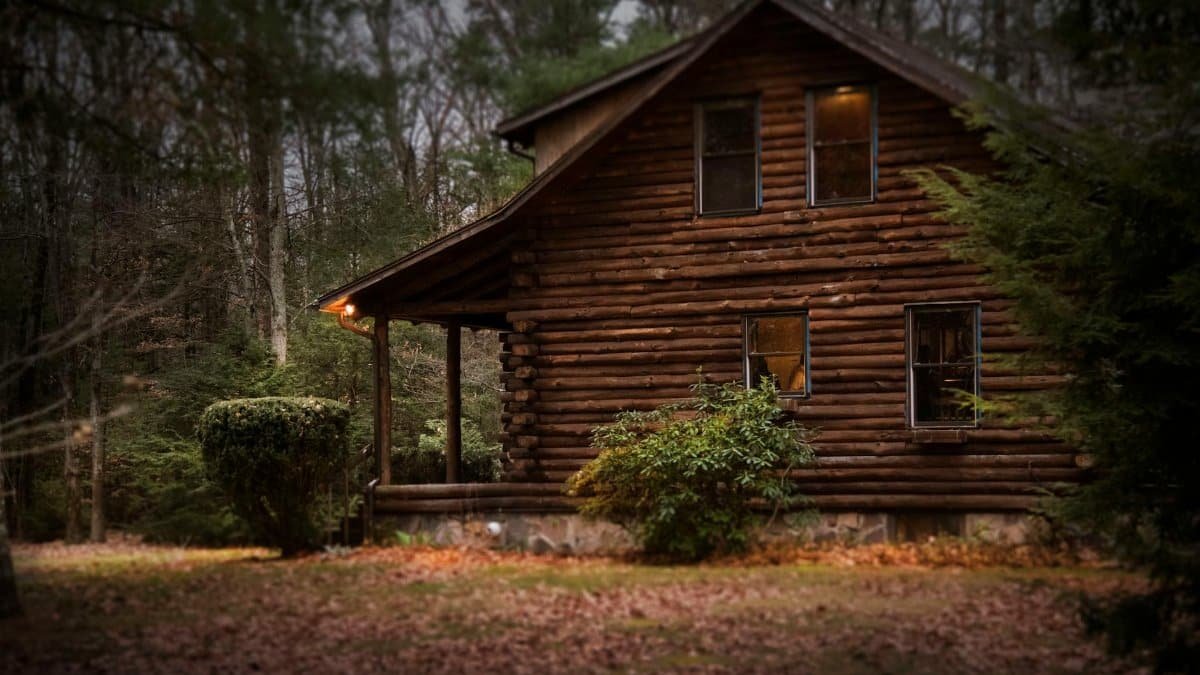
Quilting blocks like the Log Cabin pattern symbolize hearth and home, central to appalachian crafts since the 1800s. Strips of fabric in reds for the chimney and blues for sky radiate around a central square, evoking a cabin viewed from above. No sewing machine required; hand-stitch 1.5-inch strips onto muslin foundations using a needle and thread. Salvage old clothes or shirts for authenticity. Women in Smoky Mountain settlements quilted in bees, gossiping over frames. Modern tutorials abound on YouTube, but the joy lies in improvisation. A lap quilt takes weekends, warming both body and memory.
Split Oak Baskets: Weaving the Forest’s Grain
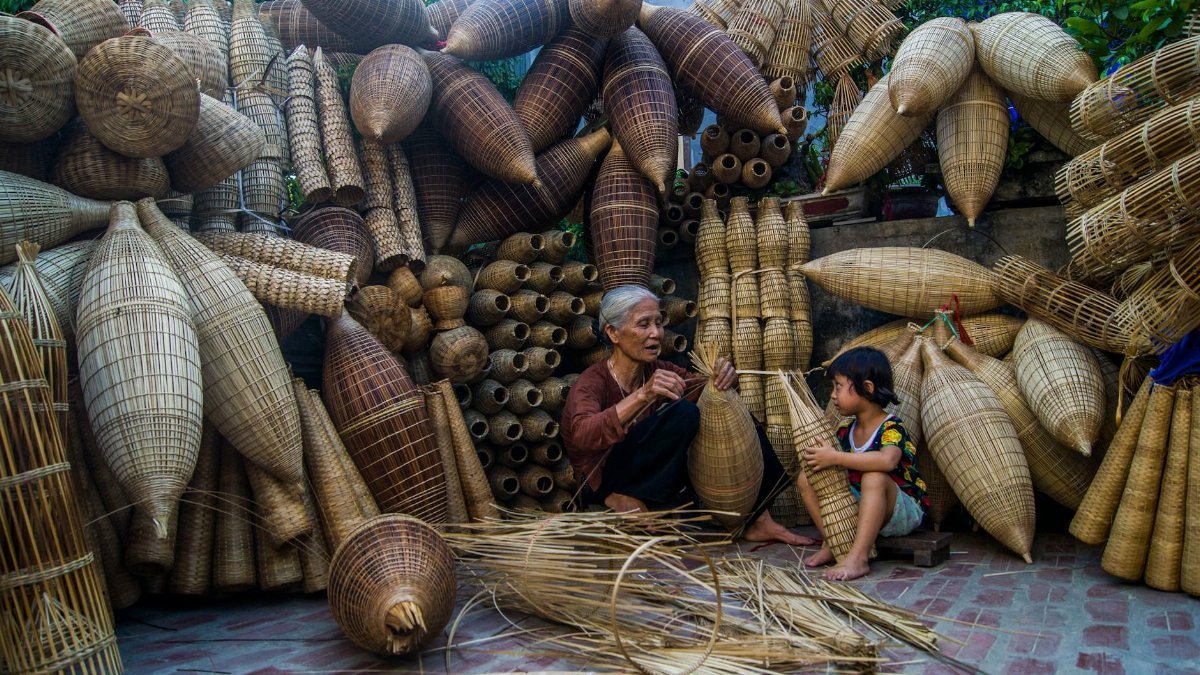
Basketry from white oak splits ranks high among utilitarian appalachian crafts, vital for gathering eggs or laundry in one-room cabins. Harvest young oak saplings in spring, pound to split into splints, then shave smooth. Start with a woven base, ribbing up sides in twill patterns. Artisans like those at the John C. Campbell Folk School in Brasstown, North Carolina, pass down ribless or handle techniques. Home versions use reed kits from craft stores if foraging intimidates. The rhythmic weave builds sturdy carriers, echoing the landscape’s curves and fostering a deep attunement to natural fibers.
Whittled Spoons: Carving Daily Rituals
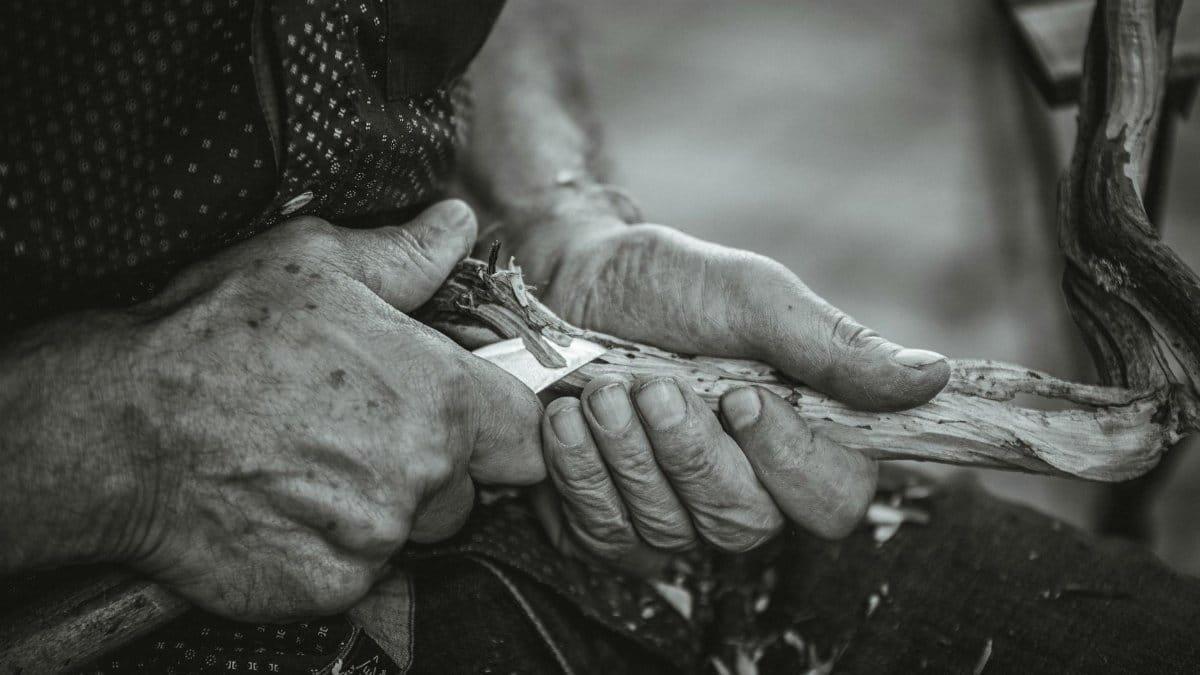
A pocketknife and green wood suffice for whittling spoons, a craft perfected by Appalachian men during winter idleness. Select crooked-grain cherry or walnut branches for strength. Rough out the bowl with gouges if available, or axe; refine with pulls toward the handle. Icons like the Foxfire books document these heirlooms, used for everything from stirring gravy to doling molasses. Practice on softwood first to master curves without cracks. Finished spoons, oiled with beeswax, develop patina over years, turning meals into tactile ceremonies and reminding us of pre-plastic abundance.
Rush-Seated Chairs: Reviving Rockers

Seating furniture endured through rush weaving, where chair frames met wetland fibers in appalachian crafts workshops. Fresh bulrush or paper rush, harvested midsummer, splits into weavers for under-and-over patterns. Soak overnight, then lace through mortised seats, tensioning with a mallet. Settlers in hollows repaired rockers this way, humming hymns. Buy pre-woven kits or natural rush online; a standard chair seat weaves in an afternoon. The result sways with history, ideal for porches where tales unfold, blending functionality with the subtle poetry of growth rings.
Hooked Rugs: Punching Patterns from Rags

The final gem, hooked rugs transform feed sacks and wool scraps into floor art, a winter craft for Appalachian women facing cabin fever. Burlap backing gets punched with a hook tool, pulling loops in mountain motifs like double roses or trees of life. Design freehand or trace stencils; clip loops for texture. Collections at the Museum of Appalachia showcase these vibrant survivors. Starter kits include latch hooks and pre-printed canvases, making it accessible. Pound out frustrations into durable mats that insulate floors and souls, a bold splash of folk geometry.
Why These Crafts Matter Now

In a world of disposable goods and digital distractions, appalachian crafts reclaim time and tangibility. Studies from the Journal of Occupational Science highlight handcrafts’ role in reducing anxiety, much like the mindfulness mountain folk practiced instinctively. Community classes via parks services or online platforms like Skillshare democratize access. Beyond nostalgia, they promote sustainability; using castoffs cuts waste. Families bonding over husks or whittling mirrors old quilting bees, forging resilience against fleeting trends.
Gathering Materials Without the Hike
Forage responsibly or shop thrift stores and suppliers like Etsy for husks, oaks, or hooks. Basic toolkits cost under $50. Libraries stock Foxfire series for authentic steps. Safety first: sharp blades demand focus, gloves aid beginners. Experiment; perfection eludes even masters.
Preserving the Flame

Organizations like the Southern Highland Craft Guild sustain these traditions through markets and apprenticeships. Your homemade doll or basket joins a continuum, from pioneer hands to yours. In learning appalachian crafts, we don’t just make objects; we weave ourselves into the mountain tapestry, finding clarity in the curve of a spoon or the twist of a husk.