
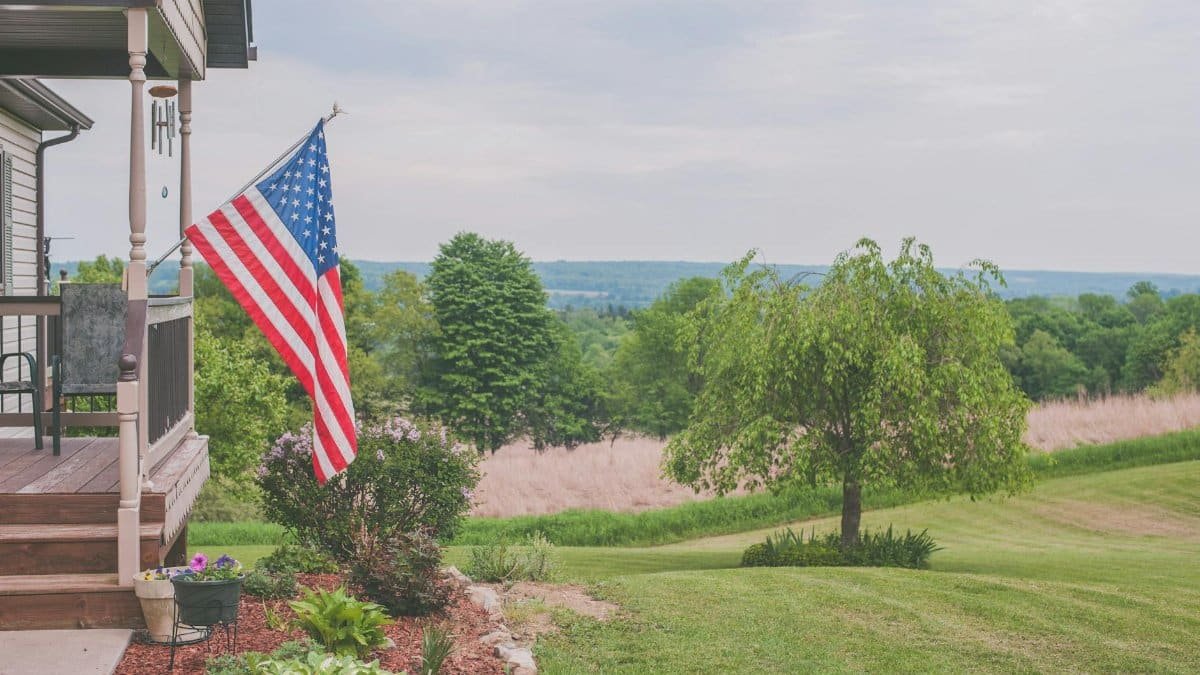
In the fading light of a midsummer evening in small-town Ohio, neighbors gather on sagging wooden steps, rocking chairs creaking under their weight as stories unfold like well-worn quilts. These scenes, etched into the American imagination, trace back centuries and reveal much about how we once lived. Front porch history offers a window into the nations social architecture, where homes turned outward to embrace the street rather than retreat behind closed doors. From colonial verandas to the grand verandas of the Gilded Age, the porch served as more than shelter; it was a stage for daily life, politics, and community bonds that shaped the countrys identity.
Roots in Colonial Practicality

The story begins in the 17th century, when European settlers adapted European stoops to the harsh New World climate. In Virginia and the Carolinas, raised platforms provided relief from summer heat and muddy paths after rain. Historians note that these early structures, often simple overhangs on post-and-beam houses, drew from Caribbean influences via trade routes. A 2018 study by the National Trust for Historic Preservation highlights how porches in Jamestown replicas averaged just six feet deep, prioritizing airflow over luxury (ntps.org/colonial-porches). They were functional spaces for spinning yarn or watching children play, embodying a pioneers unadorned resilience.
Victorian Flourish and Expansion
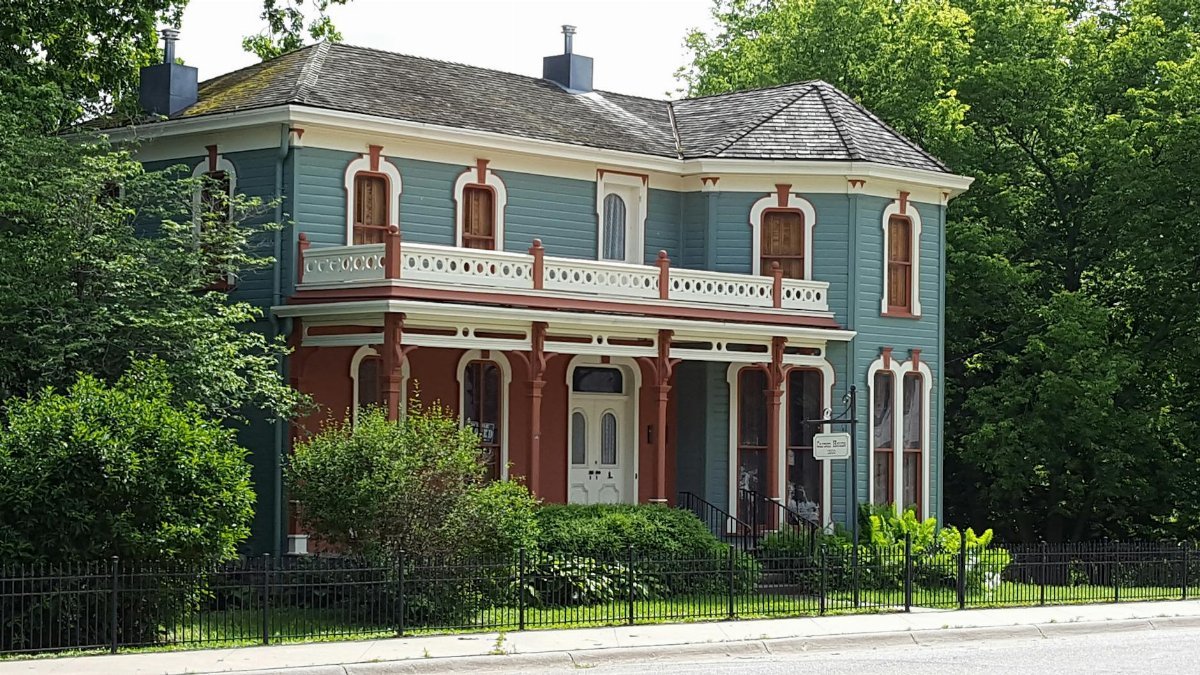
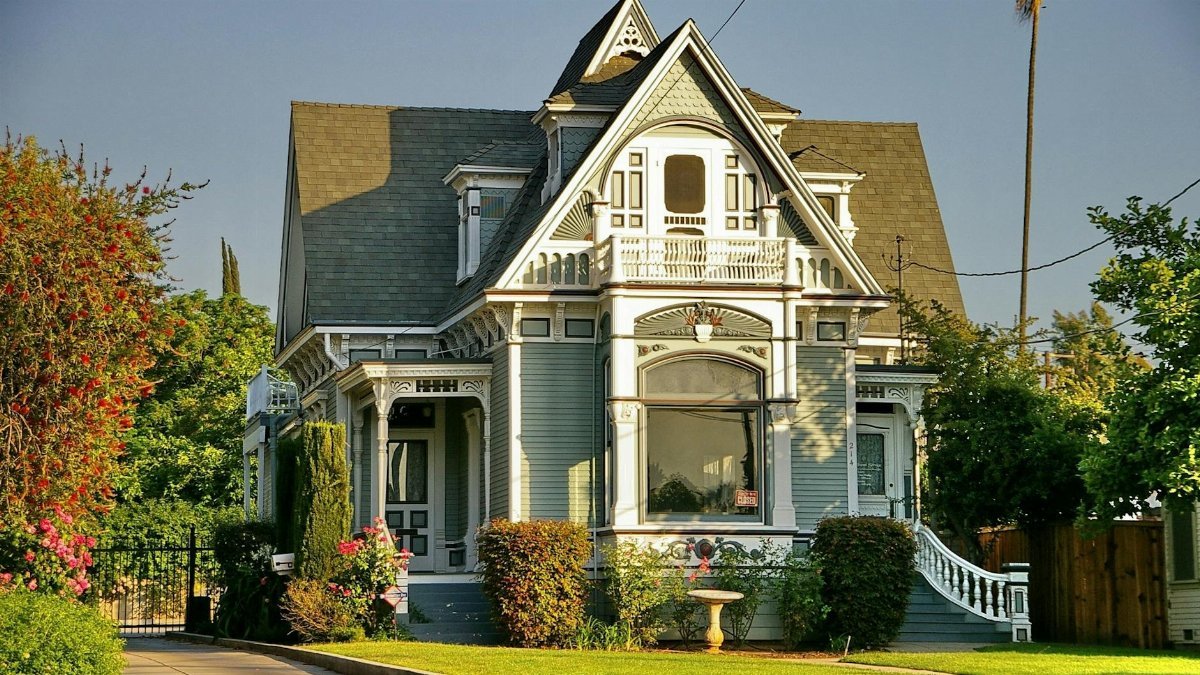
By the mid-19th century, the Industrial Revolution fueled a porch renaissance. Railroads delivered prefabricated gingerbread trim, turning modest homes into ornate showcases. In New England towns like Cape Cod, wraparound porches became status symbols, their turned balustrades and spindlework evoking seaside resorts. Architectural Digest archives describe this era as the porchs golden age, with publications like Godeys Ladys Book promoting designs that blurred indoor and outdoor living. Front porch history here shifts from utility to aesthetics, as families displayed their upward mobility to passersby.
The Southern Porch as Social Epicenter
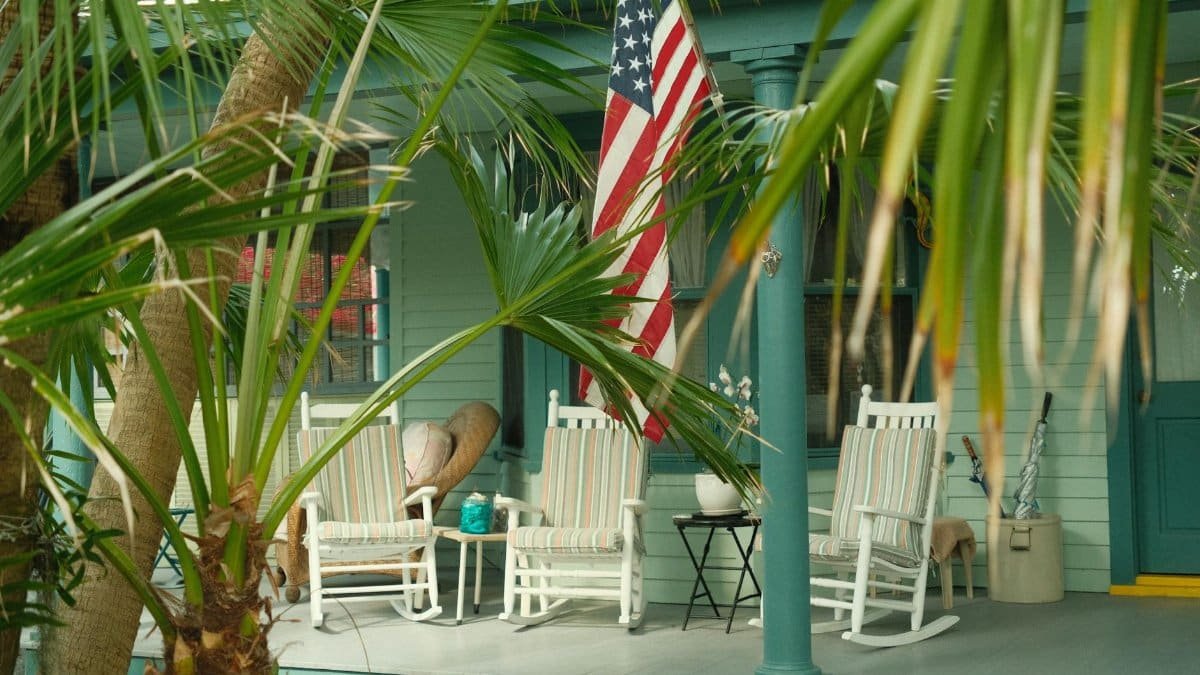
No region claims the porch more fiercely than the South, where verandas stretched wide to catch breezes through magnolia trees. In antebellum plantations like those in Natchez, Mississippi, porches hosted mint julep afternoons and courtship rituals, reinforcing social hierarchies. Post-Civil War, they endured as egalitarian gathering spots in rural shotgun houses. Folklorist Alan Lomaxs recordings from the 1930s capture porch jams, where banjos and fiddles wove community lore (loc.gov/alan-lomax). This front porch history underscores the porchs role in preserving oral traditions amid upheaval.
Political Power from the Porch Rail
Porches doubled as campaign podiums, birthing the front-porch campaign tradition. William McKinleys 1896 bid from his Canton, Ohio, home drew 750,000 visitors, with speeches delivered from the porch steps. Earlier, Abraham Lincoln debated Stephen Douglas visible from his Springfield porch. Political scientist Sidney Milkiss analysis in Presidential Campaigns and Porches (Oxford University Press, 2009) argues these venues humanized candidates, fostering intimacy in an era before mass media. Front porch history thus intersects with democracy, turning private space public.
Urban Adaptations in Growing Cities

As America urbanized after 1900, porches squeezed into rowhouse stoops in Brooklyn or Philadelphia. Yet they retained vitality, serving as lookout posts for immigrant families. Photos from the Farm Security Administrations 1930s archives show tenement porches laden with laundry and potted herbs, hubs for gossip in Yiddish or Italian (loc.gov/fsa). In Chicago bungalows, enclosed porches called three-seasons rooms extended living space, adapting to concrete jungles while echoing rural roots.
Decline with the Suburban Boom

Post-World War II sprawl spelled trouble for the porch. Levittown tract homes favored picture windows and backyards, prioritizing privacy over promenade. Air conditioning, widespread by the 1960s, sealed families indoors. Urban planner Jane Jacobs lamented this in The Death and Life of Great American Cities (1961), noting how garage-facing homes eroded street life. Front porch history marks this shift as a cultural loss, with porches shrinking to mere entryways in ranch-style suburbs.
Cultural Icons in Literature and Film

The porch permeates Americas storytelling. Harper Lees To Kill a Mockingbird unfolds on the Finch familys Maycomb porch, symbolizing moral reckoning. In films like The Waltons or Steel Magnolias, porches frame generational wisdom. Director Nora Ephrons analysis in I Feel Bad About My Neck ties these tropes to nostalgia for unhurried connection. This front porch history in media romanticizes the space, even as real ones faded.
Architectural Revival in the 1970s
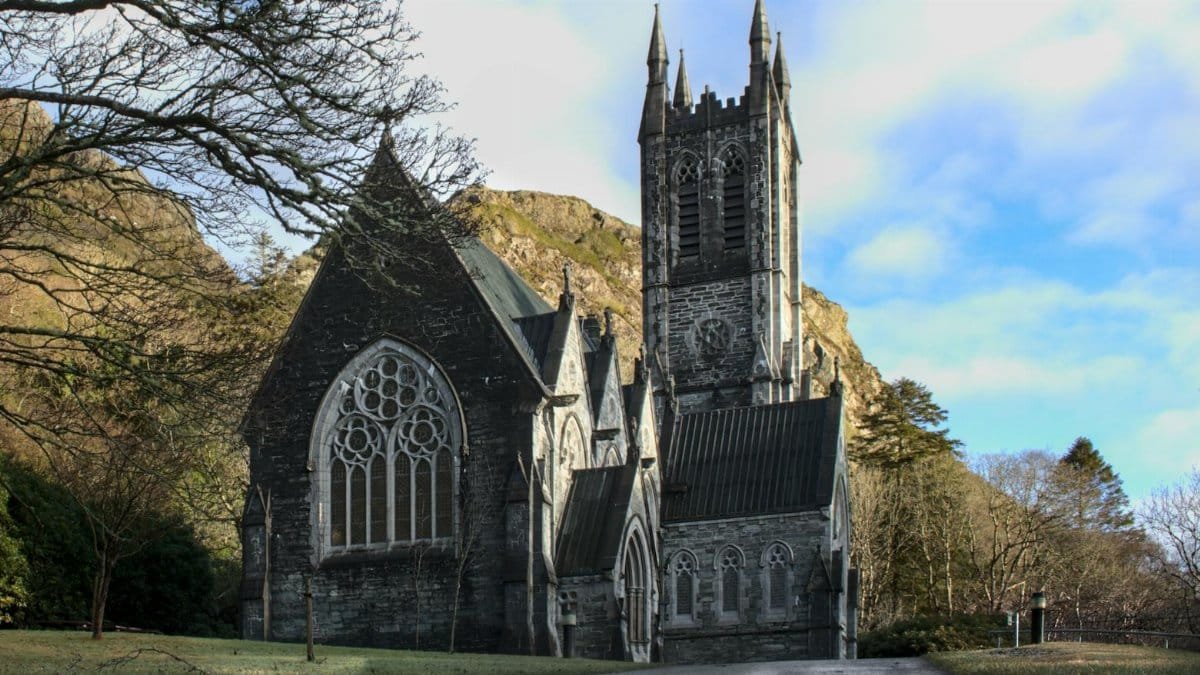
The back-to-the-land movement sparked interest anew. Craftsman bungalows, with their deep eaves and tapered columns, inspired neo-traditional designs. The Congress for the New Urbanism championed porches in Seaside, Florida, the 1980s planned community that influenced Disney Worlds Celebration. Architect Andrés Duany notes in Suburban Nation (2000) that porches foster walkable neighborhoods, countering isolation.
Modern Twists on Tradition

Today, porches evolve with sustainability. Screened versions in the Midwest combat mosquitoes, while California drought-resistant xeriscaping adorns arid porches. A 2022 report from the American Institute of Architects shows 28 percent rise in porch additions since 2019, driven by remote work (ai a.org/residential-trends). Front porch history now includes smart tech, like motion-sensor lights, blending heritage with innovation.
Famous Porches That Shaped Eras
Standouts include Franklin D. Roosevelts Hyde Park porch, site of fireside chats drafts, and Jackie Kennedys recreated Georgetown veranda at the White House. In pop culture, Lucille Balls Los Angeles porch hosted I Love Lucy antics. Preservationists restored Hemingways Key West porch in 2017, complete with urinal-turned-cat fountain (hemingwayhome.com). These landmarks anchor front porch history in tangible legacy.
Preservation Challenges and Triumphs

Aging wood and McMansions threaten survivors. The Historic American Buildings Survey documents over 5,000 porches at risk (loc.gov/pictures/collection/habshaer). Yet victories abound: Savannahs Forsyth Park district mandates porch repairs. Community groups like Porchfest in Ithaca, New York, host annual music series on locals verandas, reviving social glue.
Lessons for Todays Divided America

In an era of echo chambers, the porch whispers of neighborly dialogue. Studies from Pew Research (pewresearch.org/social-trends/2021) link porch-friendly neighborhoods to higher trust levels. Reviving front porch history might mend divides, one rocking chair conversation at a time. As suburbs rethink garages for gathering spots, the porch endures, a quiet architect of connection.