
In households across America, its commonplace for siblings, roommates, or even neighbors to share a single Netflix password, stretching one subscription to cover multiple screens. But what if that casual habit crossed into criminal territory? The United Kingdom government has issued a stark warning: utilizing streaming services like Netflix without your own subscription could constitute criminal fraud. This revelation has sparked debate on both sides of the Atlantic about netflix password sharing fraud, raising questions about where convenience ends and illegality begins. As streaming giants tighten their grips amid rising subscriber losses, authorities are signaling that the era of free rides may be over.
The UKs Bold Legal Stance
The United Kingdoms Intellectual Property Office has clarified that sharing login details for paid streaming platforms amounts to fraud under existing laws. According to a recent advisory, anyone accessing Netflix, Prime Video, or Disney Plus via someone elses account without permission is essentially depriving the service of revenue, akin to theft. This position stems from broader efforts to combat digital piracy, with officials emphasizing that even family sharing outside household limits violates terms of service and, potentially, criminal statutes. The guidance, highlighted in a TechRadar report, underscores a shift toward stricter enforcement in Europe.
Netflixs Long Battle Against Sharing

Netflix has been at the forefront of curbing unauthorized access for years. In 2023, the company rolled out household-based verification, using IP addresses and device IDs to restrict logins to primary locations. This move followed estimates that up to 100 million households worldwide were piggybacking on others accounts, costing the streamer hundreds of millions annually. While Netflix frames it as protecting paying customers, critics argue it alienates loyal users. The netflix password sharing fraud label amplifies these tensions, positioning everyday sharing as a legal risk rather than a minor infraction.
Defining Fraud in the Streaming Age
What exactly makes password sharing fraudulent? Legally, it hinges on intent and deception. In the UK, the Fraud Act 2006 covers false representations for gain, and streaming access fits neatly into that framework. Prosecutors could argue that borrowing credentials misleads the platform into granting service without full payment. In the United States, while federal wire fraud statutes exist, enforcement has focused more on outright piracy than sharing. However, state attorneys general have pursued similar cases, suggesting netflix password sharing fraud could gain traction here if platforms lobby aggressively.
Real-World Enforcement Examples
Though rare, prosecutions have occurred. In 2019, a German court fined a man for sharing his Amazon Prime account with over 400 people via a Telegram group, labeling it organized fraud. Closer to home, Californias attorney general settled with a password-sharing site in 2022, extracting millions in penalties. These precedents illustrate that while individual family sharing might fly under the radar, organized or widespread netflix password sharing fraud draws swift action. Streaming executives, watching subscriber churn, are likely pushing regulators for more such crackdowns.
Consumer Backlash and Habits
Americans, accustomed to communal streaming, are pushing back. Surveys from Parks Associates indicate that 30 percent of U.S. broadband households share passwords, often across friends and family. Social media buzzed with memes and outrage after Netflixs paid sharing tier launched at $7.99 extra per user. Many see the fraud warnings as overreach, comparing it to outdated rules on library books or radio listening. Yet, as costs rise—Netflix basic plans now exceed $6.99 monthly—some subscribers quietly comply, grumbling about the end of an era.
Implications for American Lawmakers
Will the UK model cross the ocean? U.S. lawmakers, grappling with Big Tech dominance, might view anti-sharing measures favorably. Bipartisan concerns over media consolidation could lead to federal guidelines mirroring Europes. The FCC has already probed Netflix on competition grounds, and netflix password sharing fraud rhetoric could bolster calls for transparency in subscription models. For now, no widespread U.S. crackdown looms, but platforms self-policing through tech like widevine DRM signals the direction.
The Economics Driving the Crackdown

Streaming profitability hinges on exclusivity. Netflix reported $33 billion in 2023 revenue, yet password sharing eroded margins by an estimated 10 percent. Rivals like Disney and Warner Bros. Discovery face similar woes, with password crackdowns credited for recent subscriber gains. Economists note that while sharing boosts cultural reach, it undermines the subscription model central to Silicon Valleys growth. This financial imperative fuels the fraud narrative, transforming user behavior into a boardroom priority.
Tech Innovations to End Sharing

Beyond legal threats, technology is evolving. Netflixs device fingerprinting and geo-fencing now detect anomalies like logins from distant cities. AI algorithms flag suspicious patterns, prompting extra verification steps. Competitors experiment with blockchain-based access or biometrics, potentially rendering passwords obsolete. These tools aim to eliminate netflix password sharing fraud without courtrooms, though privacy advocates warn of surveillance creep in living rooms.
Global Variations in Rules
Laws differ sharply worldwide. Latin America saw Netflix mandate paid sharing last year, boosting signups by 40 percent in Peru alone. In Australia, sharing remains a civil matter, with fines up to $200,000 for platforms, not users. Europes GDPR adds data protection layers, complicating enforcement. For U.S. viewers traveling abroad, these patchwork rules create confusion, highlighting the need for harmonized standards amid globalization.
Ethical Questions Surrounding Sharing
Is sharing truly theft, or a modern potluck? Ethicists debate whether immaterial access equates to fraud. In an age of abundance, where one account serves endless viewers, scarcity arguments falter. Yet, creators from filmmakers to showrunners rely on those revenues. The netflix password sharing fraud debate pits communal norms against capitalist incentives, echoing broader tensions in the gig economy and open-source movements.
What Users Should Do Now
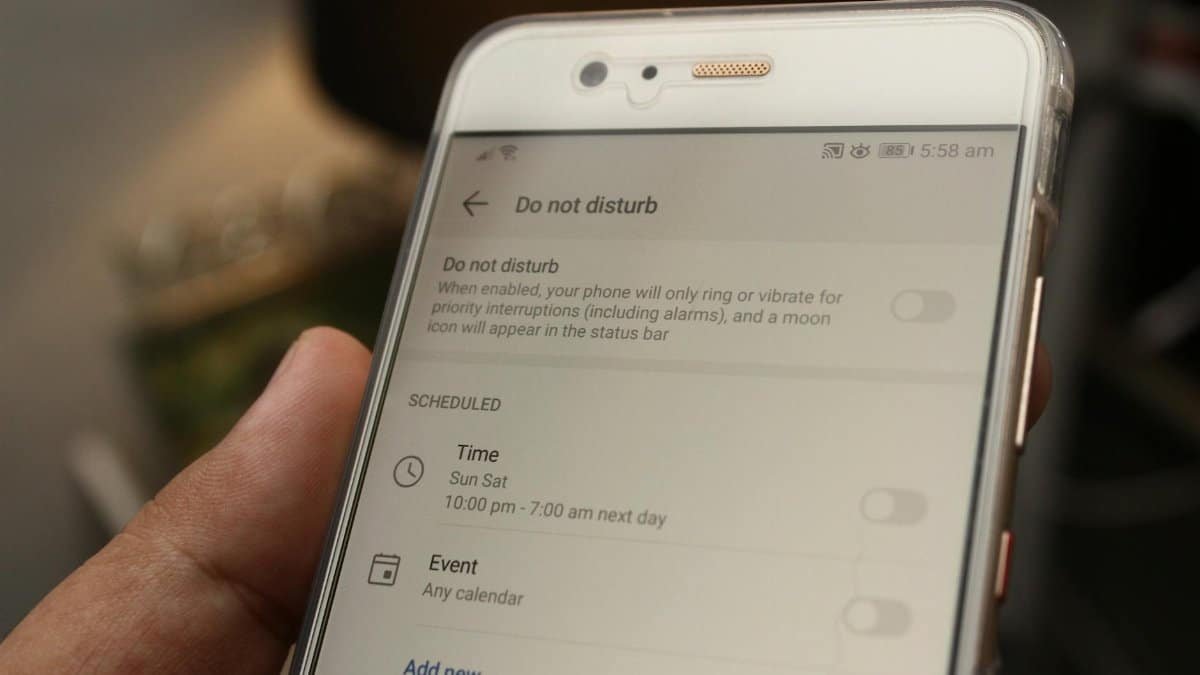
Practical advice abounds. Review your Netflix household settings via account.tv/netflix.com. Add extra members officially to avoid flags. Families spanning states might invest in multi-user plans. Vigilance pays: monitor emails for verification prompts, and steer clear of public sharing forums. While criminal charges for casual use remain unlikely, fines or account suspensions are real risks in an increasingly watchful ecosystem.
The Future of Streaming Subscriptions
Looking ahead, expect ad-supported tiers and micro-transactions to proliferate, diluting sharing incentives. Alliances like the potential Netflix-Amazon bundle could redefine value. Regulators might mandate clearer terms, curbing fraud claims. Ultimately, the netflix password sharing fraud saga reflects streaming maturity: from wild-west growth to accountable business. As viewers adapt, the industry edges toward sustainability, one verified login at a time.
For middle-aged Americans balancing budgets and binge-watching, this evolution demands recalibration. The convenience of shared screens may yield to personalized, policed access—but perhaps at the cost of community in our digital lives.