
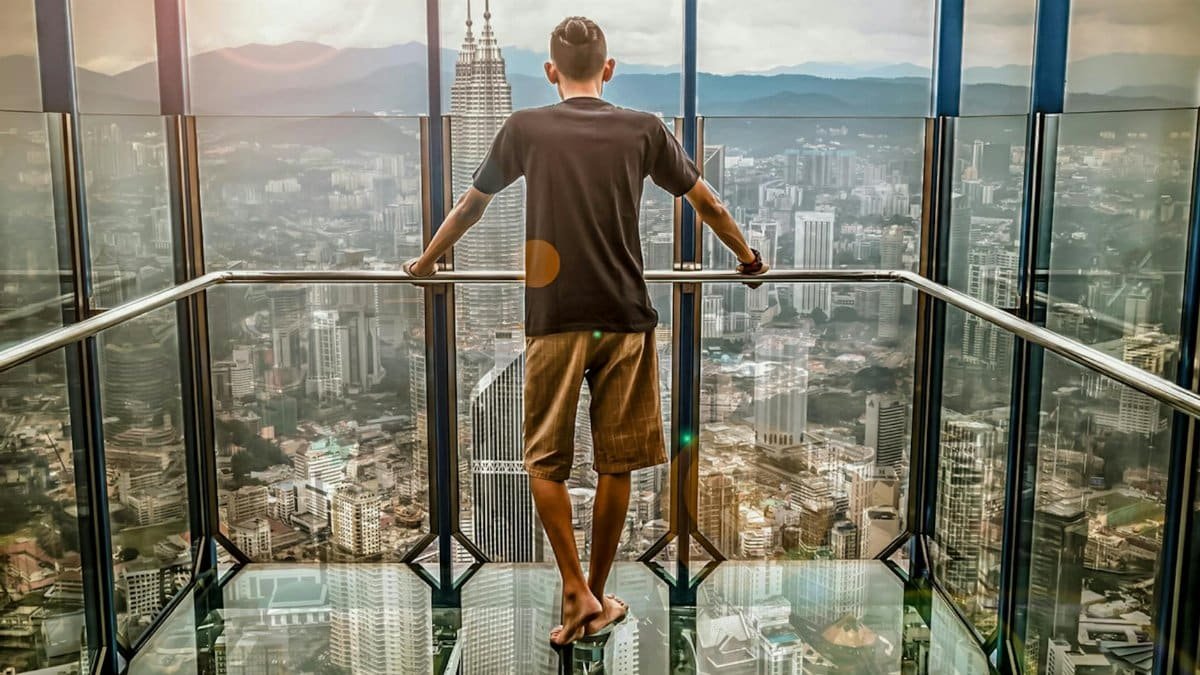
In the heart of a sun-dappled park amid Manhattans towering skyline, a growing number of city dwellers kick off their shoes and step onto paths of cool pebbles, soft moss, and warm sand. This simple act, once rare in urban landscapes, signals the quiet rise of barefoot parks, oases designed to let harried residents feel the earth beneath their feet. Planners say these spaces offer a tactile antidote to concrete jungles, fostering a deeper connection to nature. As stress levels climb in densely packed cities, these parks promise not just recreation, but a sensory reset for body and mind.
A Tactile Escape from Urban Grind

Urban life often severs people from the natural world, with shoes acting as a barrier between feet and ground. Barefoot parks counter this by carving out dedicated zones where visitors can wander unshod across varied surfaces. These installations feature everything from smooth river stones to prickly pine needles, each texture calibrated to stimulate nerve endings and provoke mindfulness. In places like Berlins Tiergarten extensions or emerging American counterparts, the appeal lies in reclaiming a primal sensation lost to pavement pounding commutes.
European Pioneers Pave the Way
The concept traces back to Germany, where the first barfußparks appeared in the late 1990s. Leipzig unveiled one of the originals in 1997, drawing crowds eager for its 2 kilometer loop of natural terrains. Today, over 30 such parks dot the country, from Bavarias forested trails to coastal pebble beaches near Hamburg. Advocates credit these spaces with sparking a wellness movement, blending play with therapy. Their success has inspired copycats across Europe, proving that shedding footwear can transform passive park visits into active sensory adventures.
U.S. Cities Embrace the Trend
Stateside, the movement gains traction slowly but steadily. Seattle’s Discovery Park added a barefoot trail in 2015, weaving through native ferns and basalt rocks. In Austin, Texas, Zilker Park now includes a sensory loop popular among yoga enthusiasts. Even New York has pilots, like the one in Brooklyn Bridge Park, where visitors navigate wood chips and clay pits. Urban planners cite high demand post pandemic, as remote workers sought outdoor therapies. These American iterations adapt European models to local ecosystems, incorporating native plants to enhance authenticity.
The Grounding Science Behind the Barefoot Buzz
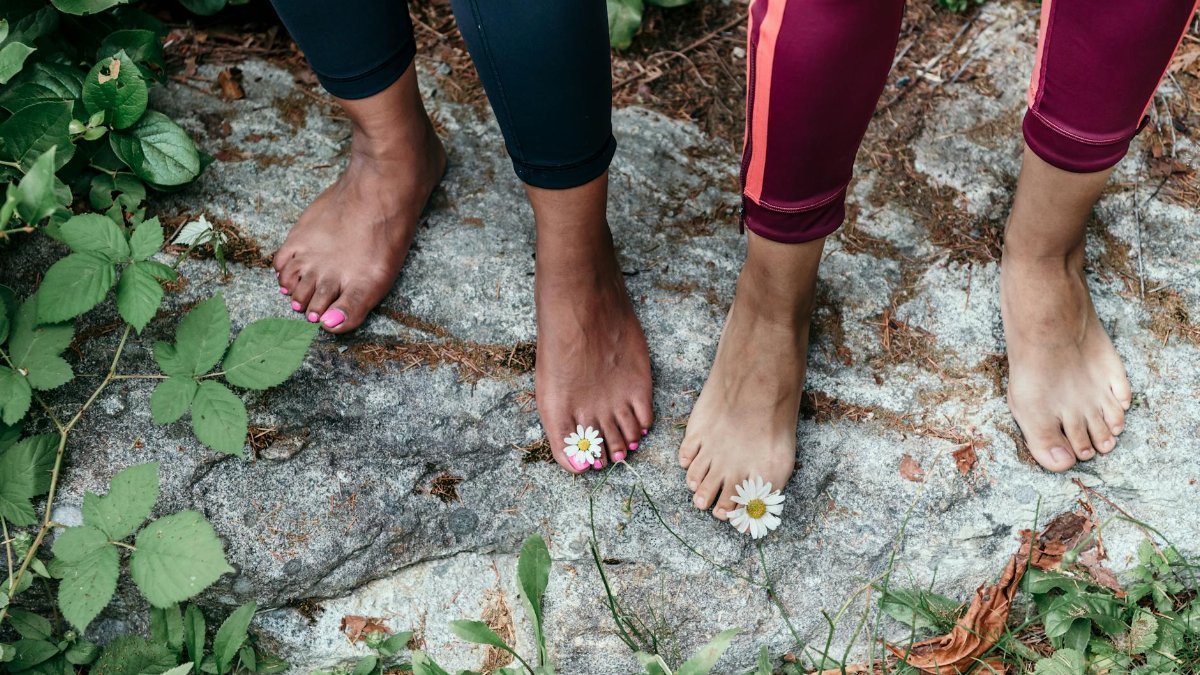
Proponents point to earthing, the practice of direct skin contact with earth, backed by emerging research. A 2015 study in the Journal of Inflammation Research found that grounding reduces inflammation markers by neutralizing free radicals. Participants who walked barefoot for 40 minutes showed lower cortisol levels, hinting at stress relief. For deeper reading, see the full findings here. While skeptics call for larger trials, anecdotal evidence from park users aligns with these markers of calm.
Textures That Tell a Story

Designers craft barefoot parks like multisensory symphonies. Paths progress from silky grass to crunchy gravel, then yielding mud, mimicking natures diversity. In Switzerlands Barefoot Trail at Appenzell, elevations add challenge, with logs and water crossings. Safety reigns: surfaces are raked daily, avoiding sharp hazards. This deliberate variety awakens forgotten foot reflexes, akin to ancient reflexology maps. Architects collaborate with landscape therapists to ensure paths suit all ages, from toddlers giggling on sand to seniors easing arthritis through gentle stimulation.
Mental Rejuvenation for the Overstimulated
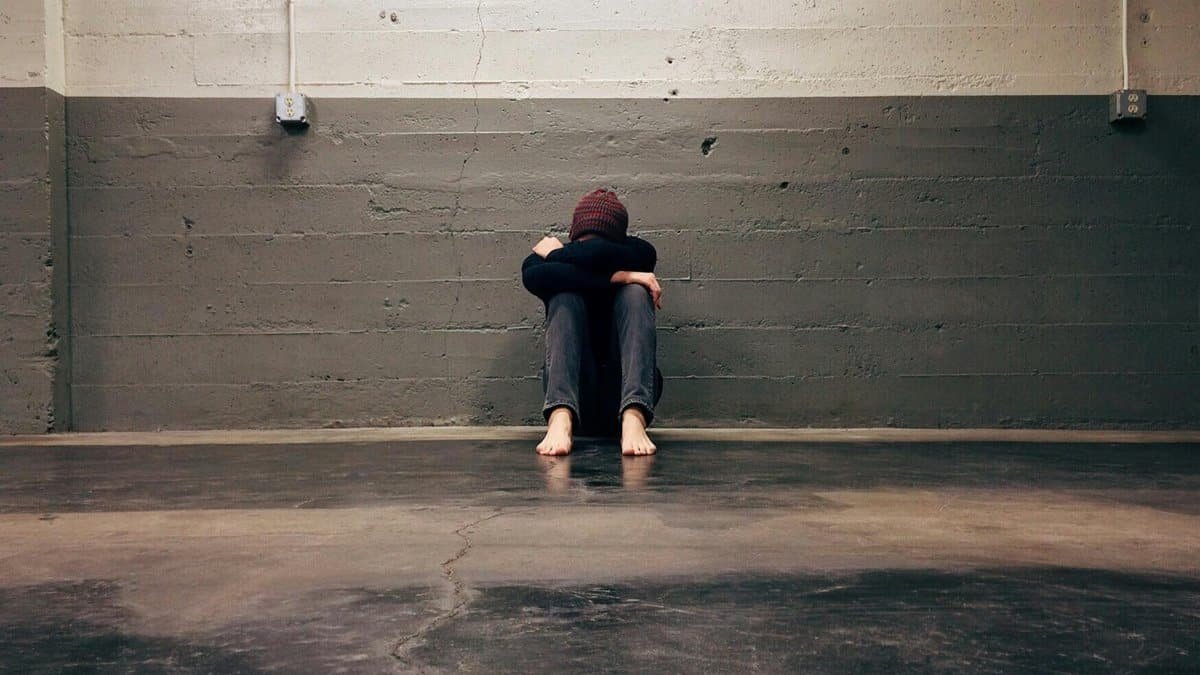
In an era of constant digital pings, barefoot parks offer unfiltered presence. Walking texture to texture demands focus, quieting mental chatter. Psychologists liken it to forest bathing, but earthier. A 2022 survey by the American Psychological Association noted urbanites reporting 25 percent mood lifts after nature immersion. Barefoot variants amplify this, as foot nerves link directly to brain pleasure centers. Regular visitors describe a grounded euphoria, less abstract than meditation apps, more visceral than gym treadmills.
Physical Gains Beyond the Feet
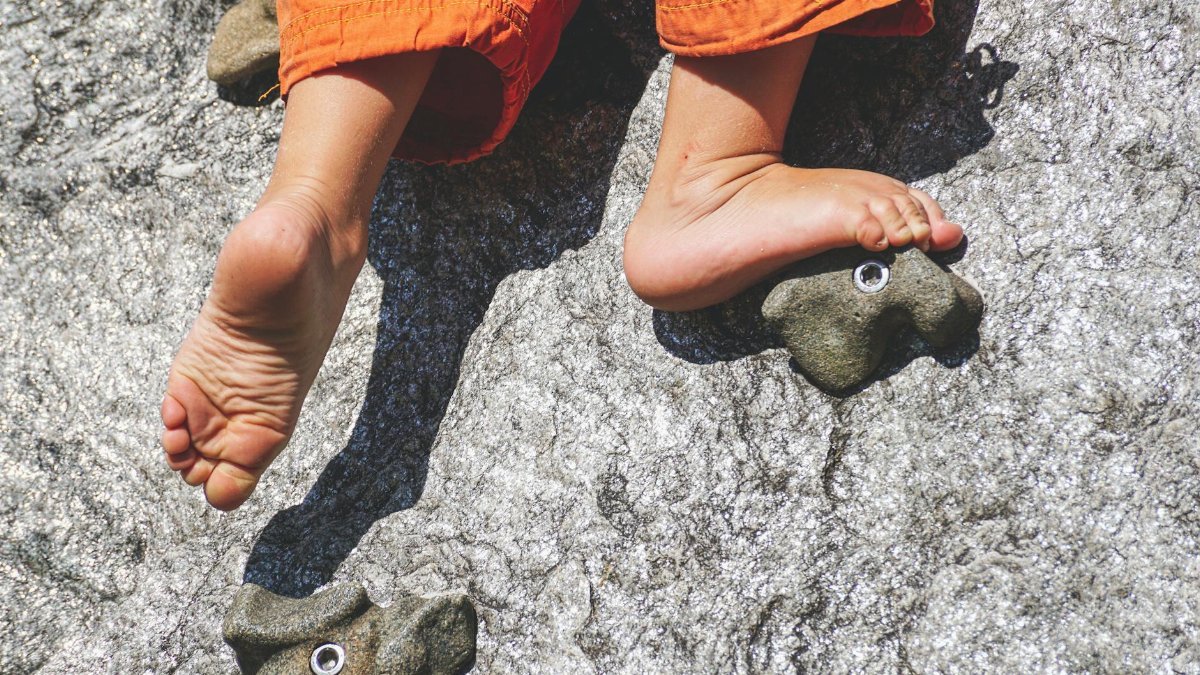
Beyond psyche, benefits ripple bodily. The uneven terrain strengthens foot muscles, often atrophied by cushioned sneakers. Podiatrists endorse moderate barefoot walking for improving balance and posture. A small University of Virginia study tracked walkers over eight weeks, observing gait enhancements and reduced fall risks in elders. Links to circulation boosts abound, with blood flow increasing via nerve activation. Yet experts advise gradual starts to prevent blisters, blending pleasure with practical fitness.
Navigating Hurdles in Park Development
Not all smooth sailing. Maintenance looms large: dirt paths invite litter and require vigilant cleaning. In rainy climates, mud turns treacherous, demanding drainage ingenuity. Accessibility poses puzzles; not everyone can go shoeless due to medical conditions or cultural norms. Planners install optional shoe stations and wheelchair friendly smooth zones. Funding battles persist, with some councils viewing them as frills amid budget crunches. Still, return on investment shines through user loyalty and tourism draws.
Voices from the Barefoot Path
Take Maria Lopez, a 52 year old Manhattan accountant, who stumbles upon Brooklyns pilot barefoot zone weekly. She recounts the initial tickle of pebbles evolving into profound relaxation, easing her deadlines dread. Or retiree Tom Reilly in Seattle, who credits the trail with reviving his step after knee surgery. These stories, echoed in online forums, fuel expansions. Families note childrens delight in squishy earth, fostering curiosity absent in sterile playgrounds.
Toward a Barefoot Urban Future

Looking ahead, barefoot parks could redefine city greenery. Proposals bubble in Los Angeles and Chicago, integrating tech like app guided tours detailing textures lore. Global warming may boost them, as resilient native designs withstand droughts. Wellness giants eye sponsorships, blending commerce with calm. For city dwellers craving authenticity, these parks herald a shift: less scrolling, more feeling. As one planner puts it, in a world accelerating, going barefoot slows us to natures rhythm.
By Natasha Weber