
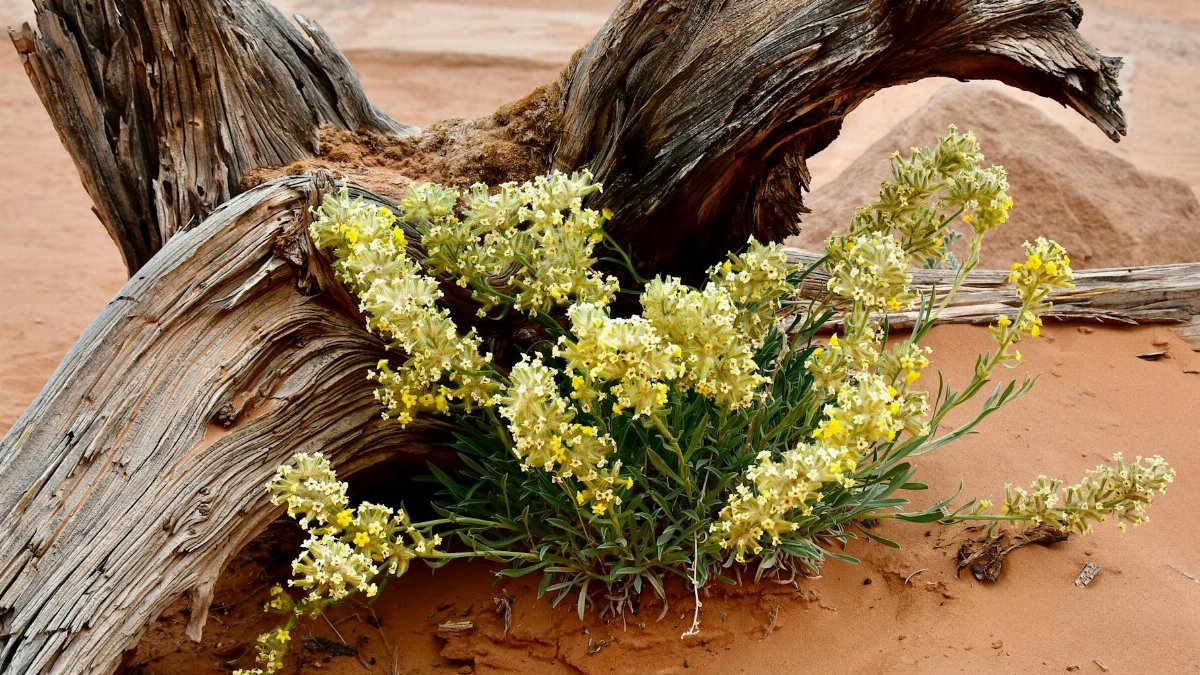
Picture this: a parched expanse of the Mojave Desert stretches endlessly under a relentless sun, cracked earth baked to dust. Then, after rare winter rains, an overnight miracle unfolds. Fields once barren erupt in a riot of color—vivid orange poppies, purple lupines, golden coreopsis swaying in the breeze. These desert blooms, fleeting spectacles that draw thousands each spring, remind us of nature’s quiet power and the Southwest’s hidden beauty. As climate patterns shift and wildflower superblooms become more unpredictable, 2024 offers prime chances to witness ten breathtaking displays across California, Arizona, New Mexico and beyond. Pack your hiking boots; the show is just beginning.
Antelope Valley California Poppy Reserve: The Golden Superbloom
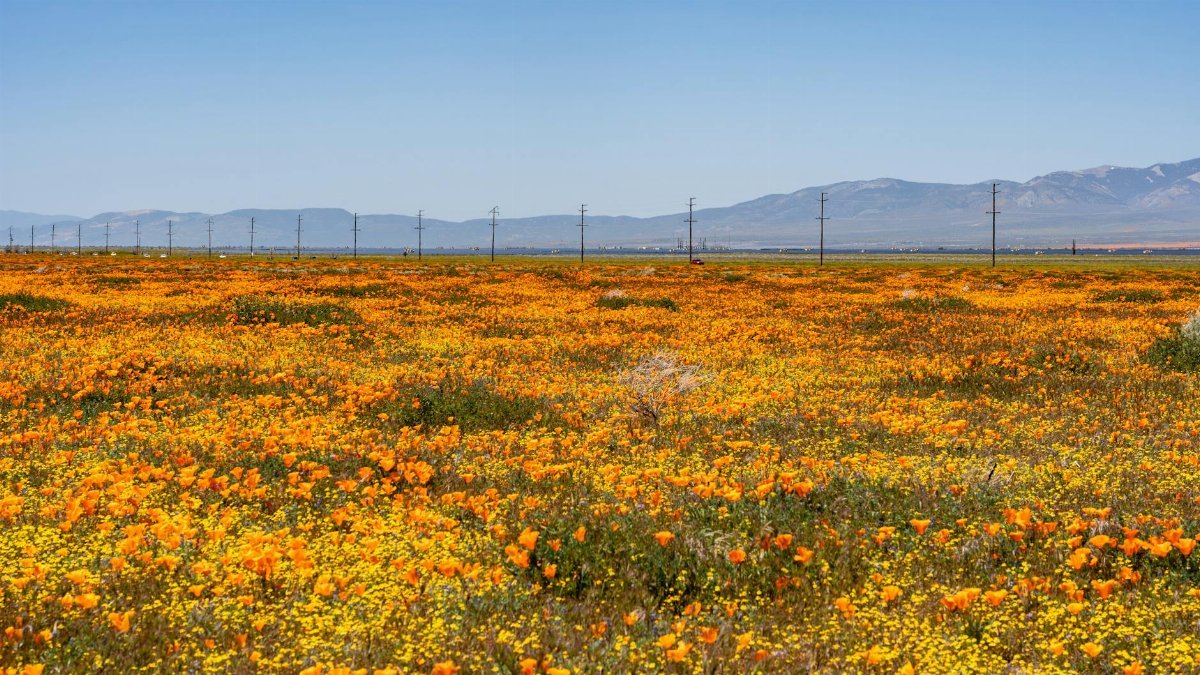
In the high desert north of Los Angeles, the Antelope Valley reserve transforms into an ocean of California poppies each March and April. Known for record-breaking superbloom years like 2017 and 2019, this 1,780-acre preserve peaks when soils hit the perfect moisture balance. Visitors navigate rolling hills ablaze with fiery orange, accented by fiddlenecks and owl’s clover. Early mornings beat the crowds and heat; wildflowers thrive below 70 degrees Fahrenheit. Park rangers report this season’s rains have set the stage for another vivid show. Bring binoculars for owl sightings amid the petals. Accessibility trails make it family-friendly, though no pets allowed to protect fragile ecosystems.
Anza-Borrego Desert State Park: A Palette of Pastels
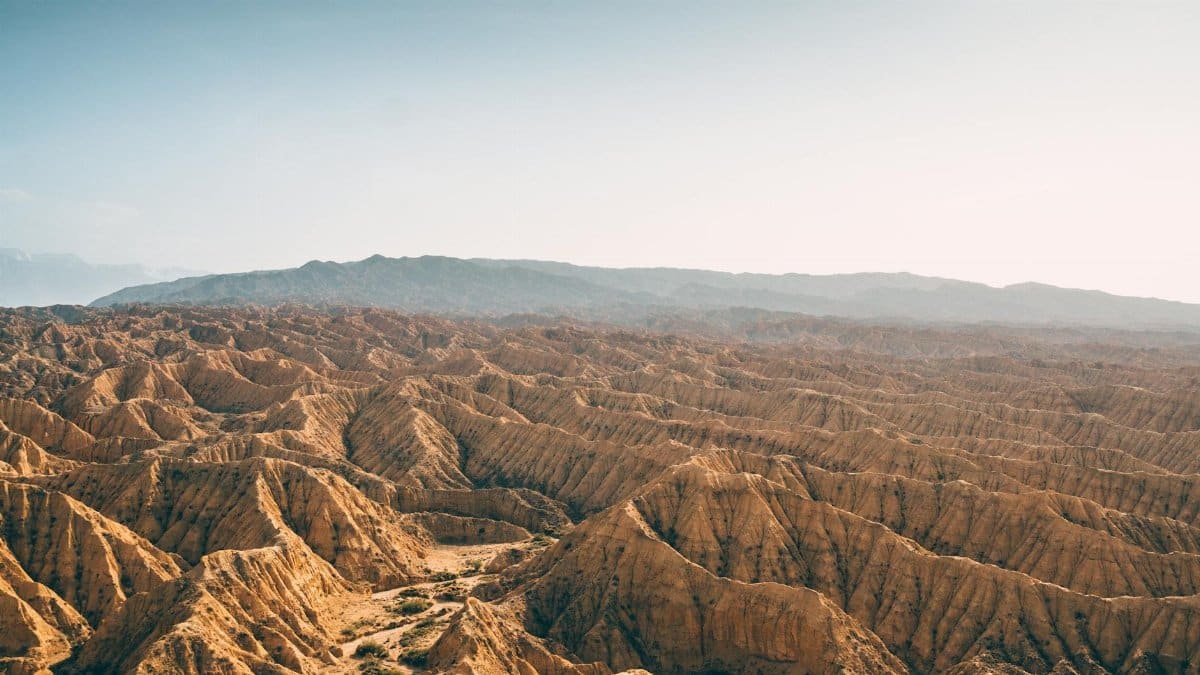
Southern California’s largest state park, spanning over 600,000 acres, hosts one of the most diverse desert blooms. Ocotillo bushes burst with crimson tips, while desert lilies and sand verbena paint canyons in soft pinks and whites. Prime viewing hits mid-March through early April along Henderson Canyon Road. Four-wheel drive unlocks remote spots like Fish Creek for blazing star fields. Park officials note recent El Niño rains could rival 2023’s display. Hike the Palm Canyon Trail for fan palms framing wildflowers. Night skies here rival the blooms—consider stargazing permits. Hydration is key; shade scarce in this low-elevation wonder.
Carrizo Plain National Monument: Pristine Grassland Meadows
Tucked in San Luis Obispo County, Carrizo Plain offers uncrowded vistas of purple lupine and goldfields blanketing 250,000 acres. Soda Lake Road bisects seas of color, with Temblor Range mountains as backdrop. Blooms peak late March, fueled by winter storms. This protected area, free of grazing, showcases native grasses revived alongside flowers. Spot endangered kit foxes darting through stems. Photographers love the Simpson Canyon overlook. Spring windswept drives feel timeless; avoid off-roading to preserve soil crusts vital for seeds. Evening wildflower walks reveal nocturnal species like evening primrose.
Death Valley National Park: Extreme Blooms in Arid Heart
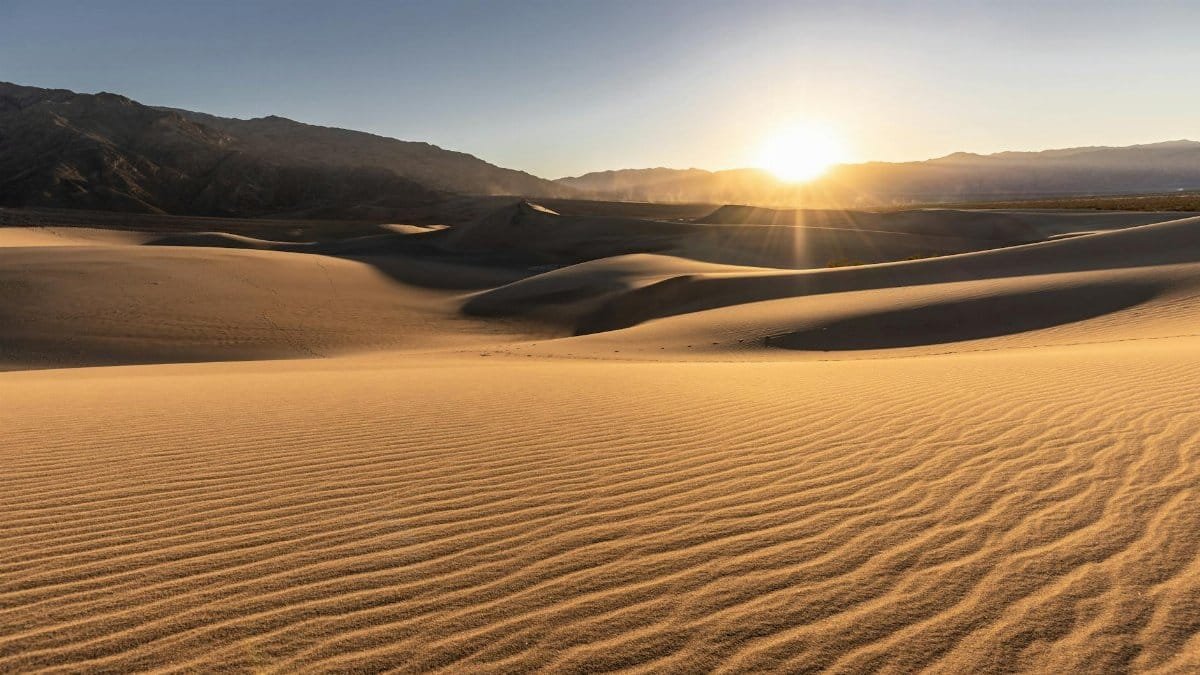
Despite its name, Death Valley defies odds with desert blooms after heavy rains. Badwater Road edges fields of desert gold and purple mat, while Eureka Dunes host rare dune evening primroses. February to April marks the window; 2023 saw carpets along Highway 190. High elevations like Wildrose Canyon add lupines. Rangers advise checking nps.gov/deva for updates, as heat surges quicken fade. The contrast—vibrant life amid salt flats—inspires awe. Pack layers; nights dip cold. These blooms highlight resilience in one of North America’s hottest spots.
Joshua Tree National Park: Rocky Canyons Aflame
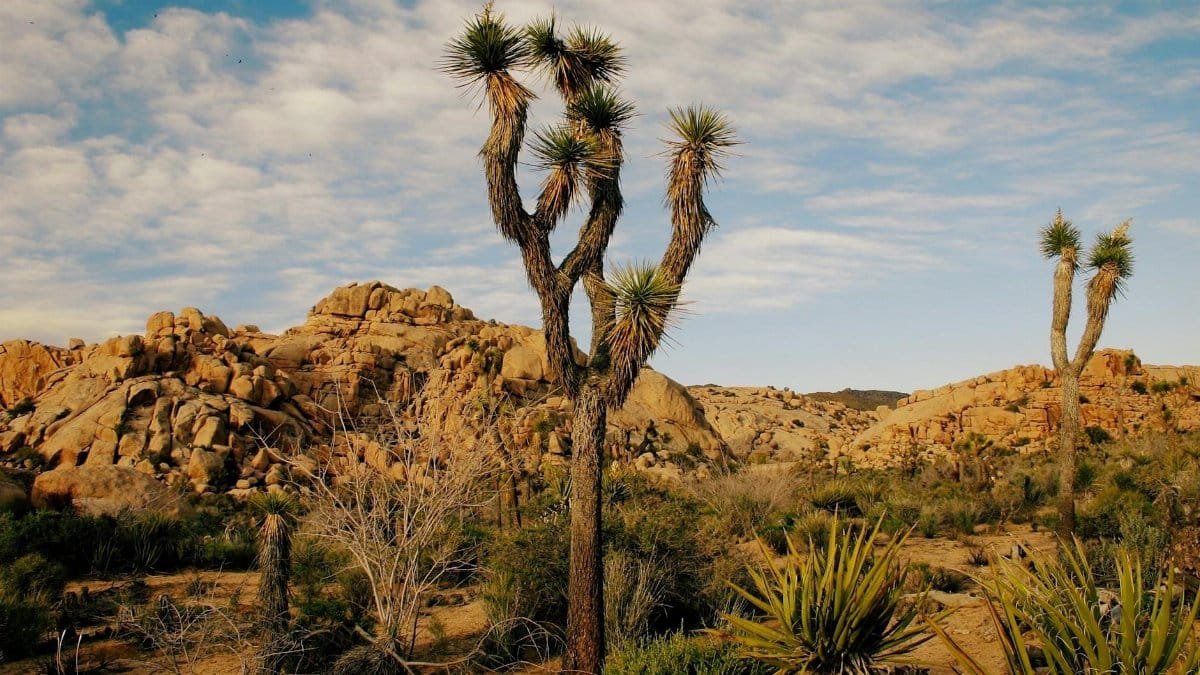
Jumbo Rocks and Barker Dam areas ignite with brittlebush yellows and cholla cactus blooms in March. Joshua trees frame pink beavertail cacti against boulder piles. Recent precipitation promises stronger shows than average years. Trails like Cap Rock yield close-ups of cheesebush and desert dandelion. Crowds swell weekends; midweek offers solitude. National Park Service data shows visitor numbers spike 30 percent during peaks. Combine with rock climbing for active exploration. These desert blooms underscore the park’s rugged allure, drawing adventurers nationwide.
Saguaro National Park: Cactus Symphony Near Tucson
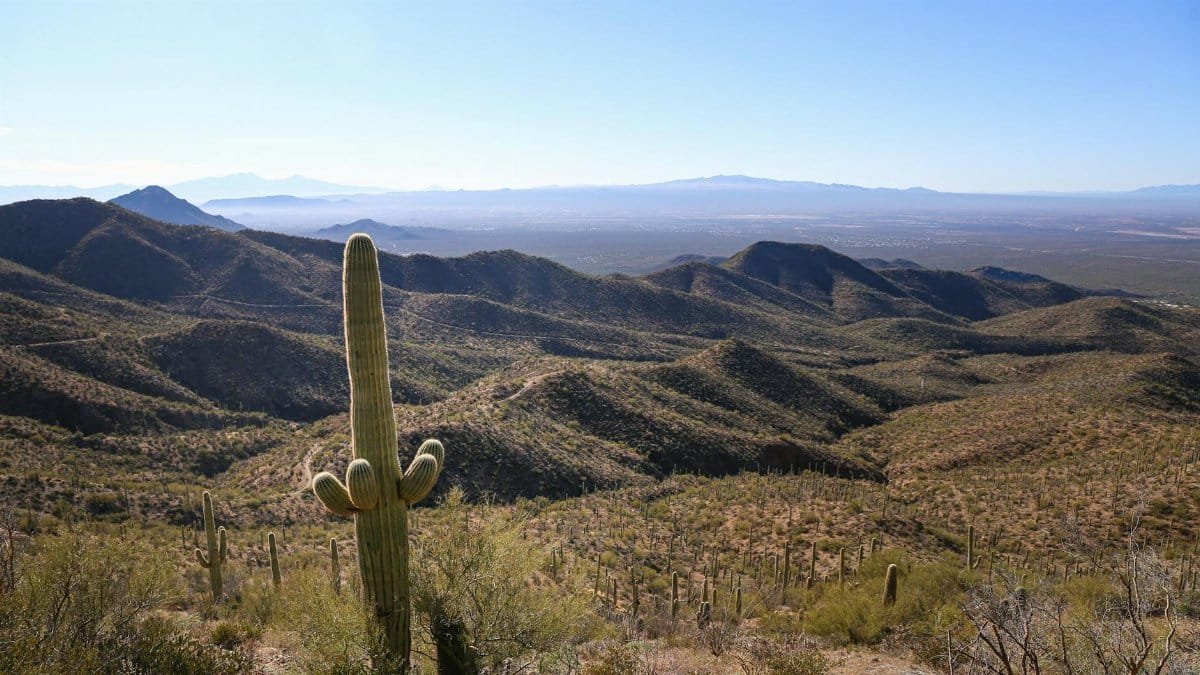
Arizona’s iconic saguaros join the fray with white spring blooms in April, alongside organ pipe and hedgehog varieties. Rincon Mountain District dazzles along Cactus Forest Drive. Lupines and poppies fill understories post-monsoon precursors. Tucson Botanical Gardens nearby extend the experience with labeled displays. Optimal timing aligns with full moons for illuminated hikes. Park ecologists predict robust 2024 displays from steady rains. Cultural ties run deep; Tohono O’odham harvest saguaro fruit amid flowers. Binoculars reveal pollinators buzzing furiously.
Organ Pipe Cactus National Monument: Borderland Diversity
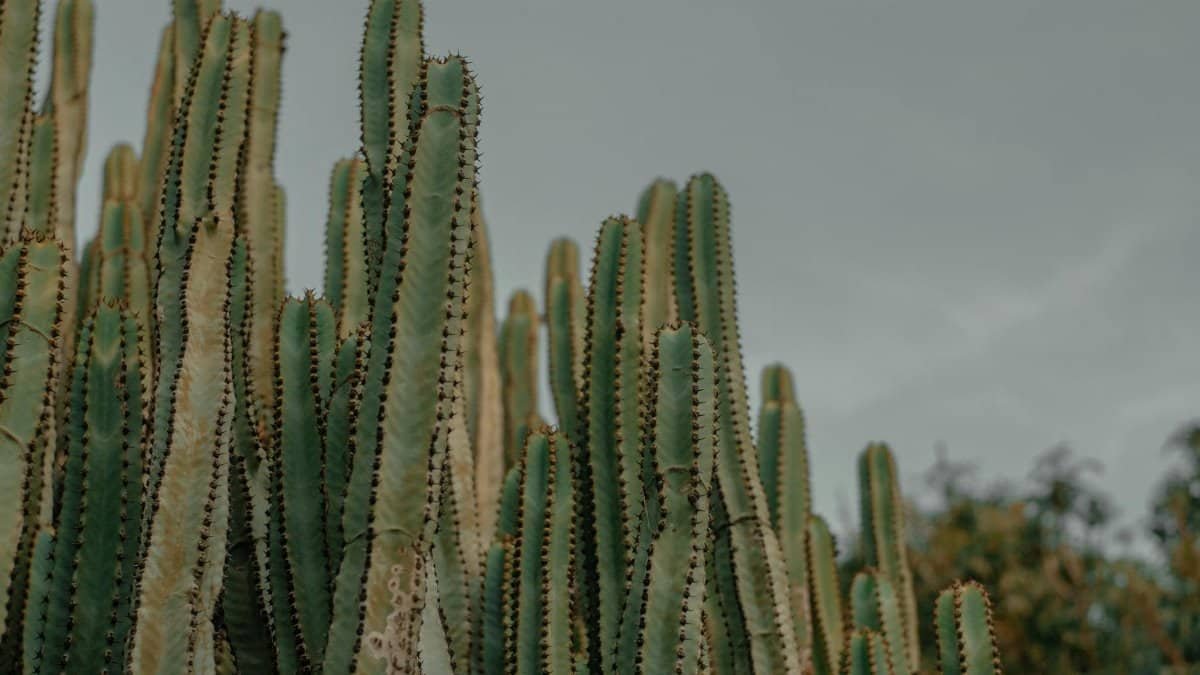
On Arizona’s Mexico border, this UNESCO site explodes with organ pipe cactus white blooms, Mexican goldpoppy oranges and organpipe milkweed pinks in March. Ajo Mountain Drive loops through vivid washes. Less visited than neighbors, it rewards intrepid drivers. Monument managers note border security enhances safety. Rare Puerto Blanco Drive blooms linger into May at higher spots. These desert blooms thrive in hyper-arid conditions, a testament to adaptation. Guided tours explain Sonoran Desert uniqueness; reservations advised.
White Sands National Park: Gypsum Dune Spectacles
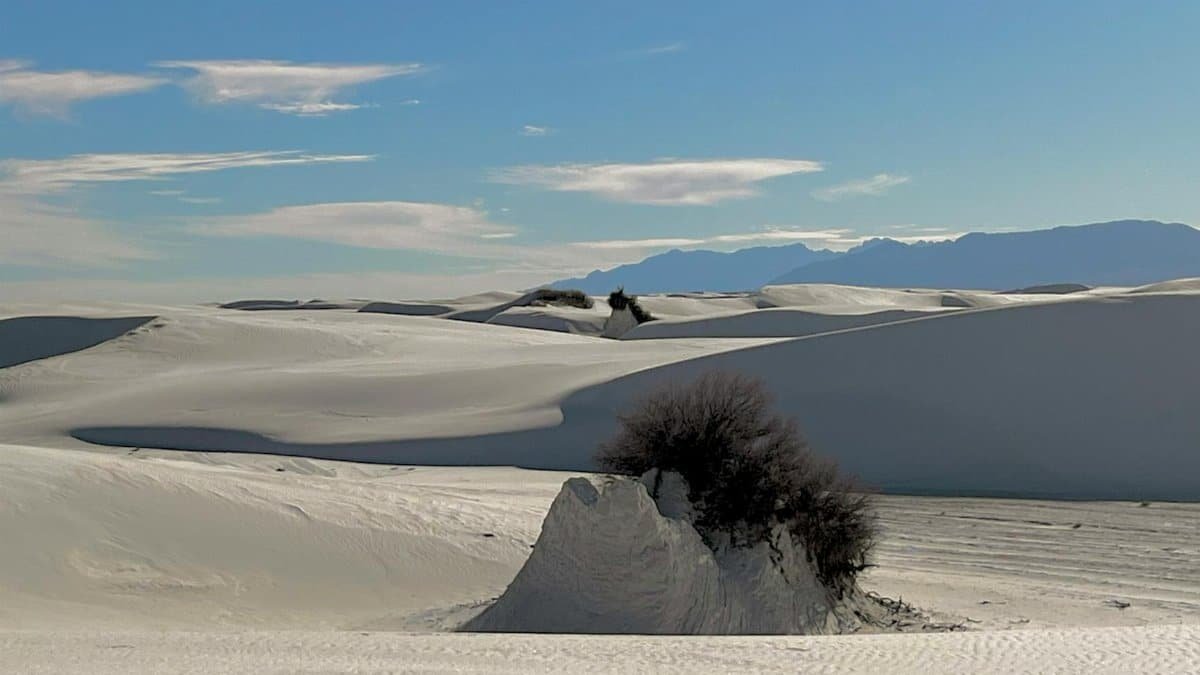
New Mexico’s gypsum dunes host Mojave aster and apache plume in April, their colors popping against blinding white sands. Alkali Flat Trail immerses hikers in flower-dune interplay. Dunes Drive accesses easy pullouts. Park Service forecasts moderate blooms from balanced precipitation. Sunset casts surreal glows; book timed entries. These ethereal desert blooms evoke otherworldly beauty, perfect for photographers. Sliding down dunes adds fun; rent sleds onsite. Fragile aprons demand stay-on-trail adherence.
Big Bend National Park: Chihuahuan Desert Riches
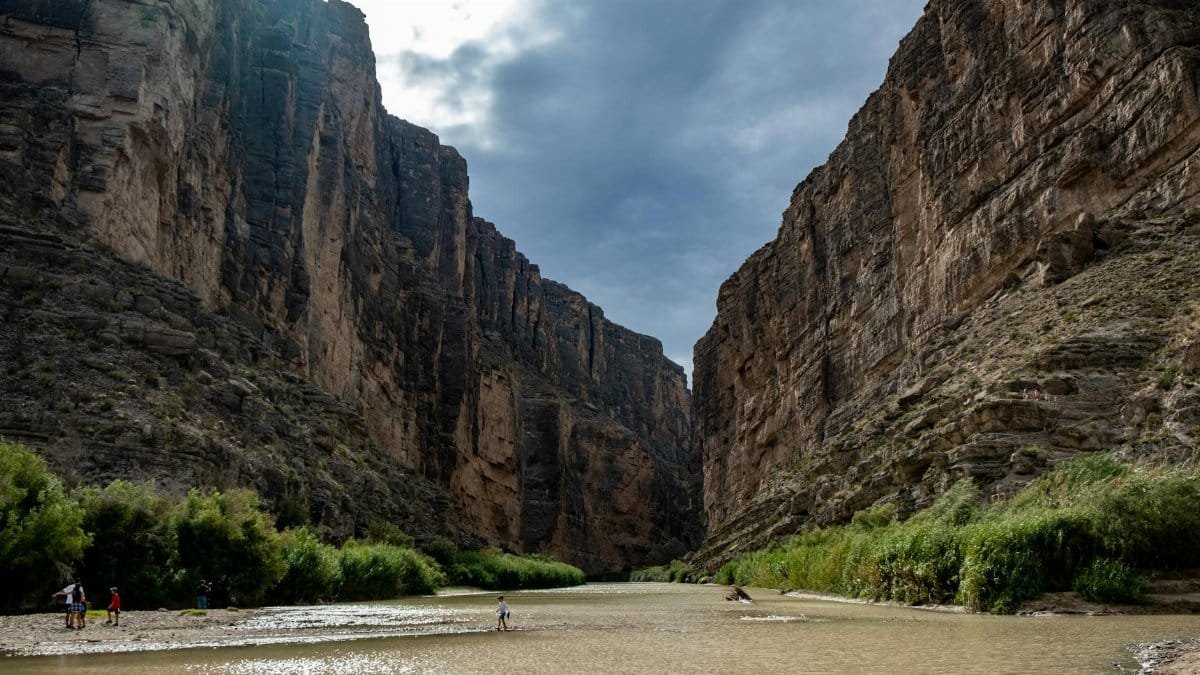
Texas’ remote Big Bend bursts along Ross Maxwell Scenic Drive with lechuguilla yellows and claret cup reds in March-April. Chisos Basin trails reveal highland violets. Rio Grande views frame lowlands. Recent wet winters boost prospects. Rangers track via nps.gov/bibe; backcountry permits unlock solitude. Biodiversity here spans three deserts. Mule deer graze petals, adding life. Long drives deter masses; ideal for overnighters. These desert blooms cap a road trip pinnacle.
Valley of Fire State Park: Nevada’s Fiery Formations
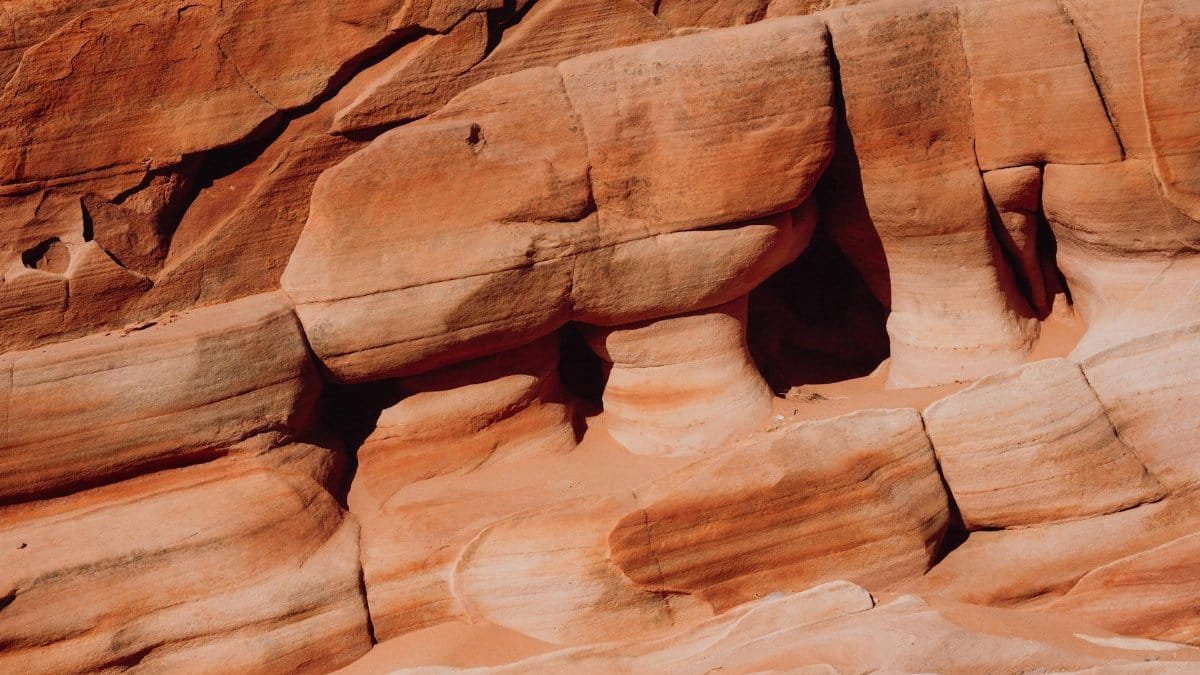
Near Las Vegas, red sandstone Aztec formations contrast spring desert blooms—desert mariposa lily oranges and big galleta grass golds. Fire Wave Trail highlights the drama. February rains trigger early peaks. State park fees cover paved access; ATVs reach wilder pockets. Less hype means intimate encounters. Blooms hug sandstone seeps, a survival marvel. Pair with petroglyph hikes for history. Closing this list, Valley of Fire proves accessible thrills await urban escapees.
Chasing the Perfect Bloom: Tips and Timing

Desert blooms demand flexibility; apps like iNaturalist and DesertUSA track reports. Aim for weekdays, dawn arrivals. Leave no trace—pack out trash, tread lightly. Climate change shortens windows, making sightings precious. Check forecasts; winds scatter seeds prematurely. Road trip linking sites from California to Texas spans epic journeys. Whether solo reflection or family outing, these displays renew appreciation for arid America’s pulse. Natasha Weber