

Buried under weeds and forgotten by time, the U.S. canal system once carved America’s path to prosperity. In the 19th century, these watery highways transformed a young nation, hauling goods from the Atlantic to the heartland faster and cheaper than wagons or rivers alone. The Erie Canal, the crown jewel, slashed New York to Buffalo travel from weeks to days, sparking booms in cities like Buffalo and Rochester. But railroads soon eclipsed them, leaving locks and towpaths to crumble. Today, these relics whisper of ambition and obsolescence—a hidden network ripe for rediscovery.
The Birth of a Watery Empire

In the early 1800s, America’s interior was a logistical nightmare. Farmers in Ohio couldn’t get corn to market without battling rapids or mud-choked roads. Enter the canal craze. DeWitt Clinton championed the Erie Canal in 1817, a 363-mile ditch linking the Hudson River to Lake Erie. Skeptics called it “Clinton’s Ditch,” but by 1825, it was open, costing $7 million—a steal compared to rivals. Toll revenues paid it off in nine years. This success ignited a frenzy: by 1840, over 3,000 miles of canals snaked through 20 states, from Pennsylvania’s anthracite fields to Illinois prairies.
Engineering Feats That Defied Nature

Building the U.S. canal system demanded ingenuity. Locks lifted boats 600 feet over the Appalachians on the Chesapeake & Ohio Canal. Aqueducts spanned valleys like Roman viaducts— the Allegheny Aqueduct carried a canal over a river on 19 wooden arches. Mules plodded towpaths, hauling packet boats at 3 mph. Immigrants, mostly Irish laborers, dug by hand, dying from malaria and accidents. The National Road’s rival, the Wabash & Erie, stretched 468 miles, the longest ever. These weren’t just ditches; they were gravity-defying machines of commerce.
Economic Tsunami: Cities Rise, Fortunes Made

The canals flooded markets with cheap grain, lumber and coal. New York’s port exploded, making it America’s trade hub over Philadelphia. Buffalo ballooned from village to boomtown. Pittsburgh’s iron flowed east; Midwest pork west. Land values skyrocketed—Erie farmland jumped 10-fold. Immigrants poured in, fueling factories. By 1830, canals moved 80% of U.S. freight. Entrepreneurs like Cornelius Vanderbilt pivoted from canals to steamers and rails, amassing empires. Without this system, the Industrial Revolution might have bypassed the heartland.
The Railroad Reckoning
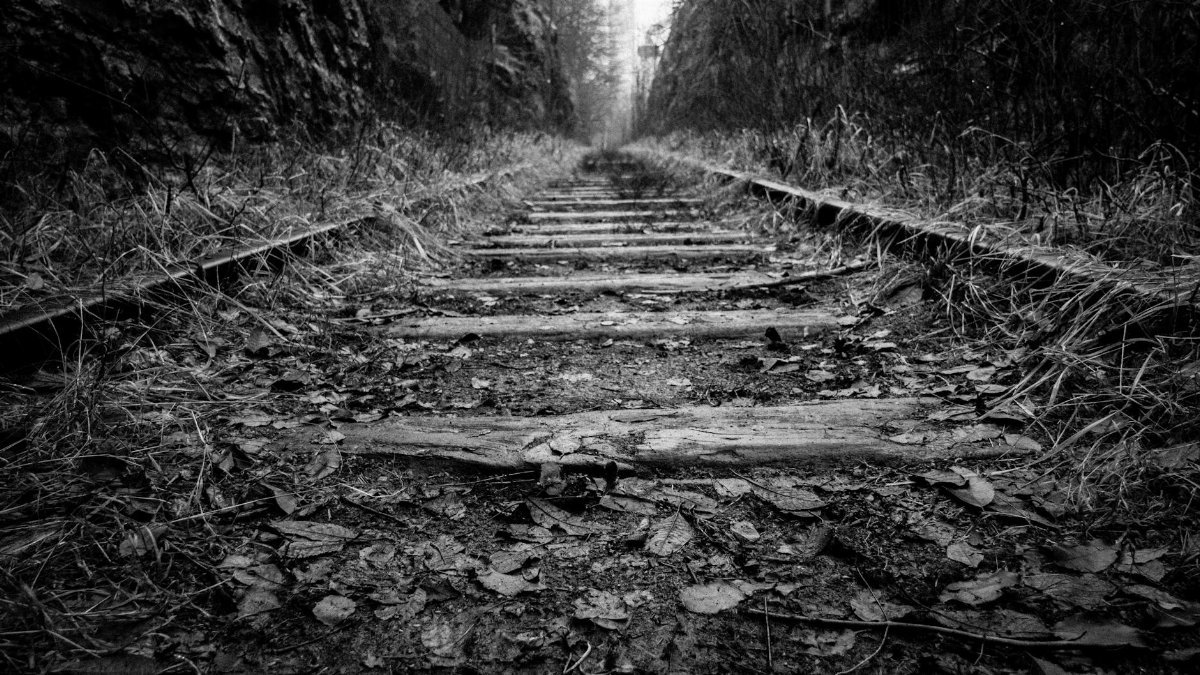
By the 1840s, iron rails spelled doom. Faster, steeper climbs, no mules needed—trains hit 20 mph. The Baltimore & Ohio Railroad, born as a canal bypass, devoured competitors. States like Pennsylvania bankrupted themselves propping up canals like the doomed Main Line. The Illinois & Michigan Canal hung on till 1900, but most silted up or were abandoned. Wartime floods and maintenance costs sealed fates. By 1860, rail mileage tripled canals, shifting America from water to steel.
Ghosts Along the Towpaths Today

Now, the U.S. canal system lurks as overgrown relics. Pennsylvania’s 150-mile Schuylkill towpath is a hiking trail past mule barns and lock ruins. Ohio’s Cuyahoga Valley bike path follows the old Ohio & Erie. Ghost towns like Port Clinton echo with faded glory. Invasive kudzu and beavers reclaim locks, but remnants endure—intact aqueducts in New York, tunnel portals in Indiana. These sites draw 10 million visitors yearly, per the National Park Service, blending history with nature escapes.
Modern Revival: Trails, Tourism and Tech

Enterprising states are resurrecting canals for leisure. New York’s Erie Canalway National Heritage Corridor spans 524 miles of trails, marinas and festivals. Boat tours chug locks once more; kayakers paddle forgotten cuts. The C&O Canal National Historical Park, a 184-mile greenway from D.C. to Cumberland, Maryland, hosts thru-hikers. Tech aids exploration—apps map ruins via GPS. Even Bitcoin miners eye hydro power from old locks. Tourism injects $1 billion annually, proving canals’ second act as economic engines.
Environmental Echoes and Lessons

Canals reshaped ecosystems, linking Great Lakes to Atlantic and unleashing invasives like zebra mussels. They drained swamps, birthing farms but eroding soils. Today, restored towpaths boost biodiversity—monarch butterflies flutter old rights-of-way. Climate change spotlights their resilience; floods test aging dams. Historians warn against repeating overinvestment follies amid green infrastructure pushes. Yet, as sea levels rise, inland waterways gain new relevance for resilient transport.
Untapped Adventures for History Buffs
Grab a paddleboard and chase the U.S. canal system’s secrets. Start at Lockport, New York’s flight of five double locks, a UNESCO contender. Trek Maryland’s Paw Paw Tunnel, 3,000 feet through a mountain. Camp Pennsylvania’s Pine Creek, where aqueducts arch like dinosaurs. Join canal societies for digs uncovering lost villages. These aren’t museums—they’re living puzzles, where every weed-choked bend hides a chapter of America’s grit. The forgotten veins still pulse with stories.
By Chris F. Weber