
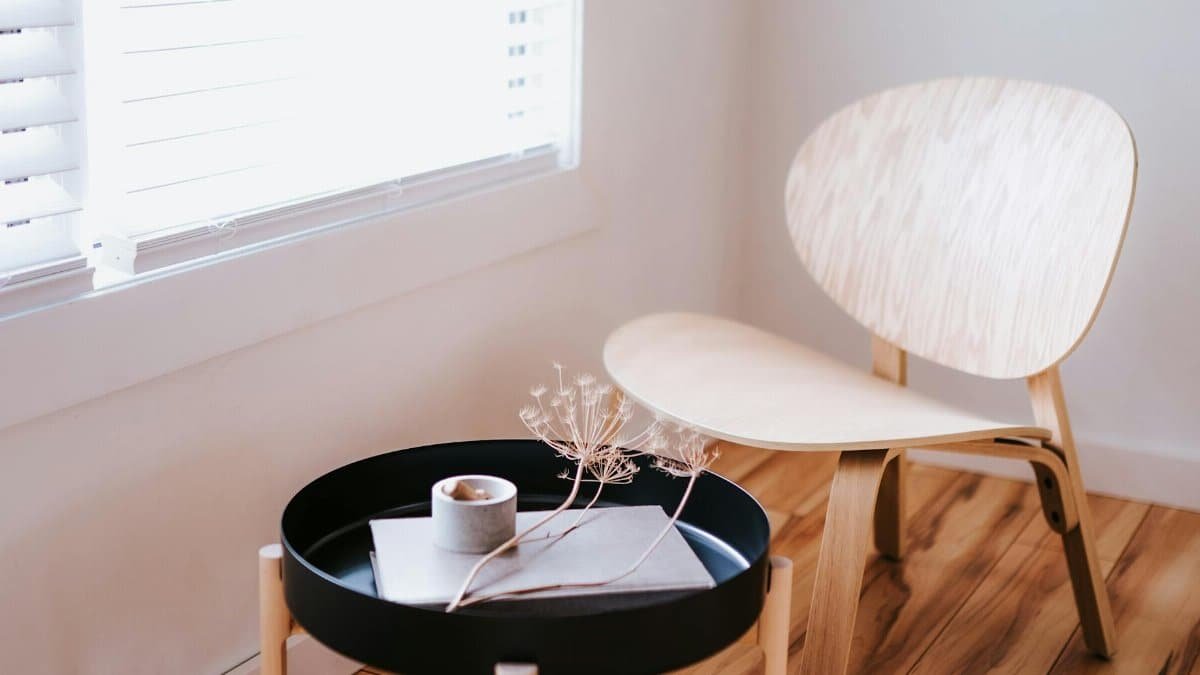
In the era of skyrocketing real estate prices and remote work setups crammed into studio apartments, Americans are turning to japandi design for salvation. This hybrid aesthetic marries Japanese minimalism’s wabi-sabi philosophy—embracing imperfection and tranquility—with Scandinavia’s practical hygge warmth. The result? Spacious-feeling small homes that ooze calm without clutter. Designers report a 40% uptick in japandi inquiries since 2022, as urban dwellers seek zen amid economic stress and social media overload. It’s not just pretty; it’s a mindset for modern living.
Roots in Two Worlds

Japandi emerged around 2017, born from Instagram feeds blending Tokyo ryokans with Copenhagen lofts. Japanese design prioritizes ma—negative space—for mental clarity, while Scandi roots emphasize functionality born from long winters. Architects like Norm Architects in Denmark pioneered the look, exporting it via shows like Netflix’s “Abstract.” In the U.S., it’s exploding in Brooklyn co-ops and San Francisco ADUs, where every square foot counts. Experts credit the pandemic’s cabin fever for accelerating its rise, with Pinterest searches surging 250% last year.
Why Tiny Homes Thrive on It
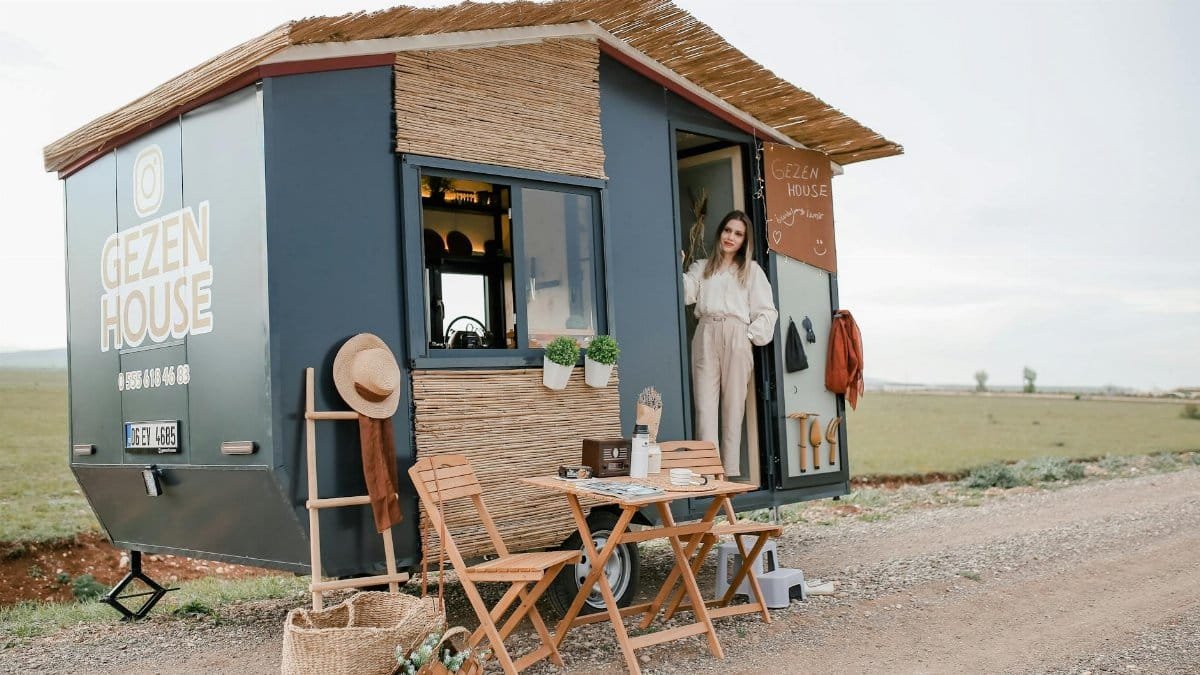
Small spaces demand smart design, and japandi delivers. By stripping away excess, it creates illusionary volume: think low-slung furniture hugging walls, freeing overhead air. A 400-square-foot Manhattan pied-à-terre can feel like a Kyoto retreat. Interior pros note its adaptability—no fussy antiques or bold patterns to overwhelm. Instead, multifunctional pieces like storage ottomans double as seating, ideal for hybrid home offices. Real estate agents in Seattle say japandi-listed units sell 15% faster, fetching premiums in competitive markets.
Earthy Color Schemes
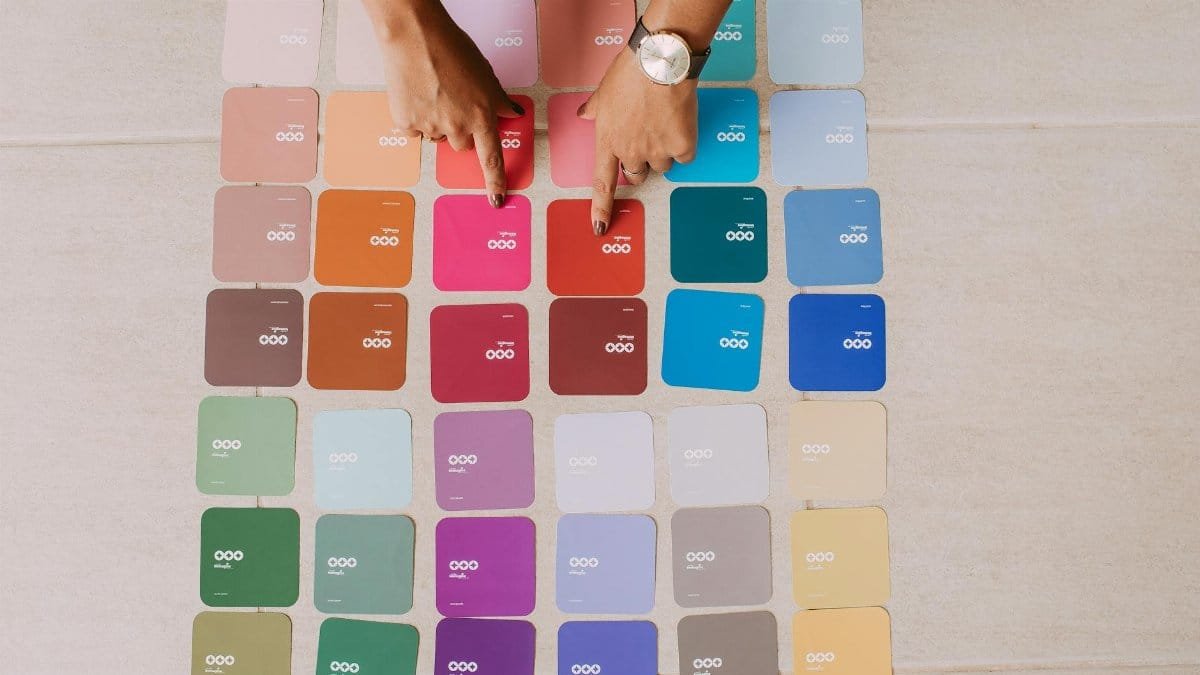
Forget stark white walls; japandi opts for muted neutrals evoking nature—soft taupes, warm beiges, charcoal grays, and occasional sage greens. These hues recede visually, making rooms feel larger. Pair with black accents for subtle drama. Designers recommend Benjamin Moore’s “Revere Pewter” for walls, tested in focus groups for its calming effect on cortisol levels. In small homes, this palette unifies chaos: mismatched thrift finds suddenly harmonize under low-saturation light.
Furniture: Less is More
Low profiles rule—platform beds, armless sofas, leggy tables that let light flow underneath. Teak or oak frames nod to both cultures’ wood reverence. Brands like Muuto and Hay offer affordable Scandi staples, while Japanese-inspired shoji screens divide without enclosing. In a 600-square-foot rental, a modular sofa-bed from Article Furniture transforms living rooms by day, bedrooms by night. The key? Pieces scaled for intimacy, avoiding oversized eyesores that dominate tight quarters.
Textures and Materials That Breathe

Natural fibers are non-negotiable: linen throws, wool rugs, rattan baskets. Imperfect grains in reclaimed wood tell stories, aligning with wabi-sabi’s beauty-in-flaws ethos. Stoneware ceramics and matte black fixtures add tactility without shine. For small homes, these choices layer depth subtly— a jute rug underfoot grounds floating floors. Sustainability sells it too; 70% of japandi adherents choose FSC-certified woods, per a 2023 Houzz survey, blending ethics with aesthetics.
Lighting the Path to Peace

Overhead fixtures? Rarely. Japandi favors diffused glows from rice-paper pendants, ceramic table lamps, and floor uplights mimicking candlelight. Warm LEDs at 2700K kelvins foster hygge coziness. In dim city basements converted to studios, strategic sconces wash walls in soft amber, erasing shadows. Pros layer three levels—ambient, task, accent—for versatility. IKEA’sTradfri smart bulbs let renters tweak moods via app, proving japandi’s renter-friendly edge.
Nature as the Ultimate Accessory

Plants aren’t decor; they’re essence. Fiddle-leaf figs in woven pots, bonsai on shelves, or preserved moss walls inject biophilia. Japanese ikebana principles guide sparse arrangements—one branch, one vase—for impact. Small-home hackers use vertical gardens on balconies or hydroponic herbs in kitchens. Studies from the University of Melbourne link such greenery to 20% stress reduction, making japandi a wellness hack disguised as style.
Affordable Hacks for Beginners

No need for a six-figure reno. Start with $200 West Elm duvet in organic cotton, thrifted teak trays from Etsy, and peel-and-stick shiplap mimicking wood paneling. Paint one accent wall in moody green. Apps like Havenly offer $79 virtual consults tailored to japandi. In Chicago’s Logan Square, millennials swap decor on Facebook Marketplace, building cohesive looks for under $500. The movement’s ethos: curate intentionally, not consume endlessly.
By Chris F. Weber