
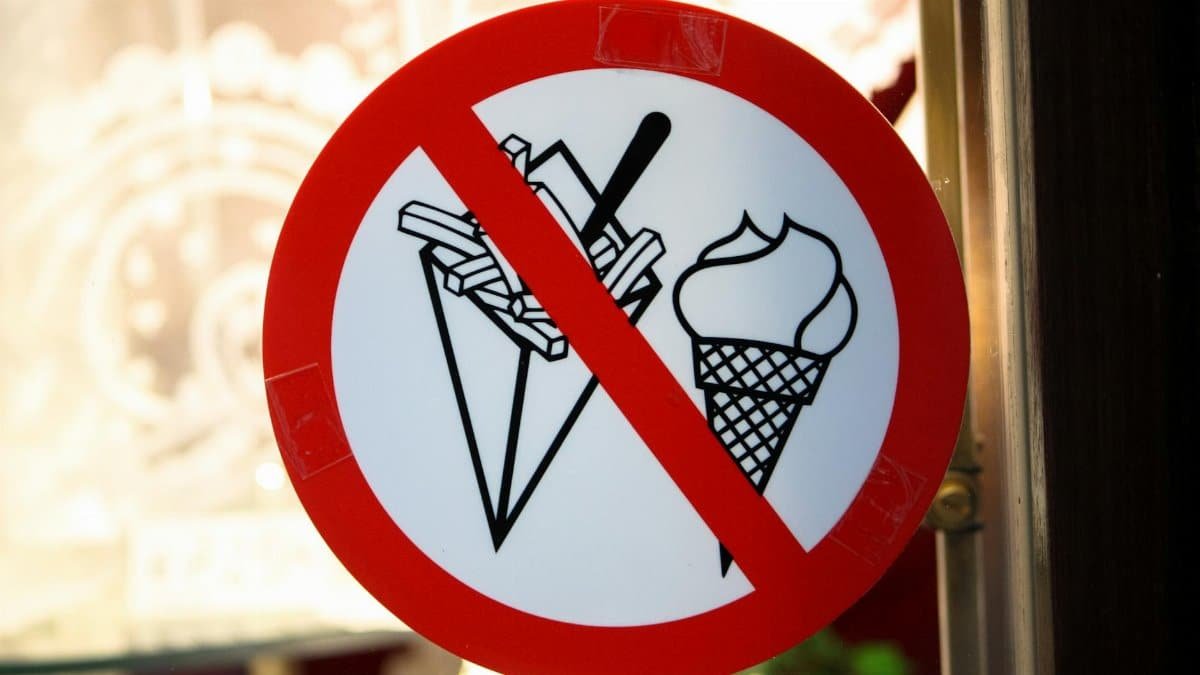
In the dim glow of a bustling neighborhood bistro, a family of four savors plates of wood-fired pizza and crisp salads, the evening unfolding with easy laughter. The menu promised affordability, yet the final bill arrives padded by mysterious line items: a 4 percent “health compliance fee,” a flat “service surcharge,” and a tip prompt inflated beyond reason. This all too common sticker shock has prompted the Federal Trade Commission to step in with its proposed ftc junk fee ban restaurants initiative, targeting deceptive add-ons that inflate costs without warning. As diners nationwide grapple with opaque pricing, the agencys move signals a broader push for transparency in an industry long reliant on hidden charges to boost profits. Will this rule reshape how we eat out?
The Anatomy of Restaurant Junk Fees
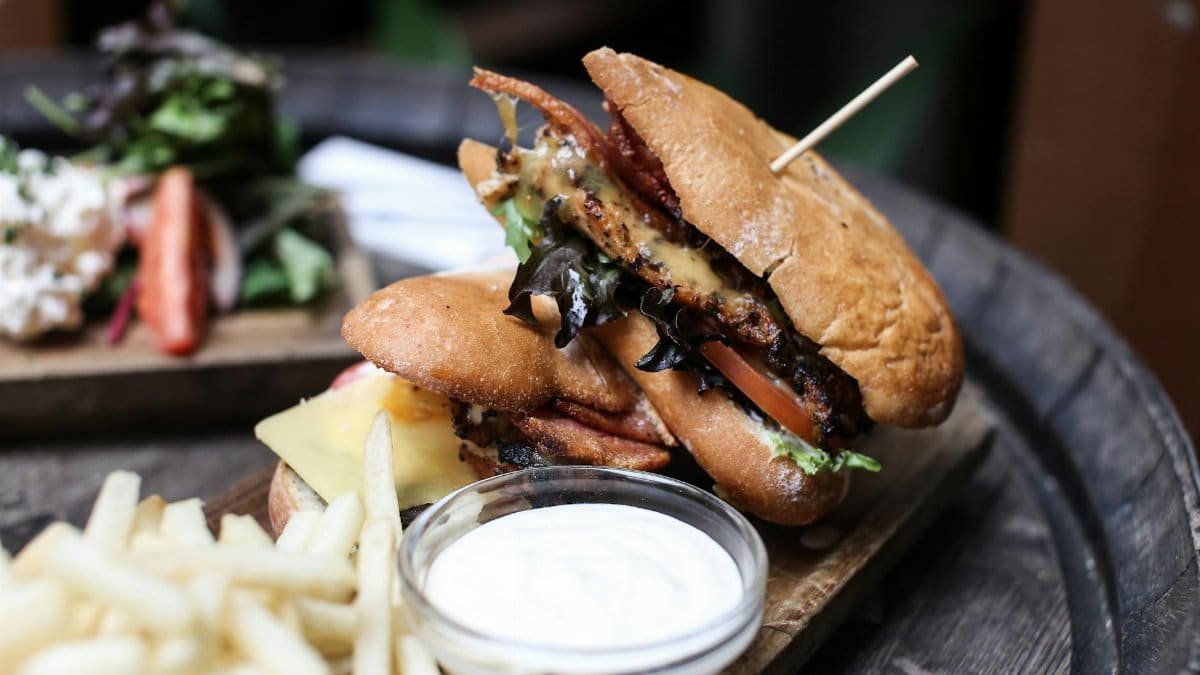
Restaurant junk fees encompass a variety of surcharges tacked onto bills after the meal, often unrelated to the core service. Common culprits include mandatory gratuities, credit card processing fees, and nebulous “employee health” or “neighborhood improvement” levies. According to a 2023 report from the consumer advocacy group Public Citizen, these fees can add up to 30 percent or more to the tab in some establishments. The FTC labels them “junk” because they masquerade as optional while functioning as compulsory, eroding trust. In high-end spots from New York to Los Angeles, patrons report fees disguised as pandemic recovery measures, even as restrictions have lifted.
FTC’s Bold Proposal Unveiled

The Federal Trade Commission announced its ftc junk fee ban restaurants rule in late 2023 as part of Chair Lina Khans aggressive consumer protection agenda. Under the proposal, businesses must display the full, all-in price upfront, folding every fee into the advertised cost. No more surprises at checkout. This aligns with similar crackdowns on ticket sellers and hotels, where hidden fees have drawn bipartisan ire. The agencys public comment period, which closed after thousands of submissions, underscored widespread frustration. Enforcement would come through civil penalties, potentially in the millions for repeat offenders.
How Diners Are Hit Hardest
For middle-income families, these fees compound the strain of dining out amid rising food costs. A meal budgeted at $100 might balloon to $130, forcing tough choices between enjoyment and finances. Surveys by the National Restaurant Association reveal that 40 percent of customers now scrutinize bills closely, with many vowing to dine out less. Low-wage workers and seniors, who treat restaurant visits as rare treats, feel the pinch most acutely. In cities like Chicago and Miami, where tourism drives eateries, junk fees exacerbate affordability woes, turning a night out into a financial regret.
Restaurant Owners Push Back

Industry leaders argue that fees fund essentials like higher wages and supply chain hikes, framing the ftc junk fee ban restaurants as an overreach that could shutter small businesses. The National Restaurant Association has mobilized, warning of menu price hikes to offset lost revenue streams. Independent operators, particularly in rural areas, say transparency sounds noble but ignores razor-thin margins—often under 5 percent post-pandemic. Chains like Darden Restaurants, which own Olive Garden and LongHorn Steakhouse, have experimented with all-in pricing in test markets, reporting mixed bag results: some sales dips, others steady.
Real-World Examples from Chain Diners
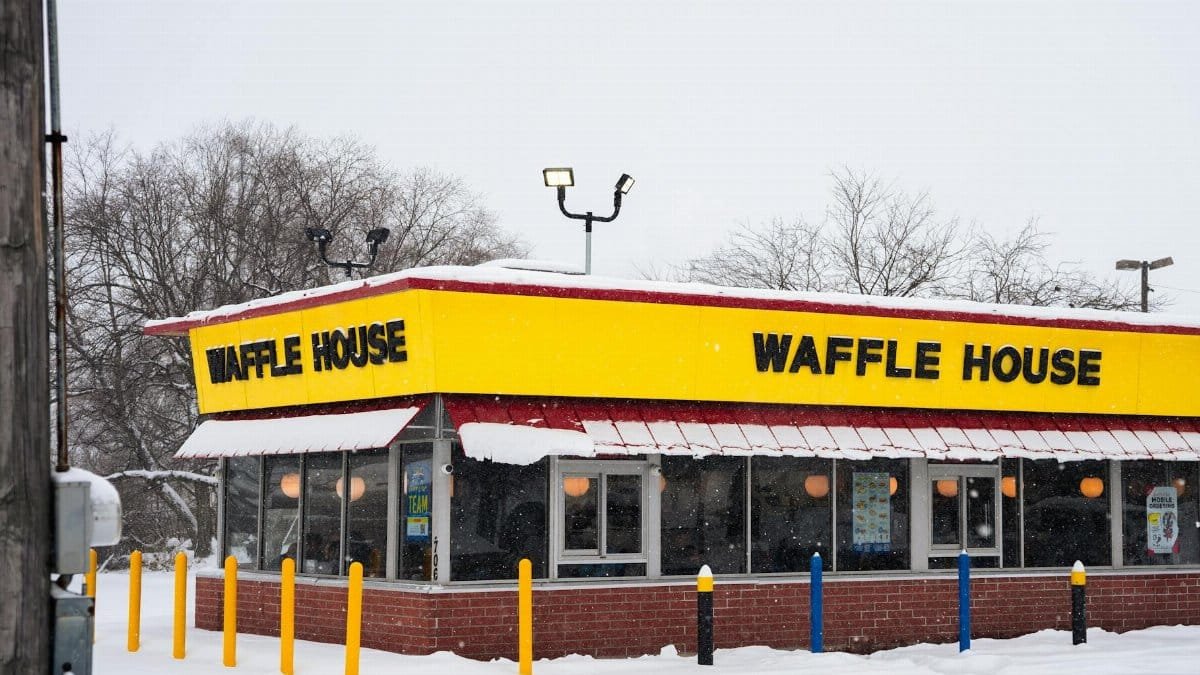
Consider Balthazar in New York, where a 4 percent fee supports staff healthcare—a practice now under scrutiny. Or California chains adding “kitchen appreciation” charges, prompting state lawsuits. Even fast-casual spots like Sweetgreen have faced backlash for tacked-on “freshness fees.” Data from Eat This, Not That highlights how these practices proliferated during COVID, with one analysis showing average fees rising 25 percent since 2020 ( source ). The ftc junk fee ban restaurants targets such ubiquity, demanding menus reflect true costs.
Legal Hurdles on the Horizon

Implementing the ban wont be straightforward. Critics predict court challenges from trade groups, citing First Amendment concerns over pricing speech. Precedents like the Supreme Courts ruling in National Pork Producers Council v. Ross suggest states rights could complicate federal uniformity. The FTC must also define “junk,” a term broad enough to invite loopholes. Commenters during the rulemaking phase urged clearer guidelines, fearing selective enforcement against mom-and-pop shops while giants adapt via lobbying.
Consumer Wins from Past Crackdowns

Prior FTC actions offer hope. The 2019 ban on hotel resort fees led to upfront pricing across major brands, saving travelers an estimated $1.1 billion annually, per agency estimates. Airlines followed suit under pressure, though slowly. In ticketing, Live Nation and Ticketmaster reformed after scrutiny. These victories bolster the case for ftc junk fee ban restaurants, proving transparency boosts competition without killing profits. Early adopters like Chick-fil-A, with no-fee menus, thrive, suggesting the industry can evolve.
Broader Ripples Across Retail

If enacted, the rule could cascade beyond eateries, pressuring retailers from gyms to event venues to clean up pricing. Economists at the Brookings Institution argue true costs foster better decisions, curbing impulse buys fueled by lowball ads. For restaurants, it might spur innovation: value menus, loyalty perks, or dynamic pricing apps. Yet in a polarized economy, some fear it politicizes everyday commerce, with conservatives decrying “nanny state” meddling and progressives cheering corporate accountability.
State-Level Momentum Builds
Several states are racing ahead. New York mandates fee disclosure by 2024, while California probes chains for deceptive practices. Minnesota and Washington have similar bills pending. This patchwork pressures the FTC to act decisively, lest confusion reigns. Local laws often mirror the federal push, with fines up to $10,000 per violation. Diners in progressive enclaves already benefit, reporting fewer shocks and more trust in listings.
Voices from the Front Lines

Servers and chefs offer nuanced takes. A Los Angeles line cook told Bloomberg that fees help cover unlivable wages, but transparency would force owners to confront labor costs head-on. In Texas, a diner owner embraced all-in pricing, seeing a 10 percent loyalty uptick. Consumer watchdogs like the Consumer Federation of America applaud the shift, citing studies showing transparent pricing lifts satisfaction scores by 20 percent ( source ). The ftc junk fee ban restaurants debate thus pits equity against expediency.
Path Forward for Fair Dining

As the FTC finalizes rules, expected by mid-2024, restaurants face a reckoning. Tech solutions like AI-driven menus could automate compliance, while trade associations pivot to education campaigns. For consumers, vigilance remains key: snap photos of menus, query fees upfront. Ultimately, this push restores dining as delight, not dread. In an era of economic unease, clearer bills promise not just savings, but sanity—a small price for big change.
By Natasha Weber
document.addEventListener(‘DOMContentLoaded’, function() { console.log(‘Article word count: ‘ + document.body.innerText.split(/s+/).length); });