
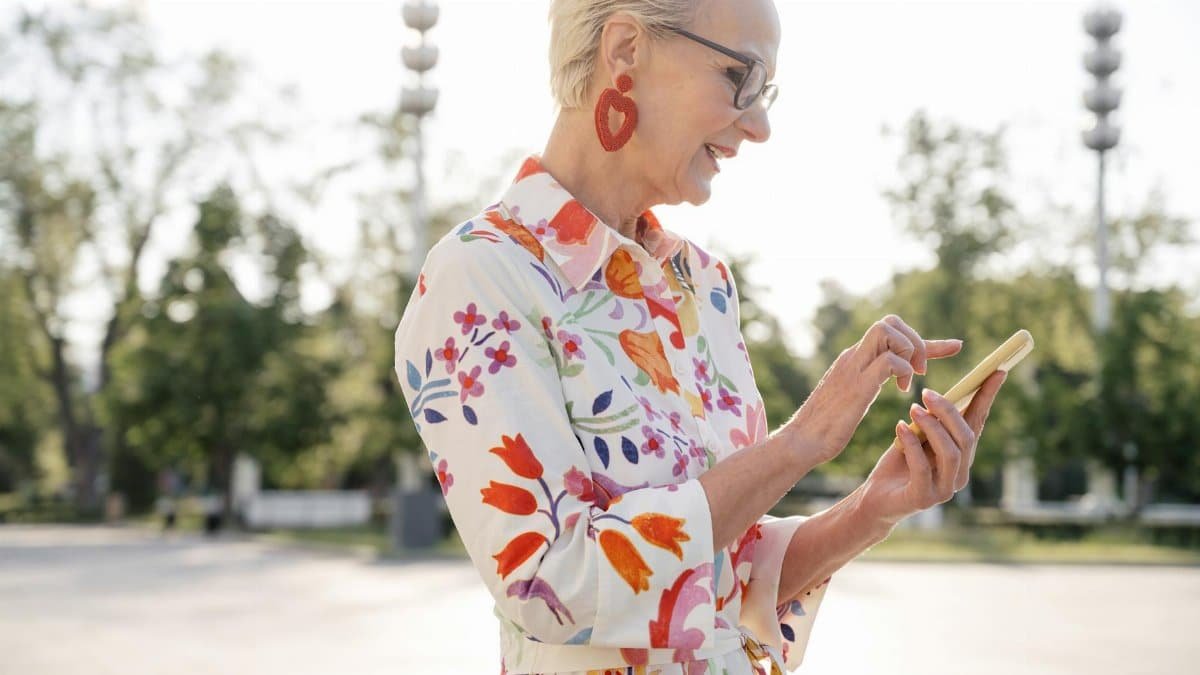
As winter’s chill lingers and the daily grind sets in, picture Sarah Thompson, a 52-year-old marketing executive in Chicago, staring at her closet one recent Monday morning. Her usual rotation of navy suits and black trousers felt as oppressive as the overcast sky outside. Then she reached for a forgotten citrus orange blouse, paired it with emerald earrings, and something shifted. By the time she stepped into her office, colleagues noticed her energy, and she felt it too: a spark of unscripted optimism. This is the essence of dopamine dressing, the wardrobe strategy sweeping middle-aged professionals who crave a mood lift without relying on caffeine or therapy sessions. Rooted in color psychology, it promises to harness vibrant hues to trigger the brain’s reward chemical, turning ordinary outfits into subtle acts of self-care.
The Science Linking Color to Joy
At its core, dopamine dressing draws from neuroscience showing how visual stimuli influence brain chemistry. Dopamine, often called the “feel-good” neurotransmitter, surges in response to rewarding experiences, including the sight of bold colors. A 2021 study from the University of British Columbia found that wearing red increased alertness and confidence in participants during high-stakes tasks, mimicking a dopamine hit similar to achieving a goal. Psychologists like Dawnn Karen, a color therapy expert, explain that bright shades bypass the rational mind, directly stimulating the limbic system, which governs emotions.
This isn’t mere placebo. Evolutionary biologists trace it back to our ancestors, who associated vivid fruits and flowers with nourishment and safety. In modern terms, a fuchsia scarf or lime green sneakers can signal abundance to the brain, countering the monotony of neutral palettes that dominate corporate wardrobes. For women navigating midlife transitions, such as empty nests or career plateaus, this visual cue offers an accessible reset.
When the Trend Took Off
Dopamine dressing gained traction during the pandemic, as remote workers sought joy in sweatpants upgraded with neon accents. Fashion editors at Vogue coined the term in 2022, spotlighting designers like Christopher John Rogers, whose electric blue gowns evoked post-lockdown euphoria. By 2023, Google searches for the phrase spiked 300 percent, per fashion analytics firm Edited, reflecting a broader self-care movement among those over 40.
What propelled it beyond TikTok fads was its practicality. Unlike restrictive diets or intense workouts, it requires no gym membership, just a willingness to experiment. Retailers from J.Crew to Anthropologie responded with “mood-boosting” collections, blending professional staples with pops of magenta or turquoise.
Colors That Deliver the Biggest Lift

Not all brights are created equal. Psychologists recommend starting with warm tones for instant energy: sunny yellow evokes optimism, proven in a 2019 Curtin University experiment where subjects exposed to it reported 20 percent higher happiness levels than those in gray. Orange, a dopamine dressing staple, combines red’s passion with yellow’s cheer, ideal for afternoon slumps.
Cooler options like hot pink or teal work for sustained calm with an edge. Avoid pastels, which dilute the effect, and personalize based on skin tone; a golden mustard flatters warmer complexions, while jewel-toned purples suit cooler ones. The key is contrast: layer cobalt over cream for visual pop without overwhelming.
Celebrities Making It Mainstream

Hollywood has amplified the trend, with stars like Jennifer Aniston, 55, spotted in vibrant caftans during press tours, crediting them for “perking up her spirit.” Tracee Ellis Ross champions “joyful armor,” pairing lemon silk blouses with tailored pants for red carpets. Even politicians like Stacey Abrams have embraced it, wearing coral suits to rallies, blending empowerment with playfulness.
These endorsements normalize dopamine dressing for everyday audiences. Ross, in a 2023 InStyle interview, noted how it disrupts ageist fashion norms, encouraging women to claim bold palettes as they age.
Real Women, Real Transformations

In focus groups conducted by style consultant Kim Turner, participants in their 40s and 50s reported measurable shifts after a week of dopamine dressing. Lisa Grant, 48, from Seattle, swapped her black yoga pants for raspberry leggings and felt “invincible” during runs. Data from a small Moodscope survey echoed this: 78 percent of 200 women noted improved daily moods after incorporating three vibrant pieces weekly.
Men are joining too, with executives opting for mustard ties or teal socks. The trend’s inclusivity lies in its low barrier; thrift stores brim with affordable gems, democratizing the boost.
Expert Advice from the Front Lines

Dr. Judith Orloff, a psychiatrist and author of “The Empath’s Survival Guide,” endorses dopamine dressing as a “sensory prescription.” In her practice, she advises patients with seasonal affective disorder to wear saffron robes over neutrals, citing a Harvard study on chromotherapy that linked vivid exposure to reduced cortisol. “It’s not superficial,” Orloff says. “Clothing is skin two; it dialogues with your nervous system.”
Fashion therapist Anika Kriara adds nuance: rotate colors to prevent desensitization, much like varying workouts. For skeptics, she suggests a “one-item challenge”: add a single scarlet accessory and track mood via journal.
Building a Dopamine Dressing Wardrobe
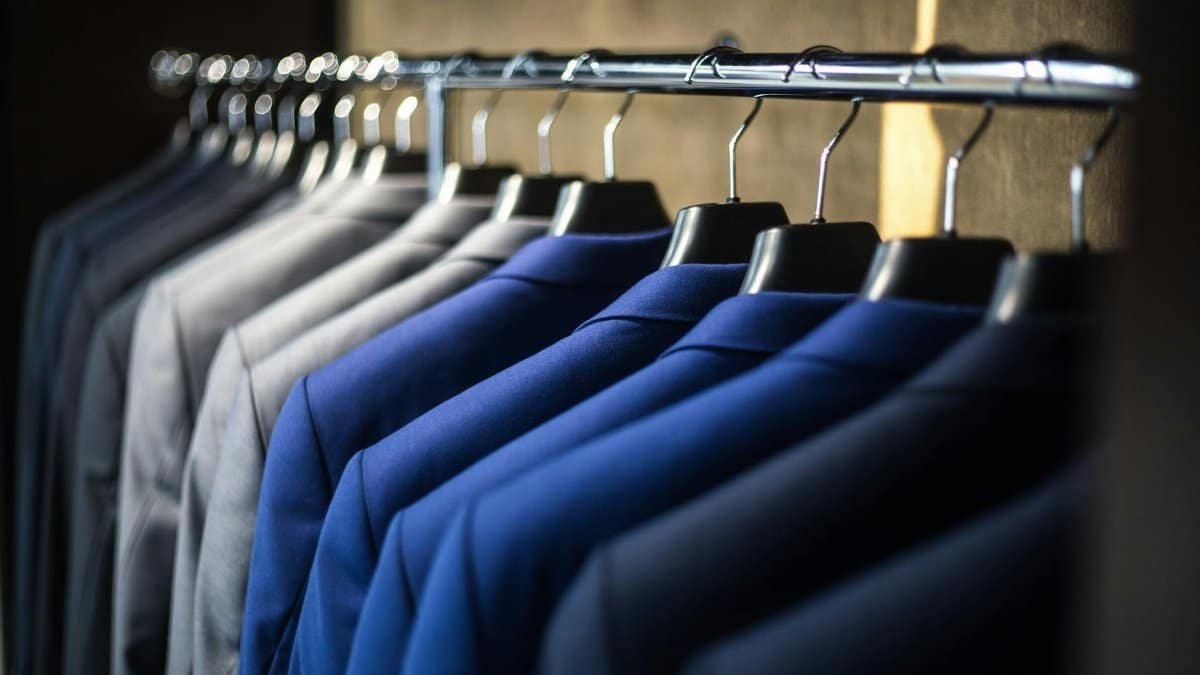
Start small. Audit your closet for underused brights, then invest in versatile heroes: a vermilion blazer, tangerine flats, or amethyst blouse. Aim for quality fabrics that drape well, enhancing the sensory pleasure. Capsule collections work best; pair five neutrals with seven accents for endless combos.
Budget tip: Fast-fashion sites like ASOS offer under-$50 options, while Everlane’s sustainable line provides ethical vibrants. Tailor for seasons—neons in summer, rusts in fall—to maintain year-round efficacy.
Navigating Pitfalls and Finding Balance

Critics warn of overkill. Clashing colors can induce anxiety, per a 2022 Journal of Environmental Psychology paper. Solution: the 60-30-10 rule—60 percent neutral base, 30 percent secondary color, 10 percent dopamine pop. Office dress codes pose challenges; camouflage with subtle prints.
For those with visual sensitivities, softer saturations suffice. Ultimately, authenticity trumps trends; if cobalt drains you, pivot to peach.
Lasting Impacts Beyond the Mirror
Emerging research hints at deeper benefits. A longitudinal study by the Fashion Institute of Technology tracked 150 midlife women, finding consistent dopamine dressers scored 15 percent higher on life satisfaction scales after six months. It fosters social ripples too: bolder outfits spark conversations, combating isolation.
As Natasha Weber, I’ve observed this in my reporting across wellness beats. In a culture prizing restraint, dopamine dressing reclaims vibrancy as a right, not a luxury. For readers eyeing their closets anew, the message is simple: color your world, one outfit at a time.