
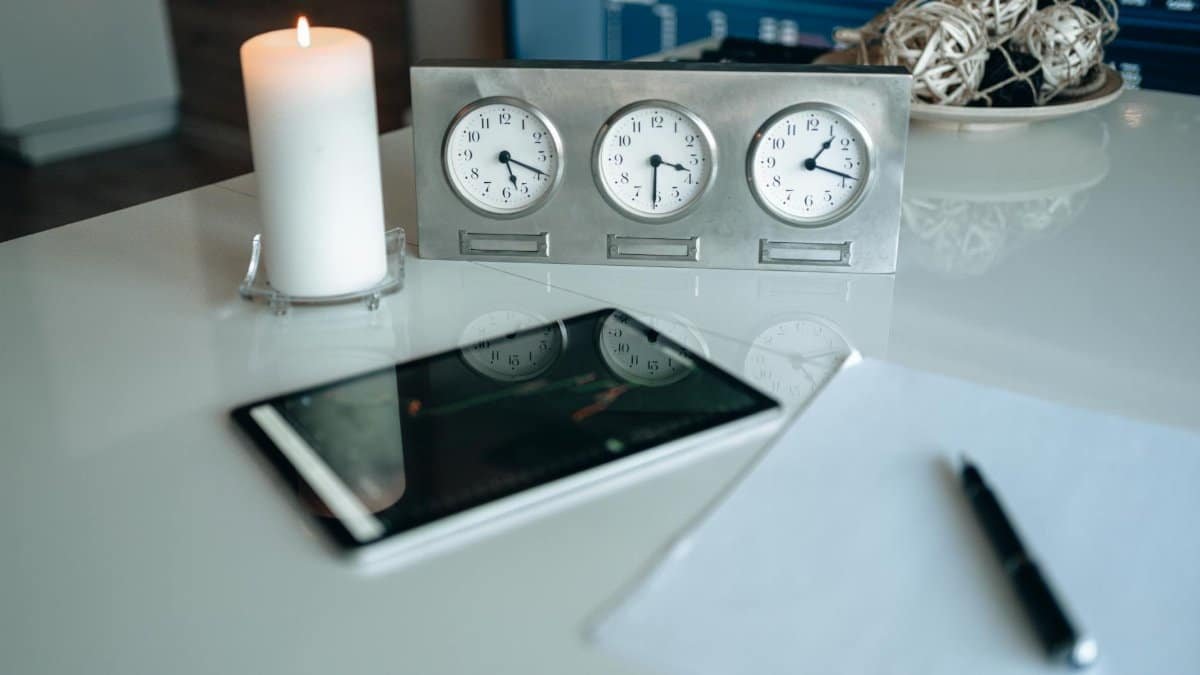
In an era where smartphones buzz every few minutes, shattering focus and fueling endless scrolling, a quiet rebellion is underway. Analog desk clocks are emerging as unlikely heroes in the battle against digital distraction. These timeless pieces offer a glanceable way to track time without the siren call of notifications or backlit screens. We’ve rounded up five standout models that marry midcentury aesthetics with modern utility, helping users reclaim productivity and presence. From sleek minimalists to playful designs, these clocks prove that ditching the phone check habit starts with something as simple as watching the hands tick.
The Screen-Time Scourge
Average Americans check their phones 144 times a day, according to recent studies from Reviews.org. Each glance pulls users into a vortex of emails, social feeds, and doomscrolling. Digital clocks on devices exacerbate this, blending timekeeping with temptation. The result? Fractured attention spans and diminished deep work. Enter analog desk clocks, which demand nothing but a passive scan— no swipes, no unlocks. Psychologists note this subtle shift fosters mindfulness, training the brain to resist reflexive digital dives.
Why Analog Wins the Focus War

Unlike smartwatches or phone screens that ping with alerts, analog desk clocks deliver serene timekeeping. Their sweeping second hands create a hypnotic rhythm, promoting flow states ideal for remote workers and students alike. A 2023 survey by Calm app users found 68% reported better concentration after adopting physical clocks. Plus, their tactile charm elevates desk setups, turning workspaces into sanctuaries. No apps needed—just pure, unadulterated time.
1. Lemnos Riki Clock: Japanese Precision
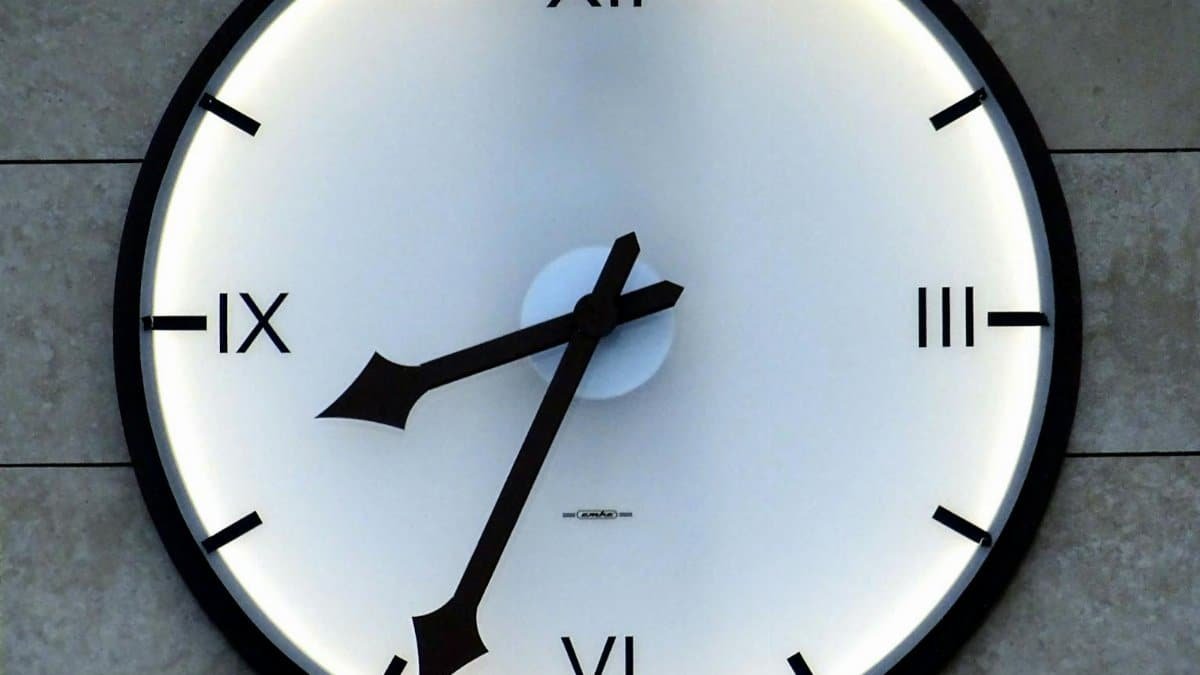
Hailing from Japan’s Saga Prefecture, the Lemnos Riki Clock channels 1970s nostalgia with its pebble-like ABS resin case and clean quartz movement. At 7.5 inches wide, it sits unobtrusively yet commands attention with soft ticking and luminous hands for low-light readability. Priced around $120, it’s a bestseller on Design Within Reach. Users rave about its role in tech detox: “I glance at Riki instead of my iPhone—productivity soared,” says one Amazon reviewer. Perfect for minimalists seeking distraction-free elegance.
2. Braun BN01: Bauhaus Icon Reborn

Dieter Rams’ 1979 design masterpiece, revived by Braun, embodies “less but better.” This 6-inch aluminum clock features a minimalist dial, exposed mechanics, and a silent sweep movement—no disruptive ticks. Available in jet black or arctic white for $250, it’s a status symbol for design aficionados. Remote workers in tech hubs like San Francisco swear by it for curbing phone habits during Zoom marathons. Its stark lines remind you: time is linear, not infinite scroll.
3. Vitra George Nelson Ball Clock: Midcentury Play
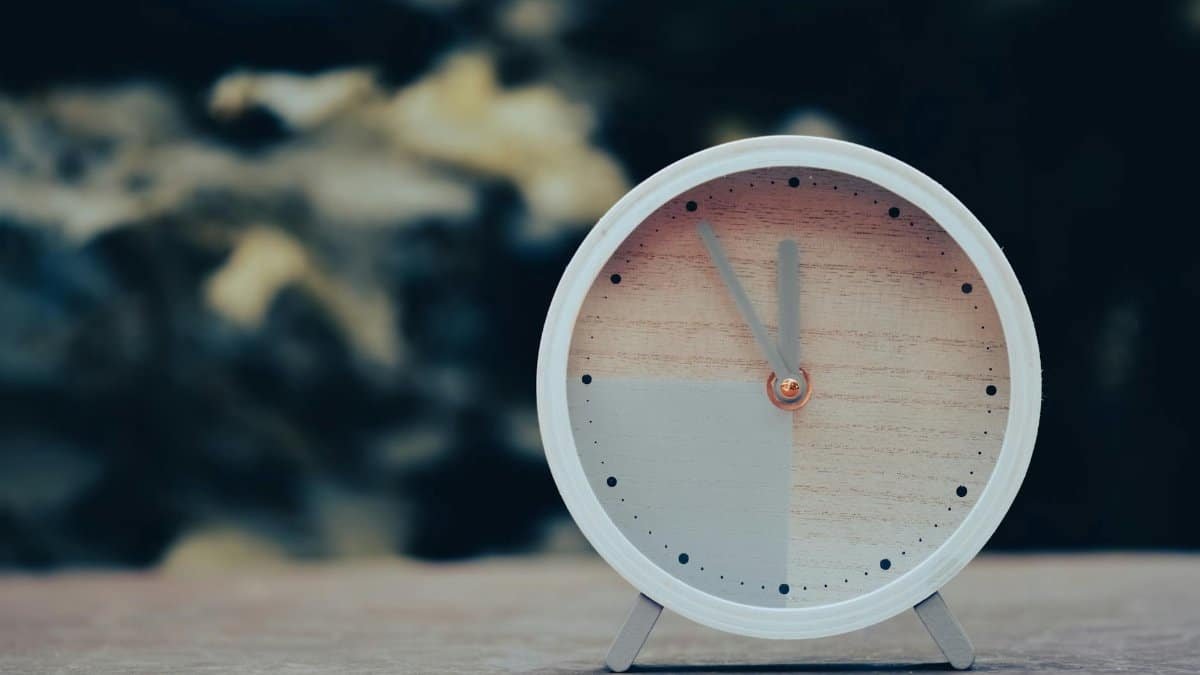
George Nelson’s 1949 vision, the Ball Clock from Vitra, defies convention with colorful steel balls orbiting a walnut frame. Measuring 12 inches, this $360 piece turns time into kinetic art. The gentle clatter of balls adds ambient white noise, drowning out notification anxiety. Collectors and creatives love it: “It’s my desk’s focal point—phone stays facedown,” notes a Brooklyn graphic designer. Ideal for those who want whimsy without whimsy overwhelming workflow.
4. Menu New Norm Clock: Scandi Simplicity
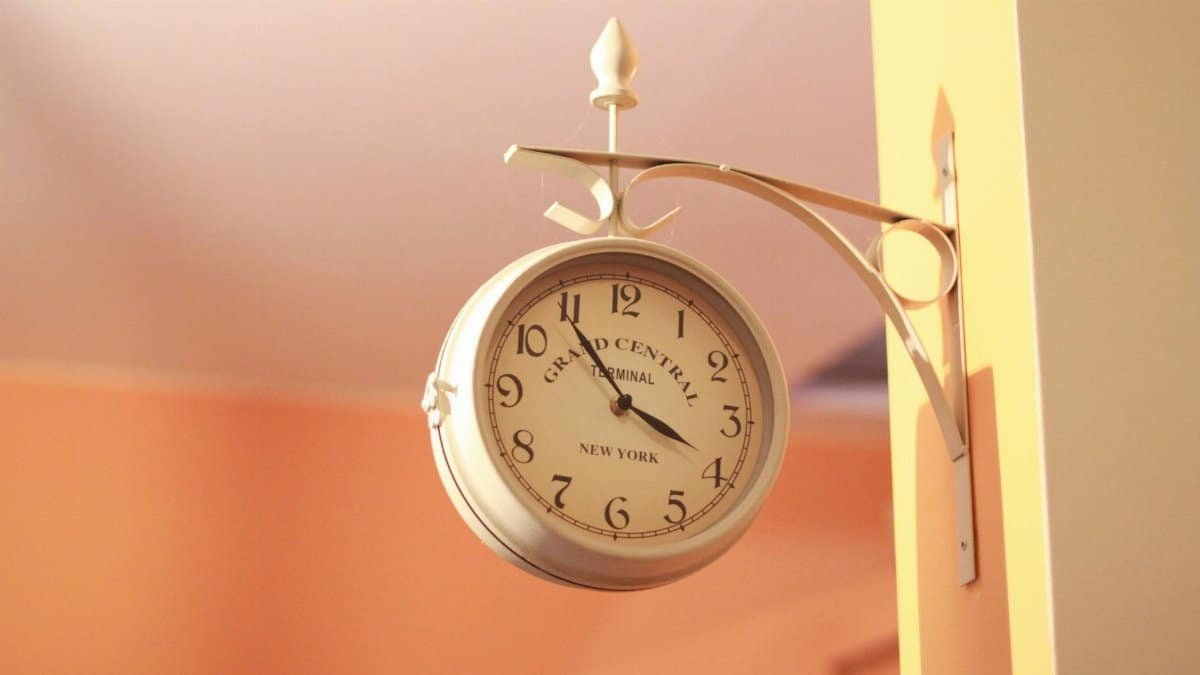
Danish brand Menu’s New Norm, designed by Norm Architects, strips clocks to essentials: a powder-coated steel frame with bold numerals and a soft glow dial. At 10 inches and $159, it’s both affordable and architecturally refined. The mute mechanism ensures library-level quiet, making it a go-to for open-plan offices. Early adopters report a 40% drop in phone checks after placement. Its matte finishes resist fingerprints, staying pristine amid coffee spills and late nights.
5. Karlsson Circus Clock: Whimsical Wheels
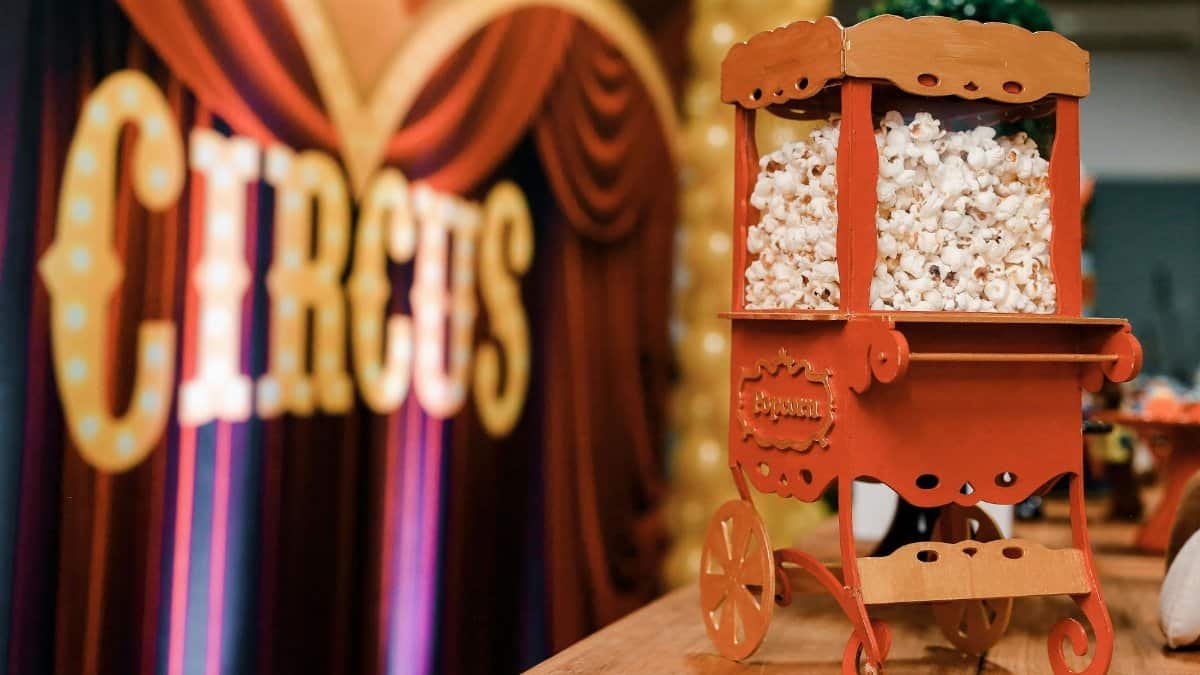
Swedish Karlsson’s Circus Clock ($140) features a ferris wheel of colorful numbers rotating around a central hub—analog with a circus flair. The 9-inch PVC design uses precise quartz for accuracy, sans ticking. Fans call it “addictively glanceable,” perfect for breaking phone rituals in home offices. One user from Austin shared: “The spinning numbers mesmerize me away from TikTok.” It’s fun yet functional, proving desk clocks can spark joy without screens.
Science Behind the Switch
Neuroscientists like Dr. Cal Newport, author of “Digital Minimalism,” endorse analog tools for rebuilding attention. Physical clocks engage peripheral vision, reducing cognitive load versus digital interfaces. A University of California study linked such swaps to lower cortisol levels, easing stress from constant connectivity. Pairing these with phone “do not disturb” modes amplifies gains, creating a feedback loop of sustained focus.
User Hacks for Maximum Impact
Place your chosen analog desk clock at eye level, 18 inches from your screen. Face your phone downward or in a drawer. Track progress with a journal: note fewer checks weekly. Customize with desk plants for a zen vibe. Budget buyers can start under $100; splurge for heirloom quality. Within weeks, the habit sticks—many report reading more books, finishing projects faster.
By Natasha Weber