
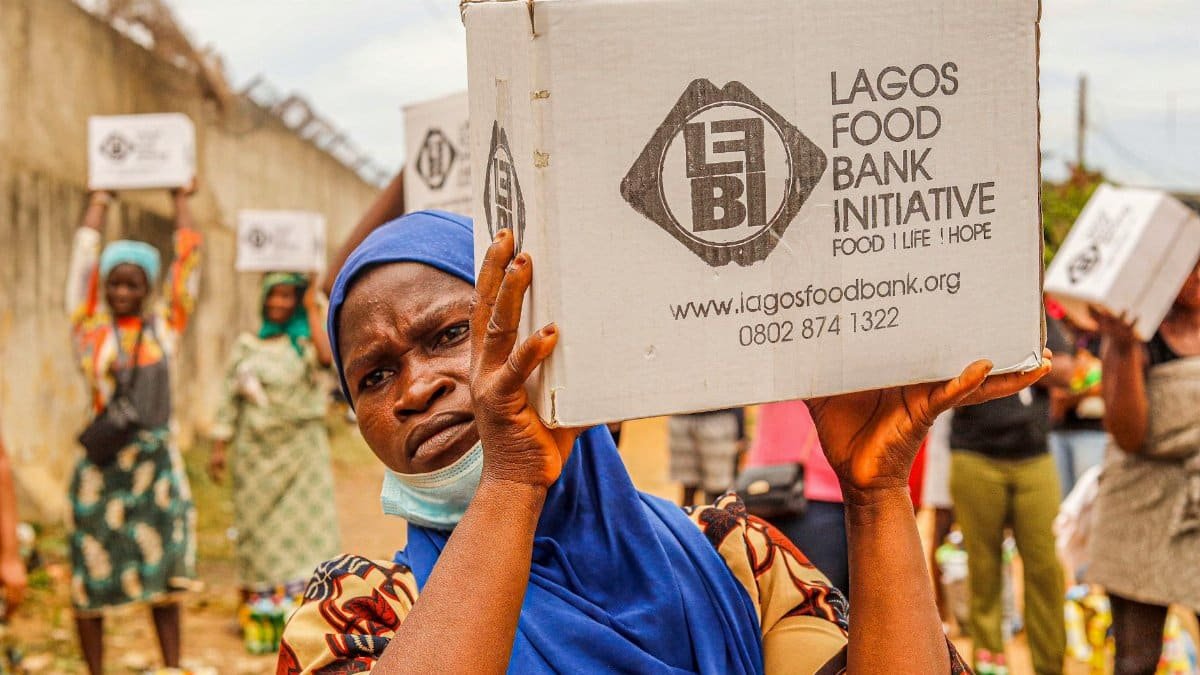
In the heart of Detroit’s east side, where vacant lots once symbolized economic decline, a group of residents gathers monthly under a community center’s fluorescent lights. Envelopes stamped with neighborhood names pass from hand to hand: packets of heirloom carrots, drought tolerant basil, and purple podded peas. This ritual, simple yet profound, marks the operation of one of the city’s burgeoning urban seed banks. These repositories of genetic diversity are not sterile vaults like their rural counterparts but lively hubs fostering self reliance among city dwellers. As climate uncertainties mount and grocery prices climb, these initiatives offer a pathway for neighborhoods to reclaim control over their food supply, one seed at a time.
The Origins of Grassroots Seed Saving
Urban seed banks trace their lineage to the broader seed saving movement that gained traction in the 1970s amid concerns over corporate control of agriculture. Pioneers like Kent Whealy founded Seed Savers Exchange in rural Iowa, but the concept soon migrated to cities. In places like Philadelphia and Oakland, early adopters adapted the model to fit dense populations and limited space. By the 2010s, as urban farming exploded, seed banks proliferated. Today, organizations like the Philadelphia Seed Bank Collective maintain libraries of over 200 varieties, all donated and stewarded by volunteers. These efforts counter the dominance of hybrid seeds from big agribusiness, preserving open pollinated strains that gardeners can replant year after year.
How Neighborhood Seed Libraries Operate

Unlike formal institutions, urban seed banks function more like lending libraries. Patrons borrow seeds, grow them out, and return multiples of the harvest the following season. This borrow and replenish cycle ensures sustainability without financial transactions. In Seattle’s Beacon Hill neighborhood, the local seed bank uses a simple honor system with labeled jars on shelves. Volunteers curate catalogs, host workshops on germination rates, and track which varieties thrive in local microclimates. Digital apps now supplement physical collections, allowing users to log successes and request rare types. The model democratizes access, requiring no membership fees and welcoming newcomers with starter kits.
Fostering Community Bonds Through Swaps

Seed swaps serve as the social glue for these initiatives. Annual events draw hundreds, transforming parks into bustling markets of knowledge exchange. In Chicago’s Englewood community, a seed swap last spring featured live music, cooking demos with homegrown produce, and storytelling circles where elders shared heirloom recipes. Participants not only trade seeds but also tips on pest management and soil amendment in lead contaminated urban soils. These gatherings build trust and mutual aid networks, essential in underserved areas where fresh produce remains scarce. Studies from the Journal of Community Practice highlight how such events strengthen social capital, reducing isolation in fragmented cityscapes.
Success Stories from Concrete Jungles

Baltimore’s Broadway East neighborhood exemplifies the transformative power of seed banks. Starting with a single lot in 2018, residents accessed seeds from the city’s Urban Farming Seed Library and cultivated over 50 gardens within two years. Yields supplied weekly shares to 200 families, slashing reliance on food pantries. Similarly, in Los Angeles’ Watts, the seed bank at the Ron Finley-founded guerrilla garden has propagated heat resilient chard and melons suited to Southern California’s extremes. These stories underscore measurable impacts: improved nutrition, lower carbon footprints from reduced food transport, and beautified streets that deter crime.
Navigating Urban Gardening Challenges

City environments pose unique hurdles for seed banks. Contaminated soils demand remediation techniques like raised beds filled with imported compost. Pests thrive in proximity to wildlife corridors, prompting integrated pest management reliant on companion planting. Space constraints favor vertical gardening and container methods, with seed banks prioritizing compact varieties. Water scarcity in drought prone regions like Phoenix has led to xeriscaping focused collections. Despite these obstacles, innovation flourishes. A report from the Urban Agriculture Initiative at the University of California, Davis (available at here ) details how seed libraries adapt through citizen science, crowdsourcing data on varietal performance.
The Role of Heirloom Varieties in Resilience
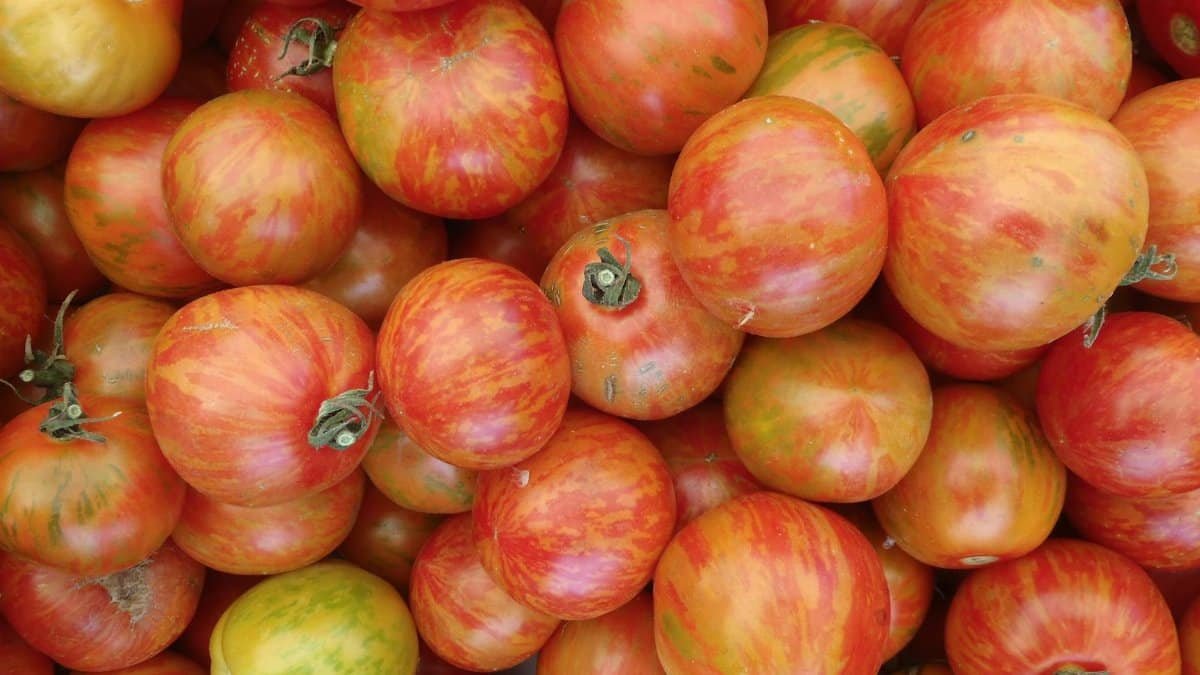
At the core of urban seed banks lies a commitment to biodiversity. Heirloom seeds, passed down generations, offer genetic diversity absent in uniform commercial crops. This matters amid climate shifts: a tomato bred for 19th century summers might falter today, while landraces from arid regions endure. Banks curate collections reflecting local needs, such as mildew resistant squash for humid East Coast cities. Research from the Svalbard Global Seed Vault inspires but contrasts with urban models, which emphasize use over mere preservation. By circulating living seeds, these banks build adaptive food systems tailored to neighborhood realities.
Seed Banks and Broader Food Justice

These initiatives intersect with food justice movements, addressing inequities in access to healthy food. In food deserts like parts of Memphis, seed banks partner with schools to integrate gardening into curricula, teaching children self sufficiency. Women led groups in Atlanta’s West End use them to combat diet related diseases prevalent in Black communities. Economically, they stretch budgets: a single packet yields pounds of produce, offsetting rising costs. Advocates argue this grassroots approach empowers marginalized voices, bypassing top down aid. As one Detroit organizer noted in a profile by NPR ( here ), “Seeds are sovereignty in envelope form.”
Policy Support and Institutional Partnerships

Growing recognition has spurred policy shifts. Cities like Cleveland offer zoning variances for community gardens, while grants from the USDA’s Urban Agriculture program fund seed bank expansions. Partnerships with botanic gardens provide expertise; for instance, the New York Botanical Garden lends propagation space to Bronx seed libraries. Nonprofits like Seed Matters advocate federally, pushing for incentives to grow diverse crops. Challenges persist, including intellectual property disputes over traditional varieties, but momentum builds. By 2023, over 100 U.S. cities hosted formal urban seed banks, per a tally from the American Community Gardening Association.
Looking Ahead: Scaling Urban Seed Networks

The future holds promise for networked seed banks, potentially linked via national databases for swapping rare accessions. Climate modeling could guide curation, prioritizing traits like flood tolerance. Educational outreach might expand to corporate campuses, greening urban cores. Yet sustainability hinges on volunteer retention and funding. As neighborhoods nationwide embrace this model, urban seed banks emerge not just as repositories but as catalysts for resilient communities. In an era of supply chain fragility, they remind us that the power to nourish lies within reach, sown in the soil of collective effort.