
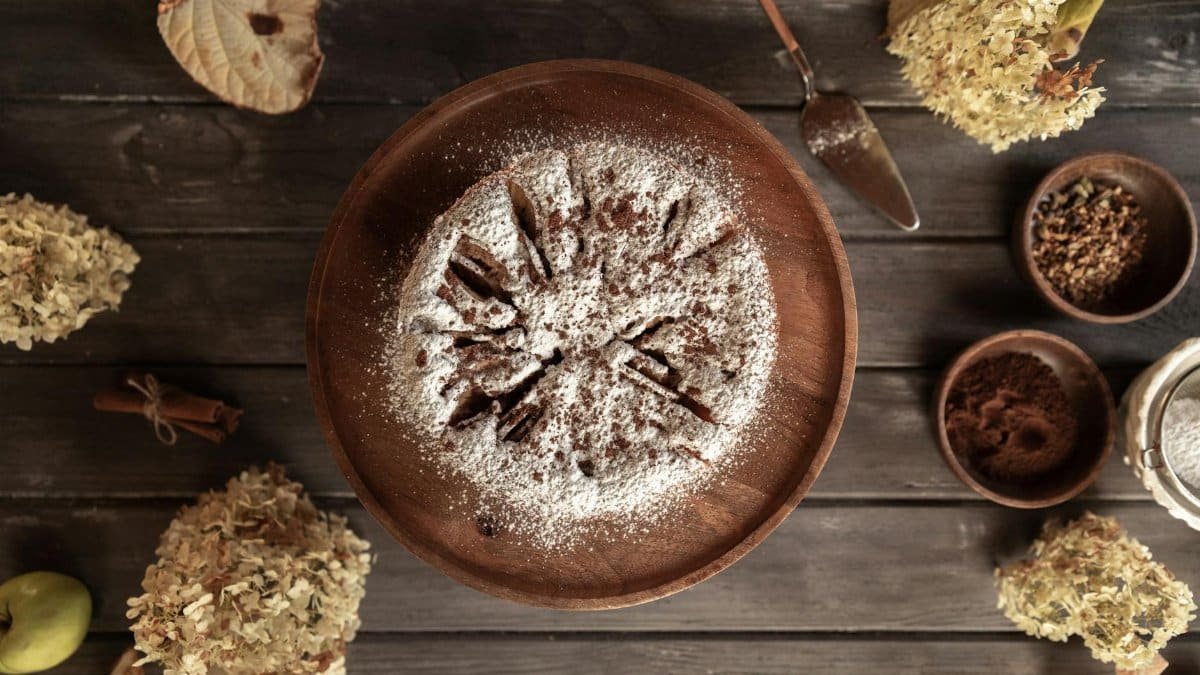
In the shadowed kitchens of 14th-century England, cooks stirred pots over open hearths, crafting sweets that blended rare spices with humble grains. These medieval recipes, preserved in manuscripts like The Forme of Cury, might seem worlds away from today’s precise ovens and measuring cups. Yet many are astonishingly simple to recreate, using ingredients available at any supermarket. Gingerbread laced with breadcrumbs, cheese tarts infused with saffron, honey cakes that puff like modern muffins, these forgotten gems reveal a sophisticated palate long overshadowed by Renaissance excess. Today, as home bakers seek novelty amid endless chocolate chip variations, these dishes offer a direct line to history, proving that some of the best flavors never truly faded.
Gyngbread: The Spiced Loaf That Traveled with Crusaders
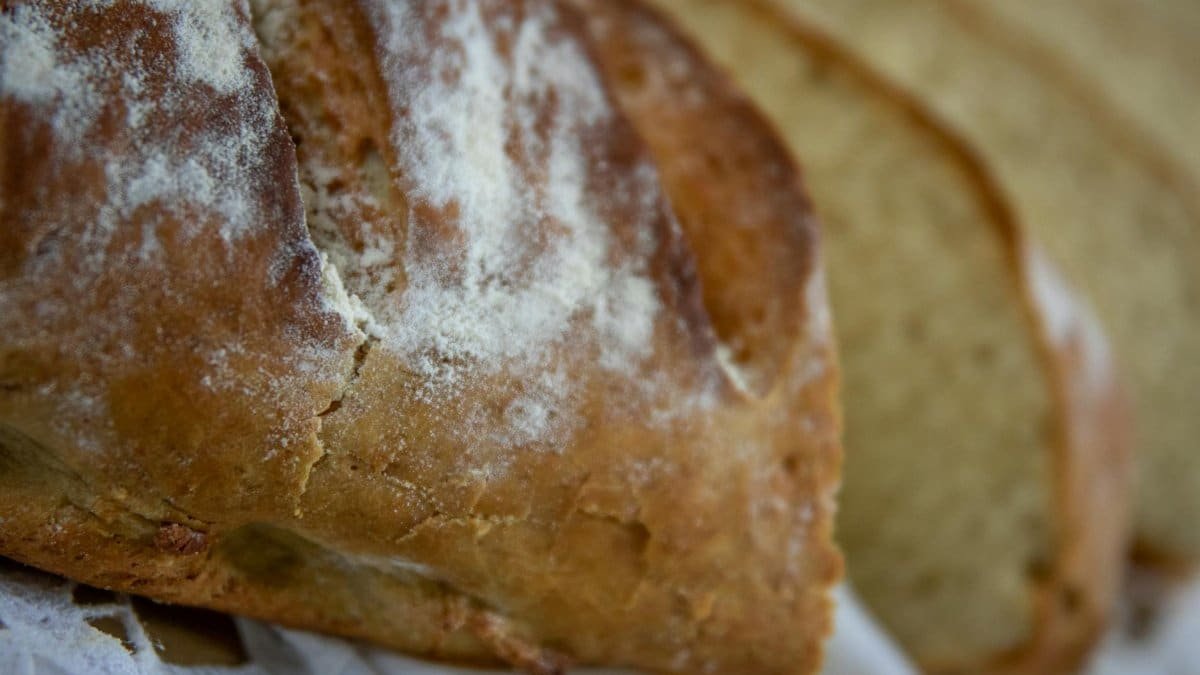
Gyngbread, a staple in medieval feasts, arrived in Europe via the Crusades, where returning knights carried tales of Eastern confections. This dense, chewy bread, far from the iced cookies of today, relied on breadcrumbs and honey for structure. Historians note its presence in royal courts, as detailed in the 1390s Forme of Cury cookbook ( view original text ).
Modern adaptations swap medieval staples for pantry basics. Combine 2 cups breadcrumbs, 1 cup honey, 1/2 cup ground almonds, 1 teaspoon each of ground ginger and cinnamon, and a pinch of white pepper. Mix into a thick paste, press into a greased loaf pan, and bake at 350 degrees Fahrenheit for 30 minutes until firm. Cool, slice, and serve with mead or tea. The result is earthy and aromatic, evoking castle banquets without the hassle of grinding spices by hand.
Sampsons Cakes: Barley Treats for the Common Folk
Named perhaps for a biblical strongman, Sampsons cakes appear in 15th-century English records as affordable indulgences for peasants. Made with barley flour, a cheap grain then, they were baked into small, hearty rounds sweetened with honey and studded with currants. Unlike elite pastries, these emphasized durability for travel.
To bake today, sift 2 cups barley flour with 1 teaspoon baking powder and a dash of salt. Stir in 1/2 cup softened butter, 1/3 cup honey, 1 egg, and 1/2 cup currants. Form into 2-inch patties and bake on a parchment-lined sheet at 375 degrees for 15 to 20 minutes, until golden. Their nutty crunch pairs well with cheese, bridging medieval thrift with contemporary snacking.
Jumbles: The Original Twisted Cookies

Jumbles trace to the late Middle Ages, with recipes in 16th-century texts evolving from earlier knot-shaped doughs flavored with rosewater and anise. Bakers twisted them into figure-eights for luck, selling them at fairs. A 1588 book by Thomas Dawson describes their simplicity ( historical reference ).
Whisk 2 cups flour, 1/2 cup sugar, 1/2 cup butter, 2 eggs, 1 teaspoon anise seeds, and rosewater to taste. Roll into ropes, twist into knots, and bake at 350 degrees for 12 minutes. Crisp outside, tender within, they surprise with floral notes absent in most cookies, ideal for afternoon tea.
Darioles: Custard Tarts with a Saffron Glow
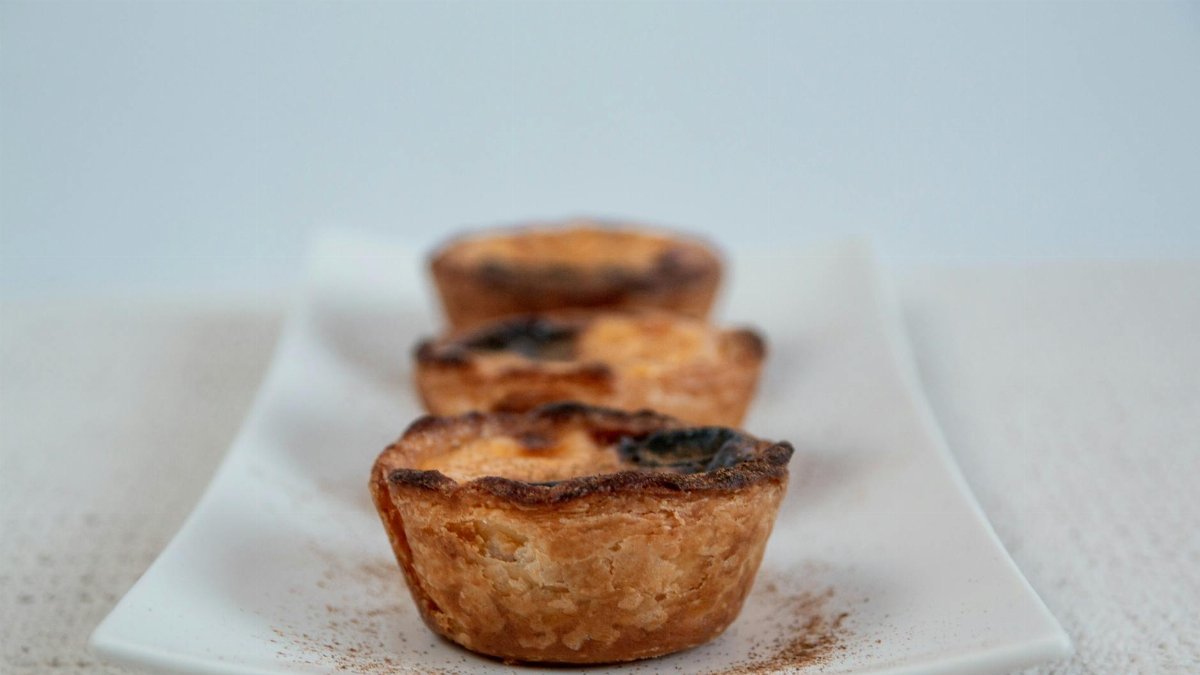
These elegant tarts, filled with creamy custard and a hint of saffron, graced noble tables in the 14th century. Darioles from Le Menagier de Paris highlight eggs and almond milk, baked in pastry shells for a luxurious yet straightforward dessert.
Line muffin tins with shortcrust pastry. Whisk 2 eggs, 1 cup almond milk, 1/4 cup sugar, and a pinch of saffron threads steeped in warm water. Pour into shells and bake at 375 degrees for 20 minutes. The golden hue and silky texture evoke opulence, easily achieved without medieval alchemy.
Cheesecakes from the Forme of Cury
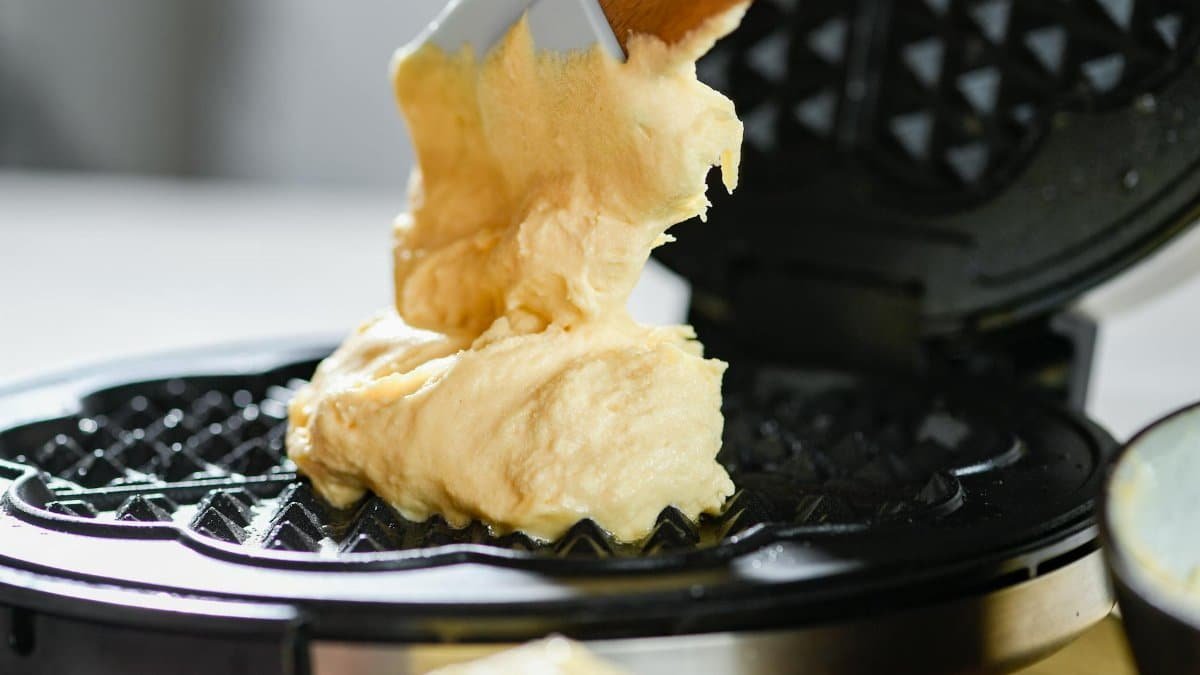
Medieval cheesecakes bore little resemblance to New York giants; they were petite, spiced curd tarts baked in pastry coffins. The Forme of Cury offers a recipe blending curds, saffron, and ginger, served at coronations.
Press 1 1/2 cups ricotta or farmer’s cheese into 12 small pastry shells. Mix with 1/4 cup sugar, 1 egg, 1/2 teaspoon ginger, and saffron. Bake at 350 degrees for 25 minutes. Light and fragrant, they refresh palates weary of heavy desserts.
Fine Cakes: Buttery Rounds with Caraway Seeds
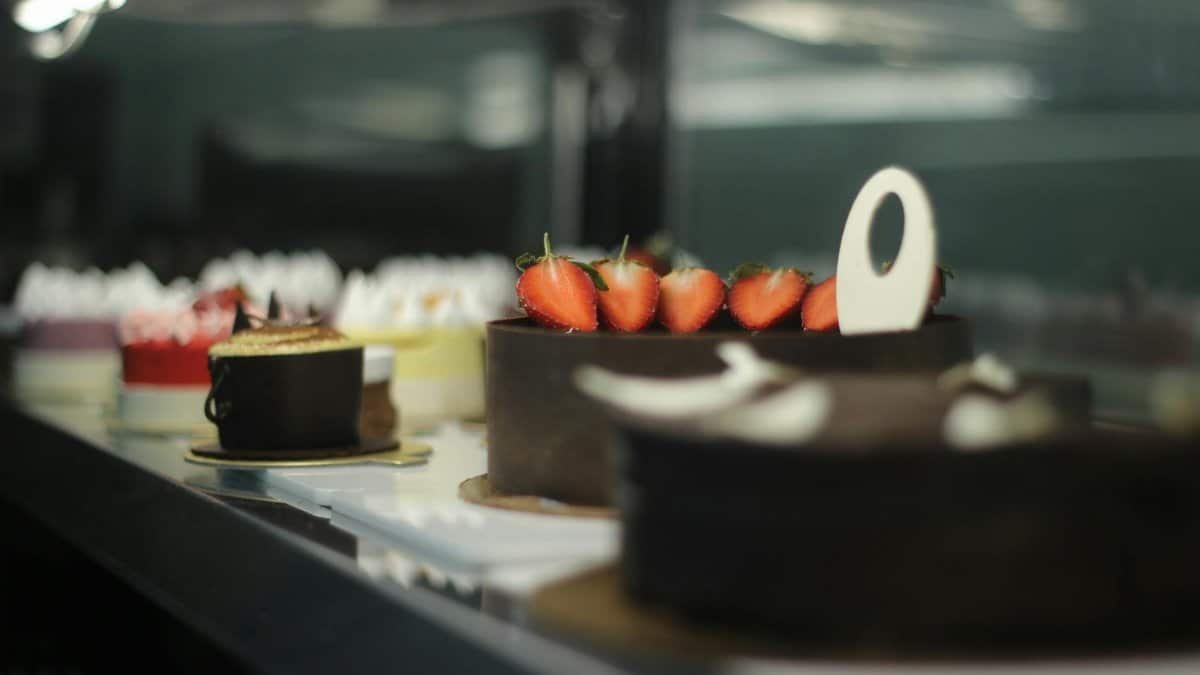
Fine cakes, documented in 17th-century collections drawing from medieval roots, featured caraway for a licorice bite and rosewater for perfume. They were wedding favors, their buttery tenderness a mark of festivity.
Cream 1 cup butter with 1/2 cup sugar. Add 2 cups flour, 1 tablespoon caraway seeds, and rosewater. Roll thin, cut rounds, and bake at 350 degrees for 10 minutes. Delicate and aromatic, they stand alone or crumbled over fruit.
Manchet: The King’s White Bread Rediscovered
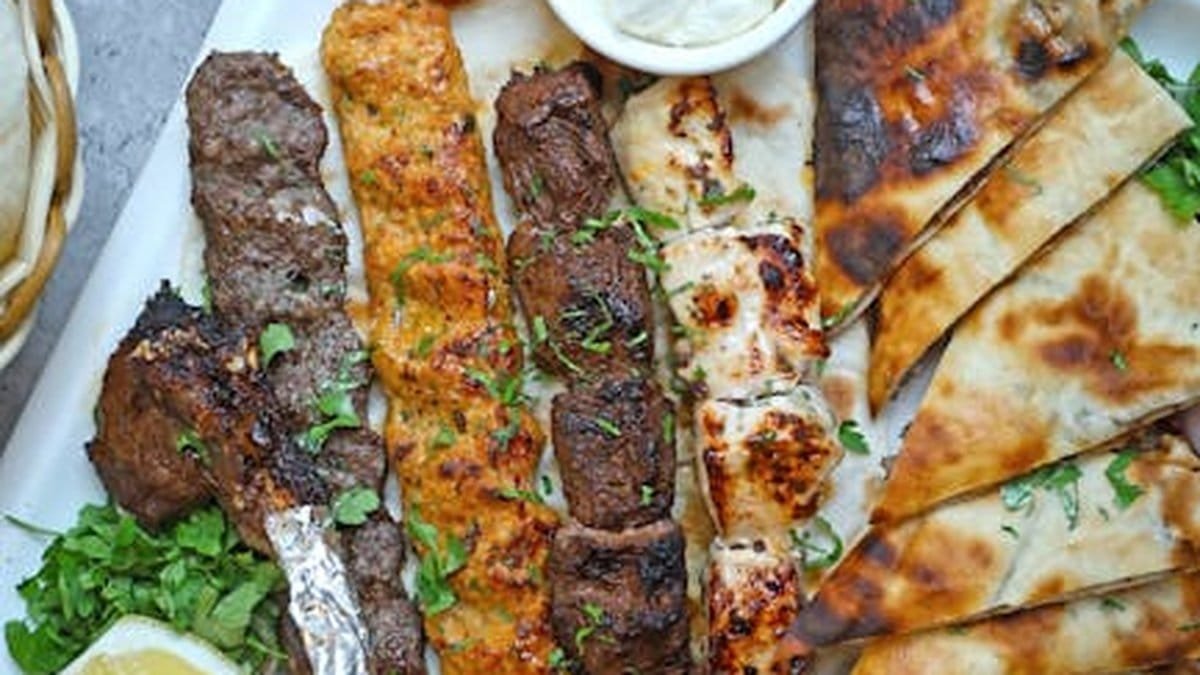
Manchet, the finest wheat bread of the era, was sifted meticulously for courtly purity. Chaucer’s pilgrims praised it; modern recreations confirm its pillowy rise with yeast and milk.
Mix 4 cups bread flour, 1 packet yeast, 1 1/2 cups warm milk, 2 tablespoons honey, and salt. Knead, rise once, shape loaves, and bake at 400 degrees for 30 minutes. Sliced thin with butter, it transports tasters to medieval halls.
Pomys Dornoy: Apple Puffs from Noble Kitchens
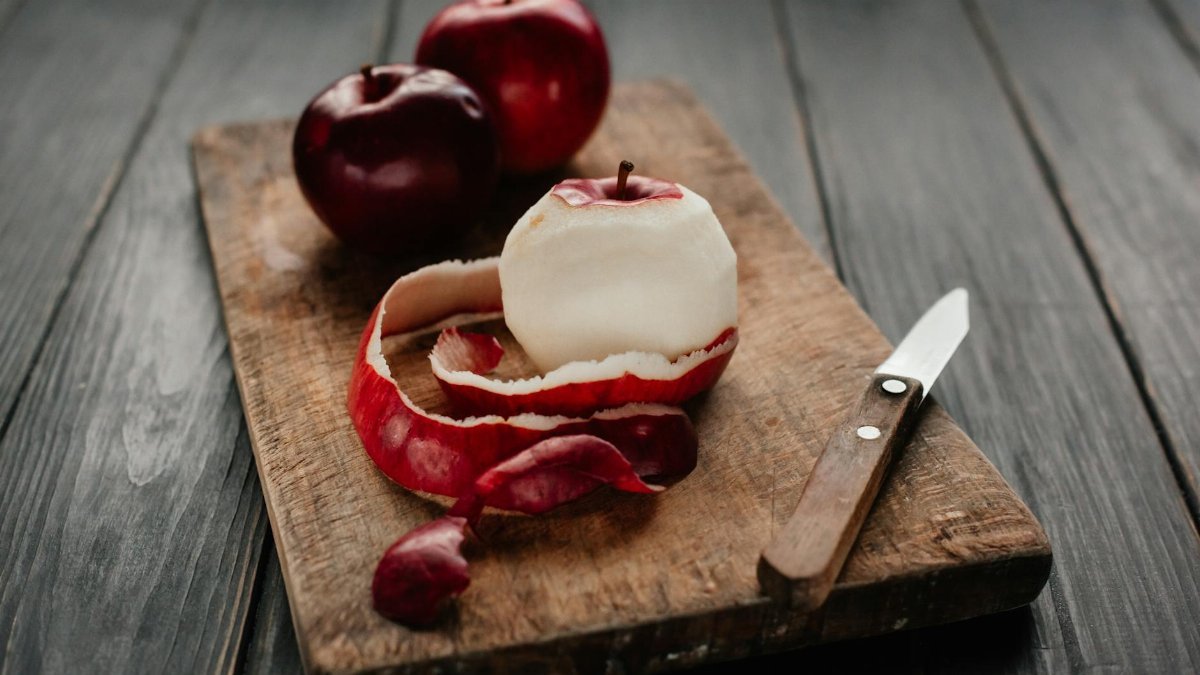
These spiced apple pastries, or pomys dornoy, mimicked hedgehogs with clove-studded tops. From 14th-century French manuscripts, they combined fruit purees in fried dough, adapted here for baking.
Cook 4 peeled apples with 1/4 cup wine, 2 tablespoons sugar, cinnamon, until mushy. Encase in puff pastry, stud with cloves, and bake at 400 degrees for 20 minutes. Tart-sweet bursts make them a showstopper finale.
Why These Medieval Recipes Endure in Modern Ovens
Reviving medieval recipes reveals ingenuity born of scarcity: spices as status symbols, grains as canvases. Today’s conveniences, like stable yeast and thermometers, eliminate guesswork. Bakers report deeper flavors from whole ingredients, sans preservatives. Yet authenticity matters; substitutions like modern honey preserve essence without compromising history. Experimenting fosters connection to ancestors who baked amid plague and war.
Scholars like Peter Brears in “Cooking and Dining in Medieval England” underscore their versatility. Beyond novelty, these bakes challenge bland uniformity, inviting middle-aged adventurers to ovens with purpose. A batch of gyngbread might just spark family lore anew.