
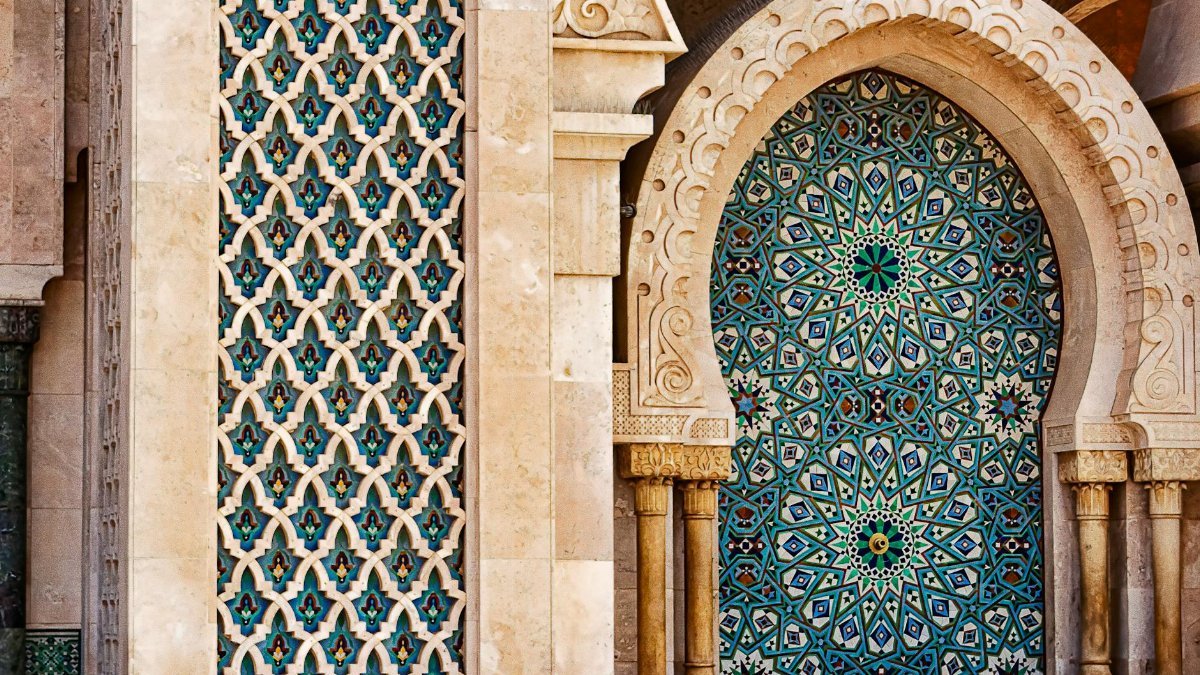
In the labyrinthine riqas of Fez’s ancient medina, where sunlight fractures into infinite geometries, lies the timeless allure of Moroccan tile. These intricate zellige mosaics, hand-cut from glazed clay, have mesmerized travelers and scholars for centuries. Art historians now decode their mathematical precision—rooted in Islamic geometry—as the key to their profoundly calming effect. Far from mere decoration, these patterns whisper secrets of symmetry that soothe the modern psyche amid chaos. As designers revive them in luxury homes, a fresh wave of fascination reveals why these tiles endure as emblems of serenity and ingenuity.
Roots in Medieval Morocco
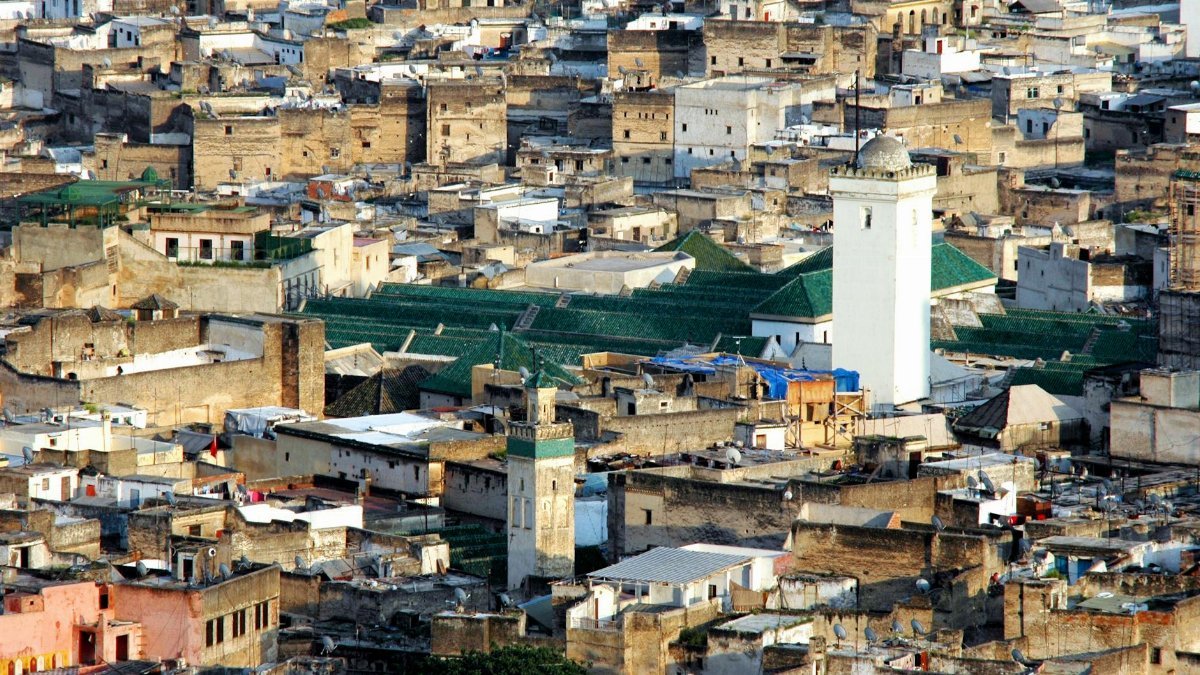
Moroccan tile artistry exploded in the 14th century under the Marinid dynasty, transforming mosques and palaces into visual symphonies. In Fez and Meknes, artisans perfected zellige, clipping tiles into stars, polygons, and arabesques that interlock without mortar. “It’s a craft born of devotion,” says Dr. Amina Khalil, curator at the Museum of Moroccan Arts. “Each piece reflects the infinite nature of the divine.” Unlike European frescoes, these tiles demanded geometric purity, drawing from Euclid via Baghdad scholars. By the Saadian era, they adorned the opulent Saadian Tombs, proving their royal staying power.
The Sacred Math of Girih Patterns
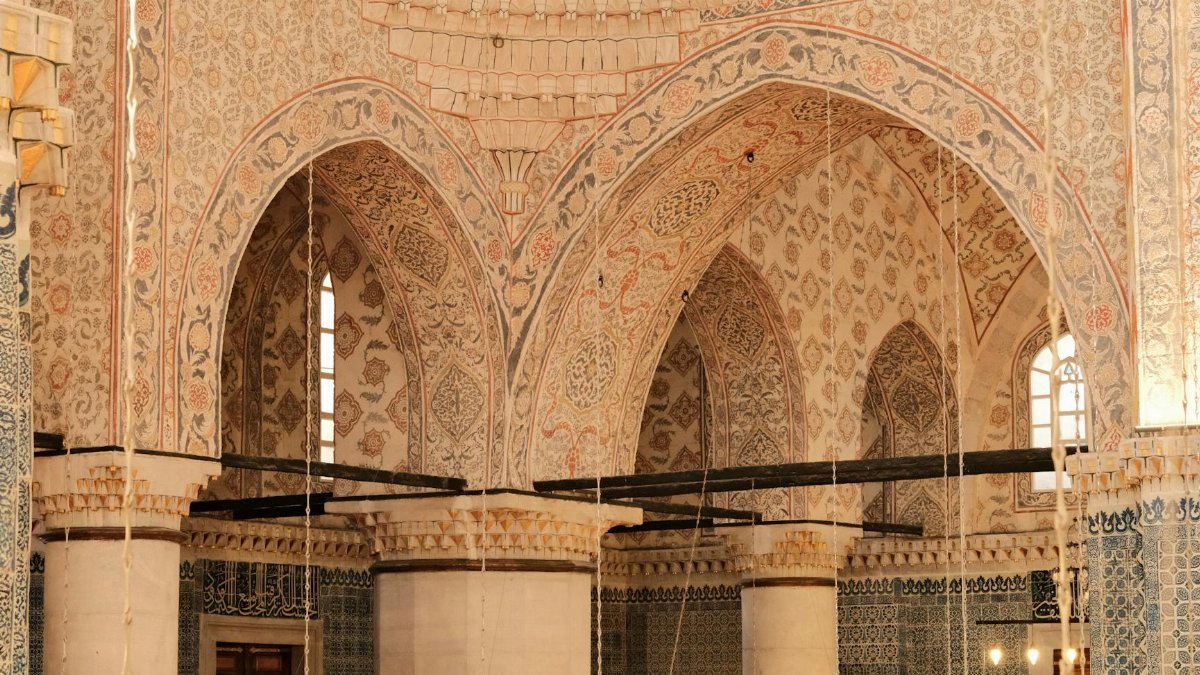
At the heart of Moroccan tile lies girih—a Persian term for intricate strapwork that Moroccans amplified. Five shapes dominate: decagon, hexagon, bowtie, rhombus, and pentagon. These tessellate endlessly, approximating the quasicrystals theorized by Roger Penrose in the 1970s. Harvard mathematician Peter Lu analyzed medieval tiles in 2007, confirming artisans intuitively grasped Penrose tilings centuries early. “The repetition creates optical illusions of depth,” Lu noted. This math isn’t accidental; it mirrors the cosmos, inviting viewers into meditative trance amid the patterns’ hypnotic flow.
Why the Patterns Calm the Mind
Neuroscientists link Moroccan tile’s appeal to its fractal-like repetition, which mirrors nature’s branching ferns and coastlines. Viewing such geometries activates the brain’s default mode network, fostering mindfulness akin to meditation. A 2022 study in Journal of Environmental Psychology found participants exposed to zellige replicas reported 27% lower stress levels after 10 minutes. “It’s evolutionary,” explains psychologist Dr. Elena Vasquez. “Our brains crave order in complexity.” In chaotic urban lives, these tiles offer respite, explaining their boom in wellness spas from Marrakech to Malibu.
Iconic Masterpieces Across Morocco
The Bahia Palace in Marrakech showcases zellige at its zenith: fountains ringed by turquoise stars cascading into emerald waves. Further north, Volubilis ruins blend Roman mosaics with later Moroccan overlays, but it’s the Hassan II Mosque in Casablanca that stuns with 50 types of tile climbing 210-meter minarets. Art historian Jamal El Amrani highlights the Koutoubia Mosque’s mihrab: “Here, geometry points to Mecca, aligning faith and form.” These sites draw 2 million tourists yearly, fueling a $500 million tile export industry.
Handcrafted Legacy in Modern Times
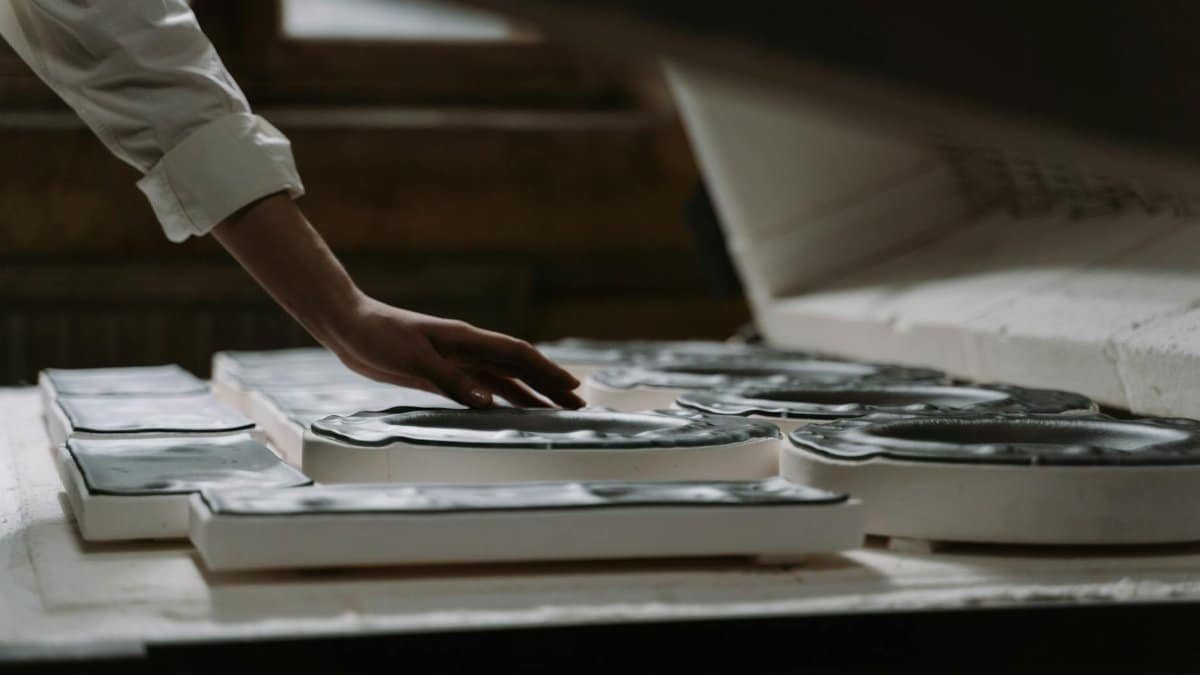
Today’s zellij makers in Fez’s Chouara tanneries wield chisels unchanged for 1,000 years. Clay from local quarries is glazed in 20 hues, baked, then clipped by eye into 2cm stars. UNESCO lists this as intangible heritage, yet automation threatens. “We train apprentices for a decade,” says master artisan Hassan Bourkia. Despite this, demand surges: Moroccan tile graces NYC lofts and LA hotels, with brands like Popham Design fetching $200 per square foot. Sustainability pushes eco-glazes, preserving the craft’s soul.
Influence on Global Design Trends

From Gucci stores to Instagram feeds, Moroccan tile inspires maximalism 2.0. Interior designer Kelly Wearstler calls it “the ultimate mood elevator,” installing it in the Viceroy hotel chain. Pinterest searches for “zellige backsplash” spiked 40% in 2023, per data analytics firm Exploding Topics. Architects like Studio Ashby fuse it with concrete for brutalist twists. Yet purists warn against dilution: “True Moroccan tile demands context—its power fades in isolation,” cautions Khalil. Still, it democratizes luxury, appearing in $50 shower stickers.
Decoding Color Symbolism
Blues evoke paradise rivers, greens signal paradise gardens, and golds mimic divine light in Moroccan tile palettes. These choices stem from Quranic imagery, where color guides the soul upward. Red ochre grounds the earthly, while white voids represent infinity. “Chromatic geometry heightens the calm,” says color theorist Dr. Sofia Mendes. Modern scans reveal how these contrasts slow eye movement, prolonging gaze and deepening peace. In therapy rooms, therapists install replicas to combat anxiety, blending ancient wisdom with science.
Preserving the Future of Zellige
Climate change erodes Fez’s clay sources, while mass tourism chips historic installations. Morocco’s government invests $10 million in artisan cooperatives, blending tradition with tech like 3D modeling for repairs. Emerging artists experiment with LED-backlit tiles, projecting patterns into nights. As global interest peaks, experts predict a renaissance: “Moroccan tile’s math transcends time,” Lu affirms. Whether in a riad or high-rise, its geometry promises enduring calm in an accelerating world.
By Natasha Weber