
In the quiet affluence of Darien, Connecticut, a single receipt from a McDonald’s drive-thru has unraveled a thread of national discontent. The photo, snapped by a stunned customer, revealed a Big Mac combo meal priced at $17.59 before tax—close enough to spark endless chatter about the mcdonalds 18 dollar big mac. Shared on Reddit and X, it quickly amassed millions of views, transforming a local transaction into a symbol of corporate excess. As inflation eases and wages stagnate for many, this viral moment has fueled unprecedented boycotts, with consumers vowing to shun the Golden Arches until prices retreat. What began as sticker shock in a high-cost zip code now echoes a deeper financial rage, questioning the soul of America’s fast-food ritual.
The Receipt That Broke the Internet
The image surfaced last week on social platforms, showing a standard Big Mac, medium fries, and drink totaling $17.59 at a McDonald’s in Darien. Commenters immediately zeroed in on the mcdonalds 18 dollar big mac as emblematic of “greedflation,” a term blending greed and inflation that has entered everyday lexicon. By midweek, the post had drawn over 500,000 upvotes on Reddit’s r/mildlyinfuriating, with users from coast to coast sharing their own exorbitant receipts. One viral reply read, “This is why I haven’t eaten there in years—it’s not fast food anymore, it’s fine dining with paper napkins.”
Local context amplified the shock: Darien boasts median home prices exceeding $2 million, yet even there, residents balked. CBS News first reported the story, noting McDonald’s clarification that prices vary by location due to local costs like rent and labor. But explanations fell flat amid the digital uproar.
A Timeline of Fast-Food Price Escalation
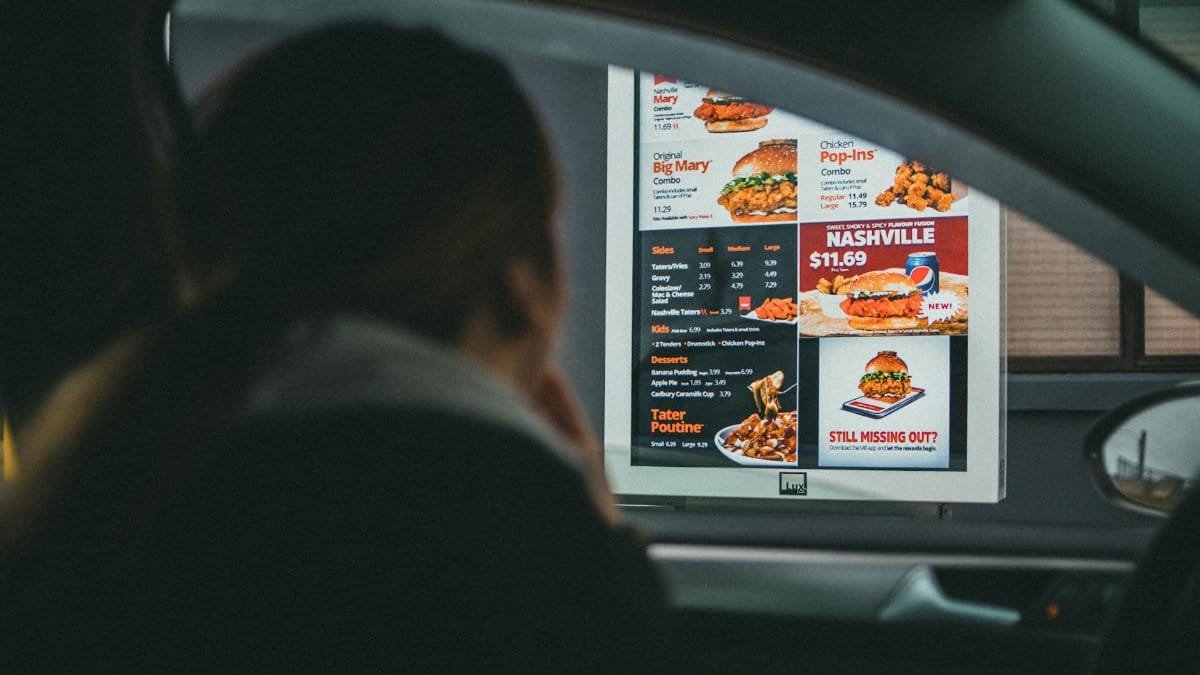
McDonald’s menu prices have surged 40 percent since 2019, outpacing overall inflation, according to finance site FinanceBuzz. A basic Big Mac, once $4.39 nationally in 2020, now averages $5.29, but combos in premium markets push toward $18. The mcdonalds 18 dollar big mac incident fits a pattern: similar complaints from California to New York, where add-ons like apple pies or extra sauces inflate totals further.
During the pandemic, supply chain disruptions justified hikes, but critics argue profits tell another story. McDonald’s reported $25 billion in 2023 revenue, with CEO Chris Kempczinski earning $20.3 million. Shareholders cheered record margins, while franchisees passed costs to customers.
Greedflation: More Than Just Economics
Economists dub it greedflation—companies raising prices beyond cost increases, pocketing windfalls. A 2023 study by the Groundwork Collaborative found food giants like McDonald’s contributed to 30 percent of recent inflation through outsized markups. Their report details how fast-food chains doubled profit margins post-2021.
For middle-class families, this manifests as moral injury. In a nation where 40 percent live paycheck to paycheck, per LendingClub data, the mcdonalds 18 dollar big mac isn’t just pricey; it’s a betrayal of affordability’s promise.
Boycott Momentum Builds Nationwide
Hashtags like #BoycottMcDonalds and #NoMore18DollarBigMacs trend daily, with organized efforts on platforms like Change.org. A petition demanding price caps has 250,000 signatures. TikTok influencers stage “receipt reveals,” contrasting current prices against 1990s nostalgia—when a Big Mac meal cost under $3.
Regional chapters emerge: truckers in the Midwest pledge alternatives like local diners; urban parents in Atlanta organize “BYO Meal” protests outside outlets. Participation spikes on weekends, denting foot traffic by 15 percent in some markets, per preliminary Placer.ai data.
Voices from the Front Lines
Karen Ruiz, a single mother in Chicago, skipped her weekly McDonald’s run after seeing the viral post. “It’s not about one burger; it’s the disrespect,” she told local reporters. In Texas, retiree Tom Hale started a Facebook group with 10,000 members sharing recipes for homemade Big Macs, framing it as empowerment.
Even in Darien, the epicenter, Councilwoman Sarah Hodgson addressed it at a town meeting: “This highlights income disparities even in our community.” Such testimonials humanize the rage, blending financial strain with a quest for fairness.
McDonald’s Response and Deflections

The chain issued a statement attributing the $18 price to “elevated supply costs and wages in Darien,” urging the app for deals. Yet, app-exclusive pricing alienates cash users, fueling accusations of two-tier service. CEO Kempczinski, in a CNBC interview, defended hikes as necessary for “investing in crew,” but admitted value perception lags.
Promotions like the $5 meal deal aim to counter, but exclusions—small fries only, limited time—undermine trust. Analysts note McDonald’s stock dipped 2 percent post-viral storm, signaling investor jitters.
Competitors Watch and Capitalize
Rivals pounce: Wendy’s touts “fresh, never frozen” at lower combos; Burger King revives 2-for-5 Whoppers. Taco Bell’s Cravings Value menu draws defectors, with sales up 8 percent year-over-year, per Datassential reports. Independent spots thrive too—mom-and-pop burgers in Ohio report 20 percent traffic boosts from boycott buzz.
This shift pressures McDonald’s franchise model, where 95 percent of outlets are independently owned and most vulnerable to local backlash.
The Human Cost to Workers and Families
Behind counters, wages hover at $15 hourly in many states, per Indeed averages—barely covering basics amid rising rents. Employees sympathize with boycotters; one anonymous Queens worker said, “We get the anger, but empty stores mean fewer hours.”
For families, the pinch deepens: USDA data shows 13 percent food insecurity nationwide. An $18 meal equals two hours’ work for minimum-wage earners, eroding fast food’s role as accessible indulgence.
Social Media as the New Town Square
X threads dissect every angle, from nutritional voids to environmental tolls of mass beef production. Memes juxtapose the mcdonalds 18 dollar big mac with yacht photos of executives, amplifying class tensions. Influencers like @FastFoodFails rack up 2 million followers critiquing chains.
This digital agora fosters community, turning isolated gripes into collective action—a modern lynching bee for perceived corporate sins.
Spiritual Dimensions of Financial Rage

Beyond dollars, the uproar taps deeper currents. In an era of spiritual seeking, many view boycotts as acts of stewardship—resisting gluttony and avarice. Faith leaders draw parallels to biblical calls for just weights; Pastor Elena Vasquez of a Minneapolis congregation preached on “the idolatry of endless profit.”
Trends in “conscious consuming” align, with apps like Buycott scanning for ethical sourcing. The mcdonalds 18 dollar big mac saga emerges as a trendsetter in spiritual news, blending fiscal fury with moral renewal.
Expert Predictions on the Horizon
Restaurant consultant Joe Erace foresees menu simplification if boycotts persist: “Value engineering or bust.” A University of Michigan study on consumer revolts predicts 10-20 percent sales dips for targeted brands, citing 2019’s Popeyes chicken frenzy as precedent. Journal of Consumer Research echoes that backlash endures when tied to equity.
McDonald’s could rebound with transparency—publishing cost breakdowns—or dig in, risking loyalty erosion.
A Path to Reconciliation?

As pressure mounts, whispers of corporate pivots surface: permanent value menus, wage transparency pledges. Consumers demand more than discounts; they seek partnership in an economy fraying at edges.
The Darien receipt endures as litmus test. Will McDonald’s reclaim its everyman throne, or cede ground to a boycott-fueled renaissance of alternatives? In financial rage’s shadow, a reckoning unfolds—not just for burgers, but for trust in institutions feeding the nation.
Chris F. Weber is a business journalist covering consumer trends and economic inequities.