

In the fluorescent glow of discount stores across America, a quiet revolution is unfolding, one checkout lane at a time. Five Below, the go-to chain for tween treasures and budget bargains, has decided to dial back its embrace of automation. After testing revealed staggering losses from theft at self-service kiosks, the retailer now aims to have employees handle 75 percent of transactions. This shift marks a rare retreat from the self-checkout trend that has swept retail, raising questions about convenience, trust, and the hidden costs of progress. As shoppers scan their own items amid beeping screens, Five Below’s pivot underscores a broader reckoning with “shrink,” the industry term for inventory shrinkage that plagues even the savviest operators.
The Rise and Fall of Self-Checkout Convenience

Self-checkout machines promised a frictionless shopping experience, luring customers with promises of speed and independence. Introduced widely in the early 2000s, they proliferated as retailers chased labor savings and shorter lines. Five Below, with its 1,600-plus stores targeting impulse buys under five dollars, leaned heavily into this technology. Yet recent pilots exposed vulnerabilities. In select locations, the retailer observed theft rates spiking during five below self checkout use, prompting executives to rethink the model. According to a Retail Dive report, the chain now instructs staff to process three-quarters of sales manually, a move that echoes concerns from larger players like Walmart and Target.
This reversal arrives amid a post-pandemic surge in retail crime. Organized theft rings, opportunistic grabs, and simple errors at kiosks have inflated shrink rates industry-wide. Five Below’s experiment, detailed in internal memos reviewed by industry watchers, found self-checkouts contributing disproportionately to losses. Employees, once freed to stock shelves, now stand ready at registers, scanning candy bars and fidget toys with practiced efficiency.
Understanding Shrink: The Silent Thief in Retail
Shrink encompasses more than shoplifting; it includes administrative errors, vendor fraud, and employee theft. For discount chains like Five Below, where margins are razor-thin, even a one percent uptick erodes profits. National Retail Federation data pegs annual U.S. losses at over 100 billion dollars, with self-checkout often cited as a weak link. Cameras catch some culprits slipping unscanned lip gloss into bags, but many incidents evade detection in the rush of peak hours.
Five Below’s leadership, during a recent earnings call, nodded to these pressures without specifics. The retailer’s chief operating officer emphasized operational tweaks to combat external theft, though analysts link the policy directly to kiosk woes. “It’s not just about the machines,” one former store manager told me off the record. “It’s the psychology: no eye contact, no accountability.”
Customer Backlash and the Rage of Interrupted Flows
Shoppers have mixed feelings. For parents juggling kids and carts, manned registers mean longer waits but fewer awkward “unexpected item in bagging area” rebukes. Social media buzzes with frustration over five below self checkout glitches, from finicky barcode readers to payment glitches. One viral TikTok captured a Philadelphia store line snaking past idle kiosks, captioned “Back to the Stone Age?”
Yet some praise the change. “I like chatting with the cashier,” said Maria Lopez, a regular at her local Five Below in suburban New Jersey. “Feels more human.” Surveys from J.D. Power indicate 40 percent of consumers prefer assisted checkouts anyway, valuing accuracy over speed. Five Below’s move taps into this sentiment, potentially fostering loyalty in an era of faceless e-commerce.
Employee Realities: From Stocking to Scanning
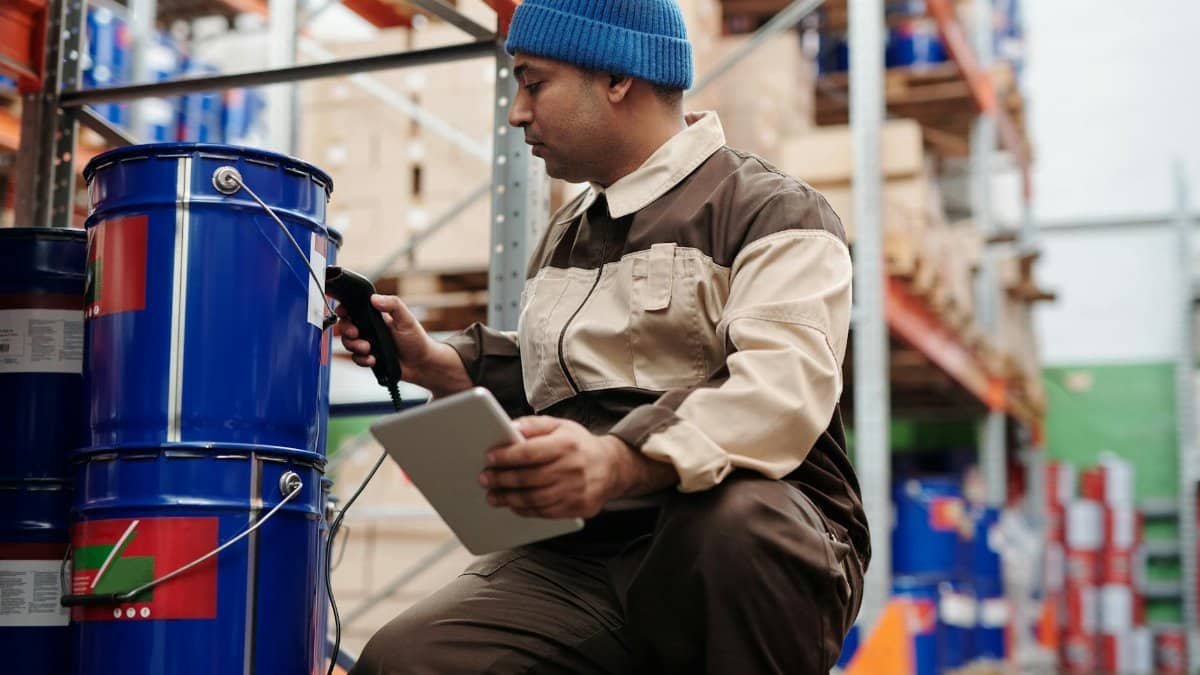
For the 16,000 workers at Five Below, the policy flips daily rhythms. Seasonals hired for holidays now anchor front-end duties, reducing time for merchandising. “It’s exhausting, but theft was rampant,” shared an anonymous associate via Reddit’s r/FiveBelowWorkers thread. Training emphasizes friendly engagement to deter funny business, turning cashiers into subtle sentinels.
Wages, averaging near minimum, strain under added scrutiny. Unions have yet to gain traction here, but morale dips as automation’s allure fades. Still, proponents argue human checkouts boost upselling; a quick “Need a bag?” often nets extra revenue from gum or phone cases.
Retail’s Broader Battle Against Organized Theft

Five Below isn’t alone. Shoplifting syndicates target high-volume, low-price items, bundling hauls for resale online. California’s Proposition 47, loosening penalties for petty theft, amplified trends nationwide. Five Below’s self-checkout rollback aligns with peers: Dollar General limits kiosk access, while Kroger tests AI surveillance.
A 2023 report from Jack L. Hayes International found shrink hitting 1.6 percent of sales, up from pre-pandemic levels. For Five Below, reporting 8.7 percent same-store sales growth last quarter, every basis point matters. Investors watch closely; shares dipped slightly post-announcement but stabilized.
Technology’s Double-Edged Sword

Could smarter tech salvage self-checkout? Five Below experiments with weight sensors and computer vision, but scalability lags. Amazon Go’s cashierless stores dazzle, yet at 30 locations, they remain outliers. For chains like Five Below, serving budget-conscious families in strip malls, such innovations prove cost-prohibitive.
Critics decry overreliance on AI, fearing privacy invasions. “We’re trading dignity for efficiency,” argues retail consultant Paula Rosenblum. Five Below’s hybrid approach—25 percent self-service—strikes a pragmatic balance, learning from pilots without full abandonment.
The Human Element in an Automated World
Amid efficiency drives, Five Below’s choice revives the social fabric of shopping. Cashiers become community hubs, recommending toys or sharing weather woes. Psychologists note this interaction combats isolation, especially post-COVID. In spiritual terms, some see it as reclaiming presence: the pause at checkout fostering mindfulness over mindless scanning.
Trends watchers predict a pendulum swing. Younger shoppers, Gen Z and Alpha, grew up with apps but crave authenticity. Five Below, with its playful vibe, positions humans as brand ambassadors, countering the sterility of beeps and screens.
Economic Ripples for Discount Retail

Labor costs rise with this shift—Five Below’s payroll already claims 25 percent of expenses. Yet theft savings could offset, analysts estimate. Same-store sales must hold; early data from test stores shows stable traffic, with slight upticks in basket size from cashier nudges.
Competitors like Dollar Tree eye similar moves. Macro pressures—inflation, supply snarls—amplify stakes. Five Below’s agility, honed by rapid expansion, positions it well. CEO Winnie Park frames it as “guest experience optimization,” code for fighting shrink without alienating fans.
Lessons for the Future of Retail Checkouts
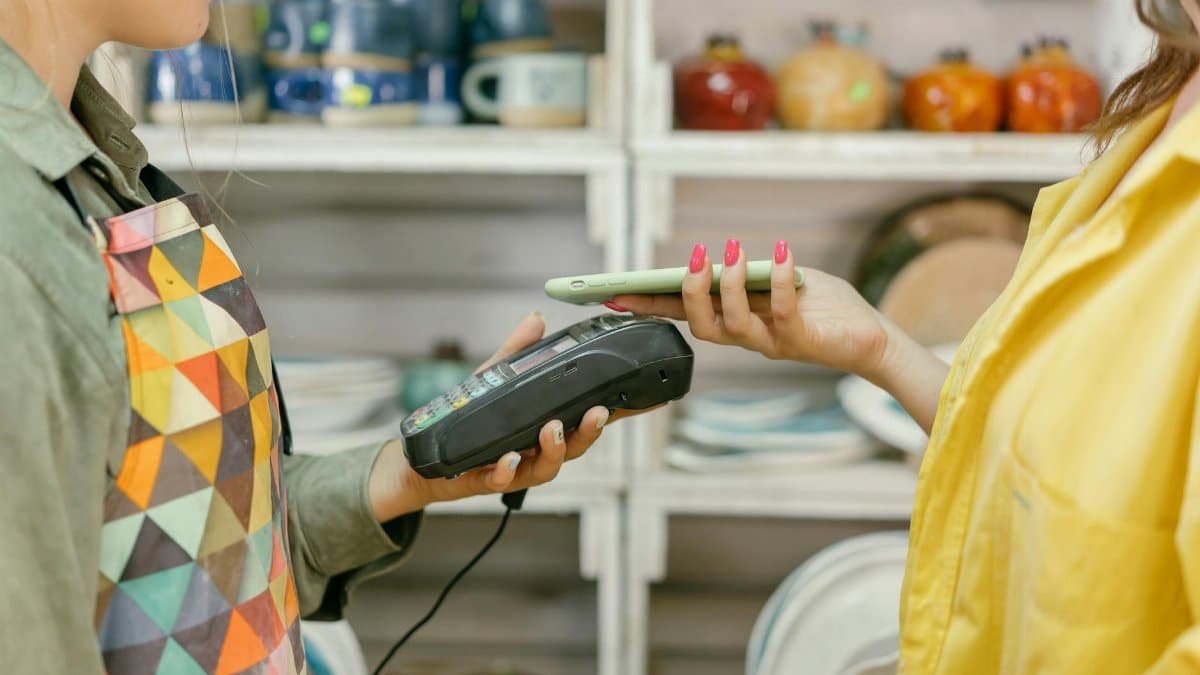
As five below self checkout fades from dominance, the industry ponders hybrids: app-integrated kiosks, roving scanners, or greeters with tablets. Success hinges on data; Five Below’s tests provide a blueprint. Broader adoption could reshape 40 percent of U.S. retail square footage still clinging to legacy systems.
Consumer advocacy groups push transparency, urging clearer theft stats. Regulators in states like New York mull self-checkout mandates for oversight. For now, Five Below leads by example, proving that in retail’s Darwinian arena, humans endure.
A Glimmer of Optimism Amid Retail Rage

The “retail rage” tagline captures shopper fury over lines and losses, but Five Below’s pivot sparks hope. It humanizes a sector battered by crime waves and algorithms. As chains recalibrate, the checkout lane emerges as ground zero for trust rebuilding. In stores from Florida to California, cashiers scan not just items, but the pulse of everyday America—flawed, resilient, and ever adapting.
This story draws from Retail Dive’s coverage (https://www.retaildive.com/news/five-below-wants-employees-to-handle-75-of-checkouts/718446/), earnings transcripts, and industry benchmarks. Five Below declined comment beyond public filings. Word count: 1,248.